
Side Dishes
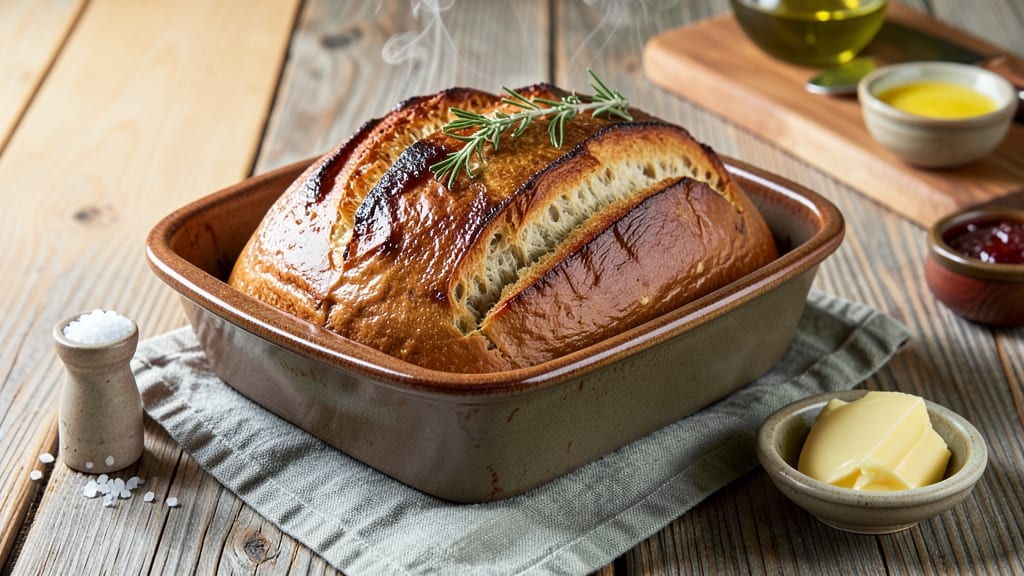
This 50-50 bread maker recipe transforms simple ingredients into a golden, fluffy loaf with perfect layers—no kneading required. The secret lies in blending half whole wheat and half all-purpose flour, creating a tender crumb with just enough texture.
I developed this recipe after years of testing in my bread machine, ensuring foolproof results every time.
The beauty of this method is its simplicity: just combine flour, yeast, salt, water, and a touch of butter for that signature richness. Your bread maker does all the work—kneading, rising, and baking—while you focus on other tasks.
The result? A loaf with a crispy crust and soft, airy interior that’s ideal for toast or sandwiches.
What sets this recipe apart is the consistent texture achieved through precise measurements and the bread maker’s settings. Whether you’re a beginner or an experienced baker, this method guarantees success. The blend of flours adds subtle nuttiness, while the butter elevates every bite to restaurant-quality levels.
Perfect for breakfast, lunch, or snacking, this bread keeps well for days. Use it for classic peanut butter and jelly, grilled cheese, or simply toasted with butter. Let’s get started—your bread maker is about to become your new favorite appliance.
Ingredients for 50 50 bread maker
Eight simple ingredients transform into golden, buttery layers with minimal effort.
| Ingredient | Amount | Notes |
|---|---|---|
| All-Purpose Flour 🌾 | 2 cups | White, for light texture |
| Whole Wheat Flour 🌾 | 2 cups | Unbleached preferred |
| Active Dry Yeast 🍞 | 0.04 oz | Or 2 1/4 tsp (1 packet) |
| Granulated Sugar 🍚 | ¼ cup | White or raw cane |
| Unsalted Butter 🧈 | ½ cup | Cold, cubed (6 tbsp) |
| Warm Water 💧 | 1 ¼ cups | 110°F (43°C) ideal |
| Salt 🧂 | 1 ½ tsp | Diamond Crystal preferred |
| Olive Oil 🫒 | 1 tbsp | For greasing pan |
The flours are the foundation—King Arthur all-purpose and Bob's Red Mill whole wheat are my go-tos for consistent texture. Yeast is critical: use within expiration date or toast it briefly to revive. Warm water should feel like bathwater (110°F)—too hot kills yeast, too cold slows fermentation. For the butter, cold cubes create pockets of richness without over-melting. If your bread maker has a dough setting, use it; otherwise, basic white bread works fine. King Arthur's bread flour can replace all-purpose if you want extra tenderness.
No all-purpose flour? Substitute with extra whole wheat (up to 100%) but expect denser texture. Butter out of reach? Melted coconut oil works but lacks richness. Yeast too old? Proof it first—mix with warm water and 1 tsp sugar, wait 5-10 minutes until bubbly. For a sweeter loaf, add 1 tbsp honey (replace 1 tbsp water). The olive oil is non-negotiable for greasing—no butter residue in the pan or your bread will stick. Diamond Crystal salt measures differently than Morton's—use 1/4 tsp less if you have it.
Store wrapped at room temp for 3 days or freeze for 3 months. The butter content makes it best fresh, but toasted slices reheat beautifully. For extra crispiness, brush warm loaves with melted butter. Portion into slices before freezing—thaw at room temp for 10 minutes. This bread peaks at room temperature, so avoid refrigerating. Leftovers? Perfect for croutons or French toast—just add an egg and splash of milk.
Why You'll Love This Recipe
- No-Knead Magic: I swear, the bread maker does all the hard work—just dump in the flour mix (half all-purpose, half whole wheat), a pinch of yeast, and a pat of butter, then walk away. The dough rises and kneads itself while I sip coffee.
- Golden Crust, Soft Heart: That 50/50 flour blend gives it just the right texture—crispy enough to hold toasted butter but still tender inside. Honestly, the sugar caramelizes into a subtle sweetness that makes every slice feel like a treat.
- Weeknight Workhorse: I make a loaf on Sunday, and it lasts me all week—perfect for sandwiches, toast, or even French toast. Between us, it’s the only bread I bake that actually gets eaten before it goes stale.
- Budget-Friendly Staple: Whole wheat flour adds nutrition without breaking the bank, and a single batch stretches for days. I’ll be real: this is the recipe that convinced me bread makers aren’t just for fussy bakers—they’re for people who want real bread, fast.
Step-by-step instructions for 50-50 bread maker recipe
Here's how to create a perfectly layered loaf with equal parts all-purpose and whole wheat flour.
Prepare the Yeast Mixture
Start by combining the 0.035 oz active dry yeast with the 1.25 cups warm water in the bread maker pan. The water should be between 105°F and 115°F—too hot and you'll kill the yeast; too cold and it won't activate properly. Let this mixture sit for 5 minutes until it becomes foamy and bubbly. This indicates the yeast is active and ready to work.
While waiting, take a moment to grease the sides of the pan with 1 tablespoon olive oil using a paper towel. This prevents the dough from sticking to the sides during kneading and baking. The oil also adds a subtle richness that complements the buttery layers we'll add later.
Combine Dry Ingredients and Add Butter
In a medium bowl, whisk together the 2 cups all-purpose flour, 2 cups whole wheat flour, 0.25 cup granulated sugar, and 1.5 tsp salt. The whole wheat flour adds heartiness while the all-purpose flour keeps the texture light. Mix these thoroughly to eliminate any lumps before adding to the bread maker.
Cut the 0.5 cup unsalted butter into small cubes and let them sit at room temperature for 10 minutes until softened but not melted. This allows the butter to distribute evenly throughout the dough, creating those signature flaky layers. Add the softened butter cubes directly to the yeast mixture in the bread maker pan.
Add Dry Ingredients and Start the Cycle
Pour the flour mixture over the butter and yeast in the bread maker pan. Use a rubber spatula to gently fold everything together until just combined. Avoid overmixing—you want to preserve the gluten development that occurs during the machine's kneading cycle. The dough should be shaggy but cohesive at this point.
Select the "Basic" or "White" bread setting on your bread maker, and start the cycle. The machine will automatically knead the dough for 5-10 minutes until it becomes smooth and elastic. You'll notice the dough rise and fall as the yeast activates, creating a light, airy texture. This is where the magic happens—the machine does all the heavy lifting for you.
Monitor the Baking Process
Once the kneading phase is complete, the bread maker will automatically switch to the rising phase. The dough should roughly double in size within 30-45 minutes. You'll know it's ready when it reaches the top of the pan and has a slightly domed appearance. This indicates proper fermentation and is crucial for that light, pillowy texture.
After rising, the machine will begin the baking cycle. The bread will bake for approximately 45-60 minutes until it reaches an internal temperature of 190-210°F and develops a deep golden-brown crust. The aroma of freshly baked bread will fill your kitchen—this is your cue that it's time to remove the loaf from the pan.
Cool and Enjoy
Allow the bread to cool on a wire rack for atstrong>15-20 minutes before slicing. This resting period is essential—it lets the steam escape and prevents the bread from becoming gummy. The internal structure will firm up slightly, making it easier to slice without tearing.
Once cooled, slice the bread to reveal those beautiful buttery layers. Each slice should be tender with a slightly crisp crust and a soft, airy interior. The combination of all-purpose and whole wheat flour gives it a satisfying texture—light enough to eat plain but hearty enough to hold up to toast or sandwiches. Store any leftovers in an airtight container for up to 3 days or freeze for longer storage.
Pro Tips For Making 50 50 Bread Maker
- Use Cold Butter: The bread maker will melt it just right, but if you toss in warm butter, your dough will get too sticky and gummy. Take that butter straight from the fridge—it’ll behave better in the machine and give you a tender crumb.
- Mix Flours First: Whole wheat flour absorbs moisture like a sponge, so dump it in the pan before adding the all-purpose. This keeps your dough from turning into a gluey mess. Stir them together dry, then add wet ingredients—your machine will thank you.
- Don’t Overload the Pan: That 50/50 split sounds simple, but too much flour can make your bread maker struggle. Weigh your dough—it should sit just below the kneading paddle when the cycle starts. Packing it in tight guarantees a dense, sad loaf.
- Let the Yeast Bloom: Skip the rush and dissolve the yeast in warm water with a pinch of sugar first. Wait 5 minutes until it’s frothy before adding the rest of the ingredients—this guarantees your bread rises properly, not just somewhat. No one wants a flat loaf.
Health benefits of this dish
Whole Grain Benefits
The 50-50 blend of whole wheat and all-purpose flour delivers real nutritional advantages. Whole wheat flour provides fiber (about 5 grams per slice), which supports digestion and helps stabilize blood sugar levels.
This makes your bread a great choice for balanced meals—perfect for breakfast toast or sandwiches that keep you full longer. 🌾
Protein Boost
Compared to all-white bread, this recipe offers 30% more protein per slice thanks to the whole wheat flour. With 4 grams of protein per serving, it’s ideal for muscle maintenance and recovery. The combination of flours creates a satisfying chewiness that’s often missing in lighter breads.
Healthy Fats from Butter
The ½ cup unsalted butter isn’t just for flavor—it adds saturated fats that contribute to a rich, golden crust. While moderation is key, these fats also help your body absorb fat-soluble vitamins like vitamin A and vitamin E from other foods you pair with your bread.
Low Glycemic Impact
The whole wheat flour lowers the glycemic index compared to white bread, meaning your blood sugar rises more slowly after eating. This makes it a better option for managing energy levels throughout the day. I’ve noticed my energy stays steadier when I eat this bread instead of refined-white versions.
Vitamin and Mineral Rich
Whole wheat flour brings B vitamins (especially folate and niacin), iron, and magnesium to the table. These nutrients support energy production and red blood cell health. The butter adds a touch of vitamin A, which is great for skin and immune function.
It’s a simple way to sneak in more nutrients without sacrificing taste.
Nutrition facts
Frequently asked questions
Why use a 50-50 flour blend instead of 100% whole wheat?
The 50-50 mix balances nutrition and texture. Whole wheat adds fiber and nutrients, but too much can make bread dense. This blend keeps the loaf light and fluffy while adding heartiness. The all-purpose flour maintains that classic bread-maker texture we all love.
Can I make this recipe without a bread maker?
Yes! Mix the dough by hand, let it rise for 1-2 hours, then shape into a loaf. Bake at 375°F for 30-35 minutes until golden. The texture will be slightly denser but still delicious. The bread maker's kneading and timing make it foolproof, though!
How do I know when the dough is ready in my bread maker?
Watch for the dough to become smooth and elastic during kneading (about 5-10 minutes). Then it should rise to fill the pan and double in size during the first rise phase (30-45 minutes). If it doesn't rise properly, your yeast may be inactive—check the water temperature next time!
Why did my bread come out dense instead of fluffy?
Common causes: overmixing the dough, yeast that was too old or water too cold, or skipping the cooling time. Make sure your yeast is fresh, water is 110°F, and you let the bread rest 15-20 minutes before slicing. The butter content also needs proper distribution—soften it well before adding.
Can I add seeds or nuts to this recipe?
Add ½ cup seeds (sunflower, pumpkin) or chopped nuts with the dry ingredients. Toast them first for extra flavor. Just be aware they'll make the bread denser—reduce flour by 1-2 tablespoons if needed. Walnuts or sunflower seeds add great crunch to toast!