

It started with a sourdough starter that kept failing
It was a winter in Albuquerque, and the kitchen was too cold for the yeast to wake up.
I had followed every guide I could find—fed it daily, kept it in a warm spot, even tried wrapping it in a towel—but after three days, it smelled like vinegar and nothing like the tangy, alive scent of a real starter. The bubbles were few, the rise weak.
I had made the mistake of assuming that patience alone would fix it.
The next attempt was worse. I switched to whole wheat flour, thinking it might help, but the dough turned dense and gray, refusing to rise at all. The kitchen was still too cold, and the humidity too low.
I had spent hours kneading, only to watch the loaf collapse in the oven, its crust thick and hard instead of crisp and golden. That was the moment I realised I wasn’t just baking—this was a problem I had to solve.
By the fifth try, I was measuring the room temperature with a thermometer, adjusting the flour ratios by weight, and even trying to mimic the humidity of a proper bakery. Still, the starter would sometimes go dormant, or the dough would overproof before it was ready.
Every failure taught me something, but the lesson wasn’t just about the recipe—it was about the conditions, the timing, and the fact that baking isn’t just about following steps. It’s about adapting.
Nine tries before it worked
The first six attempts all had one thing in common: they ended in disappointment. The seventh time, I adjusted the fermentation time by 30 minutes, but the dough still didn’t hold its shape. The eighth try introduced rye flour, which helped with structure but made the crust too dark.
By the ninth attempt, I had a system—testing the starter’s readiness with a float test, proofing the dough in a warm oven with a bowl of hot water, and baking at a lower temperature for longer.
That loaf finally rose properly, with a crackling crust and an open crumb. The flavor was complex—slightly tangy, with a depth that came from the slow fermentation. But the real breakthrough wasn’t just the recipe.
It was understanding that every variable matters: the flour’s protein content, the water temperature, even the altitude. Albuquerque’s thin air changes things, and I had to account for it.
The next morning, I woke up to the smell of fresh bread in the house. It wasn’t perfect—no first loaf ever is—but it was *mine*. That’s when I knew this wasn’t just about sharing recipes.
It was about sharing the process, the failures, and the small victories that come from paying attention to the details most people overlook.
The mind behind these pages
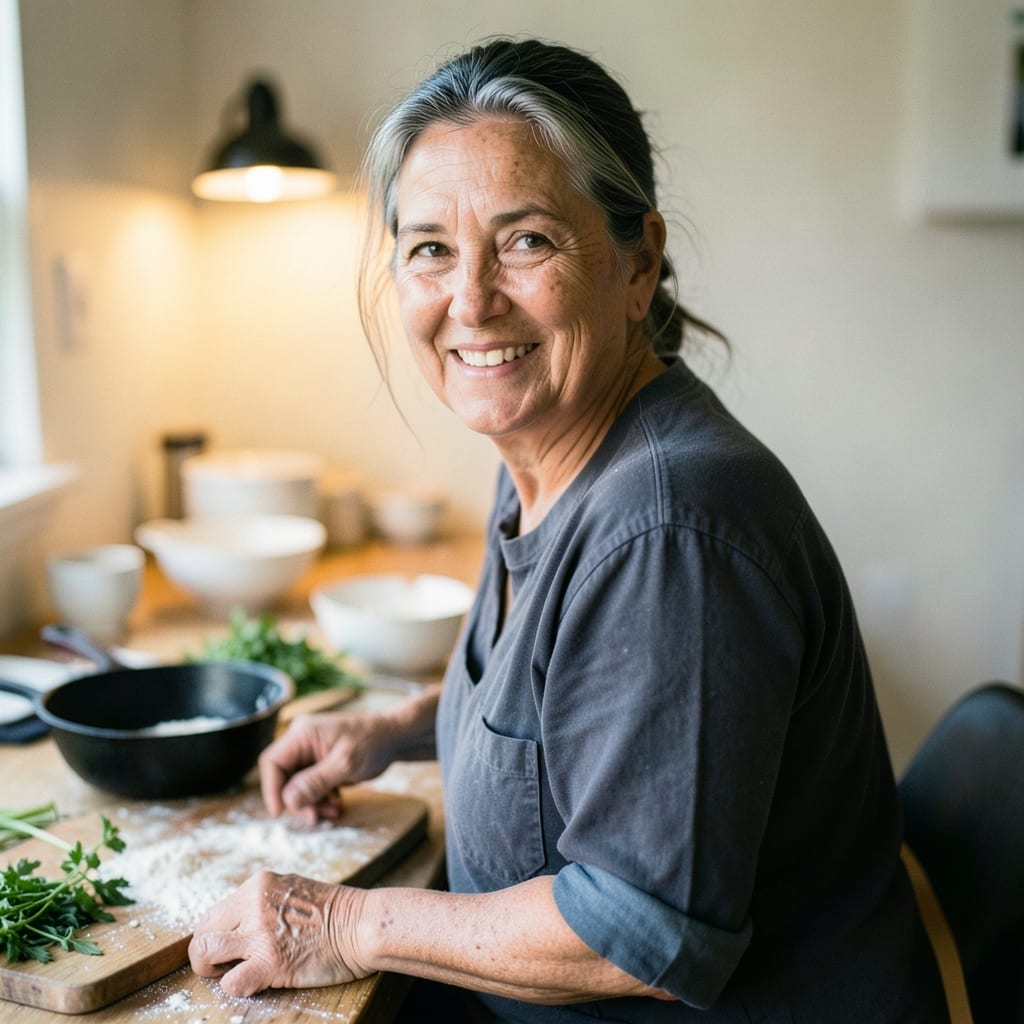
That stubborn starter belongs to Trisha Montoya, the founder and editor of *Bread Recipes Bakery*. She’s the one who spent those winter nights in Albuquerque, kneading dough until her hands were raw, only to watch it collapse in the oven.
Now, she’s the person who makes sure every recipe here has been tested until it’s reliable—no shortcuts, no assumptions.
She’s the kind of person who doesn’t just try something once. Whether it’s baking, gardening, or fixing a broken appliance, she keeps going until it’s right.
Her abuela noticed it first, back when Trisha was a kid reaching for the counter in her kitchen. ‘Mija,’ she’d say, ‘if you’re going to bake, bake it right.’ That’s the habit that led her to this site.
When she’s not baking, you’ll find her in the desert outside the city, where the air is dry and the stars are sharp. She grows chiles and cacti, and she swears they teach her the same lessons as bread—patience, attention, and the quiet satisfaction of something that took time.
This site exists because of that first failed starter. It’s proof that even the simplest things—like a lump of dough and flour—can change everything if you’re willing to keep trying.
Everything here is written the way that starter was
Every recipe on this site has been tested the same way—nine times, sometimes more—until it works under real conditions. We don’t just write down the steps; we record the failures, the adjustments, and the small details that make the difference between a good loaf and a great one.
That’s how we know what to tell you.
If a recipe doesn’t work the first time, we don’t publish it. Instead, we go back to the kitchen, tweak the variables, and try again. The notes from those attempts—what went wrong, what we changed, what finally worked—are all part of the process. You won’t find vague instructions here.
You’ll find the exact measurements, the precise timing, and the lessons learned along the way.
Even months after a recipe is published, we’ll test it again if something doesn’t add up. Baking is never static, and neither are we. That’s why every page here carries the mark of that first stubborn starter—because we know what it takes to make it right.
What that means for you
You can expect recipes that work the first time—because we’ve already put in the work to make sure they do. No guesswork, no shortcuts, and no excuses. If something doesn’t turn out right, you’ll know exactly what went wrong and how to fix it, because we’ve been there too.
What you won’t find here are perfect, untouchable recipes. You won’t find vague advice or step-skipping shortcuts. What you *will* find is the same attention to detail that went into that first loaf of bread—because good baking, like good cooking, is about the process as much as the result.
We’d love to hear about it. Send us the details—what went wrong, what you changed, and what you’d try next. Your experience might just help someone else avoid the same mistake.
If you’ve got questions, ideas, or just want to share your own baking struggles, the contact page is where to go. We’re here to help—and to keep learning, just like that first stubborn starter.
The recipes are grouped by category: Appetizers, Beverages, Breakfast & Brunch, Desserts, Main Courses and Reviews.