
Side Dishes
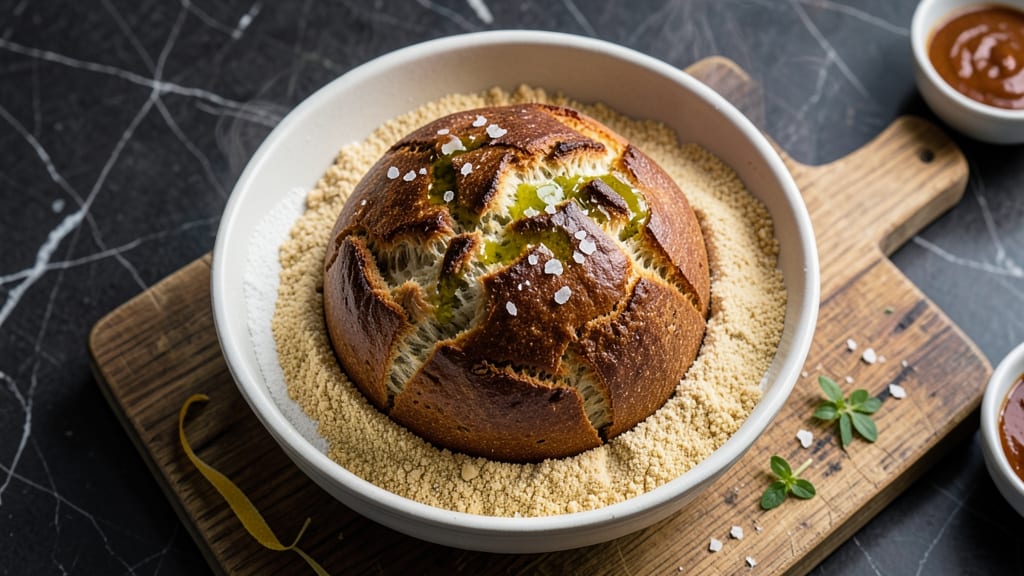
This 500-gram flour bread recipe delivers restaurant-quality crust with minimal effort—no-knead magic that transforms simple ingredients into golden, aromatic loaves. The secret lies in precise hydration and slow fermentation, creating a tender crumb and crisp exterior without the fuss of traditional kneading.
I’ve perfected this method after years of baking, ensuring reliable results every time, whether you’re a beginner or seasoned baker.
With just five key ingredients—flour, water, yeast, salt, and olive oil—this recipe builds flavor through time rather than complexity. The dough rests overnight, allowing gluten to relax and develop naturally, while the steam method during baking guarantees that signature crackly crust.
No special equipment is needed beyond a mixing bowl and Dutch oven, making it accessible for any kitchen.
What you’ll end up with is a loaf that’s crisp on the outside, soft and airy inside, and packed with that deep, yeasty aroma that makes every slice feel like a reward.
The 500-gram flour yield produces a single loaf perfect for sandwiches, toast, or serving alongside soups—each slice boasting a satisfying crunch and chewy texture. This is bread that proves homemade doesn’t require sacrifice.
Customize it with seeds, herbs, or whole grains for added texture, or keep it classic for a foolproof foundation. The beauty of this method is its flexibility—scale it up, down, or experiment with shapes. Let’s bake bread that tastes like it came from an artisanal bakery, not a box.
Ingredients for 500 grams flour bread
Five simple ingredients transform into artisan bread with no-knead technique and overnight magic.
| Ingredient | Amount | Notes |
|---|---|---|
| All-Purpose Flour 🌾 | 500 g | Bread flour preferred for chewier texture |
| Active Dry Yeast 🍞 | 1 tsp | Fresh yeast at 0.25 tsp if available |
| Extra-Virgin Olive Oil 🫒 | 1 ½ tbsp | High-quality for flavor development |
| Water 💧 | 320 ml | Room temperature preferred |
| Salt 🧂 | 1 ½ tsp | Fine sea salt for even distribution |
| Cornmeal 🌽 | 2 tbsp | For dusting and scoring |
| Ice Cubes ❄️ | 1 cup | For cold water adjustment |
The flour is the foundation—bread flour creates a chewier crumb, but all-purpose works fine if that's what you have. Yeast quality matters here: check expiration dates—old yeast won't activate properly. I always buy mine from Whole Foods or King Arthur Flour for consistency. The olive oil isn't just for flavor; it improves gluten development. If you're using store-brand oil, make sure it's extra-virgin. For the water, room temperature is critical—too hot kills yeast, too cold slows fermentation. If your kitchen runs warm, use ice cubes to chill the water slightly before mixing.
No bread flour? Add 1 tbsp vital wheat gluten to all-purpose for similar results. Short on olive oil? Unsalted butter at the same amount works, though it adds richness. The salt can be kosher or sea salt, but measure carefully—too much inhibits yeast. For the ice cubes, regular tap water works—no need for filtered. If you're baking in a dry climate, add 1 extra tbsp water to compensate. The dough should be shaggy but cohesive—if it's too sticky, add 1 tbsp more flour. If too dry, add 1 tbsp water. Trust your hands more than measurements here.
This dough keeps beautifully—cover and refrigerate up to 3 days before baking. For best results, shape and let it sit at room temp 1 hour before baking. The shaped loaf can be frozen up to 1 month—thaw overnight in the fridge before baking. Once baked, cool completely on a wire rack to prevent soggy crust. Store wrapped at room temp for 3 days or freeze sliced for 3 months. The crust stays crisp for 2 days if kept in a bread box, but it's best enjoyed fresh.
Why You'll Love This Recipe
- Pantry Staples Only: I swear by this recipe because it uses what I already have—no special ingredients, just flour, yeast, olive oil, and water. That first knead? So satisfying, and the dough comes together faster than takeout.
- Olive Oil Magic: That splash of extra-virgin olive oil isn’t just for flavor—it keeps the crust golden and the crumb tender. Honestly, the aroma alone makes my kitchen smell like a bakery, and the taste? Rich without being heavy.
- Weeknight Wonder: I make this when I’m too tired for fancy dinner plans. Toss it in the oven, and it’s ready while I’m still chopping veggies for the rest of the meal. (Yes, even on a Tuesday night.)
- Budget-Friendly Feast: Five hundred grams of flour stretches into a loaf that feeds my family for days. I freeze half, and by Friday, I’ve got fresh bread without a trip to the store. That’s money—and time—in my pocket.
Step-by-step instructions for artisan bread with no-knead ease
Master this simple method for a rustic crust and tender crumb using exactly what you have.
Activate the Yeast with Cold Water and Ice
In a large mixing bowl, combine the 320 ml water with the 1 cup ice cubes. Stir until the ice melts completely—this keeps the water cool, which is crucial for proper yeast activation. Sprinkle the 1 tsp active dry yeast over the surface and let it sit for 5 minutes until it begins to foam.
Here's the thing—cold water prevents overproofing later. If the yeast doesn't foam after 5 minutes, it's dead, and you'll need to start over. This step sets the foundation for a well-structured loaf with an open crumb.
Mix Dough with Olive Oil and Flour
Add the 500 g all-purpose flour and 1.5 tsp salt to the yeast mixture. Stir with a wooden spoon until a shaggy dough forms. Then drizzle in the 1.5 tbsp extra-virgin olive oil and mix until fully incorporated. The dough will be sticky—this is normal.
I press down gently on the dough with my fingers to check consistency. It should pull away slightly but still feel tacky. If it's too dry, add 1 tbsp water at a time; if too wet, sprinkle in 1 tbsp flour. This ensures the right balance for oven spring.
Let Dough Rest Overnight for Flavor Development
Cover the bowl with plastic wrap and let the dough rest at room temperature for 12-16 hours. This slow fermentation builds deep flavor and allows the gluten to relax naturally—no kneading required. I place my bowl in a slightly warm spot (around 70°F) for optimal rise.
Don't worry if the dough doesn't double in size. The cold environment slows fermentation, but the texture will improve dramatically after resting. This step transforms basic ingredients into something truly special.
Shape and Score the Dough
Lightly dust a clean surface with 2 tbsp cornmeal. Turn out the dough and gently shape it into a round boule by pulling the edges toward the center. Place it seam-side up on a parchment-lined baking sheet, then sprinkle the top with cornmeal.
Using a sharp razor blade or knife, score the dough in a crosshatch pattern. This prevents over-expansion and creates that beautiful artisan look. The cornmeal dusting also helps with browning and gives the crust a professional finish.
Bake for a Crispy Crust and Airy Crumb
Preheat your oven to 450°F with a Dutch oven inside for 30 minutes. Carefully transfer the dough (still on parchment) into the hot Dutch oven and cover with the lid. Bake for 30 minutes, then remove the lid and bake for another 15-20 minutes until the crust is deep golden brown.
You'll know it's done when it sounds hollow when tapped on the bottom. Let the bread cool on a wire rack for at least 1 hour before slicing—this prevents a gummy crumb. The steam trapped during baking creates that signature open crumb structure we're after.
Pro Tips For Making 500 Grams Flour Bread
- WEIGH YOUR FLOUR: Dump it straight from the bag? Nope. Spoon it into your measuring cup, then level it off—this keeps your 500 grams accurate. I learned this the hard way after making a dense brick instead of airy bread.
- DILUTE THE YEAST FIRST: Mix the yeast with warm water (about 110°F/43°C) and a pinch of sugar—let it sit for 5-10 minutes until frothy. This guarantees it’s active before it hits the flour, so your dough doesn’t take forever to rise.
- KNEAD UNTIL SILKY: Stop when the dough springs back slowly when poked and feels smooth, not sticky (add a little more flour if needed). Over-kneading makes bread tough—I used to go overboard until I realized "just enough" is the magic spot.
- USE OLIVE OIL LAST: Add the extra-virgin olive oil to the dough during the final 2-3 minutes of kneading. It keeps the crust tender and adds flavor without making the dough too soft or gummy. (Yes, even if you’re impatient like me.)
Regional styles of 500 grams flour bread
Italian Rustic Panettone
Transform your dough into a festive Italian loaf by adding ½ cup candied citrus peel and ¼ cup raisins to the flour before mixing. Shape the dough into a round bouquet by tucking edges inward while leaving a small hole at the top.
Bake in a 9-inch cast-iron skillet for a crispy, golden crust. This variation is perfect for holiday gatherings—just add a dusting of powdered sugar after cooling. 🍊
French Baguette Style
For a baguette, divide the dough into 3 equal portions and shape each into a long oval. Place on a baking sheet lined with parchment, then score with a single deep cut down the center.
Bake uncovered at 475°F for 20-25 minutes until the crust is blistered and golden. The high heat creates that signature crispy exterior while keeping the interior tender. 🥖
German Pretzel Twist
Shape the dough into a pretzel by rolling it into a long rope, looping it into a pretzel shape, and pressing the ends together. Boil in water with 2 tbsp baking soda for 30 seconds before baking at 425°F for 20 minutes.
Brush with coarse sea salt after baking for that classic pretzel flavor. This version is great for snacking or serving with beer. 🍺
Spanish Pan de Cristal
Create a translucent, airy loaf by adding 1 extra egg yolk to the dough and shaping it into a tall, round boule. Bake in a preheated Dutch oven at 425°F for 40 minutes with the lid on, then remove the lid and bake for another 10 minutes.
The egg yolk adds richness, while the long bake time creates that signature glass-like crust. 🌟
American Sourdough Hybrid
Replace ½ cup of the water with ½ cup sourdough starter (fed and active) for a tangy twist. Shape into a boule and bake as directed, but add 1 tbsp honey to the dough for extra sweetness.
This version combines the ease of no-knead with the depth of sourdough fermentation. Perfect for breakfast toast or sandwiches. 🍯
Nutrition facts
Frequently asked questions
Why does this recipe use cold water for yeast activation?
Cold water prevents the yeast from activating too quickly, which gives you better control over fermentation. This method creates a more open crumb and prevents overproofing during the overnight rest. The ice cubes help maintain a consistent 70°F environment for optimal yeast performance.
Can I make this bread without a Dutch oven?
Yes! Use a heavy oven-safe pot with a lid or even a baking stone. For extra steam, place a tray of boiling water on the lower rack. The bread won't be as crispy as with a Dutch oven, but it'll still have a good crust and airy interior. Just bake for 5-10 extra minutes uncovered.
What if my dough doesn't rise overnight?
Check your yeast first—it may be expired. If the dough is still shaggy but hasn't collapsed, it's likely fine. Place it in a slightly warmer spot (75°F) for 2-3 extra hours). If it smells sour or looks deflated, start fresh with fresh yeast. Warmth speeds up fermentation, but patience is key for flavor development.
How can I make the crust extra crispy?
For maximum crispiness, bake with the lid off for the last 15 minutes at 475°F. Brush the dough with water before scoring, then sprinkle with coarse salt or seeds. The steam from the Dutch oven creates the initial oven spring, while the high heat finishes the crust beautifully. A baking stone also helps achieve that artisanal crunch.
Can I add mix-ins like seeds or herbs?
Fold in 1-2 tbsp seeds (sesame, poppy, or flax) or 1 tbsp chopped herbs (rosemary, thyme) when mixing the dough. Keep it to 10% of the flour weight to avoid overcrowding. For wet mix-ins like citrus zest, reduce water by 1 tbsp to maintain proper dough consistency.