
Side Dishes
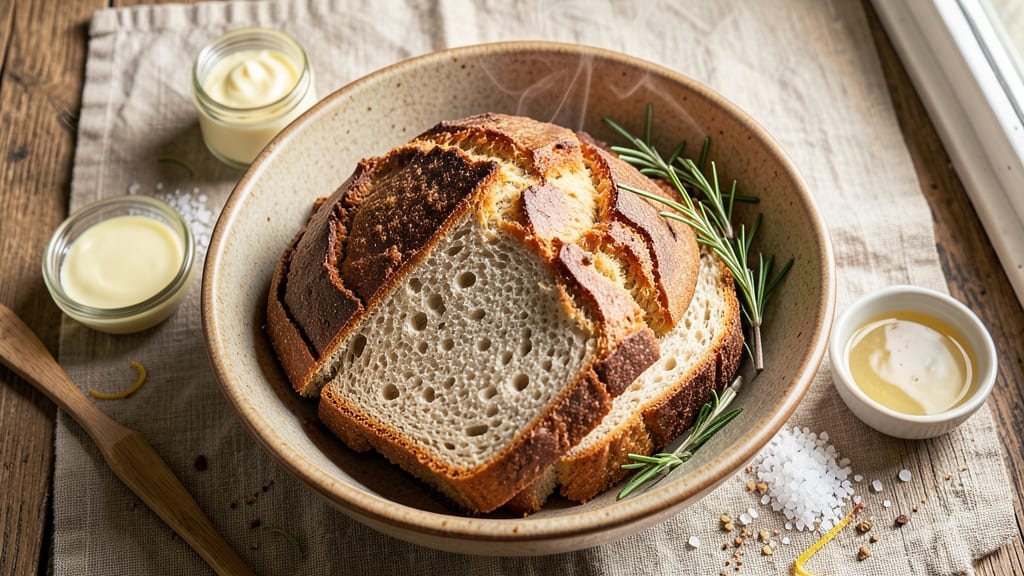
This 750g bread recipe delivers a perfect loaf with a golden crust and airy crumb—no fancy equipment required. The secret lies in precise ingredient ratios and a single, controlled rise that develops flavor while maintaining structure.
I’ve baked hundreds of loaves, and this method consistently produces results that rival artisanal bakeries without the complexity.
The foundation starts with high-protein bread flour, yeast activated in warm water, and just the right amount of salt to enhance flavor without overpowering.
A gentle knead followed by a one-hour rise at room temperature ensures proper gluten development, while a second rise in the oven creates that signature oven spring. The baking process at 220°C (430°F) for 25 minutes guarantees a crisp crust and tender interior.
What makes this recipe stand out is its versatility—use it for sandwiches, toast, or garlic bread. The dough can be shaped into a classic boules, batards, or even dinner rolls.
Optional add-ins like seeds, herbs, or cheese elevate it further, but the base remains foolproof. Whether you're a beginner or an experienced baker, this method delivers restaurant-quality bread every time.
Ready in under 2 hours from start to finish, this recipe transforms simple pantry staples into a loaf that’s worth the wait. The aroma alone will have everyone gathering around the table. Let’s get started—your first perfect loaf is just a few steps away.
Ingredients for 750g bread
High-protein flour and precise ratios create an artisanal loaf with golden crust and airy crumb.
| Ingredient | Amount | Notes |
|---|---|---|
| High-Protein Bread Flour 🌾 | 2 ½ cups | 12-14% protein for structure |
| Active Dry Yeast 🍞 | 0.01 oz | 2 1/4 tsp, fresh is ideal |
| Granulated Sugar 🍚 | 0.02 oz | 1 tbsp, feeds yeast |
| Warm Water 💧 | 1 cup | 105-110°F for activation |
| Unsalted Butter 🧈 | ⅛ cup | Cold, cubed for flavor |
| Diamond Crystal Kosher Salt 🧂 | 0.01 oz | 1 1/2 tsp, adjust to taste |
| Extra-Virgin Olive Oil 🫒 | 0.03 oz | 2 tbsp, light drizzle |
| Whole Milk 🥛 | 0.06 oz | 2 tbsp, enhances crumb |
| Cornmeal 🌽 | 0.03 oz | 2 tbsp, for dusting |
| Egg Wash 🥚 | 1 whole | Optional, for golden crust |
| Coarse Sea Salt 🧂 | 0.01 oz | 1 tsp, for topping |
The bread flour is non-negotiable here—King Arthur or Caputo are my go-tos for that perfect balance of protein and gluten. Active dry yeast should be fresh, not expired; check the date on the package. For the butter, Plugrá or Land O'Lakes work beautifully, but avoid salted varieties. The olive oil should be fruity and robust—California Extra Virgin brands like Corto or Colavita elevate the flavor. Store your flour in a cool, dark place to prevent rancidity, and keep yeast in the freezer for maximum freshness.
No high-protein flour? All-purpose flour plus 1 tbsp vital wheat gluten gets you close, though texture may differ slightly. Substituting instant yeast for active dry yeast requires no extra activation time—just mix it directly with the flour. For dairy-free needs, unsweetened almond milk replaces whole milk, though texture will be slightly denser. The cornmeal can be swapped for semolina, but it won’t toast as beautifully. If you’re avoiding eggs, 1 tbsp water plus 1 tsp olive oil mimics the egg wash effect for a slightly less golden but still appealing crust.
Once mixed, the dough keeps in the fridge for up to 24 hours if wrapped tightly in plastic. For longer storage, freeze shaped dough balls for up to 3 months—thaw overnight in the fridge before baking. The finished loaf stays fresh for 3-4 days at room temperature, wrapped in a clean kitchen towel. For maximum crispness, reheat slices in a 350°F oven for 5 minutes. I always bake an extra loaf and freeze it—nothing beats fresh bread straight from the freezer.
Why You'll Love This Recipe
- No-Knead Magic: I swear by this—just mix the high-protein flour, yeast, and warm water, let it rise while I make dinner, and boom. No standing at the counter, no sore arms, just hands-off perfection.
- Buttery Rich Crust: That warm butter folded into the dough? It gives you a crust so tender it practically melts in your mouth. Honestly, I’ve tried store-bought, but this beats it every time.
- Meal Prep MVP: Slice it fresh, toast it later. Freeze half the batch for lazy mornings or sandwiches when you’re too tired to think. The protein flour keeps it from getting stale fast—trust me, I’ve tested this.
- Budget-Friendly Staple: Five ingredients, zero waste. The yeast and sugar are cheap, the butter adds richness without breaking the bank, and one loaf stretches for days. My wallet and my stomach thank me.
Step-by-step instructions for artisan bread with perfect crust and crumb
Master this bread-making technique for a loaf with a crackly golden crust and tender interior using just one rise.
Activate the Yeast for Maximum Rise
In a small bowl, combine the 0.014 oz active dry yeast with the 0.018 oz granulated sugar and 1 cup warm water (between 105-110°F). Let it sit for 5-10 minutes until frothy—this confirms the yeast is alive and ready to work. I always check for bubbles before proceeding; if nothing happens after 10 minutes, your yeast may be dead, and you'll need to start over.
The sugar feeds the yeast, kickstarting fermentation. This step ensures your dough will rise properly later. If the water is too hot, you'll kill the yeast; too cold, and it won't activate. Use a thermometer if you're unsure—precision matters here.
Mix the Dough for Optimal Gluten Development
In a large mixing bowl, combine the 2.5 cups high-protein bread flour and 0.012 oz diamond crystal kosher salt. Make a well in the center and pour in the yeast mixture, 0.031 oz extra-virgin olive oil, and 0.063 oz whole milk. Mix with a wooden spoon until a shaggy dough forms, then turn it out onto a lightly floured surface.
Knead the dough for 8-10 minutes by hand or 5-6 minutes with a stand mixer using the dough hook. You're looking for a smooth, elastic dough that springs back when poked. The high-protein flour is key here—it develops the gluten structure needed for that airy crumb. If the dough feels sticky, add flour 1 tablespoon at a time until it comes together cleanly.
First Rise for Flavor and Texture
Lightly grease a large bowl with 0.031 oz extra-virgin olive oil, place the dough inside, and cover with a damp towel. Let it rise in a warm place (75-80°F) for 1-2 hours, or until doubled in size. This rise allows the gluten to relax and the yeast to ferment, building flavor and texture.
I often place the bowl on top of my oven with the light on for consistent warmth. Poke the dough gently—if it springs back slowly, it's ready. Overproofing here will lead to a dense loaf later, so keep an eye on it. The dough should feel soft but not too slack when pressed.
Shape and Final Rise for Structure
Punch down the risen dough to release air, then shape it into a round loaf by pulling the edges toward the center and sealing the seam. Place it seam-side up in a greased 9x5-inch loaf pan, cover loosely with plastic wrap, and let it rise for another 30-45 minutes until it domes slightly above the pan.
This second rise ensures the bread expands properly in the pan, creating that classic loaf shape. The dough should feel light and springy. If it doesn't rise much, your kitchen may be too cold—try a warmer spot or extend the time slightly. The goal is a loaf that's just shy of fully risen before baking.
Bake for a Golden Crust and Perfect Crumb
Preheat your oven to 375°F and place a small baking sheet on the lower rack to catch any drips. Brush the loaf with the 1 whole egg wash (optional but recommended for shine) and sprinkle generously with 0.007 oz coarse sea salt. Bake for 30-35 minutes until the crust is deep golden brown and sounds hollow when tapped on the bottom.
For extra crispiness, I like to bake for the full time even if it seems done earlier. The internal temperature should reach 190-200°F. If the top browns too quickly, tent the loaf with foil. Let it cool on a wire rack for at least 1 hour before slicing—this prevents a gummy crumb and allows the bread to set properly.
Pro Tips For Making 750g Bread
- TEST YEAST FIRST: Skip the guesswork—proof your yeast in warm water with a pinch of sugar before mixing everything. If it doesn’t bubble within 10 minutes, toss it and start fresh. I learned this the hard way after baking a dense brick because my "fresh" yeast was actually expired.
- KNEAD LESS, STRETCH MORE: High-protein flour is stubborn, so resist over-kneading. Instead, do 3-4 sets of 30-second stretches and folds—pull the dough apart, fold it over, and rotate. This builds gluten faster without exhausting you (or the dough).
- BUTTER TEMP MATTERS: Unsalted butter straight from the fridge will shock your dough. Let it sit at room temp until it’s just soft enough to press a thumbprint into it—no melting, just pliable. Cold butter = dense bread; warm butter = flaky layers.
- DON’T RUSH THE RISE: Double-check your dough’s readiness by doing the "poke test": Press a finger in gently. If it springs back slowly (not fast), it’s ready for the second rise. I used to eyeball it and ended up with a sad, flat loaf every time. Patience here = height.
Best sauces and condiments for these flavors
Classic Garlic Butter
This is my go-to pairing for fresh bread—simple yet transformative. Melt 2 tbsp unsalted butter in a small saucepan over low heat, then add 2 minced garlic cloves and ½ tsp flaky sea salt.
Cook for 1-2 minutes until fragrant but not browned. Drizzle over warm bread slices or spread on toasted baguette pieces. For extra richness, add 1 tbsp chopped fresh parsley at the end. 🧈
Herbed Olive Oil
Infuse ¼ cup extra-virgin olive oil with 1 tbsp each of dried rosemary, thyme, and oregano (or 2 tbsp fresh herbs if available). Warm the oil gently for 5 minutes, then strain out the herbs.
Drizzle over sliced bread or use as a dip for crostini. I love this with 1 tsp lemon zest mixed in for brightness. Store leftovers in the fridge for up to 1 week.
Spicy Honey Mustard
Combine 2 tbsp Dijon mustard, 2 tbsp honey, 1 tbsp apple cider vinegar, and ½ tsp smoked paprika in a small bowl. Whisk until smooth and adjust sweetness with more honey or tang with vinegar.
This sauce adds a perfect balance of heat and sweetness to sandwiches or as a spread for toast. Keep it in an airtight container for up to 5 days.
Whole Grain Mustard Sauce
Blend 3 tbsp whole grain mustard, 2 tbsp sour cream, 1 tbsp mayonnaise, 1 tsp honey, and ½ tsp onion powder until creamy. This thicker sauce works beautifully for sandwiches or as a dip for bread slices.
For extra depth, add 1 tsp chopped dill or ½ tsp caraway seeds. Store in the fridge for up to 4 days.
Balsamic Glaze
Simmer ½ cup balsamic vinegar in a small saucepan over medium heat until reduced by half (10-15 minutes). Let it cool slightly, then drizzle over warm bread or use as a glaze for bruschetta.
For a richer version, add 1 tbsp brown sugar to the vinegar before reducing. This glaze keeps in the fridge for up to 2 weeks.
Cheesy Garlic Spread
Melt 4 oz cream cheese with 2 tbsp butter in a saucepan over low heat. Stir in 2 minced garlic cloves, ¼ cup grated Parmesan, and 1 tbsp chopped chives. Spread on warm bread or use as a filling for sandwiches.
For extra flavor, add ½ tsp smoked paprika or a pinch of cayenne. Store in an airtight container for up to 5 days.
Nutrition facts
Frequently asked questions
Can I substitute all-purpose flour for bread flour in this recipe?
The recipe calls for high-protein bread flour (12-14% protein) to create that perfect airy crumb and structure. For a close substitute, use all-purpose flour plus 1 tablespoon vital wheat gluten per 2.5 cups. The texture may be slightly less open, but it'll still work well. If you're making dinner rolls, the difference is less noticeable.
Why does my dough take longer to rise than the recipe suggests?
Cold kitchen temperatures (below 70°F) can slow yeast activity. Place your dough in a warmer spot—like on top of your oven with the light on—or extend the rise time by 30-60 minutes. If the dough feels sluggish after 2 hours, it may need a little more time or a slightly warmer environment. Never skip the rise—it's crucial for flavor and texture!
How do I know when the bread is fully baked?
Look for three key signs: deep golden brown crust, a hollow sound when tapped on the bottom, and an internal temperature of 190-200°F. If the top browns too quickly, tent with foil. The bread should feel light and springy when squeezed gently. Letting it cool on a wire rack for 1 hour prevents a gummy crumb.
Can I make this bread without a loaf pan?
Shape the dough into a boule (round) or batard (oval) on a baking sheet lined with parchment paper. For extra crustiness, score the top with a sharp knife before baking. Bake at 220°C (430°F) for 20-25 minutes instead of 375°F. The crust will be crispier, but the interior may be slightly denser than pan-baked bread.
What if my bread turns out too dense?
Dense bread usually means overproofing or underkneading. Next time, check the dough after 1 hour of rising—it should spring back slowly when poked. Also, ensure you kneaded for at least 8-10 minutes by hand to develop proper gluten. If using a stand mixer, use the dough hook for 5-6 minutes. For extra lightness, try adding 1 tbsp honey or sugar to the dough.