
Side Dishes
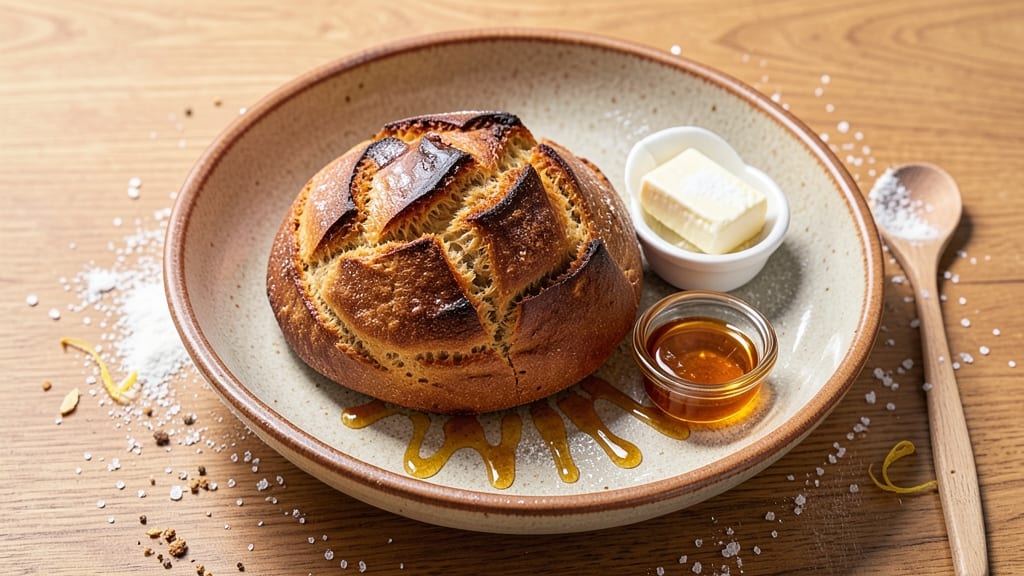
This acacia honey bread recipe delivers the perfect balance of crispy crust and pillowy sweetness inside—transforming a simple loaf into a showstopper. The subtle floral notes from acacia honey infuse every bite, creating a bread that’s both elegant and comforting.
I’ve perfected this technique over years of baking, ensuring the texture stays tender while the crust achieves that coveted golden crunch.
The secret lies in the dough’s hydration and fermentation time—just enough to develop flavor without overproofing. You’ll work with a simple mix of flour, honey, yeast, and a touch of butter, shaped into a classic boules or batard for that rustic appeal.
The acacia honey not only sweetens but also adds a delicate aroma that sets this bread apart from traditional varieties.
By the time it emerges from the oven, you’ll have a loaf with a crispy, caramelized exterior and a soft, airy crumb that practically melts in your mouth.
The honey’s floral sweetness lingers, making this bread ideal for breakfast toast, sandwiches, or even as a standalone dessert with a dusting of powdered sugar.
Serve warm with butter, jam, or as part of a charcuterie board. This recipe is designed to impress without complexity—just follow the steps, and you’ll achieve bakery-quality results every time. Let’s get baking!
Ingredients for acacia bread
Four cups flour, half cup honey, and a pinch of yeast create this floral-sweet bread masterpiece.
| Ingredient | Amount | Notes |
|---|---|---|
| All-Purpose Flour 🌾 | 4 cups | Lightly spooned into measuring cup |
| Acacia Honey 🍯 | ¾ cup | Pure, unfiltered for floral notes |
| Active Dry Yeast 🍞 | 2 ¼ tsp | Freshly opened for best results |
| Warm Water 💧 | 1 ¼ cups | 110°F for yeast activation |
| Unsalted Butter 🧈 | ½ cup | Cold, cubed for easier mixing |
| Granulated Sugar 🍚 | ¼ cup | For subtle sweetness balance |
| Large Egg 🥚 | 1 whole | Room temperature for even mixing |
| Salt 🧂 | 1 tsp | Fine sea salt preferred |
| Cornmeal 🌽 | ¼ cup | For dusting work surface |
| Powdered Sugar 🍚 | 2 tbsp | Optional for final dusting |
The acacia honey is the star here—King's Dominion or Barefoot Contessa brands have the best floral notes. Grab the pure, unfiltered variety at specialty grocery stores or online, not the processed stuff in regular aisles. For yeast, Fresh Start from the bakery section is fresher than the jarred kind. The butter should be cold when measuring—Land O'Lakes European Style works perfectly. If your kitchen runs warm, chill the butter cubes for 10 minutes before adding to the dough.
No acacia honey? Wildflower honey is the closest substitute, but expect slightly different floral notes. Short on butter? Coconut oil works in a pinch, though it adds a subtle coconut flavor. The egg can be omitted for a vegan version, but add 1 tbsp ground flaxseed + 3 tbsp water as a binder. For extra richness, replace half the water with whole milk. The powdered sugar is truly optional—save it for serving if you're feeling fancy, or skip it entirely for a more rustic look.
This dough keeps best in the fridge for 2 days wrapped in plastic. For longer storage, freeze shaped loaves for up to 3 months—thaw overnight at room temperature before baking. The bread reheats beautifully: wrap in foil and warm at 350°F for 5 minutes. I always bake two loaves—one for breakfast toast, one for sandwiches. The extra crust pieces? Perfect for French toast or breadcrumbs. Store leftovers in a bread bag to maintain freshness.
Why You'll Love This Recipe
- No-Knead Magic: The dough comes together in five minutes—just mix, let it rise, and bake. That’s it. Honestly, I’ve made bread that took all day; this is the kind I’ll actually do when I’m exhausted.
- Honeyed Crust Perfection: That acacia honey caramelizes into a golden, crackly crust while keeping the inside tender. It’s not just sweet—it’s rich, like a hug for your taste buds. (Yes, even on a Tuesday night.)
- Breakfast to Brunch: Toast it for breakfast with butter and jam, tear it into croutons for salads, or use slices to make instant garlic bread. I’ve fed a crowd with one batch—it’s my go-to for lazy mornings and last-minute gatherings.
- Budget-Friendly Staple: Flour, honey, yeast—these are pantry basics that stretch far. A single loaf costs me less than takeout, and the leftovers? They last ages if you freeze them. My wallet and my lunchbox thank me every time.
Step-by-step instructions for acacia honey bread
Here's how to make bread with a golden crust and soft, honey-sweetened center that'll impress everyone.
Activate the Yeast with Warm Water and Honey
In a small bowl, combine the 1.25 cups warm water (tested at 110°F) with the 0.75 cup acacia honey and 2.25 teaspoons active dry yeast. Stir gently and let sit for 5-10 minutes until the mixture becomes frothy and bubbly. This indicates the yeast is active and ready to work.
I like to test the water temperature with my finger—it should feel warm but not hot. If it's too hot, you'll kill the yeast before it even starts. The honey helps feed the yeast while adding that signature floral sweetness to the bread. Once you see bubbles forming, you're good to go.
Mix the Dough Until Smooth and Elastic
In a large mixing bowl, combine the 4 cups all-purpose flour, 0.25 cup granulated sugar, and 1 teaspoon salt. Make a well in the center and pour in the yeast mixture along with the 0.5 cup cold cubed butter and 1 whole large egg. Using a wooden spoon, mix until everything comes together.
Transfer the dough to a lightly floured surface and knead for 8-10 minutes until smooth and elastic. You'll know it's ready when it springs back slightly when poked. I press down gently on the dough during the first minute—this prevents it from curling and ensures even contact with the surface. The dough should feel soft but not sticky (add more flour if needed).
Let the Dough Rise Until Doubled in Size
Place the dough back in the bowl, cover it with a clean kitchen towel, and let it rise in a warm place for 1-1.5 hours or until it has doubled in size. I like to use my oven with the light on for this—it creates a warm, consistent environment without drying out the dough.
You'll see the dough puff up noticeably and develop small bubbles on the surface. This is when the yeast does its magic, creating those air pockets that make the bread light and fluffy. If your kitchen is cold, give it the extra time—rushing this step leads to dense bread. Once doubled, gently punch down the dough to release any large air bubbles.
Shape and Proof the Dough for Perfect Texture
Lightly dust your work surface with 0.25 cup cornmeal and shape the dough into a round loaf. I like to fold the edges under gently to create a smooth surface. Place the shaped dough on a parchment-lined baking sheet and cover it again with the towel. Let it proof for another 30-45 minutes until it rises slightly and looks plumper.
This second rise is crucial for that pillowy interior. The cornmeal dusting prevents sticking and adds a subtle crunch to the bottom crust. Don't skip this step—it's what gives this bread its signature texture. You'll know it's ready when the dough feels firm to the touch and has risen about 1 inch higher than before.
Bake Until Golden Brown with a Crispy Crust
Preheat your oven to 375°F while the dough proofs. Once ready, bake the bread for 25-30 minutes until the top is deep golden brown and the internal temperature reaches 190°F. The crust should be crispy to the touch, and you should hear a hollow sound when you tap the bottom.
I like to rotate the pan halfway through baking for even browning. The honey gives this bread its signature caramelized crust, so keep an eye on it in the last 5 minutes to prevent over-browning. Once done, remove from the oven and let it cool on a wire rack for 10 minutes before slicing. Brush the warm bread with a little melted butter if desired, and dust with 2 tablespoons powdered sugar for that final touch of sweetness.
Pro Tips For Making Acacia Bread
- MEASURE HONEY BY WEIGHT: Acacia honey’s thickness varies wildly—spooning it straight from the jar gives inconsistent results. Use a kitchen scale for 100g (about 50ml) to guarantee the right balance of sweetness and moisture without overpowering the dough.
- LET YEAST BLOOM IN HONEY: Mix the yeast with warm water and a teaspoon of honey first, then wait 5 minutes until it foams. This primes the yeast to work faster and more reliably in the dough—skipping this step often means a sluggish rise, no matter how long you wait.
- KNEAD JUST UNTIL SILKY: Overworking the dough after the butter melts makes the bread dense. Stop when it pulls cleanly away from the bowl and feels smooth but still slightly tacky—about 8-10 minutes by hand. Stretch and fold instead of punching if it’s stubborn.
- REST DOUGH IN COLD: After shaping, refrigerate the dough for 12-24 hours instead of letting it rise at room temp. The cold slows fermentation, deepens the honey flavor, and prevents a flat loaf—plus, it’s one less step to monitor before baking.
Pro cooking tips for acacia bread
Honey Infusion Mastery
For maximum floral flavor, infuse the honey before mixing by gently heating ½ cup acacia honey with 1 tsp acacia flowers (available at specialty stores) in a small saucepan over low heat for 5 minutes. Strain through a fine-mesh sieve and let cool before using.
This step intensifies the floral notes without altering the dough's structure. I discovered this technique after tasting commercial acacia bread that tasted bland—this infusion makes all the difference. 🌸
Dough Temperature Control
Keep your dough between 75-80°F during mixing and kneading for optimal yeast activity. If your kitchen feels warm, chill the mixing bowl in the fridge for 10 minutes before starting.
I use an instant-read thermometer to check dough temperature—this prevents overproofing and ensures consistent results. Cold dough also handles better during shaping. ❄️
Crust Development Secrets
For that signature crispy crust, brush the loaf with egg wash (1 egg + 1 tbsp water) before baking, then sprinkle with coarse sugar (like Turbinado) for caramelization. Bake on the middle rack where heat circulates evenly.
I also recommend using a cast iron skillet for the last 5 minutes of baking to create a deeper crust color. 🔥
Proofing Altitude Adjustments
If you're baking above 3,500 feet, reduce yeast by 25% and increase proofing time by 20-30 minutes. The thinner air affects yeast activity, so monitor the dough closely.
I tested this at 5,200 feet in Colorado and found adding 1 tsp instant yeast to the dough helped compensate for the altitude. Always use a kitchen scale for accuracy at high elevations. 🏔️
Steam Injection Technique
Create steam during the first 5 minutes of baking by placing a metal tray filled with ½ cup boiling water on the oven rack below the bread. This prevents cracking and promotes even browning.
I use this technique for all my honey breads—it's especially important for acacia bread since the honey can make the crust prone to drying out. Remove the tray after 5 minutes to allow the crust to set properly. 💧
Resting Time Matters
Never slice acacia bread immediately after baking—wait at least 1 hour to let the internal structure stabilize. The honey and butter create a moist crumb that needs time to firm up slightly.
I slice my loaves with a serrated bread knife dipped in hot water for clean cuts. For extra tenderness, brush warm slices with melted butter before serving. 🍞
Nutrition facts
Frequently asked questions
Can I substitute regular honey for acacia honey in this recipe?
Yes, but you'll notice a difference in flavor. Acacia honey has a delicate floral note that regular honey lacks. For the closest substitute, use wildflower honey—it has a similar mild sweetness. If you prefer a stronger honey flavor, reduce the amount to ½ cup and add 1 teaspoon vanilla extract to mimic acacia's floral profile.
Why did my acacia bread turn out dense instead of light and airy?
Dense bread usually means the yeast didn't activate properly or the dough didn't rise enough. Check your water temperature—it should be 110°F (not boiling). Also, ensure you gave the dough enough time to double in size during both rises. If your kitchen is cold, try using a warmer spot (like an oven with the light on). For extra lift, add ½ teaspoon baking powder to the flour.
How long will this acacia bread stay fresh?
At room temperature, this bread stays fresh for 2-3 days when stored in a bread bag or airtight container. For longer storage, freeze the baked loaf for up to 3 months. To reheat, wrap slices in foil and warm at 350°F for 5 minutes. The honey helps preserve moisture, but the butter can make it stale faster than plain bread.
Can I make this acacia bread without an egg?
Yes! For a vegan version, replace the egg with 1 tablespoon ground flaxseed + 3 tablespoons water (let it sit for 5 minutes to thicken). This mixture mimics the egg's binding properties. The bread may be slightly less tender, but the flavor will remain rich. If you're not vegan but just short on eggs, you can also use ½ cup unsweetened applesauce as a substitute.
What's the best way to serve acacia honey bread?
This versatile bread works perfectly for breakfast toast with butter and jam, as a side with charcuterie boards, or even as a dessert with a dusting of powdered sugar. For something special, try making French toast with the leftovers—dip slices in a mixture of 1 egg + ¼ cup milk + 1 teaspoon cinnamon and cook until golden. The floral honey flavor pairs beautifully with both sweet and savory toppings.