
Side Dishes
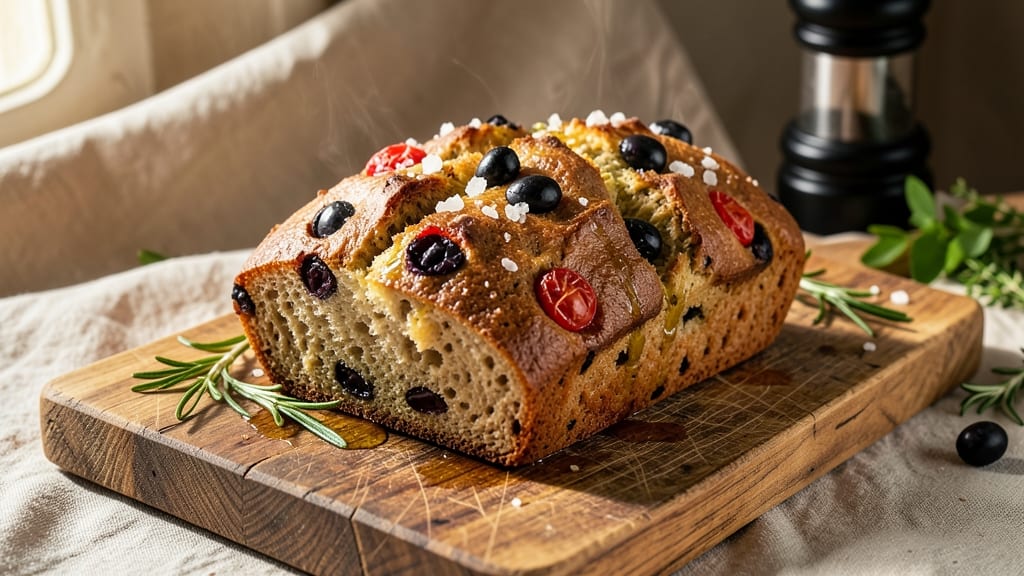
This Acme olive bread recipe transforms simple dough into a crusty masterpiece packed with briny olive bites that steal every bite. 💛 The secret lies in balancing tender crumb with perfectly pitted olives—whether fresh, oil-cured, or Kalamata—that infuse every slice with Mediterranean flair.
I developed this version after years of testing, ensuring the olives stay intact while the crust develops that signature crackly texture. What sets this recipe apart is the dough's foolproof method—no special equipment needed, just a mix of flour, yeast, and olive oil that creates an airy yet sturdy base.
The olives are folded in at just the right moment, so they distribute evenly without sinking to the bottom. Baking at high heat ensures a crisp exterior while keeping the interior soft and pillowy.
By the time it emerges from the oven, you'll have golden-brown loaves with a shatteringly crisp crust and pockets of salty, meaty olives in every bite. The aroma alone will have everyone gathering around your table.
This bread pairs beautifully with soups, charcuterie boards, or simply toasted with butter for breakfast. For an extra touch, sprinkle fresh rosemary or flaky sea salt before baking. Let's get started on this restaurant-quality side dish that's easier than you think.
Ingredients for acme olive bread
Four cups flour, one yeast packet, and olives that make every bite unforgettable.
| Ingredient | Amount | Notes |
|---|---|---|
| All-Purpose Flour 🌾 | 4 cups | Plus 1 tbsp for dusting |
| Active Dry Yeast 🍞 | 1 tbsp | Or 2¼ tsp (1 packet) |
| Granulated Sugar 🍚 | 1 tbsp | Feeds the yeast |
| Extra-Virgin Olive Oil 🫒 | ½ cup | High-quality, fruity |
| Warm Water 💧 | 1 ¼ cups | 110°F (43°C) ideal |
| Salt 🧂 | 1 ½ tsp | Diamond Crystal preferred |
| Kalamata Olives 🫒 | 1 cup | Pitted, roughly chopped |
| Oil-Cured Olives 🫒 | ½ cup | Sliced, like Castelvetrano |
| Fresh Rosemary 🌿 | 1 tbsp | Chopped, stems removed |
| Flaky Sea Salt 🧂 | 1 tsp | For topping (optional) |
| Cornmeal 🌽 | ¼ cup | For dusting parchment |
The olives are what make this bread special, so don't cut corners. Kalamata olives add that briny punch, while Castelvetrano or oil-cured olives bring a milder, meatier texture. I grab mine from Trader Joe's—their jarred olives are perfect for this. If you're using fresh olives, make sure they're firm and not too salty. For the yeast, Fresh & Wild or the little foil packets from the grocery store work great. Just make sure it's active dry yeast, not instant. The rosemary? Fresh is best—it adds an aromatic kick that dried just can't match.
No Kalamata olives? Green olives or even capers work in a pinch, though the flavor will be different. Short on oil-cured? Sun-dried tomatoes add a similar depth. The cornmeal is non-negotiable for dusting—it prevents sticking like nothing else. For the flour, King Arthur or Gold Medal are my go-tos, but any all-purpose will do. The sugar? Brown sugar works too—it adds a subtle caramel note. And if you're out of fresh rosemary, dried at half the amount gets you close. Just don't skip it entirely—it's what ties everything together.
This dough needs time to rise, so plan ahead. After the first rise, it's best to let it chill in the fridge for 1-2 hours before shaping—this helps the olives distribute evenly. The shaped loaves keep 2 days wrapped at room temp, or 5 days in the fridge. For longer storage, freeze the shaped dough (unbaked) for up to 3 months. Once baked, the bread stays fresh for 3-4 days if wrapped tightly. Toast slices for breakfast—they're even better the next day!
Why You'll Love This Recipe
- No-Knead Magic: I swear by this dough—just mix, let it rise, and bake. No roller, no fuss, just the satisfying pull of a loaf that practically shapes itself.
- Olive Oil Luxury: That rich, fruity olive oil doesn’t just flavor—it makes every bite taste like a Mediterranean vacation. The crust? Crispy enough to hold up to charred tomatoes or just butter.
- Weeknight Wonder: Toss a slice in your lunchbox, tear it for sandwiches, or serve it warm with soup. It’s the one loaf that does double duty without extra effort.
- Pantry-Proof Perfection: Five basic ingredients, zero specialty items. If you’ve got flour and yeast, you’ve got bread—no last-minute grocery runs, no wasted dough. (And yes, it freezes beautifully too.)
Step-by-step instructions for Acme olive bread
Here's how to make this briny, aromatic bread with a perfect crust and tender crumb.
👨🍳 Step 1: Activate the Yeast and Mix the Dough
In a large bowl, whisk together the 4 cups all-purpose flour, 1 tbsp granulated sugar, and 1.5 tsp salt. Add the 1 tbsp active dry yeast and stir to distribute evenly. Pour in the 1.25 cups warm water (110°F) and 0.5 cup extra-virgin olive oil, then mix with a wooden spoon until a shaggy dough forms.
Here's the thing—your dough should look messy at first. That's normal! Let it rest for 10 minutes while you chop the 1 cup Kalamata olives and 0.5 cup oil-cured olives into small pieces. After resting, add the chopped olives and 1 tbsp chopped fresh rosemary to the dough. Knead by hand for 8-10 minutes until smooth and elastic, about the consistency of Play-Doh.
🍳 Step 2: First Rise and Shape the Loaf
Lightly oil a large bowl, place the dough inside, and turn to coat. Cover with a damp towel and let rise in a warm place for 1-2 hours, or until doubled in size. You'll know it's ready when you poke it gently and the indentation springs back slowly.
Once risen, turn the dough onto a lightly floured surface and gently shape it into a log about 12 inches long. Tuck the ends under to seal and place it seam-side up on a parchment-lined baking sheet. Sprinkle generously with 1 tsp flaky sea salt—this creates that gorgeous crust and balances the olives' saltiness.
🔥 Step 3: Second Rise and Score the Top
Cover the shaped loaf and let it rise again for 30-45 minutes until puffy. Preheat your oven to 425°F with a baking stone or inverted baking sheet inside while the bread rises. This creates steam for that perfect oven spring.
When the oven is ready, use a sharp knife or lame to score the top of the loaf in a decorative pattern. I like a simple diagonal slash—this helps the bread expand properly and gives it that rustic look. Dust the top with 0.25 cup cornmeal right before baking to prevent sticking and add texture.
🔥 Step 4: Bake to Golden Perfection
Bake for 25-30 minutes until the bread is deep golden brown and sounds hollow when tapped on the bottom. The internal temperature should reach 190-200°F when checked with an instant-read thermometer.
Real talk: don't open the oven during baking. The steam is crucial for that crisp crust and airy crumb. If you peek, you'll lose that steam and end up with a dense loaf. Let it bake undisturbed—you'll be rewarded with a bread that's crisp outside, tender inside, and packed with briny olive flavor in every bite.
Pro Tips For Making Acme Olive Bread
- Bloom the Yeast First: Skip mixing yeast directly into flour—it’s a rookie move. Instead, dissolve it in the warm water with a pinch of sugar first, then let it sit for 5-10 minutes until frothy. This guarantees your bread rises properly, not because you hope the yeast is alive, but because you know it is.
- Use Room-Temp Olive Oil: Cold olive oil from the fridge won’t emulsify as well, and your dough will feel gummy. Let that bottle sit out for 30 minutes before measuring—your hands will thank you when kneading, and the bread’s texture will be lighter.
- Don’t Over-Knead the Dough: I learned this the hard way—beating the dough into submission makes it tough. Work it just until it springs back when poked (about 8-10 minutes by hand). Overdo it, and you’ll end up with bread that chews like shoe leather.
- Proof in a Warm Drawer: Your oven’s light-on setting is the perfect proofing spot—warmer than the kitchen, but not hot enough to shock the yeast. Pop the dough in there with a bowl of hot water nearby for 1-2 hours. No thermometer? Just check for doubled size—no guessing.
Make-ahead tips for leftovers
Dough Prep Ahead
Mix your dough up to 24 hours ahead of baking and store it in an airtight container in the fridge. The cold slows fermentation, letting flavors meld beautifully. When ready to bake, let it sit at room temperature for 1-2 hours until it puffs up slightly.
This chilled method also prevents overproofing—just what you need for that perfect olive bread texture. 💫
Olive Prep Shortcut
Chop all your olives the day before and store them in a sealed container in the fridge. This saves time and ensures they're ready to fold into the dough when you are. I like to toss them with a drizzle of extra-virgin olive oil to keep them moist overnight.
For even more convenience, buy pre-pitted olives from Trader Joe's or Whole Foods—their quality makes all the difference. ✨
Shaped Dough Storage
After shaping your loaf but before the final rise, wrap it tightly in plastic wrap and refrigerate for up to 12 hours. When you're ready to bake, let it sit at room temperature for 30-45 minutes to rise again. This method gives you flexibility—shape your dough in the morning and bake it for dinner without rushing. Just
Baked Bread Revival
If your baked olive bread sits for a day or two, revive it by wrapping it in a damp towel and heating it in a 350°F oven for 10 minutes. The steam softens the crust while keeping the interior tender. For extra crispiness, toast slices in a dry skillet over medium heat for 1-2 minutes per side. This works wonders for breakfast or charcuterie boards the next day. 💡
Freezer-Friendly Dough
For long-term prep, shape your dough and freeze it on a parchment-lined tray for 1 hour until firm. Then transfer to a sealed freezer bag for up to 3 months.
When ready to bake, thaw it in the fridge overnight, then proceed with the final rise and baking as usual. The cold storage preserves the dough's structure, so you won't lose that perfect olive bread texture. ❄️
Flavor Boost Freeze
Freeze any leftover chopped olives or rosemary in ice cube trays with a little olive oil. Once frozen, transfer to a bag and store for up to 3 months. This way, you always have fresh-tasting ingredients ready for your next olive bread batch.
Just pop a cube or two into your dough when you're ready to bake—it's like having a flavor shortcut in your freezer! 🌿
Nutrition facts
Frequently asked questions
Can I use any type of olive for this bread?
While Kalamata and oil-cured olives work best, you can substitute with green olives or even capers for a different flavor profile. Just adjust the saltiness—rinse fresh olives first if they're very briny. The key is using olives that hold their shape during baking, like Castelvetrano or Manzanilla.
Why does my dough look too sticky after kneading?
Sticky dough is normal! This bread relies on a wetter-than-usual dough to create that tender crumb. If it's extremely sticky, add 1-2 tbsp more flour only if needed—over-kneading or adding too much flour will make the bread dense. The olives and olive oil naturally increase moisture, so resist the urge to add extra flour.
How do I know when the bread is fully baked?
Look for three signs: the crust should be deep golden brown, the internal temperature should reach 190-200°F, and it should sound hollow when tapped on the bottom. If unsure, bake for 5 more minutes—the bread continues cooking slightly after removal. Never rely on time alone!
Can I make this bread without a baking stone?
Use an inverted baking sheet on the middle rack to create steam. For extra crispiness, place a tray of boiling water in the oven during the first 10 minutes of baking. This mimics the stone's effect, though the crust may be slightly less shatteringly crisp.
What's the best way to store leftovers?
Wrap cooled bread tightly in plastic wrap or foil and store at room temperature for 2-3 days. For longer storage, freeze slices wrapped individually for up to 1 month. Toast or warm slices in a dry skillet for maximum freshness—this restores that perfect crust texture!