
Side Dishes
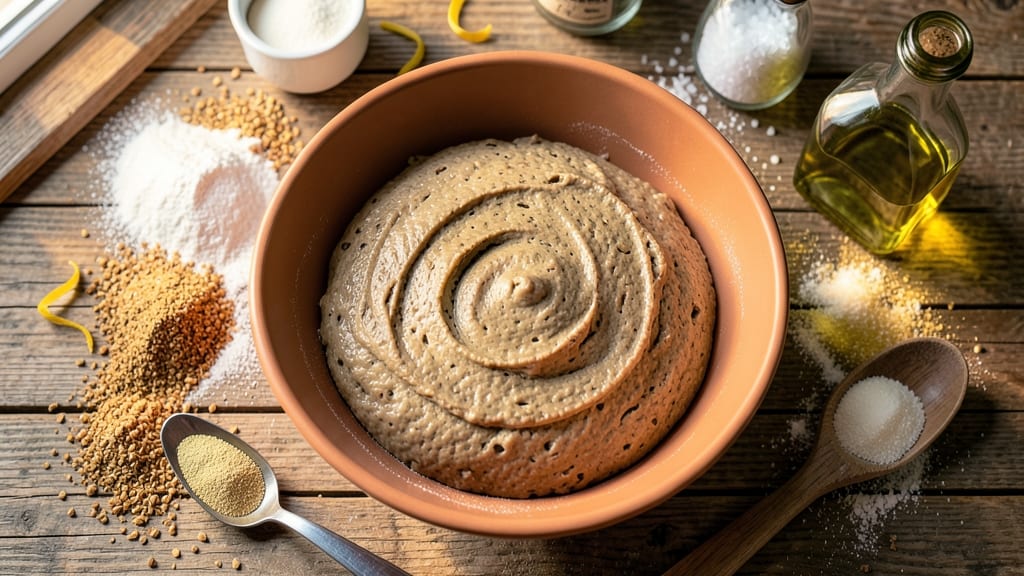
Adding whole wheat flour to your bread recipe unlocks nutty flavor and nutritional benefits without sacrificing texture—when done right. The key lies in understanding how whole wheat's higher protein and bran content demand adjustments to hydration, kneading, and proofing times.
I've perfected this technique over years of baking, ensuring your loaves stay tender and open rather than dense.
Unlike white flour, whole wheat absorbs moisture differently, requiring an extra 1-2 tablespoons of water per cup of flour to achieve proper dough consistency.
The bran also creates more friction during kneading, so you'll need to work the dough slightly longer—about 5-10 minutes by hand or 5 minutes in a stand mixer—to develop gluten properly. This extra effort pays off with a lighter crumb structure that still delivers that satisfying hearty bite.
What sets this method apart is the balance: you'll achieve that rich, nutty whole wheat flavor while maintaining a tender crumb and crispy crust.
The secret is proofing the dough longer—sometimes up to 2 hours at room temperature—to allow the gluten to fully relax and the yeast to work its magic. This patience ensures your bread rises properly without collapsing, giving you a loaf that's both nutritious and delicious.
The result is bread with depth of flavor, improved nutritional profile, and a texture that rivals traditional white bread. Whether you're baking sandwich loaves, dinner rolls, or artisanal boules, this technique transforms your favorite recipes into something even better. Let's get started with the adjustments that make all the difference.
Ingredients for adding whole wheat flour to bread
These ingredients balance whole wheat's heartiness with tender texture—just like your favorite bread.
| Ingredient | Amount | Notes |
|---|---|---|
| King Arthur Whole Wheat Flour 🌾 | 4 cups | High-protein for better rise |
| All-Purpose Flour 🌾 | 2 cups | Balances texture and flavor |
| Active Dry Yeast 🍞 | 2 ¼ tsp | Ensure it's fresh |
| Granulated Sugar 🍚 | 1 tbsp | Feeds the yeast |
| Salt 🧂 | 2 tsp | Diamond Crystal preferred |
| Extra-Virgin Olive Oil 🫒 | ½ cup | For tender crust |
| Warm Water 💧 | 2 ½ cups | 110°F for yeast activation |
| Honey 🍯 | 1 tbsp | Enhances flavor |
| Malt Powder 🌾 | 1 tsp | Boosts yeast activity |
| Cornmeal 🌽 | ½ cup | For dusting bread pan |
| Poppy Seeds 🌻 | 1 tbsp | Optional for topping |
The flour is everything here. King Arthur whole wheat has higher protein than most brands, which helps with gluten development—critical for that tender crumb. Grab it at Whole Foods or King Arthur's website if you can't find it locally. The all-purpose flour isn't just filler; it helps balance the bran's dryness. If you're using store-brand whole wheat, expect to add an extra 1-2 tablespoons of water to compensate for lower protein content. And trust me, fresh yeast is non-negotiable—if it smells old or doesn't dissolve in warm water, toss it.
No King Arthur flour? Bob's Red Mill or White Lily work well too, but you'll need to adjust hydration. Short on all-purpose flour? Substitute with more whole wheat, but expect a denser loaf. The honey can be swapped for maple syrup, though it adds a different depth. For the olive oil, avocado oil works too, but olive oil gives that classic bread flavor. And if you're short on time, instant yeast can replace active dry yeast at the same amount—just skip the proofing step and mix it directly into your dough.
This dough is a beast—it needs time to develop. Knead for at least 10 minutes by hand or 5 minutes in a mixer. Proof it in a warm spot (like your oven with the light on) for up to 2 hours. The longer it rests, the better the flavor. Store any extra dough in the fridge for up to 3 days, wrapped tightly in plastic. For best results, bake within 24 hours of mixing—fresh dough always tastes better. And if you're making multiple loaves, use parchment paper to avoid sticking.
Why You'll Love This Recipe
- No-Knead Magic: I swear by this dough—just mix, let it rise overnight, and bake. The King Arthur whole wheat flour handles the texture like a dream, so you’re not stuck with dense, heavy bread. Honestly, my lazy Sunday mornings have never been better.
- Nutty, Not Heavy: Here’s what sold me—the blend of whole wheat and all-purpose gives that satisfying heartiness without tasting like a health lecture. The yeast and sugar work together to keep it light, almost airy, so it’s not the dry, crunchy loaf you might fear.
- Weeknight Wonder: This bread is my go-to for sandwiches, toast, or even French toast (yes, even on a Tuesday night). The dough’s forgiving nature means I can shape it quickly, and it reheats beautifully—perfect for meal prep when I’m swamped.
- Budget-Friendly Staple: A single batch stretches for days—think toast for breakfast, sandwiches for lunch, and garlic bread for dinner. Using whole wheat flour keeps costs down, and the yeast’s reliability means no wasted dough. My wallet (and my family) thank me every time.
Step-by-step instructions for perfect whole wheat bread
Here's how to blend whole wheat flour for rich flavor without sacrificing softness.
Activate the Yeast with Warm Water and Honey
In a large mixing bowl, combine the 2.5 cups warm water (around 110°F—test by dipping your finger in, it should feel warm but not hot), 1 tbsp granulated sugar, 1 tbsp honey, and 1 tsp malt powder. Stir until the sugar and honey dissolve completely. The malt powder helps boost yeast activity, which is especially important when using whole wheat flour since it can be denser.
Sprinkle the 2.25 tsp active dry yeast over the water mixture and let it sit for 5-10 minutes until it becomes frothy. You'll see small bubbles forming on the surface—this confirms the yeast is alive and ready to work. If it doesn't foam, your yeast may be old, and you'll need to start over with fresh yeast. This step ensures your bread rises properly, even with the heavier whole wheat flour.
Mix the Wet Ingredients with Olive Oil
Add the 0.5 cup extra-virgin olive oil to the yeast mixture and whisk vigorously for 1-2 minutes until fully emulsified. The olive oil adds moisture and tenderness to the bread, balancing the denser whole wheat flour. The mixture should look slightly thickened but still pourable. If it feels too thin, don't worry—the flours will absorb it as you mix.
In a separate bowl, whisk together the 4 cups King Arthur whole wheat flour, 2 cups all-purpose flour, and 2 tsp salt. The all-purpose flour helps lighten the texture, preventing the bread from becoming too heavy or crumbly. Sift the dry ingredients lightly to aerate them, which helps create a lighter crumb in the final loaf.
Combine Wet and Dry Ingredients for a Smooth Dough
Gradually add the dry ingredients to the wet mixture, stirring with a wooden spoon or dough whisk. Start slowly to avoid creating a mess, then mix until a shaggy dough forms. The whole wheat flour will absorb more liquid, so you may need to add an extra 1-2 tablespoons of warm water if the dough feels too dry. Kneading by hand or with a stand mixer is next—work the dough for 5-7 minutes on medium speed until it becomes smooth and elastic.
Here's the thing—whole wheat dough is trickier to handle than all-purpose flour dough. It’s stickier and less forgiving, so don’t overwork it. You’ll know it’s ready when it springs back slowly when poked and feels slightly tacky but not gummy. If the dough feels too sticky, wet your hands slightly while kneading to prevent sticking.
Let the Dough Rise for Maximum Flavor
Lightly oil a large bowl, place the dough inside, and cover it with a damp kitchen towel or plastic wrap. Let it rise in a warm spot for 1-2 hours, or until it has roughly doubled in size. The warmth helps activate the yeast, especially important with whole wheat flour, which can slow fermentation. Poke the dough gently—if it leaves a slight indentation that doesn’t spring back immediately, it’s ready.
While the dough rises, preheat your oven to 375°F. Dust a 9x5-inch loaf pan with 0.5 cup cornmeal—this prevents sticking and adds a subtle crunch to the crust. After the dough has risen, punch it down to release any air bubbles, then shape it into a loaf and place it in the prepared pan. Cover it again with the towel and let it rise for another 30-45 minutes until it puffs up slightly in the pan.
Bake for a Golden, Crusty Loaf
Bake the bread for 35-40 minutes until the top is golden brown and sounds hollow when tapped on the bottom. The internal temperature should reach 190-200°F. Whole wheat bread can dry out quickly, so don’t overbake—it’s better to pull it out slightly underdone if needed. If the top browns too quickly, tent it loosely with foil to prevent over-browning.
Remove the bread from the oven and let it cool in the pan for 10 minutes, then transfer it to a wire rack. Once cooled, brush the top with a little extra-virgin olive oil if desired, and sprinkle with 1 tbsp poppy seeds for added texture. Slice into thick pieces—whole wheat bread is best enjoyed fresh, with a crisp crust and a soft, nutty interior. Store leftovers in an airtight container for up to 3 days, or freeze for longer storage.
Pro Tips For Making Adding Whole Wheat Flour To Bread
- Measure Flour by Weight: King Arthur’s whole wheat flour is deceptive—it packs differently than all-purpose. Use a kitchen scale for accuracy, especially if your recipe calls for 50% whole wheat. I learned this the hard way when my loaves turned out dense because I eyeballed it.
- Bloom Yeast in Warm Water: Skip the dry yeast straight into the flour—it won’t activate evenly. Mix the yeast with warm (110°F) water and a pinch of sugar first, then let it foam for 5 minutes before adding other ingredients. This guarantees fermentation starts on time, not when you’re already frustrated.
- Hydrate the Whole Wheat: Whole wheat flour absorbs more water. If your dough feels stiff, add 1-2 tablespoons of water per cup of whole wheat flour. Over-kneading won’t fix it—just extra liquid will. (Yes, even if you’re impatient like me.)
- Use a Mixing Bowl Spray: Whole wheat flour sticks like glue. Lightly spray your mixing bowl with oil or water before adding dough to prevent it from clinging to the sides. This saves you from scraping dough off the bowl mid-knead—trust me, it’s a game-changer.
Flavor customization for this adding whole wheat flour to bread
Nutty Flavor Boosters
Enhance the whole wheat flavor by adding 1 tsp ground cinnamon or ½ tsp nutmeg to the dry ingredients. These spices complement the nutty notes beautifully and add warmth.
For a bolder taste, try 1 tbsp toasted sesame seeds mixed into the dough—just be sure to toast them first for that deep, roasted aroma. 🌾
Sweet Variations
Add 1 tbsp molasses or 2 tbsp maple syrup to the wet ingredients for a subtle sweetness that pairs perfectly with the whole wheat flavor. This works especially well for sandwich bread or rolls.
If you're feeling adventurous, swap the honey for ½ cup mashed ripe banana—it adds natural sweetness and moisture to balance the denser flour.
Herb and Seed Toppings
Sprinkle 1 tbsp fresh rosemary or thyme leaves on top before baking for an aromatic twist. For extra crunch, mix 1 tbsp flaxseeds or chia seeds into the dough or sprinkle them on top after baking.
These toppings not only add texture but also boost the bread’s nutritional profile with omega-3s and fiber.
Cheesy Whole Wheat Twist
Add ½ cup shredded cheddar or Parmesan cheese to the dough for a savory depth. The cheese melts slightly during baking, creating pockets of rich flavor in every bite. For a tangier option, try feta crumbles—they add a bright contrast to the nutty whole wheat.
Just be sure to fold the cheese in gently after kneading to avoid overworking the dough.
Spiced and Smoky Options
For a smoky kick, add ½ tsp smoked paprika or ¼ tsp chipotle powder to the dry ingredients. These spices add complexity without overpowering the bread’s natural flavor.
If you love warmth, a pinch of cayenne pepper (start with ¼ tsp) brings a subtle heat that enhances the whole wheat’s earthiness. 🔥
Nutrition facts
Frequently asked questions
Why does my whole wheat bread turn out dense?
Whole wheat flour absorbs more moisture and has higher protein content, which can make bread dense if not handled properly. Always add an extra 1-2 tablespoons of water per cup of whole wheat flour and knead for 5-10 minutes longer than usual to develop gluten. Proofing for 2 hours (instead of 1) also helps create a lighter crumb.
Can I replace all the all-purpose flour with whole wheat?
Yes, but expect a denser texture. For a 1:1 substitution, add 1 extra tablespoon of water per cup of whole wheat flour and increase kneading time by 3-5 minutes. The bread will have more nutty flavor but may lack the open crumb of traditional loaves. For best results, use a 50/50 blend as shown in the recipe.
How do I store whole wheat bread to keep it fresh?
Whole wheat bread stales faster than white bread due to its higher bran content. Store it in an airtight container at room temperature for 2-3 days or freeze for up to 3 months. To revive stale bread, wrap it in a damp towel and microwave for 10-15 seconds—this restores moisture without making it gummy.
What's the best way to test if my yeast is still active?
Mix 1 packet (2.25 tsp) of yeast with ¼ cup warm water (110°F) and 1 tsp sugar. Let it sit for 5 minutes—if it becomes frothy and bubbly, your yeast is good to use. If nothing happens after 10 minutes, your yeast has expired. Always check before starting your recipe!
Can I make this bread without a stand mixer?
Whole wheat dough is stickier, so wet your hands frequently while kneading by hand. Work the dough on a lightly floured surface for 10-12 minutes until smooth and elastic. The extra effort develops gluten properly, which is crucial for a good rise. For best results, use a dough scraper to help handle the sticky dough.