
Side Dishes
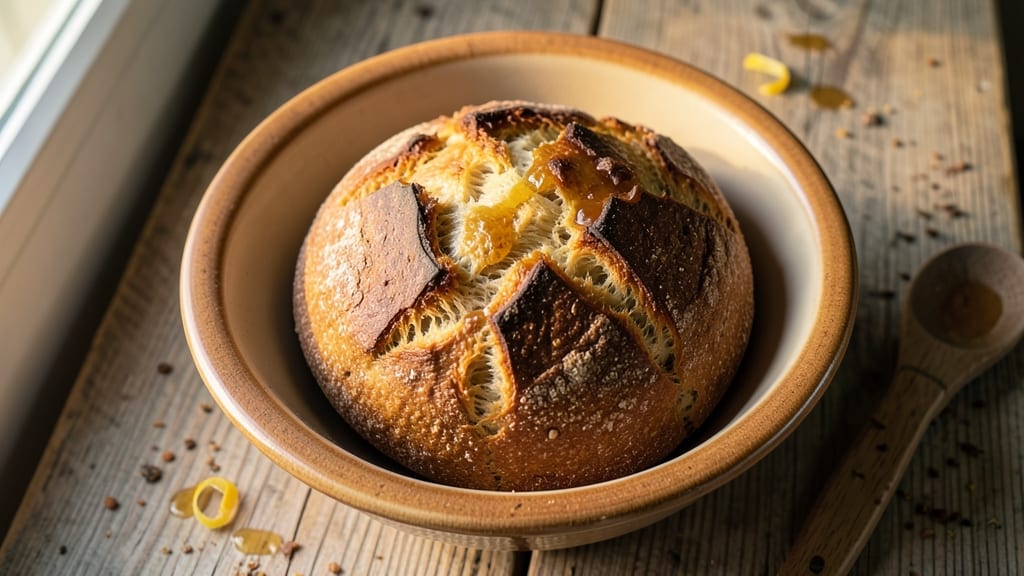
Adelle Davis' bread recipe brings the wisdom of classic nutrition to your kitchen table with a loaf that's as wholesome as it is flavorful. This traditional whole-grain recipe delivers nutty depth and satisfying texture while staying true to her philosophy of minimal processing and maximum nutrition.
The secret lies in combining whole wheat flour with a touch of rye, creating a loaf that's hearty yet tender—perfect for sandwiches or toast.
What makes this recipe special is its simplicity and nutritional integrity. No refined flours or artificial additives here—just whole grains, warm spices, and a touch of honey for natural sweetness.
The dough develops naturally through a slow fermentation process, allowing flavors to meld and creating a bread with excellent keeping qualities. This method ensures every slice delivers complex, satisfying flavor without the heaviness of commercial loaves.
The result is a beautifully rustic loaf with a crisp crust and tender crumb, infused with warm spices that linger on the palate. This bread pairs beautifully with soups, stews, or simply slathered with butter and jam.
The recipe maintains Adelle Davis' commitment to nourishing ingredients while delivering restaurant-quality results at home.
Whether you're baking for a family gathering or simply treating yourself to wholesome bread, this recipe delivers. The process is straightforward but requires patience—worth every moment for the reward of a loaf that tastes like homemade goodness. Let's get started on creating this timeless classic.
Ingredients for adelle davis bread
Whole grains, warm spices, and slow fermentation create Adelle Davis' legendary nutty, wholesome loaf.
| Ingredient | Amount | Notes |
|---|---|---|
| Whole Wheat Flour 🌾 | 4 cups | Unbleached, high-protein preferred |
| Rye Flour 🌾 | ½ cup | Light or dark rye variety |
| Active Dry Yeast 🍞 | 2 ¼ tsp | Fresh yeast at 1.5 tsp equivalent |
| Honey 🍯 | ¼ cup | Raw or wildflower preferred |
| Warm Water 💧 | 1 ¼ cups | 110°F for optimal yeast activation |
| Unsalted Butter 🧈 | ½ cup | Cold, cubed for better mixing |
| Sea Salt 🧂 | 1 ½ tsp | Diamond Crystal preferred |
| Ground Cinnamon 🌿 | 1 tsp | Freshly ground for warmth |
| Ground Nutmeg 🌶️ | ½ tsp | Freshly grated nutmeg preferred |
| Extra-Virgin Olive Oil 🫒 | 2 tbsp | For dough and crust brushing |
| Cornmeal 🌽 | ¼ cup | For dusting loaf pan |
| Sesame Seeds 🌰 | 1 tbsp | Optional for decorative crust |
| Coarse Cornmeal 🌽 | 2 tbsp | For final bread topping |
The flours are the foundation—King Arthur whole wheat or Bob's Red Mill deliver consistent results, but any high-protein whole wheat works. For the rye, Pillsbury light rye flour is reliable, though store-bought dark rye adds deeper flavor if you prefer. Yeast quality matters: Saf-Instant is my go-to for convenience, but fresh yeast requires proofing time. Honey should be raw or wildflower for subtle floral notes that complement the spices. The butter? Plugrá or Land O'Lakes unsalted—never margarine, as it lacks the fat content needed for tender crumb structure.
No whole wheat flour? Substitute half with white whole wheat for a lighter texture, though the nutty depth will diminish. Running short on rye? Add 1 tbsp molasses to the honey for a similar earthiness. The spices are non-negotiable—pre-ground works, but whole spices toasted and ground elevate the flavor profile. For the olive oil, California-grown varieties with fruity notes shine, while Italian imports offer peppery depth. Sesame seeds can be swapped for poppy seeds or everything bagel seasoning for a modern twist. Always measure your salt in light spoons—Diamond Crystal runs slightly lighter than Morton's.
This dough benefits from a 24-hour cold proof in the fridge for maximum flavor development. Store finished loaves in a canvas-lined basket at room temperature for 3-4 days, or freeze slices wrapped in parchment for up to 3 months. The crust stays crisp for 2 days if kept in a sealed container, though the crumb softens slightly after the first day. For reheating, wrap slices in foil and warm at 350°F for 5 minutes—nothing beats fresh from the oven, but this method restores some of that golden crust magic.
Why You'll Love This Recipe
- No-Fuss Mixing: I swear by the 5-minute knead—just toss the whole wheat and rye flours with warm water, honey, and that pinch of yeast. The dough comes together like a dream, no overworking required.
- Honey-Kissed Crust: That golden-brown crust? Pure magic from the honey, which caramelizes just enough to give every bite a subtle sweetness. It’s the kind of bread you’ll reach for before the butter even hits the table.
- Weeknight Workhorse: Between us, this is my go-to for sandwiches, toast, or even a quick charcuterie board. The rye flour adds chew, while the whole wheat keeps it hearty—no sad, dry slices here.
- Pantry-Friendly Staples: Honestly, you’re already stocked for this. Whole wheat, rye, honey, and yeast? Basic. No specialty ingredients, no last-minute grocery runs. Just pull it out, proof it overnight (or skip to same-day), and bake. Done.
Step-by-step instructions for Adelle Davis' whole-grain bread
This classic whole-grain loaf combines nutty depth with tender texture—here's how to achieve it.
Activate the Yeast and Mix the Dough
In a large mixing bowl, combine the 1.25 cups warm water (about 110°F) with the 2.25 tsp active dry yeast and 0.25 cup honey. Let this mixture sit for 5-10 minutes until it becomes foamy—this confirms the yeast is active. If it doesn't foam, your yeast may be expired.
Add the 4 cups whole wheat flour, 0.5 cup rye flour, 1.5 tsp sea salt, 1 tsp ground cinnamon, and 0.5 tsp ground nutmeg to the bowl. Mix these dry ingredients together, then create a well in the center. Pour in the yeast mixture and stir with a wooden spoon until a shaggy dough forms.
Knead the Dough Until Elastic
Turn the dough onto a lightly floured surface and knead for 8-10 minutes until smooth and elastic. The dough should feel slightly tacky but not sticky—add more flour 1 tablespoon at a time if needed. This kneading develops gluten, which gives the bread its structure and chewiness.
To test for readiness, perform the "windowpane test": stretch a small piece of dough thinly. If it's elastic enough to see light through without tearing, it's ready. If it resists or tears easily, knead for another 2-3 minutes. Shape the dough into a ball and place it in a lightly oiled bowl.
First Rise for Flavor Development
Cover the bowl with a clean kitchen towel and let the dough rise in a warm place (like near the oven with the light on) for 1-1.5 hours, or until it has nearly doubled in size. The dough should feel light and springy when pressed gently with a finger—this indicates proper fermentation.
During this rise, the yeast works to create air pockets that will give your bread its light texture. Avoid moving the bowl or disturbing the dough, as this can collapse the bubbles and require additional rising time. The warm environment helps speed up the process without overproofing the dough.
Shape, Second Rise, and Prepare for Baking
Punch down the risen dough to release air, then shape it into a loaf by folding the edges toward the center and rolling it tightly. Place the shaped loaf seam-side down in a 9x5-inch loaf pan that has been dusted with 0.25 cup cornmeal to prevent sticking. Cover again and let it rise for 30-45 minutes until it expands slightly above the pan.
While the dough rises, preheat your oven to 375°F. Brush the top of the loaf with 2 tbsp extra-virgin olive oil and sprinkle with 1 tbsp sesame seeds and 2 tbsp coarse cornmeal for a decorative, crunchy crust. The oil adds moisture and browning, while the seeds give a subtle nutty contrast to the whole grains.
Bake to Golden Perfection
Bake the loaf for 35-40 minutes until the top is deep golden brown and the internal temperature reaches 205°F when measured with an instant-read thermometer. The bread should sound hollow when tapped on the bottom. If the top browns too quickly, tent loosely with aluminum foil.
Remove the bread from the oven and let it cool in the pan for 10 minutes, then transfer to a wire rack to cool completely. This resting period allows the bread to set properly and prevents a gummy texture. Slice when fully cooled—each serving should reveal an open crumb structure with visible flecks of rye and nutmeg.
Pro Tips For Making Adelle Davis Bread
- Mix Yeast Last: Stir the yeast into the warm water after dissolving the honey—this keeps the yeast from getting a sugar shock, so your dough rises faster and more reliably. I used to add it all at once and wondered why my loaves took forever.
- Weigh Your Flours: Scooping whole wheat and rye flours leads to inconsistent batches. Use a kitchen scale for accuracy—this recipe’s hydration balance depends on precise measurements, especially with dense flours. (Yes, even if you’re eyeballing like I used to.)
- Skip the Over-Kneading: This dough needs just enough handling to develop gluten—about 5-7 minutes by hand or 3-4 minutes in a mixer. Overwork it, and you’ll end up with a tough, chewy loaf instead of the light, airy texture Adelle’s recipe promises.
- Proof in a Warm Spot: Place your dough in a slightly warm spot (like a turned-off oven with a bowl of hot water inside) to speed up the rise without overproofing. I learned this after leaving mine in a cold kitchen and waiting way too long—patience isn’t always the answer here.
Dietary considerations for this recipe
Gluten-Free Adaptation
For a gluten-free version, replace the whole wheat and rye flours with a 1:1 gluten-free flour blend like King Arthur Measure for Measure. Add ½ tsp xanthan gum to the dry ingredients to mimic gluten's structure.
The texture will be denser but still delicious. Use ½ cup almond milk instead of water to maintain moisture balance. 🌾
Dairy-Free Option
Skip the butter and replace it with ½ cup melted coconut oil or avocado oil for a neutral flavor. The dough will be slightly softer but still hold its shape.
Brush the baked loaf with olive oil instead of butter for a crisp crust. This substitution works beautifully without compromising texture.
Low-Sugar Version
Reduce the honey to 2 tablespoons and add 1 teaspoon maple syrup for subtle sweetness. Alternatively, omit honey entirely and increase the cinnamon to 1.5 teaspoons to enhance natural sweetness. The bread will still be flavorful but with fewer calories. This works especially well for those monitoring blood sugar levels.
Nut-Free Considerations
If avoiding nuts, skip the sesame seeds on top and use 1 tablespoon poppy seeds or everything bagel seasoning instead. For extra crunch, sprinkle coarse sea salt or crushed cornflakes on the crust. The flavor remains rich without nutty elements, making it safe for nut allergies.
Vegan Modifications
Replace the honey with ¼ cup agave syrup and the butter with ½ cup vegan butter or coconut oil. Use nutritional yeast (1 tablespoon) for a cheesy depth.
The dough will rise slightly slower, so allow an extra 15 minutes for proofing. The final loaf stays moist and flavorful while being completely plant-based. ✨
Nutrition facts
Frequently asked questions about Adelle Davis' whole-grain bread
Why does this bread recipe use both whole wheat and rye flour?
The combination creates a perfect balance of texture and flavor. Whole wheat provides the hearty, nutty depth Adelle Davis was known for, while rye adds subtle earthiness and prevents the loaf from becoming too dense. The rye also helps retain moisture, keeping the bread tender longer. This classic pairing was a staple in Davis' nutritional philosophy of using whole grains for sustained energy.
Can I make this bread without a stand mixer?
This recipe is designed for hand-kneading. After mixing the dough, turn it onto a lightly floured surface and knead vigorously for 8-10 minutes until smooth and elastic. The windowpane test (stretching a small piece thin enough to see light through) confirms when it's ready. Just be prepared for some arm work—the whole grains make the dough naturally denser than white bread.
What's the best way to store leftover bread?
For freshness, wrap cooled slices in parchment paper and store in an airtight container at room temperature for 3-4 days. To extend shelf life, freeze individual slices wrapped in parchment for up to 3 months. For reheating, wrap slices in foil and warm at 350°F for 5 minutes—this restores the crust's crispness while keeping the crumb tender. The spices actually enhance with a day or two of storage!
My dough didn't rise much—what went wrong?
This typically happens when the yeast isn't active or the environment isn't warm enough. First, check your yeast: it should foam within 5-10 minutes when mixed with warm water. If not, your yeast may be expired. Also ensure your water is 110°F (not too hot—above 120°F kills yeast). Try placing your dough in a warm oven with the light on or use a proofing box. Whole wheat dough rises slower than white bread dough, so be patient!
How can I make this bread more flavorful?
For deeper flavor, try these enhancements: Add 1 tbsp molasses with the honey for richer sweetness, or include ½ tsp ground cardamom alongside the cinnamon. For extra nutty depth, toast 2 tbsp whole wheat kernels and grind them into the dough. The longer you ferment (up to 24 hours in the fridge), the more complex the flavors become. Freshly ground spices always make a difference too!