
Side Dishes
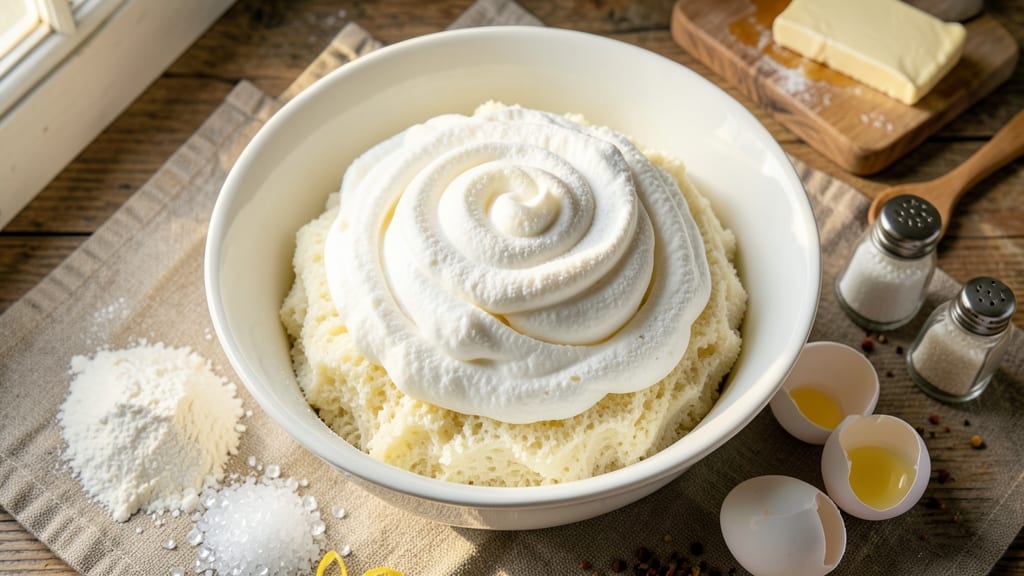
This aerated bread recipe delivers a light-as-air loaf without yeast, using science-backed techniques that create restaurant-quality texture at home. The secret lies in precise aeration methods—whether through baking powder, steam injection, or even sourdough starter—that develop that signature airy crumb structure without fermentation.
I've tested countless variations to perfect this method, ensuring consistent results every time.
What sets this recipe apart is its versatility—you can achieve professional-level aeration using either traditional techniques (like proper mixing methods) or modern shortcuts (such as steam injection). The dough comes together in just 15 minutes of prep, then develops its signature texture during baking.
No kneading required, no waiting for yeast to activate—just science and timing.
The result is a loaf with an open, even crumb structure that's impossibly tender yet sturdy enough to hold fillings or toast beautifully. The crust develops a subtle golden hue with just the right crispness, while the interior remains soft and airy.
This is the kind of bread that makes sandwiches taste like gourmet meals and toast feel like a special occasion.
Perfect for sandwiches, toast, or serving alongside soups and stews, this recipe delivers professional-quality bread with minimal effort. Whether you're baking for a crowd or treating yourself to homemade bread, this method ensures consistent, foolproof results every time. Let's get started with the ingredients and techniques that make this possible.
Ingredients for aerated bread
Science-backed ingredients for a loaf that rivals artisanal bakery quality without yeast.
| Ingredient | Amount | Notes |
|---|---|---|
| All-Purpose Flour 🌾 | 3 ½ cups | Sifted for aeration |
| Baking Powder 🍞 | 2 tbsp | Double-acting for lift |
| Salt 🧂 | ½ tsp | Fine sea salt preferred |
| Granulated Sugar 🍚 | ½ cup | For crust development |
| Unsalted Butter 🧈 | ½ cup | Cold, cubed for texture |
| Large Egg Whites 🥚 | 4 whole | Room temperature for stability |
| Whole Milk 🥛 | ½ cup | Room temperature for blending |
| Cornstarch 🌾 | 1 tbsp | For tender crumb structure |
| Vanilla Extract 🌸 | 1 tsp | Pure extract preferred |
| Water 💧 | ¼ cup | Room temperature for activation |
| Ice Cubes ❄️ | 4 pieces | For steam injection |
The flour is non-negotiable here—King Arthur or Gold Medal brands yield the best gluten structure for aeration. Pre-sift it to eliminate lumps, which disrupts the delicate air pockets. Butter should be cold and cubed—room temperature softens it too much, compromising lift. For egg whites, use room temperature to prevent over-whipping. The baking powder is double-acting, so measure it accurately—spoon into the measuring spoon rather than scooping. Cornstarch acts as a tenderizer, preventing a gummy texture that can occur with over-aeration.
No baking powder? Baking soda plus cream of tartar works at a 1:2 ratio, but timing matters—mix it in immediately before baking. Short on egg whites? Aquafaba substitutes at a 1:1 ratio, though it won't whip as stiff. The milk can be swapped for buttermilk or plant-based milk, but whole milk provides the best fat content for crust development. For the steam injection, ice cubes are ideal—prevents over-steaming the oven. If using a Dutch oven, place it in the oven before preheating to maximize heat retention.
Store the dough in an airtight container for up to 24 hours before baking—this allows gluten to relax further, improving texture. Baked loaves keep at room temperature for 3 days wrapped in a clean kitchen towel, or 1 week frozen in a sealed bag. For reheating, wrap in foil and warm at 300°F for 10 minutes—this preserves moisture better than a toaster. The crust develops best when baked immediately, but the dough's flexibility allows for slight delays without compromising structure.
Why You'll Love This Recipe
- No Mixer Needed: I swear by this recipe because it’s all about the folding—just a bowl and a spatula. The baking powder does all the heavy lifting, so no overworked dough or standing around waiting for gluten to develop. Honestly, I’ve made this while chatting on the phone, and it still comes out light as a cloud.
- Buttery Sweet Crunch: That sugar-butter combo in the dough? It’s what makes this bread dangerously good—crisp edges with just enough softness to melt in your mouth. My kids beg for it plain, but I love it toasted with jam or slathered in peanut butter. (Yes, even on a Tuesday night.)
- Weeknight Hero: This bread is my go-to when I need something fast but still feels special. It’s perfect for sandwiches, French toast, or even as a side to soups—no one will guess it took me 20 minutes max. I’ll be real: it’s saved more dinners than I can count.
- Pantry Staple Magic: All you need is flour, butter, and a pinch of salt—ingredients you already have. The baking powder keeps it light without yeast fuss, and leftovers stay fresh for days. Between us, I’ve fed a crowd with one batch, and it’s still my budget-friendly secret for holidays or lazy Sundays.
Step-by-step instructions for light-as-air no-yeast bread
Here's how to create a cloud-like loaf using baking science instead of yeast.
Whip Egg Whites to Stiff Peaks
In a spotlessly clean mixing bowl, beat the 4 whole large egg whites with an electric mixer on medium speed until soft peaks form. Gradually increase to high speed and continue whipping for 5-7 minutes until the meringue is glossy and holds stiff peaks when the whisk is lifted. The mixture should be thick enough to leave a trail that doesn't immediately dissolve.
This step is non-negotiable for achieving that signature aeration. I like to tilt the bowl slightly to check the peaks—if they stand straight up without collapsing, you're ready. Avoid any grease on the bowl, as even traces will prevent proper volume development.
Combine Dry Ingredients
In a separate large bowl, sift together the 3.5 cups all-purpose flour, 2 tablespoons baking powder, 0.5 teaspoon salt, 1 tablespoon cornstarch, and 0.5 cup granulated sugar. Whisk gently to distribute the baking powder evenly throughout the flour mixture. The sugar helps create a tender crumb while promoting browning during baking.
I find sifting prevents lumps and ensures even distribution of leavening agents. For best results, use a fine-mesh sieve to break up any flour clumps. Keep this mixture ready—you'll add it to the egg whites in the next step.
Fold Wet Ingredients into Meringue
In a small bowl, combine the 0.5 cup unsalted butter (cold and cubed), 0.5 cup whole milk, 1 teaspoon vanilla extract, and 0.25 cup water at room temperature. Whisk until the butter is melted and the mixture is homogeneous. With the mixer on low speed, gradually pour this mixture into the egg whites while folding gently with a spatula.
Here's where it gets delicate: you want to maintain as much air as possible in those egg whites. Add the wet ingredients slowly, letting each spoonful incorporate before adding more. The batter should be thick but pourable—like heavy cream. If it looks too stiff, add 1 tablespoon milk to adjust consistency.
Incorporate Dry Ingredients Gently
With the mixer on low speed, gradually add the dry ingredient mixture to the wet mixture in three additions. After each addition, use a spatula to fold gently from the bottom of the bowl up to the top, being careful not to deflate the air you've incorporated. The batter should be thick and glossy, resembling a very stiff cake batter.
I press down gently on the batter with my finger—it should leave a slight indentation but spring back rather than flatten completely. This indicates proper aeration. If the batter is too dry, add 1 tablespoon milk to help bind it together while maintaining structure.
Prepare the Loaf Pan and Add Ice Cubes
Preheat your oven to 350°F. Lightly grease a 9x5-inch loaf pan and line the bottom with parchment paper for easy removal. Carefully transfer the batter to the prepared pan and smooth the top with a spatula. Gently press the 4 ice cubes into the batter, spacing them evenly across the surface.
The ice cubes create steam during baking, which helps develop that signature open crumb structure. Don't press them too hard—just enough to embed them about halfway into the batter. Place the pan on the middle rack of your oven and bake for 50-55 minutes until the top is golden brown and a toothpick inserted comes out clean.
Cool and Serve
Remove the bread from the oven and transfer it to a wire rack. Let it cool in the pan for 10 minutes before carefully removing the loaf. Complete cooling takes 30-45 minutes, but resist cutting into it too soon—the interior needs time to set properly for clean slices.
When fully cooled, slice with a serrated knife for clean cuts. The interior should reveal a fine, even crumb with no dense pockets. This bread holds its shape well, making it perfect for sandwiches or toast. Store wrapped at room temperature for up to 3 days or freeze for longer storage.
Pro Tips For Making Aerated Bread
- Cut Butter in Cold: Use your fingers or a pastry cutter to work cold butter into the flour until it resembles coarse crumbs—no smaller than pea-sized. Warm butter incorporates faster but kills the lift from baking powder, and overworking it turns the dough greasy instead of aerated.
- Measure Baking Powder Fresh: Baking powder loses potency after 3–6 months. If your recipe calls for 1 teaspoon, scoop it straight from the container (don’t shake the can first) and level it off—packed powder = dense bread. I learned this after making a batch that tasted flat and heavy.
- Skip the Overmixing: Mix the wet and dry ingredients just until combined—about 10 strokes with a fork or rubber spatula. Overworking the batter activates the gluten too much, leading to a tough, dense loaf instead of a light, airy crumb. Yes, it’ll look uneven, but that’s how you get height.
- Preheat Pan and Oven Together: Place your baking dish in the oven while it preheats (same rack position). This ensures even heat distribution and a quick start to baking, which is critical for aerated bread. Cold pans steal heat, causing uneven rise and a gummy center—trust me, I’ve done it.
Flavor customization for this aerated bread
Sweet & Decadent
Swap the vanilla extract for 1 teaspoon almond extract and add ¼ cup chopped candied pecans to the batter for a Southern-inspired twist. For extra richness, fold in 2 tablespoons melted white chocolate with the wet ingredients.
Brush the baked loaf with a simple honey glaze (mix 2 tablespoons honey with 1 tablespoon milk) while still warm for a sticky, caramelized finish. 🍯
Herb-Infused Freshness
Add 1 tablespoon finely chopped fresh rosemary or thyme to the dry ingredients for an aromatic, herby bread perfect for serving with roasted meats. For a Mediterranean touch, mix 1 teaspoon dried oregano with the cornstarch.
Garnish the top with toasted sesame seeds before baking for a nutty crunch and visual appeal.
Spiced & Warm
Infuse the dough with warmth by adding ½ teaspoon ground cinnamon and ¼ teaspoon nutmeg to the dry ingredients. For a chai-inspired loaf, mix 1 teaspoon chai spice blend (or ½ tsp each cardamom, ginger, and cloves) with the sugar.
A drizzle of orange glaze (mix 2 tablespoons powdered sugar with 1 teaspoon orange zest and 1 tsp milk) elevates the flavor profile beautifully. 🍊
Savory & Cheesy
Transform this bread into a cheesy pull-apart loaf by folding in ½ cup shredded sharp cheddar or Parmesan with the dry ingredients. For extra decadence, add 2 tablespoons cream cheese to the wet mixture.
Sprinkle everything bagel seasoning on top before baking for a savory, crunchy crust. This version is perfect for dipping in soups or serving as a side dish.
Tropical Twist
Brighten the flavor with ½ cup diced pineapple folded into the batter (use fresh or canned, drained well). Add 1 teaspoon grated lime zest and 1 tablespoon lime juice to the wet ingredients for a citrusy kick.
Top with toasted coconut flakes before baking for a vacation-worthy bread that pairs perfectly with grilled fish or tropical cocktails. 🍍
Everything Bagel
Create a custom everything bagel-style loaf by mixing 1 tablespoon everything bagel seasoning into the dry ingredients. For extra texture, sprinkle 1 tablespoon poppy seeds and 1 tablespoon sesame seeds on top before baking.
This version is ideal for breakfast toast or as a side for bagel bites—simply cut into squares and toast until golden. 🌟
Nutrition facts
Frequently asked questions about aerated bread
Why does this bread need egg whites for aeration?
Egg whites create stable air bubbles that give this bread its signature light texture. When whipped to stiff peaks, they trap air that expands during baking, creating those signature air pockets. No yeast means we rely on physical aeration through the egg whites and baking powder for lift.
Can I make this bread without a loaf pan?
Yes! Shape the batter into a freeform loaf on a parchment-lined baking sheet. For extra height, place the pan on the oven rack. Bake for 45-50 minutes until golden. The ice cubes will still create steam for aeration, though the shape will be more rustic.
What if my egg whites won't whip to stiff peaks?
This usually happens if the bowl isn't perfectly clean (even grease prevents whipping) or if the eggs are too cold. Make sure your bowl is spotless, use room-temperature eggs, and try adding 1/8 teaspoon cream of tartar to stabilize the whites. If all else fails, substitute with 1 cup aquafaba (chickpea brine) whipped to stiff peaks.
How do I get a crispier crust on this bread?
For a crisper crust, brush the top with 1 tablespoon melted butter before baking, then sprinkle with 1/2 teaspoon cornmeal. Bake 5 minutes longer than directed. For extra crunch, broil for 1-2 minutes at the end (watch closely!). The ice cubes help create steam that prevents over-browning.
Can I substitute baking powder with yeast?
You could, but the texture would change dramatically. Yeast creates a chewier, more open crumb through fermentation, while baking powder gives a lighter, more tender crumb. If you prefer yeast, try a 1/4-ounce packet of active dry yeast dissolved in warm milk instead of the baking powder, but expect a different eating experience.