
Desserts
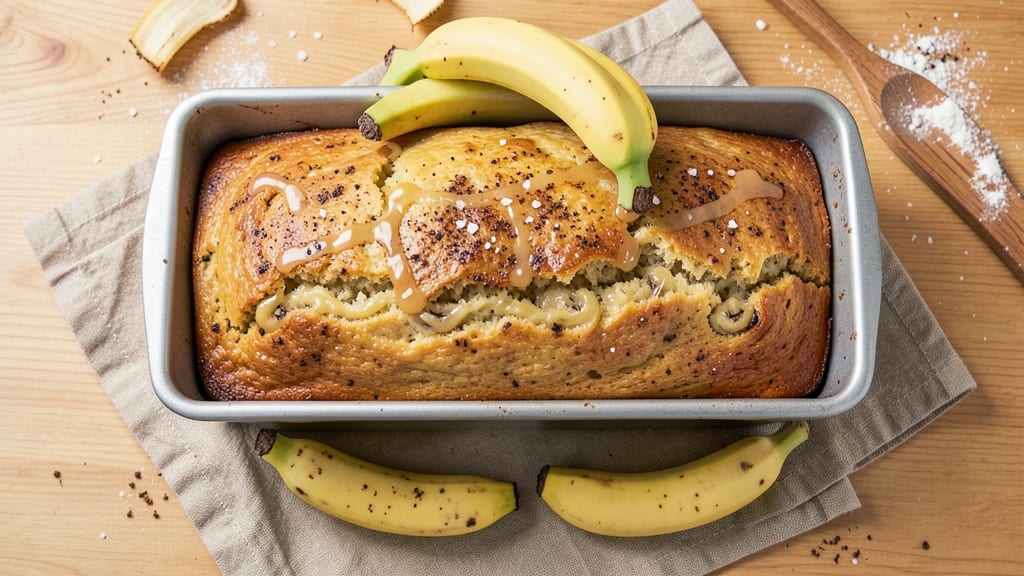
Ainsley Harriott's banana bread recipe brings a professional touch to a classic dessert, elevating it with a signature spiced rum infusion that adds depth and warmth. This isn't your average banana bread—it's a moist, flavorful loaf with a subtle boozy note that makes every slice irresistible.
The secret lies in carefully balancing ripe bananas with spices and a splash of rum, creating layers of flavor that bake into perfection.
What sets this recipe apart is Ainsley's technique for achieving the ideal texture: tender crumb with just the right amount of moisture, never gummy or dry. The spiced rum infusion doesn't just add flavor—it enhances the caramelization of the bananas, giving each bite a rich, aromatic quality.
This recipe delivers restaurant-quality results with simple pantry staples and a foolproof method that even beginners can master.
The baking process is straightforward but requires attention to detail, especially when it comes to mixing the batter just until combined and ensuring even baking. The result is a loaf with a golden crust and a tender interior that practically melts in your mouth.
The spiced rum flavor is subtle enough to appeal to everyone at the table while adding that special touch that makes this banana bread stand out.
Once baked, you have options for serving—plain, with a dusting of powdered sugar, or with a simple glaze for extra shine. This recipe scales beautifully for gatherings, and the leftovers keep well for days.
Whether you're baking for a special occasion or just craving a comforting treat, Ainsley Harriott's banana bread delivers on flavor, texture, and presentation.
Ingredients for ainsley harriott banana bread
Simple pantry staples meet Ainsley Harriott's signature spiced rum twist for extraordinary banana bread.
| Ingredient | Amount | Notes |
|---|---|---|
| Ripe Bananas 🍌 | 3 medium | Black spots preferred |
| All-Purpose Flour 🌾 | 2 ½ cups | Sifted for light texture |
| Granulated Sugar 🍚 | 1 cup | White or light brown |
| Packed Brown Sugar 🍚 | ½ cup | Light or dark variety |
| Unsalted Butter 🧈 | ¾ cup | Room temperature, full-fat |
| Large Eggs 🥚 | 2 whole | Room temperature preferred |
| Spiced Rum 🍹 | ¼ cup | 180-proof preferred |
| Pure Vanilla Extract 🌿 | 1 tbsp | Imitation-free preferred |
| Ground Cinnamon 🌶️ | 1 ½ tsp | Freshly ground preferred |
| Ground Ginger 🌿 | ½ tsp | Freshly ground preferred |
| Ground Nutmeg 🌶️ | ¼ tsp | Freshly grated nutmeg |
| Baking Soda 🧂 | ½ tsp | Pure, not baking powder |
| Salt 🧂 | ½ tsp | Fine sea salt preferred |
| Powdered Sugar 🍚 | ¼ cup | For dusting or glaze |
The bananas make all the difference—ripe is key. Look for ones with black spots and soft skin at Whole Foods or your local market. The rum is non-negotiable for that signature depth; Captain Morgan Original works perfectly. For the spices, Penzeys or bulk bins at natural markets give the freshest grind. The butter should be room temperature—don't microwave it, just let it sit for 30 minutes. And that vanilla? Pure extract only—nothing else comes close.
No spiced rum? Dark rum works in a pinch, but the flavor won't be identical. Fresh ginger? Ground works fine—just make sure it's not pre-ground for months. The baking soda must be fresh—test it with vinegar (if it fizzes, it's good). For a lighter texture, sift the flour before measuring. And if you're worried about alcohol content, the rum bakes off completely—no need to substitute.
This loaf keeps beautifully—3-4 days at room temperature, 1 week in the fridge, or 3 months frozen. Wrap tightly in plastic or foil to maintain moisture. For serving, dust with powdered sugar or make a quick glaze with powdered sugar and milk. The crust stays fresh longer if you store it separately. And trust me, second day is even better—the flavors meld perfectly.
Why You'll Love This Recipe
- No Mixer Needed: I swear by this recipe when my mixer’s on strike—just mash those bananas by hand, fold in the butter, and stir. The dough’s thick but forgiving, so no overworking or stressing over lumps.
- Caramelized Banana Magic: That combo of brown sugar and ripe bananas? It’s like a slow dance of sweetness—chewy edges, moist crumb, and a whisper of buttery richness. Honestly, the first slice makes me forget about store-bought loaves forever.
- Breakfast or Snack Star: Between us, this bread is my go-to for grab-and-go mornings and after-school treats. Toast a slice, slather with peanut butter, or eat it cold—it’s just as good either way. (Yes, even on a Tuesday night.)
- Budget-Friendly Staples: Five ingredients, zero specialty items. You’re using what’s already in your pantry: flour, sugar, butter, and those spotted bananas you’d otherwise toss. It’s the kind of recipe that saves money and guilt.
Step-by-step instructions for Ainsley Harriott's banana bread
Here's how to create a moist, spiced rum-infused banana bread with perfect texture and depth of flavor.
Prepare the Banana Mixture
Preheat your oven to 350°F and grease an 8x4-inch loaf pan or line it with parchment paper for easy removal. In a large mixing bowl, mash the 3 medium ripe bananas with a fork until completely smooth—you should have about 1½ cups of purée. The darker the spots on the bananas, the more natural sweetness and flavor they'll contribute.
Add the 0.75 cup unsalted butter (at room temperature) and mix until fully combined. The butter should blend seamlessly with the banana purée, creating a smooth base. This step is crucial for achieving that tender crumb Ainsley Harriott is known for. If your butter is too cold, it won't incorporate properly, leading to a denser final product.
Combine Wet Ingredients and Infuse with Rum
To the banana-butter mixture, add the 1 cup granulated sugar, 0.5 cup packed brown sugar, 2 whole large eggs, 0.25 cup spiced rum, and 1 tbsp pure vanilla extract. Mix thoroughly until everything is well incorporated. The rum adds a subtle depth that pairs beautifully with the banana and spices—don't skip this step if you want that authentic Ainsley Harriott touch.
Here's the thing—let the mixture sit for 5 minutes while you prepare your dry ingredients. This resting period allows the rum to infuse fully and the mixture to come to room temperature, which helps with even baking. You'll notice the batter will be quite thick at this stage, which is perfect for that dense, moist crumb.
Mix in Dry Ingredients Gently
In a separate bowl, sift together the 2.5 cups all-purpose flour, 1.5 tsp ground cinnamon, 0.5 tsp ground ginger, 0.25 tsp ground nutmeg, 0.5 tsp baking soda, and 0.5 tsp salt. The sifting ensures no lumps remain, which is especially important for the flour. These spices work together to create that warm, comforting aroma that's characteristic of banana bread.
Gradually add the dry ingredients to the wet mixture, folding gently with a spatula until just combined. Avoid overmixing—you should still see some flour streaks. Overmixing develops gluten, which can make your bread tough instead of tender. The batter should be thick but pourable, similar to a very rich cake batter. If it's too thick, add 1-2 tablespoons of milk to loosen it slightly.
Bake to Golden Perfection
Pour the batter into your prepared loaf pan and smooth the top with a spatula. Tap the pan gently on the counter a few times to release any air bubbles that may have formed. Place the pan in the center rack of your preheated oven and bake for 50-60 minutes, or until a toothpick inserted into the center comes out clean with just a few moist crumbs clinging to it.
This is where patience pays off. The bread needs time to develop that perfect internal texture. If the top browns too quickly, tent the pan with aluminum foil to prevent over-browning while allowing the center to cook through. When done, the bread should have a golden-brown crust that's just slightly cracked on top—a sure sign of a properly baked loaf.
Cool and Finish with Powdered Sugar
Remove the bread from the oven and let it cool in the pan for 10 minutes. Then transfer it to a wire rack to cool completely. This cooling period is essential—it allows the bread to set properly and makes slicing much easier. If you try to slice it too soon, the crumb will be too soft and may fall apart.
Once completely cool, dust the top generously with 0.25 cup powdered sugar using a fine-mesh sieve. This final step adds that signature sweet finish that makes this banana bread irresistible. For an extra touch, you can brush the top with a simple glaze made by mixing 2 tablespoons powdered sugar with 1 tablespoon milk—just enough to give it that professional bakery look.
Pro Tips For Making Ainsley Harriott Banana Bread
- Mash Bananas Properly: Skip the food processor—this recipe thrives on real texture. Use a sturdy fork and crush those bananas until they’re mostly smooth but still have a few small lumps. I learned this the hard way: over-blending turns the bread dense and gummy, and nobody wants that.
- Butter Should Be Cool: Take that butter out of the fridge 30 minutes before you start. Ainsley’s recipe relies on creaming butter and sugars for air, but if it’s too soft, you’ll end up with a cakey, not bread-like, texture. Room temp is key—press your finger in, and it should leave a slight indent.
- Don’t Overmix the Batter: Once you add the flour, mix just until combined. I used to beat this like I was trying to win a baking contest, and the result? A tough, dry crumb. This recipe counts on a tender crumb, so fold in the flour gently—think "just enough to hold it together."
- Test for Doneness Early: This bread’s done when the top springs back when pressed and the internal temp hits 205°F (210°F if you prefer it extra moist). I used to pull mine too soon, and it’d keep baking unevenly. A toothpick with one moist crumb is fine—don’t wait for "clean." Cover with foil 10 minutes before the end to keep the top from browning too fast.
Troubleshooting your ainsley harriott banana bread
Dense Instead of Moist
If your banana bread turns out dense rather than tender, the issue is likely overmixing or cold butter. I’ve found that mixing the batter just until combined—with visible flour streaks—is key. Also, ensure your butter is at room temperature (about 68°F) before mixing.
Cold butter won’t blend smoothly with the bananas, leading to a heavier texture. If the batter feels too thick, add 1-2 tablespoons of milk to loosen it slightly. 🌡️
Dry or Crumbly Texture
A dry or crumbly banana bread usually means overbaking or insufficient moisture. Ainsley Harriott’s recipe relies on ripe bananas for natural sweetness and moisture—never substitute with unripe ones. If your oven runs hot, reduce the temperature to 325°F and bake for 5-10 minutes longer to avoid drying out.
For extra moisture, add 2 tablespoons of sour cream or Greek yogurt to the batter before baking. These ingredients add richness without altering the flavor profile.
Cracked Top or Uneven Baking
An unevenly baked loaf with cracks often results from uneven heat distribution. To prevent this, place your loaf pan on the middle rack of your oven and avoid opening the door during the first 30 minutes of baking. If the top browns too quickly, tent it loosely with aluminum foil.
For extra insurance, preheat your oven for 15-20 minutes before baking to ensure even temperature. A cracked top is actually a good sign—it indicates proper steam development during baking. ✨
Rum Flavor Too Strong
If the spiced rum flavor overpowers the banana, you’re likely using too much. The recipe calls for 0.25 cup (2 oz), which is enough to infuse depth without dominating. If you’re sensitive to alcohol, reduce it to 2 tablespoons and add 1 extra tablespoon of vanilla extract to compensate.
For a non-alcoholic version, substitute with 0.25 cup apple juice or orange juice—just note the flavor will be subtly different. Always let the batter rest for 5 minutes after adding the rum to allow the alcohol to mellow slightly.
Bread Sticks to the Pan
Sticking happens when the pan isn’t properly greased or lined. I recommend using either butter-flour mixture (rub butter all over the pan, then dust with flour) or lining the pan with parchment paper for easy removal.
If you’re using a non-stick pan, ensure it’s in good condition—old or scratched pans can cause sticking. For extra insurance, place a piece of parchment paper on the bottom of the pan before adding the batter.
Let the bread cool in the pan for 10 minutes before transferring to a wire rack to prevent it from falling apart.
Soggy Bottom or Top
A soggy bottom or top usually means the bread didn’t bake long enough or the oven wasn’t hot enough. The center should be set but slightly springy to the touch—a toothpick should come out with a few moist crumbs, not wet batter.
If your oven runs cool, increase the temperature to 375°F for the last 10 minutes of baking to crisp the top. For a soggy bottom, ensure your pan is properly greased and avoid overfilling it—fill it no more than 2/3 full to allow even baking. 💡
Nutrition facts
Frequently asked questions
Can I substitute the spiced rum with something else?
Yes! For a non-alcoholic version, use 0.25 cup apple juice or orange juice—it'll add moisture and subtle sweetness. If you want to keep the depth of flavor, try 2 tablespoons of dark molasses or 1 teaspoon of almond extract. Just remember, nothing quite replicates the warm, aromatic complexity of spiced rum in this recipe.
How do I know when my bananas are ripe enough?
Look for bananas with black spots covering most of the peel and slightly soft skin when gently squeezed. The spottier and softer, the sweeter and more flavorful your bread will be! If you're unsure, cut one open—if the flesh is very dark with a few brown spots, it's perfect. Overripe bananas (completely black with mushy flesh) can make your bread too moist.
Why does your recipe call for sifting the flour?
Sifting the flour ensures a light, airy texture by removing lumps and incorporating air into the batter. This creates that signature tender crumb Ainsley Harriott's version is known for. For best results, use a fine-mesh sieve and sift directly into your mixing bowl. If you're short on time, you can whisk the flour vigorously to break up any clumps before adding it to the wet ingredients.
Can I make this banana bread in a different sized pan?
For a 9x5-inch loaf pan, reduce baking time by about 10-15 minutes (check at 40 minutes). For a 7x3-inch pan, increase baking time by 10-15 minutes. The key is to bake until a toothpick comes out clean. Always use the middle rack of your oven for even heat distribution. The batter should fill the pan no more than 2/3 full for best results.
How should I store leftovers?
Wrap the cooled loaf tightly in plastic wrap or aluminum foil and store at room temperature for 2-3 days. For longer storage, refrigerate for up to 1 week or freeze for 3 months. To reheat, wrap a slice in a damp paper towel and microwave for 10-15 seconds. The bread actually improves over time as the flavors meld together—second day is often the best!