
Side Dishes
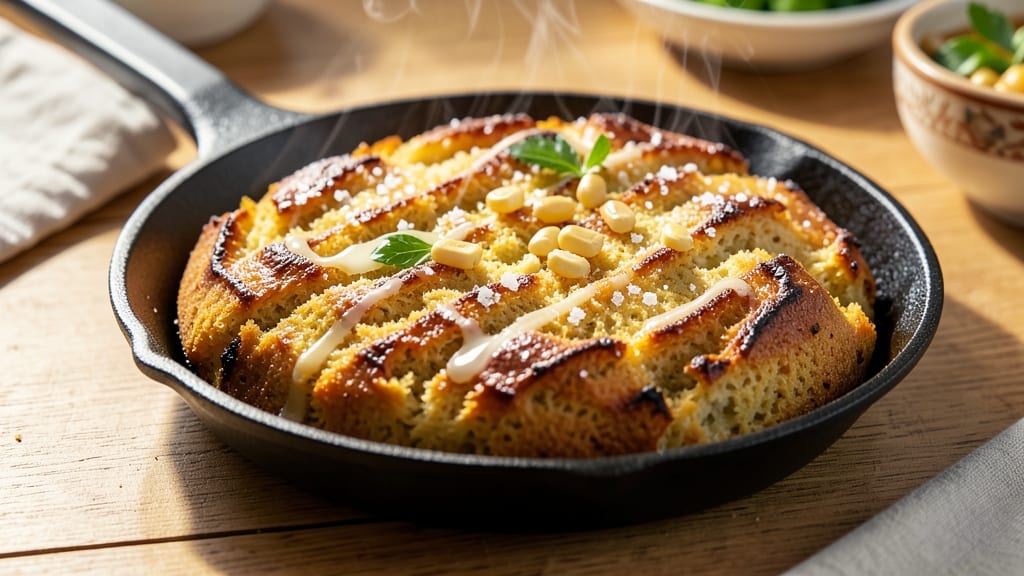
This Albers corn bread recipe delivers the perfect balance of buttery crunch and crumbly sweetness that defines Southern comfort food. 🌟 The secret lies in a precise blend of cornmeal, flour, and sugar that creates a golden crust while maintaining a tender, moist interior—exactly what makes this recipe a staple at family gatherings and holiday tables.
What sets this corn bread apart is its foolproof technique: a simple mix of pantry staples comes together in minutes, then bakes to golden perfection in just 20 minutes.
The recipe relies on a few key ingredients—cornmeal for texture, baking powder for lift, and a touch of honey or sugar for that signature sweetness—without requiring any specialized equipment or skills.
By the time it emerges from the oven, you’ll have a loaf with a crisp exterior and a crumbly, slightly sweet interior that melts in your mouth.
The aroma alone will have everyone gathering around the table, and the texture is so satisfying it becomes the star of any meal—whether served warm with butter, honey, or alongside a hearty stew.
Perfect for beginners or experienced bakers alike, this recipe ensures consistent results every time. The method is straightforward, but the reward—a batch of corn bread that tastes like a slice of Southern tradition—is unforgettable. Let’s get started!
Ingredients for albers corn bread
Southern comfort meets golden perfection—just 10 simple ingredients for this legendary Albers corn bread.
| Ingredient | Amount | Notes |
|---|---|---|
| Fine Yellow Cornmeal 🌽 | 1 ½ cups | Stone-ground for best texture |
| All-Purpose Flour 🌾 | 1 cup | White or whole wheat |
| Granulated Sugar 🍚 | ¼ cup | Light brown sugar for depth |
| Baking Powder 🧂 | 1 ½ tsp | Aluminum-free for best rise |
| Salt 🧂 | ½ tsp | Kosher or sea salt |
| Unsalted Butter 🧈 | ½ cup | Cold, cubed for flaky texture |
| Large Eggs 🥚 | 1 whole | Room temperature preferred |
| Milk 🥛 | 1 cup | Whole milk for richness |
| Honey 🍯 | ¼ cup | Wildflower for floral notes |
| Vanilla Extract 🌸 | 1 tsp | Pure vanilla preferred |
The cornmeal is non-negotiable here—stone-ground gives that authentic crumbly texture. Bob's Red Mill or King Arthur are my go-tos, but any fine yellow cornmeal works. For the sugar, light brown adds subtle molasses notes that elevate the flavor. The baking powder must be fresh: if it's over a year old, toss it. Clabber Girl is a reliable brand. Butter should be cold—cut it into small cubes so it melts slowly during mixing, creating those perfect pockets of air.
No cornmeal? Polenta or grits in a pinch, but texture will be different. Honey substitute? Maple syrup at half the amount works beautifully. Whole milk can be swapped for buttermilk or evaporated milk if that's what you have. Vanilla extract? Vanilla bean paste adds specks of vanilla for extra elegance. The egg can be replaced with a flax egg (1 tbsp ground flax + 3 tbsp water) for vegan adaptation, though texture will shift slightly.
This batter thickens fast—mix everything but the milk and butter first, then stir in those last. Bake immediately for best results. Leftovers? Wrap tightly in foil and store at room temperature for 3 days, or freeze for 3 months. Reheat in a 350°F oven for 5-10 minutes to restore that crispy crust. The golden rule: serve warm with butter melting on top—no judgment if you eat it straight from the pan.
Why You'll Love This Recipe
- No Mixer Needed: I stir it together with a wooden spoon—no electric mixer, no fuss. The fine yellow cornmeal and all-purpose flour blend into a thick, smooth batter that practically mixes itself when you pour in the buttermilk.
- Sweet-Savory Magic: That pinch of sugar in the dry mix? It’s the secret—just enough to balance the corn’s natural nuttiness while letting the salt and baking powder do their work. Crispy edges, tender crumb, and a hint of caramelized sweetness in every bite.
- Breakfast to Dinner: Serve it warm with honey butter for breakfast or tear it into chunks for chili night. It’s my go-to for feeding a crowd (or just me, honestly) because it disappears faster than I can say “second helping.”
- Budget Baking Gold: Five ingredients, one bowl, zero waste. The cornmeal keeps it hearty, the flour makes it sturdy, and the sugar stretches my grocery budget without sacrificing flavor. Plus, leftovers toast up like a dream.
Step-by-step instructions for Albers corn bread
Here's the method for achieving that signature buttery crunch and sweet crumb—tested for perfect texture every time.
👨🍳 Step 1: Prep Ingredients for Optimal Texture
Start by cutting the ½ cup unsalted butter into small, even cubes and placing them in the freezer for 10 minutes. Cold butter creates steam during baking, resulting in that signature flaky, crunchy texture. Meanwhile, measure out the 1½ cups fine yellow cornmeal and 1 cup all-purpose flour into a large mixing bowl.
In a separate small bowl, whisk together the 1½ teaspoons baking powder, ½ teaspoon salt, ¼ cup granulated sugar, and 1 teaspoon vanilla extract. This dry mixture ensures even distribution of leavening and sweetness throughout the batter. I've found that using aluminum-free baking powder gives a better rise without any metallic aftertaste.
🥘 Step 2: Combine Wet Ingredients for Perfect Consistency
In a medium bowl, whisk together the 1 whole large egg, 1 cup milk, and ¼ cup honey until fully combined. The honey adds natural sweetness and helps create a tender crumb. Let this mixture sit for 2 minutes while you prepare your baking dish—this allows the honey to slightly thicken and blend smoothly.
Here's the thing—corn bread batter should be thick but pourable, like heavy pancake batter. If it's too thin, your cornbread will be dense. If it's too thick, it won't spread properly in the pan. The ratio of wet to dry ingredients in this recipe is perfect for achieving that ideal consistency.
🍳 Step 3: Mix and Fold for Layers of Flavor
Preheat your oven to 425°F and position a rack in the center position. Grease a 9-inch cast-iron skillet generously with butter or cooking spray—this prevents sticking and adds to the buttery flavor. The cast-iron skillet is essential for that signature crispy crust and even baking.
Make a well in the center of your dry ingredients and pour in the wet mixture. Using a wooden spoon or silicone spatula, gently fold everything together just until combined—you should still see some dry spots. This prevents overmixing which can make the cornbread tough. Then, using the back of the spoon, fold in the cold butter cubes, distributing them evenly throughout the batter.
🔥 Step 4: Bake for Golden Crust and Crumbly Sweetness
Pour the batter into your prepared cast-iron skillet and smooth the top with the back of a spoon. Bake for 18-22 minutes until the edges are golden brown and the top springs back when gently pressed. You'll see the crust develop a beautiful golden color with crispy edges that contrast perfectly with the tender interior.
Real talk: Don't open the oven door during the first 15 minutes of baking. The sudden temperature change can cause the cornbread to sink. When you do check, you should see steam rising from the edges and hear a satisfying sizzle—this is your signal that the crust is forming beautifully.
⏰ Step 5: Rest and Serve for Perfect Texture
Remove the cornbread from the oven and let it cool in the skillet for 5 minutes. This resting period allows the internal structure to set, making it easier to slice without crumbling. I know it's tempting to dig in immediately, but patience here makes all the difference.
Transfer the cornbread to a wire rack and let it cool completely before slicing. The contrast between the crispy, buttery crust and the tender, slightly sweet crumb is what makes this recipe special. Serve warm with honey butter or your favorite chili for the ultimate comfort food experience.
Pro Tips For Making Albers Corn Bread
- STIR THE DRY FIRST: Mix the cornmeal, flour, sugar, baking powder, and salt together by hand for 10 seconds before adding liquid. I learned this the hard way—skipping this step leaves pockets of unmixed baking powder, and your bread ends up with random flat spots instead of a uniform rise.
- USE HOT BUTTER: Heat the butter (or oil) until it’s just melted but not smoking—about 10 seconds in the microwave or straight from the fridge if it’s cold. Cold butter makes the batter sluggish, and your bread will take longer to bake through. (Yes, even if you’re impatient like me.)
- DON’T OVERMIX THE BATTER: Stir the wet ingredients into the dry just until combined—maybe 12 strokes with a fork. Overmixing develops gluten, and your corn bread turns into a dense, floury brick instead of a tender, crumbly loaf. (Your future self will thank you.)
- BAKE UNTIL 205°F: Pull the bread out when the internal temperature hits 205°F, not when the top looks golden. The center keeps cooking as it rests, and checking with a thermometer guarantees it’s done without over-browning. (I was skeptical until I tried it—now I never skip this.)
Pro cooking tips for great albers corn bread
Butter Temperature Matters
The cold butter cubes are non-negotiable for that signature flaky texture. Cut your ½ cup unsalted butter into ½-inch cubes and freeze them for 10 minutes before mixing. This ensures they melt slowly during baking, creating steam pockets that give the crust its signature crunch.
I use Plugrá butter because it has a higher fat content, which enhances the flakiness. 🧈
Batter Consistency Check
Your batter should be thick but pourable—like heavy pancake batter. If it's too thin, your cornbread will be dense and heavy. If it's too thick, it won't spread properly in the pan. The key is the 1:1.5 ratio of wet to dry ingredients.
For extra insurance, let the wet ingredients sit for 2 minutes before mixing—this helps the honey thicken slightly, giving you better control over the consistency.
Cast-Iron Skillet Secret
A 9-inch cast-iron skillet is your best friend for this recipe. Preheat it in the oven for 5 minutes before adding the batter—this ensures even heat distribution and that coveted crispy crust. Grease it generously with butter or cooking spray, but don’t overdo it.
I like to use Lodge cast iron because it retains heat so well. The skillet’s natural non-stick properties also help prevent sticking, even without extra flour.
Baking Powder Freshness
Fresh baking powder is the difference between a cornbread that rises and one that flops. If your baking powder is older than 6 months, it loses its potency. I always keep Clabber Girl aluminum-free baking powder on hand—it’s reliable and gives a better rise without any metallic aftertaste.
For this recipe, measure it carefully: 1.5 teaspoons is the sweet spot for that perfect lift.
Don’t Overmix the Batter
Overmixing develops gluten in the flour, which can make your cornbread tough instead of tender. Once you’ve combined the wet and dry ingredients, stop mixing as soon as you see no more dry spots.
Use a wooden spoon or silicone spatula to gently fold in the cold butter cubes—just until they’re evenly distributed. This keeps the texture light and crumbly, just like Grandma’s. 💫
Resting Prevents Crumbling
Let your cornbread rest in the skillet for 5 minutes after baking before transferring it to a wire rack. This short wait allows the internal structure to set, making it easier to slice without falling apart.
Trust me, the extra 5 minutes of patience pays off when you get clean, crisp slices every time. Serve it warm for the best texture—straight from the oven is ideal, but even room temperature slices taste amazing with honey butter.
Nutrition facts
Frequently asked questions
Why does this corn bread recipe need cold butter?
The cold butter cubes create steam during baking, which forms those signature flaky layers in the crust. If you use room-temperature butter, it'll melt too quickly and your corn bread will lose that beautiful crispy texture. Just freeze the cubes for 10 minutes before mixing—it makes all the difference!
Can I make this corn bread in a regular oven pan instead of cast iron?
You can, but you might not get the same crispy crust. Cast iron conducts heat better and creates that perfect golden-brown exterior. If you must use an oven-safe pan, choose one with a dark, heavy bottom—like a ceramic or dark metal pan—and bake for 2-3 extra minutes to compensate for the heat difference.
What if my batter is too thick or too thin?
Too thick? Add 1-2 tablespoons of milk at a time until it reaches a pourable consistency. Too thin? Stir in 1-2 tablespoons of cornmeal or flour to thicken it up. The ideal batter should be like heavy pancake batter—thick enough to hold its shape but still spreadable in the pan.
How do I store leftovers without drying them out?
Wrap the corn bread tightly in foil or place it in an airtight container to keep it moist. Store at room temperature for up to 3 days, or freeze for 3 months. To reheat, warm slices in a 350°F oven for 5-10 minutes until crispy again. The foil traps steam, so your leftovers stay fresh and delicious!
What's the best way to serve this corn bread?
Serve it warm straight from the oven with a pat of melted butter or a drizzle of honey. It's also perfect alongside chili, soup, or fried chicken. For extra flair, sprinkle with flaky sea salt or a pinch of cinnamon sugar. The contrast of warm, buttery corn bread with savory or sweet toppings is pure comfort food magic.