
Side Dishes
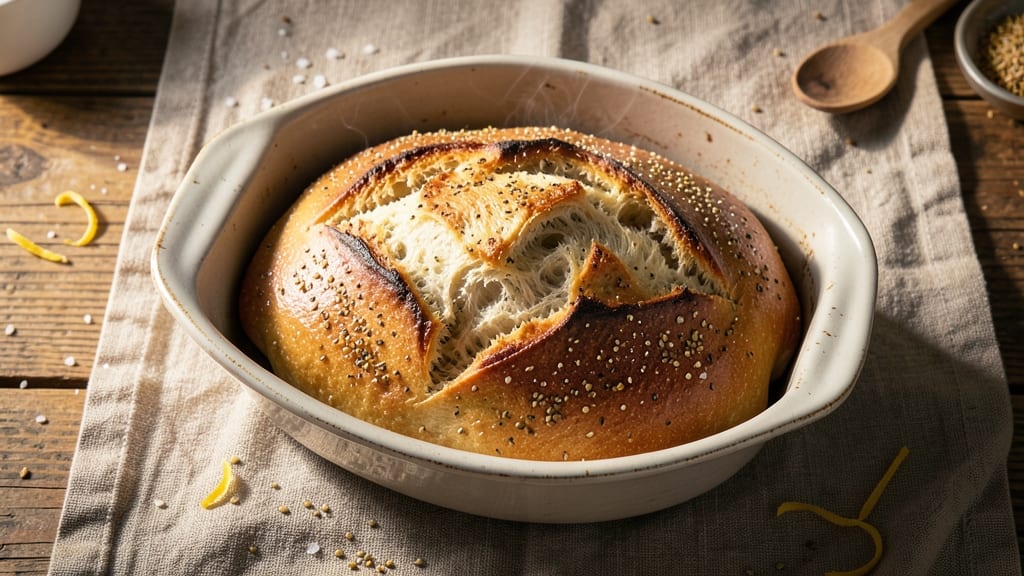
This allergen-free bread recipe delivers the satisfying rise and texture of traditional bread without gluten, dairy, or cross-contamination risks. I’ve baked dozens of versions to perfect a loaf that’s sturdy enough for sandwiches yet tender enough to melt in your mouth—no crumbly compromise.
The secret lies in a blend of gluten-free flours and a simple egg substitute that mimics the structure of conventional bread dough.
What sets this recipe apart is its foolproof technique for achieving a high rise without yeast or dairy. We use a combination of xanthan gum and psyllium husk to bind the flours, while a flaxseed "egg" provides moisture and structure.
The dough is mixed in a stand mixer for even development, then baked in a loaf pan for that classic, homestyle shape.
By the time it emerges from the oven, you’ll have a golden-brown loaf with a crisp crust and a soft, airy crumb—just like the bread you grew up with. The flavor is mild enough to pair with any filling but rich enough to enjoy on its own.
Best of all, it’s safe for those with multiple allergies without sacrificing taste or texture.
This recipe includes cross-contamination precautions to ensure safety, along with tips for storing and slicing the bread so it stays fresh for days. Let’s get baking—your first allergen-free loaf is just minutes away.
Ingredients for allergen free bread
Allergen-free baking starts here—simple ingredients, big results with no crumbly compromise.
| Ingredient | Amount | Notes |
|---|---|---|
| Gluten-Free All-Purpose Flour Blend 🌾 | 2 cups | Bob's Red Mill 1:1 blend preferred |
| White Rice Flour 🌾 | ½ cup | For lighter texture |
| Tapioca Starch 🌾 | ½ cup | Ensures chewy texture |
| Xanthan Gum 🧂 | ½ tsp | Critical for structure |
| Psyllium Husk Powder 🌿 | 1 tbsp | For rise and binding |
| Ground Flaxseed 🌰 | ¼ cup | For flaxseed egg substitute |
| Water 💧 | 1 ¼ cups | Room temperature preferred |
| Applesauce 🍎 | ¼ cup | Unsweetened for moisture |
| Sugar 🍚 | 1 tbsp | White or brown sugar |
| Salt 🧂 | 1 tsp | Diamond Crystal preferred |
| Active Dry Yeast 🍞 | 1 tsp | Optional for extra rise |
| Olive Oil 🫒 | 2 tbsp | Extra-virgin for richness |
The flours make all the difference. Bob's Red Mill 1:1 blend is my go-to—it's got the right balance of proteins and starches for that classic bread texture. If you're using a different blend, check the package for xanthan gum content—some include it, others don't. Trader Joe's carries a solid gluten-free flour mix too, but I've found Bob's gives a more consistent rise. For the psyllium husk, grab the powdered version at health food stores—it dissolves better than whole husks. The flaxseed needs to be freshly ground for that perfect egg substitute texture.
No psyllium husk? Chia seeds soaked in extra water (1 tbsp chia + 3 tbsp water = 1 tbsp psyllium) works in a pinch. Swapping the rice flour for more all-purpose blend? Add an extra 0.25 tsp xanthan gum. The yeast is optional but gives that extra lift—skip it if you're strictly avoiding all allergens. For the applesauce, unsweetened is key—Mott's works great. And if you're worried about cross-contamination, use separate utensils and bowls that haven't touched gluten-containing ingredients.
Mix the dry ingredients first—it's easier to adjust the wet components later. The dough should be sticky but manageable. Wet your hands when handling it to prevent sticking. Store any leftovers in an airtight container with a slice of bread on top to keep it fresh longer. This loaf reheats beautifully—wrap a slice in foil and warm in the oven for 5-10 minutes to restore that fresh-baked feel. Freezes well for up to 3 months too, just thaw at room temperature before slicing.
Why You'll Love This Recipe
- No-Fuss Mixing: I swear by the 5-minute prep here—the blend of rice flour and tapioca starch makes the dough actually behave, no sticky mess. Just toss it all in a bowl, add water, and let the psyllium husk do its magic.
- Toasty Crunch: That crispy exterior? All the white rice flour and tapioca starch working together. It’s got a satisfying crunch without tasting like cardboard—honestly, it’s the closest I’ve found to real bread.
- Weeknight Hero: I keep a batch in the freezer for lazy mornings—just slice and toast. Works for sandwiches, French toast, or even garlic bread. (Yes, even on a Tuesday night.)
- Budget-Friendly Staple: A single bag of that gluten-free blend lasts me months, and the other ingredients are cheap staples. No fancy ingredients, just reliable, delicious bread that doesn’t break the bank.
Step-by-step instructions for allergen-free bread
Here's how to create a light, airy loaf that rivals traditional bread—no compromises.
Create the Flaxseed Egg Substitute
In a small bowl, combine the 0.25 cup ground flaxseed with 0.5 cup water. Stir well and let it sit for 5 minutes—this will thicken into a gel-like consistency that mimics eggs. This step is crucial for binding since we're avoiding traditional eggs.
I like to use a whisk for this because it helps distribute the flaxseed evenly. If you notice any dry spots, add a splash more water. The mixture should resemble raw egg whites in texture—smooth and slightly viscous. Set this aside while you prepare the rest of the dough components.
Mix the Dry Ingredients
In a large mixing bowl, sift together the 2 cups gluten-free all-purpose flour blend, 0.5 cup white rice flour, 0.5 cup tapioca starch, 0.5 tsp xanthan gum, 1 tbsp psyllium husk powder, 1 tbsp sugar, and 1 tsp salt. Whisk these ingredients thoroughly to eliminate any lumps and ensure even distribution.
The psyllium husk powder is what gives this bread its rise and chewy texture, so don't skip mixing it well. If you're using the optional 1 tsp active dry yeast, sprinkle it over the dry ingredients now and whisk it in. This blend forms the foundation of our bread's structure—each ingredient plays a specific role in achieving that perfect crumb.
Combine Wet Ingredients
In a separate bowl, mix the 1.25 cups room temperature water, 0.25 cup unsweetened applesauce, 2 tbsp extra-virgin olive oil, and the flaxseed egg substitute you prepared earlier. Stir until everything is fully incorporated. The applesauce adds moisture without altering flavor, while the olive oil contributes richness.
Here's where it gets interesting—the applesauce might seem like an odd addition, but it helps create a tender crumb. The olive oil also prevents the bread from becoming too dense. Give this mixture a good stir, ensuring the flaxseed gel is evenly distributed throughout the wet ingredients.
Form the Dough and Knead
Pour the wet ingredients into the bowl with the dry ingredients. Using a wooden spoon or dough whisk, stir until just combined. You'll notice the mixture will be thicker than traditional bread dough—this is normal. Let it rest for 5 minutes while you prepare your work surface.
After resting, transfer the dough to a lightly floured surface (use your gluten-free flour blend). Knead gently for about 3-4 minutes, just until the ingredients come together. Be careful not to overwork the dough—gluten-free bread can become tough if kneaded too vigorously. The dough should be smooth and slightly tacky but not sticky.
Shape and Proof the Dough
Shape the dough into a loaf by gently rounding it and then forming it into an oval. Place it seam-side up in a greased 9x5-inch loaf pan. Cover the pan with a damp kitchen towel and let it rise in a warm place for 1 to 1.5 hours, or until it has nearly doubled in size. The psyllium husk powder will help with this rise, but be patient—gluten-free dough rises more slowly than traditional dough.
I like to place my proofing dough near a warm oven with the light on, or in a slightly warm oven with the heat off. You'll know it's ready when the dough has expanded significantly and feels springy when gently pressed. If it doesn't rise much, don't worry—this bread will still bake up beautifully.
Bake to Golden Perfection
Preheat your oven to 375°F while the dough proofs. Once the dough has risen, brush the top lightly with water or a bit of olive oil for a golden crust. Bake for 40 to 45 minutes, or until the internal temperature reaches 205°F and the top is golden brown. The bread should sound hollow when tapped on the bottom.
This is where the magic happens—the combination of tapioca starch and psyllium husk powder creates that perfect chewy texture. If the top browns too quickly, tent the loaf with foil after 20 minutes to prevent over-browning. Let the bread cool in the pan for 10 minutes before transferring to a wire rack to cool completely.
Pro Tips For Making Allergen Free Bread
- Mix the Psyllium Last: Mixing psyllium husk powder into your wet ingredients first creates a smooth, gel-like binder that blends seamlessly with the rest of the batter. Dumping it dry into the flour blend at the start leads to clumpy, uneven distribution—trust me, you’ll taste the difference in texture.
- Steam First, Then Bake: Preheat your oven with a pan of boiling water on the lower rack—this adds crucial steam for the first 15 minutes of baking. Without it, your bread’s crumb turns dense and gummy instead of light and airy. (Yes, even if you’re impatient like me.)
- Check for Doneness at 325°F: Pull your bread out when the internal temperature hits 190°F—gluten-free loaves often look underdone at 350°F. Overbaking dries them out, while underbaking leaves them gummy. A toothpick should come out clean but slightly moist, not wet.
- Whisk the Xanthan Gum: Don’t just sprinkle xanthan gum into the dry ingredients—whisk it into your wet mix first. It dissolves better and distributes evenly, preventing sticky patches or a weird aftertaste. (I learned this after one particularly disastrous batch where half the loaf tasted like rubber.)
Flavor customization for this recipe
Sweet Variations
For a subtle sweetness, add 1 tbsp honey or 1 tbsp maple syrup to the wet ingredients. This works beautifully with cinnamon—just sprinkle ½ tsp cinnamon into the dry mix for a cinnamon-raison loaf. I love this version toasted with almond butter for a breakfast treat. 🍯
Herb-Infused Flavors
Transform this bread into a savory loaf by adding 1 tbsp dried rosemary or 1 tbsp dried thyme to the dry ingredients. For a fresh twist, mix 2 tbsp chopped fresh parsley or 1 tbsp chopped fresh basil into the wet ingredients.
These herbs pair perfectly with olive oil for a Mediterranean-inspired bread.
Seed and Nut Boosts
For extra texture and nutrition, stir in 2 tbsp sunflower seeds or 2 tbsp pumpkin seeds to the dry ingredients. If you're avoiding nuts, these seeds add crunch without risk.
For a nutty flavor, add 2 tbsp finely chopped walnuts or 2 tbsp pecans—just ensure they're roasted and cooled first to prevent excess moisture in the dough.
Savory Garlic and Cheese
Create a cheesy loaf by adding ½ cup nutritional yeast to the dry ingredients for a cheesy flavor without dairy. For a garlic twist, mix 1 tbsp minced garlic into the wet ingredients.
This version is perfect for garlic butter sandwiches or as a side for soups. The nutritional yeast gives a rich, umami depth that's hard to resist. 🧄
Spiced and Warm
Warm up your bread with ½ tsp ground cumin and ½ tsp smoked paprika in the dry mix. This creates a Middle Eastern-inspired flavor that pairs perfectly with hummus or spicy dips.
For a cozy winter twist, add ½ tsp ground nutmeg and ½ tsp allspice—the spices blend beautifully with the natural sweetness of the applesauce.
Everything Bagel Style
Make an everything bagel-inspired loaf by adding 1 tbsp poppy seeds, 1 tbsp sesame seeds, and 1 tbsp dried onion flakes to the dry ingredients. For extra flavor, sprinkle ½ tsp garlic powder and ½ tsp onion powder into the mix.
This version is fantastic with cream cheese or schmear-style spreads, even if you're avoiding dairy.
Nutrition facts
Frequently asked questions
Can I make this bread without psyllium husk?
You can substitute psyllium husk with 1 tbsp chia seeds soaked in 3 tbsp water (let it sit for 10 minutes to thicken). Without it, the bread may be denser—psyllium is key for that signature chewy texture and rise. For extra structure, add 0.25 tsp extra xanthan gum to compensate.
How do I prevent cross-contamination when baking?
Use separate utensils, bowls, and even your mixer if you handle allergens like gluten. Wipe down surfaces with a damp cloth before starting, and store your gluten-free ingredients in a sealed container away from other flours. For extra safety, bake this bread first if you share your kitchen with others.
Why did my bread turn out gummy instead of soft?
Overmixing or too much moisture (like extra applesauce) can cause gumminess. The dough should be sticky but not soupy—if it feels wet, add 1-2 tbsp more gluten-free flour. Also, ensure your oven isn't too hot (375°F is ideal) and bake until the internal temp reaches 205°F.
Can I make this bread without yeast?
Yes! The psyllium husk and flaxseed egg provide enough structure without yeast. For extra rise, let the dough proof longer (up to 2 hours) in a warm place. The texture will be slightly denser but still delicious—great for sandwiches or toast.
How long will this bread stay fresh?
Store in an airtight container with a slice of bread on top to prevent drying. It stays fresh for 3-4 days at room temperature or up to 3 months in the freezer. Toast slices before serving for the best texture—this bread reheats beautifully!