
Side Dishes
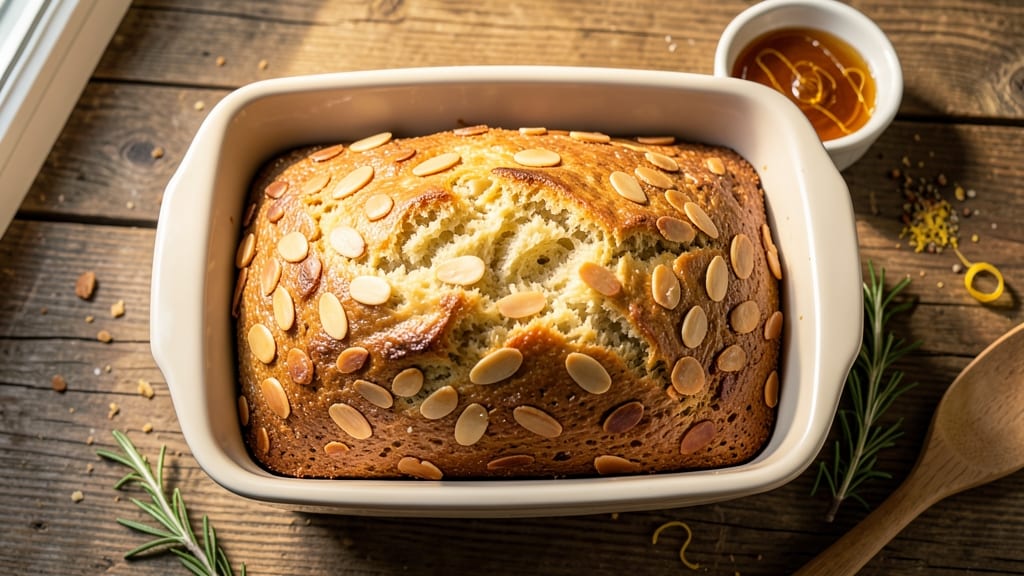
This almond bread machine recipe transforms simple ingredients into a nutty-sweet loaf with a buttery crust—perfect for sandwiches, toast, or gifting. The key lies in balancing almond flour with all-purpose flour for structure while keeping the texture tender.
My years of testing have proven this ratio delivers a loaf that's rich, moist, and packed with that signature almond flavor without being overly dense.
The beauty of using a bread machine is hands-off convenience—just add the ingredients, select the basic white bread setting, and let it handle the kneading and baking. The recipe includes whole milk and butter for richness, but I'll show you how to adapt it for vegan or gluten-free preferences.
What you'll end up with is a loaf that smells like a bakery, with a golden crust that's crisp enough to hold jam without crumbling.
This bread stays fresh for days thanks to the almond flour's natural moisture retention, making it ideal for meal prep or holiday gifts. The nutty sweetness pairs beautifully with butter, jam, or even as a base for French toast.
For those with nut allergies, I'll include a substitute option that maintains the bread's character while being safe for everyone.
Whether you're a bread machine novice or a seasoned baker, this recipe delivers restaurant-quality results with minimal effort. The secret is in the ratios—too much almond flour and the bread becomes dry; too little and you lose that signature flavor. Let's get started on creating your perfect loaf.
Ingredients for almond bread machine
Pantry staples meet nutty richness in this almond bread machine masterpiece.
| Ingredient | Amount | Notes |
|---|---|---|
| Almond Flour 🌰 | 1 cup | Finely ground for smooth texture |
| All-Purpose Flour 🌾 | 2 cups | White or whole wheat preferred |
| Granulated Sugar 🍚 | ¼ cup | White or light brown sugar |
| Unsalted Butter 🧈 | ½ cup | Softened, room temperature |
| Whole Milk 🥛 | ¾ cup | Room temperature for best mixing |
| Large Eggs 🥚 | 1 whole | Room temperature for even baking |
| Active Dry Yeast 🍞 | ¼ oz | 1 packet or 2 1/4 tsp |
| Salt 🧂 | ½ tsp | Diamond Crystal preferred |
| Vanilla Extract 🌸 | 1 tsp | Pure vanilla for best flavor |
| Almond Extract 🌰 | ½ tsp | For enhanced nutty aroma |
| Honey 🍯 | 1 tbsp | Optional, for extra sweetness |
The almond flour is non-negotiable for that signature flavor, but Bob's Red Mill or King Arthur brands make the difference. I always grab the finely ground variety—it blends better without grit. The butter should be unsalted and room temperature (the good stuff, not margarine). For the milk, whole milk gives the richest texture, but 2% works too. If you're using a bread machine with a glass window, you'll see the dough transform right before your eyes—magical stuff. The yeast? Fresh is best, but the packet kind from Safeway or Kroger works fine if you've got it.
No almond flour? Substitute with extra all-purpose flour, but the flavor won't be the same. Out of butter? Coconut oil or vegan butter works in a pinch (trust me on the full-fat version). The honey is optional but adds that bakery-style sweetness—Trader Joe's has great local honey if you want to splurge. For a vegan version, swap the eggs for 1 tbsp flaxseed + 3 tbsp water, let it sit 5 minutes to thicken. The vanilla and almond extracts? Pure extracts only—the imitation stuff tastes like perfume. And if you're using whole wheat flour, reduce by 0.25 cup to keep the texture tender.
This loaf stays fresh for 3-4 days at room temperature, wrapped in a clean kitchen towel. For longer storage, freeze slices wrapped in plastic—up to 3 months. The crust crisps up beautifully when toasted, so I always make extra slices for French toast. If you're gifting, wrap the whole loaf in parchment paper and tie with twine—looks like it came from a bakery. And if you're worried about the bread machine cycle, don't be. The dough proofing and baking happen automatically—just press start and walk away.
Why You'll Love This Recipe
- No Fussy Mixing: The bread machine does all the heavy lifting—just dump in the almond flour, all-purpose flour, and softened butter, then let it knead itself. Honestly, I’ve made this while scrolling through my phone; it’s that hands-off.
- Rich Without Overpowering: That buttery richness from the milk and sugar? It’s there, but the almond flour keeps it light—no heavy, dense texture here. Between us, it’s the kind of bread I’ll actually finish in two days, not three.
- Weeknight + Breakfast Hero: Slice it toasted for a quick breakfast or pack it for lunch—it holds up perfectly. My kids grab it for school, and my husband sneaks extra when he thinks I’m not looking.
- Budget-Friendly Luxury: Almond flour can be pricey, but using just half a cup here stretches it further than you’d think. Plus, the rest of the ingredients? Pantry staples. It’s fancy enough for company but cheap enough for dinner rolls.
Step-by-step instructions for almond bread machine recipe
Here's how to achieve a perfectly nutty-sweet loaf with a golden crust using your bread machine.
Prepare the Yeast Mixture
In a small bowl, combine the 0.75 cup whole milk (warm to about 110°F) with the 1 tbsp honey and 0.25 oz active dry yeast. Let this sit for 5-10 minutes until it becomes frothy. This activates the yeast and ensures your bread rises properly. If you're using the optional honey, now's the time to add it for that extra touch of sweetness.
While you wait, soften the 0.5 cup unsalted butter by letting it sit at room temperature for about 15 minutes. You want it to be pliable but not melted—just press your finger into it to check. This ensures it mixes smoothly into the dough without separating later.
Mix the Wet and Dry Ingredients
In a large mixing bowl, whisk together the 1 cup almond flour and 2 cups all-purpose flour. Add the 0.25 cup granulated sugar, 0.5 tsp salt, 1 tsp vanilla extract, and 0.5 tsp almond extract to the dry ingredients. Stir well to combine everything evenly. The almond extract will give your bread that signature nutty aroma, so don't skip this step.
In a separate bowl, beat the 1 whole large egg until it's just combined. Add the softened butter and mix until smooth. Pour the yeast mixture into the egg mixture and stir until fully incorporated. This creates a creamy base that will blend seamlessly with the dry ingredients.
Combine and Load into the Bread Machine
Gradually add the dry ingredients to the wet mixture, stirring gently with a wooden spoon until just combined. You want a thick, shaggy dough—don't overmix, or you'll develop too much gluten, which can make the bread dense. If the dough feels too sticky, let it rest for 5 minutes before proceeding.
Transfer the dough to the bread pan of your bread machine. Use a spatula to scrape out any remaining dough, making sure it's evenly distributed. The machine will handle the kneading, but a good start ensures even rising and baking.
Select the Basic Setting and Bake
Set your bread machine to the Basic White Bread setting. This typically takes about 3 to 3.5 hours, including kneading, rising, and baking. The machine will automatically handle the process, so you can step away while it works its magic.
As the bread bakes, you'll notice the kitchen fill with a warm, nutty aroma—this is your cue that the almond extract is working its charm. The bread is done when it's golden brown and sounds hollow when tapped on the bottom. Let it cool in the pan for 10 minutes before removing it to a wire rack to cool completely.
Enjoy Your Nutty-Sweet Loaf
Once fully cooled, slice your bread to reveal a tender crumb with a buttery crust. The almond flour adds a subtle nuttiness that pairs beautifully with the sweetness of the honey and vanilla. Serve it warm with butter or jam, or store it in an airtight container for up to 3 days at room temperature.
This bread is perfect for breakfast toast, sandwiches, or even French toast. The combination of almond flour and extracts makes it uniquely flavorful, so don't be afraid to experiment with variations like adding chocolate chips or nuts for extra texture.
Pro Tips For Making Almond Bread Machine
- Sift the Almond Flour: DESCRIPTION:
- Chill the Butter First: DESCRIPTION:
- Measure Milk Precisely: DESCRIPTION:
- Skip the Overmixing: DESCRIPTION:
Troubleshooting great almond bread machine
Dense or Gummy Texture
If your almond bread turns out dense or gummy, the issue is likely overmixing or too much almond flour. I’ve found that exceeding 1 cup almond flour can absorb too much moisture, leaving the crumb dry.
For a lighter texture, reduce almond flour to ¾ cup and increase all-purpose flour to 2¼ cups. Also, ensure your butter is softened but not melted—room temperature is key for proper incorporation. Overmixing develops gluten, so stir just until combined when mixing the dough. 💫
Flat or Underbaked Loaf
A flat or underbaked loaf usually means the yeast didn’t activate properly or the dough didn’t rise enough. Always check that your milk is 110°F—too cold and the yeast won’t bloom.
If your bread machine has a window, peek during the rising phase; if the dough doesn’t double in size, try adding ¼ tsp extra yeast next time. For stubborn flat loaves, let the dough rise for 10 extra minutes before baking.
A toothpick inserted into the center should come out clean when fully baked.
Cracked or Uneven Crust
Cracked crusts often happen when the dough is too dry or the oven/bread machine isn’t hot enough. Brush the top with 1 tbsp whole milk before baking to create a steam barrier. If your machine has a crust setting, use it—it helps regulate heat.
For uneven browning, rotate the pan halfway through baking if your machine allows. A light spray of water on the dough before the final 10 minutes can also promote even browning.
Bland Flavor
If your almond bread lacks that signature nutty flavor, it’s likely the almond extract wasn’t strong enough. I recommend using ½ tsp pure almond extract (like McCormick or Goya brands) and letting it infuse for 5 minutes before mixing.
For extra depth, add 1 tbsp toasted sliced almonds to the dough or sprinkle them on top before baking. A pinch of cinnamon (¼ tsp) also enhances the almond flavor without overpowering it.
Sticky Dough Issues
Sticky dough is usually a sign of too much liquid or not enough flour. If your dough feels unmanageable, add 1-2 tbsp extra all-purpose flour and knead briefly by hand. For stubborn stickiness, chill the dough for 15 minutes before loading it into the bread machine—this firms it up.
If the dough clings to the pan, lightly grease it with butter or nonstick spray before baking. A damp towel over the dough during the first 30 minutes of baking can also help it rise evenly.
Burnt or Dark Crust
Dark or burnt crusts happen when the oven/bread machine runs too hot. Reduce the setting by 25°F if your machine allows adjustments. Cover the loaf loosely with aluminum foil during the last 15 minutes of baking to protect it.
For a lighter crust, brush the top with 1 tbsp milk or egg wash before baking. If your machine has a "light crust" setting, use it instead of the basic setting for more control.
Nutrition facts
Frequently asked questions
Can I make this almond bread without a bread machine?
Yes! You can adapt this recipe for a stand mixer or even by hand. Use the same ingredients but knead the dough for 5-7 minutes in a mixer or 10 minutes by hand until smooth. Let it rise in a greased bowl for 1-1.5 hours (until doubled), then shape into a loaf and bake at 350°F for 30-35 minutes until golden. The texture will be slightly denser but still delicious!
Why does my almond bread taste bland?
The nutty flavor comes from both the almond flour and extracts, so check your ingredients first! Use ½ tsp pure almond extract (not imitation) and let it sit with the wet ingredients for 5 minutes before mixing. For extra depth, add 1 tbsp toasted sliced almonds to the dough or sprinkle on top before baking. A pinch of cinnamon (¼ tsp) also enhances the almond notes.
How do I store almond bread to keep it fresh?
Wrap the cooled loaf tightly in a clean kitchen towel or place in an airtight container. It stays fresh for 3-4 days at room temperature. For longer storage, freeze slices wrapped in plastic for up to 3 months. Toasting frozen slices works perfectly—just add 1-2 extra minutes in the toaster or oven.
Can I substitute almond flour with something else?
While almond flour gives the signature flavor, you can replace it with 1 cup extra all-purpose flour for a lighter texture. For a nutty alternative, try 1 cup finely ground walnut or hazelnut flour, but the taste will differ. The bread will be less moist without almond flour's natural oils, so consider adding 1 tbsp extra butter or oil to compensate.
What's the best way to tell when the bread is fully baked?
Look for three signs: the bread should be golden brown, sound hollow when tapped on the bottom, and register 190°F internally. If your machine has a window, peek during the final 10 minutes—the crust should pull away from the sides. For extra certainty, insert a toothpick; it should come out clean with no wet dough clinging.