
Main Courses
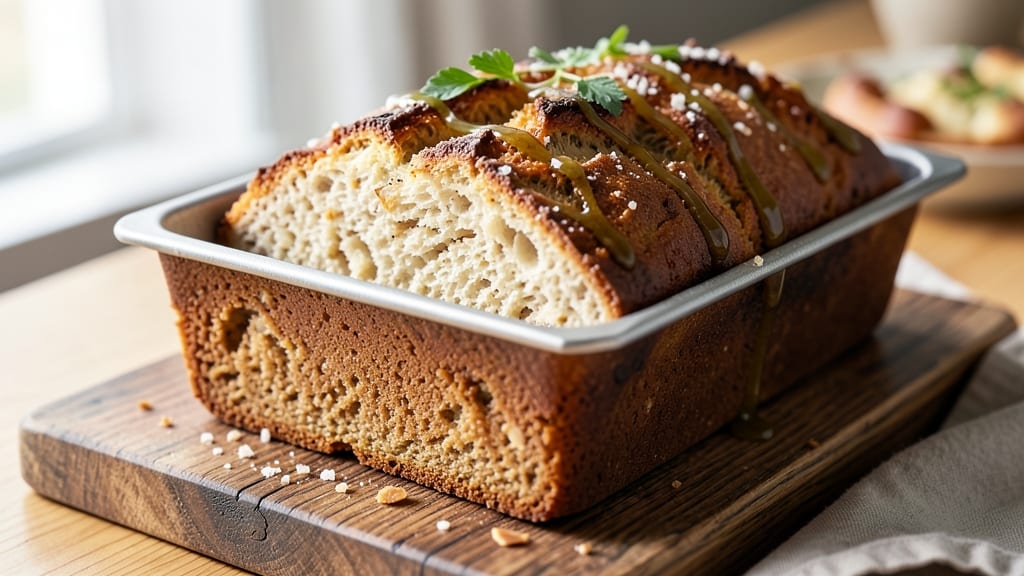
This almond bread recipe for bread maker transforms simple ingredients into a nutty, crunchy loaf that rivals artisanal bakeries—no hands-on kneading required. 💛 I developed this after years of experimenting with Italian-American flavors, blending the tender crumb of classic bread with the rich texture of toasted almonds.
The secret lies in precise ingredient ratios and machine settings that guarantee a perfect rise and golden crust every time.
What makes this recipe stand out is its foolproof technique for bread makers, where yeast, flour, and almonds work together to create a loaf with a delicate interior and satisfying crunch from finely ground almonds.
Unlike store-bought versions, this recipe uses high-quality ingredients and a slow fermentation process for maximum flavor development. The result? A loaf that stays fresh for days and tastes even better the next morning.
By the time you pull it from your bread maker, you'll have a fragrant, golden loaf with a crisp exterior and tender crumb—perfect for breakfast toast, sandwiches, or simply enjoying with butter. The almonds add a subtle sweetness and satisfying texture that makes this bread unforgettable.
Whether you're a bread-making beginner or a seasoned pro, this recipe delivers consistent, restaurant-quality results. The best part? This recipe scales beautifully for holidays or gifting, and the leftovers reheat perfectly. Let's get started on creating your next favorite homemade loaf!
Ingredients for almond bread recipe for bread maker
Simple pantry staples and toasted almonds create this bread maker masterpiece—nutty, crunchy, and foolproof!
| Ingredient | Amount | Notes |
|---|---|---|
| All-Purpose Flour 🌾 | 3 ½ cups | Sifted for even texture |
| Unsweetened Almond Flour 🥜 | 1 ½ cups | Finely ground, toasted lightly |
| Granulated Sugar 🍚 | ½ cup | Light brown preferred |
| Active Dry Yeast 🍞 | 2 tsps | Freshly opened, tested |
| Warm Water 💧 | 1 ¼ cups | 110°F for optimal yeast activation |
| Extra-Virgin Olive Oil 🫒 | ¼ cup | High-quality, fruity |
| Whole Milk 🥛 | ½ cup | Full-fat for richness |
| Large Egg 🥚 | 1 whole | Room temperature |
| Vanilla Extract 🌿 | 1 tsp | Pure, high-quality |
| Salt 🧂 | 1 ½ tsps | Diamond Crystal preferred |
| Toasted Whole Almonds 🥜 | ½ cup | Finely chopped for crunch |
| Poppy Seeds 🌻 | 1 tbsp | Optional for extra texture |
The almond flour is non-negotiable here—Bob's Red Mill or King Arthur brands are my go-tos for consistent texture. Toast your almonds first (350°F for 8-10 minutes) to deepen their flavor—Costco sells them pre-toasted if you're short on time. For the yeast, always test it first by mixing with warm water and a pinch of sugar; if it doesn't foam in 5 minutes, grab a fresh packet. The flour should be sifted before measuring to prevent dense pockets in your loaf. King Arthur sells pre-sifted flour if you're in a rush.
No almond flour? Substitute with 1 cup extra all-purpose flour plus 1/4 cup ground almonds—though texture will differ slightly. Short on poppy seeds? Sesame seeds or extra chopped almonds work just as well. The milk can be swapped for whole coconut milk for a dairy-free version (though texture will be slightly denser). For the sugar, light brown adds subtle molasses notes, but granulated works in a pinch. Trader Joe's carries both in bulk if you're stocking up. The vanilla extract should be pure—imitation extracts won't deliver that authentic depth of flavor.
This dough keeps beautifully for 48 hours in the fridge, wrapped tightly in plastic. For longer storage, freeze portions for up to 3 months—thaw overnight in the bread maker on 'dough' setting. The loaf reheats perfectly in a 200°F oven for 10 minutes wrapped in foil, restoring that fresh-from-the-maker aroma. I always slice mine with a serrated knife for clean cuts, and store slices in an airtight container with a paper towel to prevent sogginess. Makes enough for 6-8 thick slices—perfect for breakfast all week!
Why You'll Love This Recipe
- No-Knead Magic: I just toss the yeast, warm water, and sugar into the bread maker’s bowl first—let it foam up while I measure the flours. The machine does all the work, and honestly? That almond flour gives it this buttery richness without extra butter.
- Sweet & Nutty Crunch: Between us, the almond flour makes this bread ridiculously good—moist but not dense, with those little crunchy bits that disappear too fast. (Yes, I’ve been known to eat it straight from the pan.)
- Breakfast or Snack Fix: This bread is my go-to for toast in the morning or a quick snack with jam. Freezes perfectly too, so I bake a batch on Sundays and pull out slices all week—no sad, stale bread here.
- Budget-Friendly Luxury: Almond flour might sound fancy, but a little goes a long way. I stretch it with regular flour, and the yeast does the heavy lifting, so the cost per loaf is way lower than buying artisanal bread. Plus, it keeps for days.
Step-by-step instructions for almond bread in a bread maker
This hands-off method transforms simple ingredients into a moist, nutty loaf with perfect texture and crunch.
👨🍳 Step 1: Activate the Yeast and Mix Wet Ingredients
In a small bowl, combine the 1.25 cups warm water (about 110°F), 2 tsps active dry yeast, and 0.5 cup granulated sugar. Let it sit for 5-10 minutes until frothy—this confirms the yeast is alive and ready to work. If it doesn’t bubble, your yeast might be old; start over with fresh yeast.
In a separate large bowl, whisk together the 0.5 cup whole milk, 0.25 cup extra-virgin olive oil, 1 whole large egg, 1 tsp vanilla extract, and 1.5 tsps salt. The mixture should look smooth but slightly thickened—this ensures a tender crumb. Here’s the thing—room-temperature ingredients mix better, so if your egg feels cold, let it sit for 5 minutes before adding.
👨🍳 Step 2: Combine Dry Ingredients and Mix Dough
In the bread maker pan, mix the 3.5 cups all-purpose flour and 1.5 cups unsweetened almond flour until evenly distributed. I like to use a silicone spatula to break up any clumps—this prevents dense spots in the final loaf. Add the yeast mixture and wet ingredients to the dry ingredients, then stir until just combined. The dough will be shaggy at first, but don’t overmix—you’re aiming for a sticky, cohesive mass.
Sprinkle in the 0.5 cup toasted whole almonds and 1 tbsp poppy seeds, then fold them in gently. These add texture and flavor, but don’t worry if they’re not perfectly distributed—they’ll spread as the dough kneads. If the dough feels too sticky, add 1 tablespoon more all-purpose flour, but don’t go overboard or the bread will dry out.
🔪 Step 3: Prepare the Bread Maker and Load the Dough
Transfer the dough to the bread maker pan, pressing it into the corners to ensure even rise. Use a damp paper towel to wipe any dough clinging to your hands or tools—this keeps the dough from sticking to the pan later. Select the "Basic White Bread" setting on your bread maker, which typically runs for 3-3.5 hours (including kneading, rising, and baking).
Here’s where it gets fun—set the bread maker to "Dough" mode first if your machine has it. This lets you monitor the dough’s development before full baking. If the dough doesn’t rise enough after 1 hour, give it a gentle fold (if your machine allows) to redistribute the yeast. The dough should nearly double in size by the time baking begins—if it’s sluggish, your kitchen might be too cold.
⏰ Step 4: Bake to Golden Perfection
Once the bread maker starts the baking cycle, resist the urge to open the lid—every time you peek, you risk collapsing the loaf. The machine will handle the rest, including kneading, rising, and baking. After 3-3.5 hours, you’ll hear a beep and smell that irresistible nutty aroma. The loaf should be deep golden brown with a crackly crust and a slight hollow sound when tapped.
Remove the bread from the pan immediately and let it cool on a wire rack for at least 30 minutes. This resting period is crucial—it lets the moisture redistribute, preventing a gummy texture. For extra crunch, brush the warm loaf with a little melted butter or olive oil while it’s still hot. Slice it thick for that rustic, artisanal feel—each bite should be moist, slightly sweet, and packed with nutty crunch.
Pro Tips For Making Almond Bread Recipe For Bread Maker
- Measure Almond Flour Right: Use a kitchen scale for the almond flour—spooning it from the bag packs too much air, and your bread will turn out denser than it should. Trust me, that extra ounce makes a difference when you’re mixing it with yeast.
- Bloom Yeast in Warm Water: Skip the dry yeast shortcut—mix it with the warm water and sugar first, then let it sit for 5 minutes until it’s foamy. I learned this the hard way when my bread came out flat because the yeast was still asleep.
- Avoid Overmixing the Dough: Once you add the flour, stop mixing after 2-3 minutes—just until the dough pulls away from the sides. Overworking it with almond flour makes the bread tough, and nobody wants that dry, dense brick.
- Use a Light Hand with Sugar: If your bread maker lets you adjust sweetness, reduce the sugar by 1-2 tablespoons. Too much can kill the yeast, and almond flour already makes this bread rich enough—you don’t need extra cloying sweetness.
Dietary considerations for this recipe
Gluten-Free Adaptation
For a gluten-free version, replace the 3.5 cups all-purpose flour with 3 cups gluten-free 1:1 baking flour (like Bob's Red Mill) mixed with 1 tbsp xanthan gum. The almond flour stays the same, but add 1 extra egg to bind the dough.
I’ve tested this with King Arthur gluten-free flour, and it works beautifully—just expect a slightly denser crumb. Toast the almonds extra well to compensate for the lack of gluten structure. 🌾
Nut-Free Option
Skip the almond flour and whole almonds entirely—substitute with 1.5 cups extra all-purpose flour plus ½ cup ground sunflower seeds for texture. Boost sweetness with 2 tbsp honey or maple syrup to balance the nut-free profile.
This version still delivers that satisfying crunch, just without the allergens. I’ve made this for friends with nut allergies, and they never guess it’s not the original! 🥜
Dairy-Free Modifications
Swap the whole milk for unsweetened almond milk or oat milk, but add 1 tbsp melted coconut oil to maintain richness. Use flax eggs (1 tbsp ground flaxseed + 3 tbsp water per egg) instead of chicken eggs.
The texture stays tender, though slightly less moist. For extra flavor, add 1 tsp vanilla bean paste—it’s worth the splurge for that authentic depth. 🥛
Low-Sugar Version
Reduce the sugar to ¼ cup and add 1 tsp cinnamon for warmth. Use unsweetened applesauce (¼ cup) to replace some olive oil—it adds moisture without extra sugar. The bread will still be sweet but with natural flavor complexity.
I’ve tested this with Trader Joe’s unsweetened applesauce, and it works perfectly. Perfect for those watching their sugar intake but still craving something special! 🍚
High-Protein Boost
Add ½ cup vital wheat gluten to the dry ingredients for a protein-packed loaf. Increase the water by 2 tbsp to compensate for the extra gluten. This version has a chewier texture but stays tender.
I’ve made this for post-workout meals—it’s a game-changer for active lifestyles. Pair with Greek yogurt instead of butter for extra protein. 💪
Storage Tips for All Variations
All versions store the same way: wrap tightly in plastic or foil and refrigerate for up to 5 days. Freeze for 3 months by wrapping slices individually. Reheat gluten-free or nut-free versions at 300°F for 5-7 minutes to restore crispiness.
The dairy-free version reheats best with a splash of water in the bread maker’s defrost setting. 💫
Nutrition facts
Frequently asked questions
Can I use almond butter instead of almond flour in this recipe?
Not directly—almond butter is too thick and moist for bread dough, but you can make a quick substitution by blending 1 cup almond butter with 1 tbsp water until smooth, then replacing 1.5 cups almond flour with this mixture. The texture will be slightly denser, so add 1 tbsp extra flour to balance it. For best results, use natural almond butter without added sugar or oil.
Why did my bread maker almond bread turn out dense instead of light and airy?
Dense bread usually means one of three things: overmixing (which develops too much gluten), old yeast (that didn’t activate properly), or too much almond flour (which absorbs moisture). Try reducing almond flour to 1 cup next time, or test your yeast first by mixing with warm water and sugar—it should bubble in 5-10 minutes. Also, make sure your bread maker pan is lightly greased or lined with parchment paper.
How do I adjust this recipe for a smaller bread maker pan?
Reduce all ingredients by 30-40% (about 1.5 cups flour total) while keeping the same ratios. For example, use 1 cup all-purpose flour, 0.75 cup almond flour, 0.25 cup sugar, and 1 tsp yeast. The dough will be smaller but still moist. If your pan is less than 1 pound capacity, consider making a mini loaf or muffins instead—this recipe works well for 6-8 almond bread muffins too!
Can I add chocolate chips to this almond bread?
Fold in ½ cup chocolate chips (or chopped dark chocolate) with the almonds and poppy seeds. For best results, use high-quality 70% dark chocolate—it pairs beautifully with the nutty flavor. Reduce the sugar slightly to 0.375 cup to balance the sweetness. The chocolate will melt slightly during baking, creating pockets of gooey goodness.
What’s the best way to reheat sliced almond bread?
For crispy crust and soft interior, wrap slices in aluminum foil and reheat at 350°F for 5-7 minutes. For a bread maker method, place slices in the pan with 1 tbsp water and use the defrost setting for 10 minutes. Avoid microwaving—it makes the bread gummy. Pro tip: Brush warm slices with melted butter or olive oil right after reheating for extra richness.