
Side Dishes
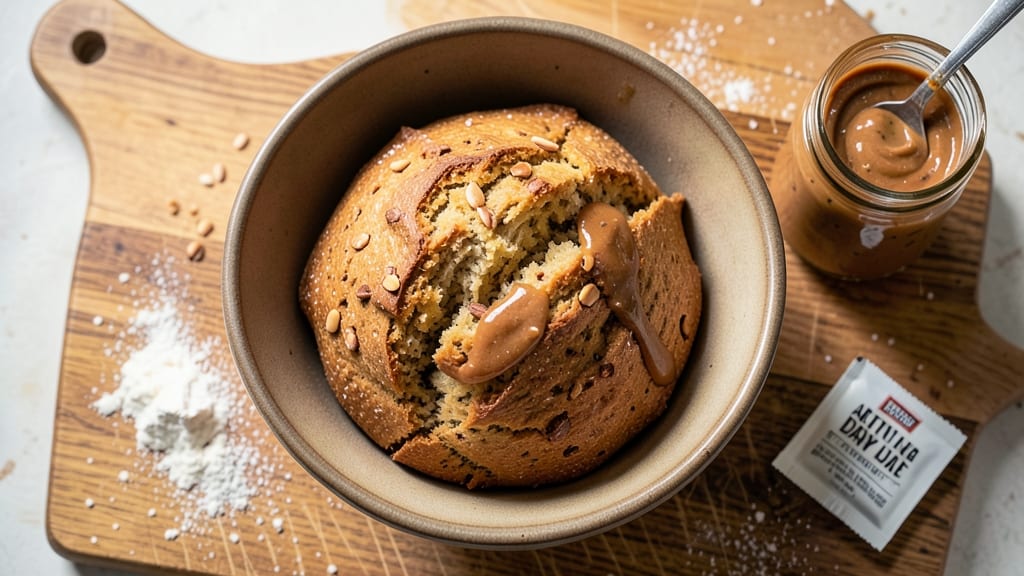
This almond butter bread recipe delivers a nutty-sweet loaf with crunchy texture and moist crumb—perfect for sandwiches or snacking. The rich flavor of almond butter transforms ordinary bread into something extraordinary, while a precise hydration ratio ensures a tender crumb that stays fresh for days.
I developed this recipe after years of baking failures, finally cracking the code for a loaf that balances sweetness and nutty depth without being overly dense.
The secret lies in the dough's structure: a foolproof method of combining almond butter with flour and yeast creates a stable yet tender crumb. Unlike dense nut breads, this version incorporates just enough moisture to keep it soft while maintaining that satisfying crunch.
The crust develops a golden, slightly crisp exterior that contrasts beautifully with the tender interior, making every slice irresistible. Whether you're spreading it with jam or using it for sandwiches, this bread elevates any meal.
What sets this recipe apart is its versatility—while almond butter provides the signature flavor, you can easily substitute other nut butters like peanut or cashew for a different taste profile. The dough requires minimal kneading and a standard proofing time, making it accessible for home bakers.
Baking at the right temperature ensures even browning and a perfect rise, while proper cooling prevents a gummy texture. The result? A loaf that's as impressive to slice as it is to eat.
Once baked, this bread stays fresh for up to 5 days when stored properly, and it freezes beautifully for longer storage. The nutty aroma alone will draw everyone to the kitchen, while the texture delivers that perfect balance of softness and crunch.
Perfect for breakfast, lunch, or as a sweet treat, this almond butter bread is a game-changer for any baking repertoire. Let's get started on creating your own loaf.
Ingredients for almond butter bread
Fourteen ingredients transform your kitchen into a nutty-sweet bread paradise—crunchy outside, tender inside.
| Ingredient | Amount | Notes |
|---|---|---|
| Almond Butter 🥜 | ¾ cup | Natural, unsweetened preferred |
| All-Purpose Flour 🌾 | 3 cups | Spooned and leveled |
| Granulated Sugar 🍚 | ½ cup | Or coconut sugar for refined-free |
| Active Dry Yeast 🍞 | 2 ¼ tsp | Or 1 packet instant yeast |
| Warm Water 💧 | 1 ¼ cups | 110°F for yeast activation |
| Vegetable Oil 🫒 | ¼ cup | Or melted coconut oil |
| Non-Dairy Milk 🥛 | ½ cup | Almond or oat milk works best |
| Ground Flaxseed 🌾 | 1 tbsp | Mixed with 3 tbsp water for egg replacer |
| Salt 🧂 | 1 tsp | Fine sea salt preferred |
| Vanilla Extract 🌸 | 1 tsp | Pure vanilla for best flavor |
| Baking Soda 🧪 | ½ tsp | For tender crumb |
| Poppy Seeds 🌻 | 2 tbsp | Optional for crunchy topping |
Almond butter is the star here, so pick the natural, unsweetened kind—the kind that's just almonds and maybe a touch of salt. Marinated or store-brand almond butter adds extra moisture and can make the dough too sticky. For the yeast, Bob's Red Mill or Anthony's Goods are my go-tos—they activate reliably. The flaxseed egg replacer is non-negotiable for vegan binding, but if you're not strict vegan, a flax egg works perfectly here too. Pro tip: measure your dry ingredients by spooning them into the cup and leveling with a knife—packing flour compresses it and throws off your hydration ratio.
No almond butter? Peanut or cashew butter works in a pinch, but the flavor profile shifts dramatically. The flax egg can be swapped for 1 mashed banana or 1 tbsp chia seeds mixed with 3 tbsp water if you're out of flax. For the milk, almond or oat milk adds richness, but any non-dairy milk will work. The poppy seeds are optional but add that perfect crunchy contrast—skip them if you're allergic or prefer a smoother texture. The vanilla extract? Pure, not imitation. It makes a world of difference in the final flavor. And if you're worried about the dough being too wet, add an extra tablespoon of flour—this bread is forgiving but not magic.
This dough is a beast for make-ahead baking. Shape the loaf, pop it in the fridge overnight, and bake straight from cold for easier handling and even browning. Once baked, let it cool completely on a wire rack—at least 1 hour—or it'll turn gummy. Store wrapped at room temp for 3 days, or freeze the whole loaf for up to 3 months. To reheat, wrap slices in a damp paper towel and microwave for 10-15 seconds. Trust me, the first slice out of the freezer is worth the wait—it's like bread nirvana.
Why You'll Love This Recipe
- No-Knead Magic: I swear by this dough—just mix, let it rise, and forget it. The almond butter’s rich nuttiness cuts through the flour’s simplicity, and the yeast does all the heavy lifting while I sip coffee.
- Rich Without Effort: That first bite? Creamy almond warmth with a whisper of sweetness—no fancy layers, just pure, satisfying flavor. Honestly, I reach for this over store-bought any day.
- Breakfast or Snack: Toss a slice in the toaster for morning toast or pack it for lunch—it holds up perfectly. My kids grab it straight from the fridge when I forget to pack snacks.
- Budget-Friendly Staple: Almond butter stretches further than I expected, and the rest of the ingredients are pantry basics. I make two loaves, freeze one, and still save money compared to artisanal bread.
Step-by-step instructions for almond butter bread
Here's how to create a rich, nutty loaf with perfect texture—every bite will be moist, tender, and packed with almond flavor.
Activate the Yeast and Mix the Dough
In a small bowl, whisk together the 1.25 cups warm water (around 110°F), 0.5 cup granulated sugar, and 2.25 teaspoons active dry yeast. Let it sit for 5-10 minutes until frothy—this tells you the yeast is alive and ready to work. If it doesn't bubble, your bread won't rise properly.
In a large mixing bowl, combine the 3 cups all-purpose flour, 1 teaspoon salt, and 0.5 teaspoon baking soda. Stir in the 0.75 cup almond butter and 0.25 cup vegetable oil until just mixed. Add the yeast mixture and 0.5 cup non-dairy milk, then mix until a shaggy dough forms. I like to use a wooden spoon for this step—it helps distribute the almond butter evenly without overworking the dough.
Next, mix 1 tablespoon ground flaxseed with 3 tablespoons water in a small bowl and let it sit for 5 minutes to form a gel-like egg replacer. Add this to the dough along with 1 teaspoon vanilla extract, then stir until fully incorporated. The dough will be sticky, but that's normal—this almond butter bread needs moisture for that perfect tender crumb.
Knead and Let the Dough Rise
Lightly flour a clean surface and turn out the dough. Knead for 5-7 minutes until smooth and elastic. I press down gently and fold the dough over itself—this builds gluten without overworking it, which keeps the bread tender. If the dough feels too sticky, wet your hands slightly to help handle it.
Place the dough in a lightly greased bowl, cover with a damp towel, and let it rise in a warm place for 1-1.5 hours until it doubles in size. Here's the thing—your kitchen might not be warm enough, so I often place the bowl near the oven with a cup of hot water inside to create a steamy environment. You'll know it's ready when the dough springs back slowly when poked.
Shape and Second Rise
Punch down the risen dough to release air, then shape it into a loaf by folding the sides toward the center and rolling it into a log. Place it in a greased 9x5-inch loaf pan, seam-side up. Cover again and let it rise for another 30-45 minutes until it puffs up noticeably above the pan.
Preheat your oven to 350°F while the dough rises. This is where the magic happens—proper preheating ensures even baking and that perfect golden crust. I like to sprinkle the 2 tablespoons poppy seeds on top right before baking for extra crunch and visual appeal.
Bake to Golden Perfection
Bake the bread for 45-50 minutes until the top is deep golden brown and an instant-read thermometer inserted into the center reads 190-200°F. The bread should sound hollow when tapped on the bottom. If the top browns too quickly, tent it loosely with foil to prevent over-browning while the center finishes baking.
Remove from the oven and let the bread cool in the pan for 10 minutes before transferring to a wire rack. This resting period prevents it from falling apart when sliced. The aroma alone will make your kitchen smell amazing—like warm almonds and vanilla. Slice while still slightly warm for the best texture.
Pro Tips For Making Almond Butter Bread
- Mix the Dough Slowly: Almond butter is thick—don’t dump it in all at once or you’ll end up with a gummy mess. Start with half the almond butter, mix until smooth, then add the rest while the dough comes together. I learned this the hard way when my first batch turned into a sticky brick.
- Use Room-Temp Almond Butter: Cold almond butter fights with your yeast, slowing fermentation. Scoop it out 10 minutes before mixing or microwave it for 20 seconds to loosen it up. Your dough will rise faster, and the flavor will integrate better—no one wants a bread that tastes like it was made in a freezer.
- Don’t Over-Knead the Dough: Almond butter makes dough denser, so it doesn’t need the same rough handling as regular bread. Knead just until smooth—about 5 minutes by hand or 3-4 minutes in a mixer. Overwork it, and you’ll end up with a tough, dry loaf. Think "gentle but thorough," not "beat it into submission."
- Proof in a Warm Spot: Yeast loves warmth, but your kitchen might not provide it. Place the dough in a slightly turned-off oven with a cup of boiling water underneath for steady, even heat. This cuts proofing time in half and guarantees a light, airy crumb—no sad, flat loaves here. (Yes, even if you’re impatient like me.)
Flavor customization for almond butter bread
Sweet vs. Savory
Want to balance the nutty richness with sweetness? Add 1-2 tbsp maple syrup or agave nectar to the dough for a caramelized depth. For savory twists, swap half the almond butter for sunflower seed butter—it keeps the texture but adds an earthy note.
I once added 1 tsp cinnamon and ½ tsp cardamom for a Middle Eastern-inspired loaf that was unexpected but amazing. 🌟
Spiced Variations
Cranberry-orange is a crowd-pleaser: fold in ½ cup dried cranberries and zest of 1 orange during the final knead. For a coffee kick, dissolve 1 tbsp instant espresso powder in the warm water before mixing with yeast.
My go-to spice blend? ½ tsp cinnamon + ¼ tsp nutmeg—it mirrors the warmth of almond butter beautifully.
Crunchy Add-Ins
Toasted pecans or walnuts add texture. Pulse ½ cup nuts in a food processor until coarse, then fold into the dough. For extra crunch, sprinkle 1 tbsp crushed pistachios on top before baking. Pro tip: Toast the nuts first—they'll stay crisp longer and deepen their flavor. 🥜
Global Twists
Try a Japanese-inspired matcha version by adding 1 tsp matcha powder to the flour. For a Mediterranean touch, swap the poppy seeds for sesame seeds and add ½ tsp dried rosemary.
My favorite fusion? Chai-spiced: add ½ tsp each ginger and cloves—it's like eating a warm spiced latte in bread form.
Protein Boost
Increase nutrition by adding ¼ cup vital wheat gluten to the flour for a denser, protein-rich loaf. For extra fiber, stir in 2 tbsp ground flaxseed along with the baking soda.
I've even added 1 scoop vanilla plant-based protein powder (unflavored) to the dough—it disappears completely but boosts protein by 15g per slice!
Nutrition facts
Frequently asked questions
Can I substitute almond butter with another nut butter?
Yes, but expect a flavor difference. Peanut butter works best for a similar texture, though it has a stronger taste. Cashew butter adds creaminess, while sunflower seed butter keeps the texture but offers an earthy note. For a neutral flavor, use tahini (sesame paste) but reduce by 1 tablespoon since it's thicker.
Why did my almond butter bread turn out dense?
Over-kneading or under-proofing usually causes dense bread. Knead just until smooth (5-7 minutes) and let the dough rise until it doubles in size. Also, ensure your yeast is fresh—test it by mixing with warm water and sugar first. If it doesn't bubble in 5-10 minutes, replace it.
How do I store almond butter bread to keep it fresh?
Wrap the cooled loaf tightly in plastic wrap or aluminum foil and store at room temperature for up to 3 days. For longer storage, slice and freeze individual portions for up to 3 months. To reheat, wrap slices in a damp paper towel and microwave for 10-15 seconds for that fresh-baked feel.
Can I make this bread without a loaf pan?
Shape the dough into a round or oval and place it on a parchment-lined baking sheet. For a rustic look, bake at 375°F for 35-40 minutes until golden. Brush with melted butter or oil after baking for extra shine. This method works great for free-form boules or batards.
What's the best way to add chocolate chips?
Fold in ½ cup vegan chocolate chips during the final knead for even distribution. Use dark chocolate (70% or higher) for a richer flavor. For extra decadence, sprinkle melted chocolate on top before baking and let it partially set before adding poppy seeds.