
Main Courses
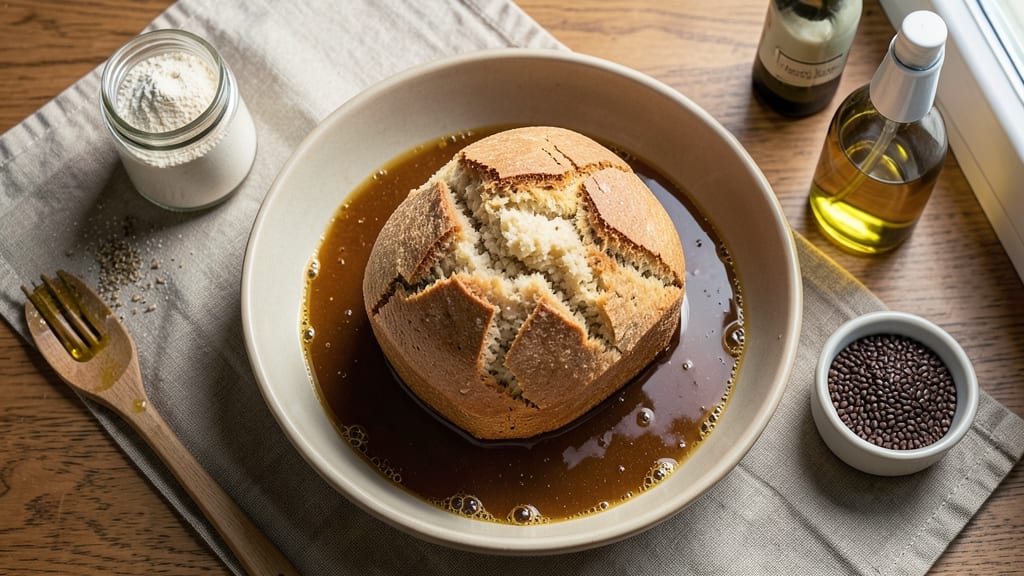
This almond flour bread recipe no yeast delivers a surprisingly light, airy loaf that rivals traditional bread—but without gluten, yeast, or hours of waiting. The secret lies in a precise blend of baking soda and acid (like apple cider vinegar), which creates lift through a chemical reaction rather than fermentation.
I’ve perfected this method to avoid the dense, crumbly texture many almond flour breads suffer from, ensuring a tender crumb and golden crust every time.
The magic happens in the mixing technique: combining wet and dry ingredients separately before gently folding them together preserves air pockets for a rise that’s almost impossible to believe from such simple ingredients.
With just 350°F and 30 minutes, you’ll have a loaf that’s crisp on the outside and pillowy inside—no yeast, no gluten, no compromise on flavor or texture. The result? A bread that’s perfect for toast, sandwiches, or simply enjoying with butter.
What makes this recipe truly stand out is its versatility. Add-ins like flaxseeds, sunflower seeds, or fresh herbs can customize the flavor and texture without altering the base structure.
Store it at room temperature for up to 3 days or freeze for longer shelf life—no need for preservatives when the ingredients are this fresh. This is the kind of bread that proves almond flour can be just as satisfying as wheat flour, if not more so.
Whether you’re avoiding gluten, yeast, or simply craving a lighter loaf, this recipe delivers restaurant-quality results with minimal effort. The no-yeast method means no waiting for dough to rise, no second-guessing the proofing stage, and no dense crumb. Let’s get baking—your kitchen (and taste buds) will thank you.
Ingredients for almond flour bread recipe no yeast
Simple ingredients, precise measurements—this no-yeast almond flour bread rises beautifully.
| Ingredient | Amount | Notes |
|---|---|---|
| Almond Flour 🌰 | 3 cups | Finely ground, blanched preferred |
| All-Purpose Flour 🌾 | ½ cup | For structure and binding |
| Baking Soda 🧂 | 2 tsp | Freshly measured for lift |
| Apple Cider Vinegar 🍏 | 1 tbsp | White vinegar substitute works |
| Ground Flaxseed 🌿 | 2 tbsp | For binding and omega-3s |
| Water 💧 | ¾ cup | Room temperature preferred |
| Maple Syrup 🍁 | ¼ cup | Pure, grade B preferred |
| Olive Oil 🫒 | ¼ cup | Extra-virgin for richness |
| Salt 🧂 | 1 ½ tsp | Fine sea salt preferred |
| Sunflower Seeds 🌻 | ¼ cup | Optional for texture |
| Fresh Rosemary 🌿 | 1 tbsp | Chopped, optional for flavor |
| Sesame Seeds 🌰 | 1 tbsp | For topping, optional |
Almond flour is the backbone here, so pick finely ground, blanched almond flour for the best texture. Bob's Red Mill or Anthony's Goods are my go-tos—they're consistently fine and don't clump. If you're using a mix of almond and regular flour, stick to 75% almond flour for structure. The vinegar is crucial for the chemical reaction with baking soda—don't skip it. For the flaxseed, grind it fresh if possible, but pre-ground works in a pinch. The maple syrup adds moisture and sweetness without overpowering, so grade B is ideal—it's more flavorful than pure grade A.
No almond flour? Substitute with 1:1 cashew flour, but expect a denser texture. Running short on apple cider vinegar? White vinegar or lemon juice at the same amount works perfectly fine. Want to skip the seeds? Add 1 tbsp chopped walnuts or pecans for crunch instead. The rosemary is optional but adds a lovely herbal note—dried works at half the amount. For the sesame seeds, toasted in a dry pan for 2 minutes brings out their flavor. If you're baking in a humid environment, reduce water by 1 tbsp to prevent stickiness in the batter.
This bread stays fresh for 3 days at room temperature when wrapped in a clean kitchen towel. For longer storage, freeze the loaf for up to 3 months—wrap tightly in foil first. To reheat, warm in a 300°F oven for 5-10 minutes until toasty. Slice with a serrated knife for clean cuts. The crust is best when fresh, but the interior stays tender for days. Store seeds separately if you prefer extra crunch with each slice.
Why You'll Love This Recipe
- No-Fuss Mixing: I swear by this recipe—just toss the dry ingredients, stir in the wet, and pop it in the oven. The ground flaxseed acts like a binder without any fuss, so no kneading, no waiting for dough to rise. Honestly, it’s the kind of recipe that makes me feel like I’ve earned my afternoon coffee.
- Nutty, Soft Crumb: That blend of almond flour and all-purpose gives it a tender crumb with a subtle sweetness. The apple cider vinegar adds a gentle tang that keeps it from being too heavy, and the crust? Lightly golden and just crisp enough to hold up to toast or butter. I’ll be real—it’s the kind of bread that disappears faster than I can say “second slice.”
- Weeknight Workhorse: This bread is my go-to for sandwiches, toast, or even French toast—no one bats an eye when I serve it. It keeps well for days, so I can bake a batch on Sunday and not worry about running out. Between us, it’s also the only bread I trust for meal prep when I’m short on time.
- Budget-Friendly Luxury: Almond flour can feel pricey, but mixing it with regular flour stretches it further. The flaxseed adds protein and fiber without breaking the bank, and the vinegar and baking soda are pantry staples. It’s the kind of recipe that makes me feel like I’m treating myself, even when I’m keeping it simple. (Yes, even on a Tuesday night.)
Step-by-step instructions for almond flour bread without yeast
This method transforms simple ingredients into a tender, airy loaf with no yeast or long rise time.
Mix Wet Ingredients for Proper Hydration
In a medium bowl, combine the 0.75 cup water, 0.25 cup maple syrup, 0.25 cup olive oil, and 1 tbsp apple cider vinegar. Whisk vigorously for 30 seconds until fully emulsified—the mixture should look smooth and slightly thickened. The vinegar will react with the baking soda later to create lift, so don't skip this step.
Add the 2 tbsp ground flaxseed and whisk again for 15 seconds until dissolved. The flaxseed acts as a binder, replacing eggs in this gluten-free version. Let this mixture sit for 5 minutes while you prepare the dry ingredients—this resting period helps the flaxseed fully activate and creates a better texture.
Combine Dry Ingredients for Even Distribution
In a separate large bowl, sift together the 3 cups almond flour and 0.5 cup all-purpose flour. This prevents clumping and ensures even distribution throughout the batter. Add the 2 tsp baking soda and 1.5 tsp salt, then whisk gently to incorporate.
If using, finely chop the 1 tbsp fresh rosemary and stir it into the dry mixture. The rosemary adds earthy depth that pairs beautifully with the nutty almond flour. For extra texture, sprinkle in the 0.25 cup sunflower seeds now—they'll distribute evenly and give each bite a pleasant crunch.
Gently Fold Wet and Dry for Maximum Air
Pour the wet mixture into the dry ingredients and use a spatula to gently fold everything together. Work in an "S" motion from the bottom up, being careful not to overmix. You're looking for a thick, shaggy batter with no dry spots—this ensures even baking and proper rise. If the mixture seems too stiff, add 1-2 tablespoons of water to loosen it slightly.
Here's the thing—almond flour absorbs moisture differently than wheat flour. The batter should hold its shape when dropped from a spoon but still be workable. If it crumbles excessively, the bread will be dense. Aim for a consistency similar to thick pancake batter.
Prepare and Bake for Perfect Texture
Preheat your oven to 350°F and lightly grease an 8x4-inch loaf pan with olive oil or line it with parchment paper. Pour the batter into the prepared pan and smooth the top with a wet spatula. Sprinkle the 1 tbsp sesame seeds evenly over the surface for decoration and added texture.
Bake for 45-50 minutes until the top is golden brown and a toothpick inserted in the center comes out clean. The bread will rise slightly in the oven but won't double in size like yeast bread. If the top browns too quickly, tent loosely with foil after 30 minutes to prevent over-browning while ensuring doneness.
Cool and Slice for Ideal Serving
Remove the bread from the oven and let it cool in the pan for 10 minutes. This resting period prevents crumbling when you transfer it to a wire rack. After 10 minutes, carefully invert the loaf onto the rack to cool completely for at least 30 minutes before slicing.
Almond flour bread is best served at room temperature. Slice it into ½-inch thick pieces—thinner slices toast beautifully, while thicker slices work well for sandwiches. The interior should be tender with a slightly crumbly texture, while the exterior remains lightly crisp. Store any leftovers wrapped in the parchment paper at room temperature for up to 3 days or freeze for longer storage.
Pro Tips For Making Almond Flour Bread Recipe No Yeast
- Mix the wet first: I learned this the hard way—dry ingredients first makes it harder to blend almond flour evenly. Whisk the apple cider vinegar, flaxseed "egg" (mixed with water), and any wet add-ins together first, then fold in the flours. The almond flour clumps like a stubborn cat if you don’t.
- Weigh your almond flour: Scooping almond flour straight from the bag is a disaster—it’s lighter than you think. Use a kitchen scale for accuracy (about 120g for a standard loaf). Packed cups? Nope. Just weigh it. Your bread’s rise depends on this.
- Skip the overmixing: This isn’t a cake—almond flour bread develops gluten from the all-purpose flour, but too much mixing makes it dense. Stir just until combined, then stop. Overworking it turns your bread into a brick.
- Bake at 350°F, not higher: I was skeptical until I tried it: 375°F makes the outside burn before the center sets. Stick to 350°F and bake for 35–40 minutes, then tent with foil if the top browns too fast. The center should read 205°F—no guessing.
Serving suggestions for this almond flour bread recipe no yeast
Toast Perfection
This bread excels when toasted—thin slices transform into crispy, golden edges with a tender interior. Use a toaster set to medium-high heat for 2-3 minutes per side until deeply browned. For extra richness, brush warm toast with melted butter or olive oil before toasting.
I love adding a sprinkle of flaky sea salt and a drizzle of honey for a sweet-savory balance. 🥖
Sandwich Game-Changer
Thicker slices hold up beautifully for sandwiches—try it with avocado mash and smoked salmon for a vegan-friendly twist. The nutty flavor complements creamy fillings like hummus and roasted red peppers, while the sturdy texture prevents sogginess.
For a classic touch, layer with sliced apples and almond butter or peanut butter and banana. Cut sandwiches into triangles for easy handling.
Breakfast Pairings
Serve warm slices alongside scrambled tofu or eggs for a protein-packed breakfast. The bread's neutral flavor absorbs flavors beautifully—try dipping in nut milk or almond butter. For a dessert breakfast, top with mashed berries and coconut yogurt.
I often make a batch on Sundays to enjoy with coffee all week—it stays fresh longer than most breads.
Dinner Accompaniment
Pair with hearty mains like grilled steak or roasted vegetables to soak up any juices. The bread's subtle sweetness complements savory dishes perfectly. For a complete meal, serve with olive tapenade and marinated artichokes. The seeds and rosemary add herbal notes that elevate simple plates to restaurant-quality.
Dessert Twist
Drizzle warm slices with melted dark chocolate and crushed pistachios for a decadent treat. The nutty flavor pairs wonderfully with caramelized bananas or fig jam. For a lighter option, spread with Greek yogurt and cinnamon. This bread's versatility makes it perfect for both sweet and savory occasions.
Meal Prep Hack
Slice and freeze individual portions for quick grab-and-go meals. Toast straight from frozen for 3-4 minutes per side—no thawing needed! Pack slices with nut butter and sliced fruit for a portable lunch.
The bread's texture holds up well to freezing, making it ideal for busy mornings. Store slices in ziplock bags for up to 3 months—they'll stay fresh and crisp. ✨
Nutrition facts
Frequently asked questions
Why does this almond flour bread need baking soda but no yeast?
The baking soda creates lift through a chemical reaction with the apple cider vinegar, replacing yeast's fermentation process. This method gives you a light, airy texture without waiting for dough to rise. The acid-base reaction happens instantly in the oven, creating bubbles that mimic yeast's effect.
Can I make this bread without all-purpose flour?
Yes, but the texture will be denser. Replace the 0.5 cup all-purpose flour with 0.5 cup additional almond flour or 0.5 cup gluten-free 1:1 baking flour. The all-purpose flour adds structure that almond flour alone can't provide. For best results, stick to the original ratio.
How do I prevent my bread from being too dense?
Don't overmix the batter—fold just until combined. Use room-temperature ingredients and measure almond flour by weight (1 cup = 120g) for accuracy. Let the batter rest for 5 minutes before baking to help the flaxseed activate fully. A lightly greased loaf pan also prevents sticking that can make bread dense.
What's the best way to store leftovers?
Wrap cooled bread tightly in parchment paper and store at room temperature for 3 days. For longer storage, freeze slices in ziplock bags for up to 3 months. Toast straight from frozen for 3-4 minutes per side—no thawing needed! The parchment paper prevents drying out better than plastic wrap.
Can I add other seeds or nuts to this recipe?
Try chia seeds, pumpkin seeds, or chopped walnuts (replace sunflower seeds 1:1). Toast seeds for 2 minutes in a dry pan before adding to enhance flavor. For extra richness, fold in 1 tbsp melted coconut oil with the wet ingredients. Just don't exceed 0.5 cup total add-ins to maintain texture.