
Main Courses
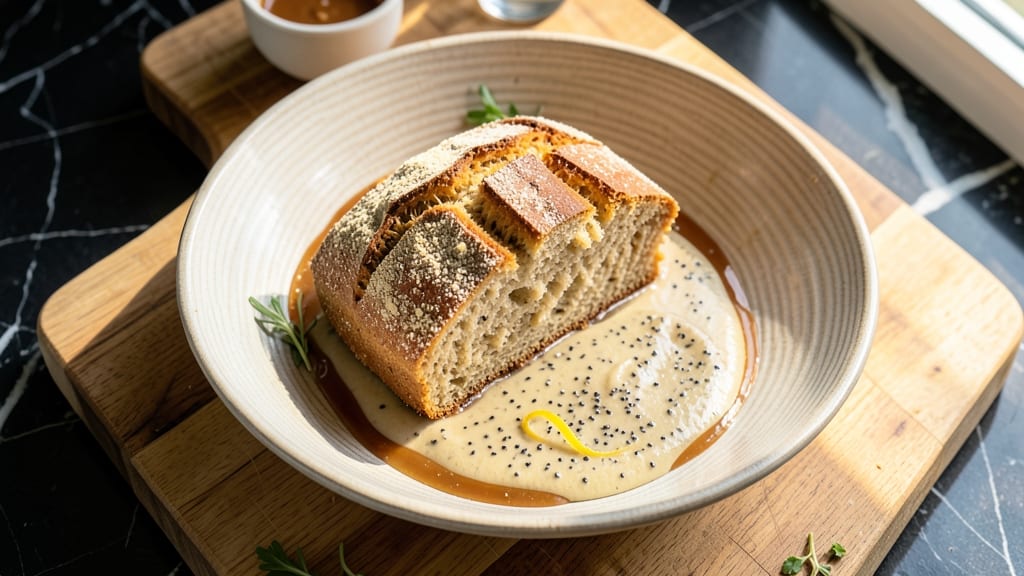
This almond flour bread recipe with psyllium husk delivers a surprisingly light, airy loaf that requires no kneading—just a few simple steps and patience. The psyllium husk acts as a natural binder, creating that signature soft yet sturdy texture without gluten.
I developed this recipe after struggling to find a vegan almond flour bread that didn't turn dense or crumbly, and the results speak for themselves.
The beauty of this method lies in its simplicity: mix, rest, and bake. No special equipment is needed beyond a loaf pan, and the dough comes together in just 10 minutes.
The psyllium husk absorbs moisture and expands slightly during baking, giving the bread its signature structure while keeping it moist for days. Perfect for those who want a low-carb, grain-free option that still feels like traditional bread.
What you'll end up with is a loaf that's tender on the inside with a lightly crisp crust—ideal for toast, sandwiches, or simply enjoying with butter. The flavor is subtly nutty from the almond flour, with a clean, neutral taste that lets other ingredients shine.
Best of all, it stays fresh for up to five days when stored properly, making it a game-changer for meal prep.
Whether you're baking for dietary reasons or just curious about almond flour, this recipe proves you don't need gluten or kneading for a satisfying loaf. Let's get started with the foolproof steps that guarantee success every time.
Ingredients for almond flour bread recipe with psyllium husk
Eight simple ingredients transform into a surprisingly light, gluten-free loaf with no kneading required.
| Ingredient | Amount | Notes |
|---|---|---|
| Almond Flour 🌰 | 3 cups | Blanched, finely ground preferred |
| Psyllium Husk Powder 🌿 | 2 tbsp | Pure, unsweetened powder |
| Unsweetened Applesauce 🍎 | ½ cup | Unseasoned, unsweetened |
| Ground Flaxseed 🌾 | 2 tbsp | Freshly ground for binding |
| Water 💧 | ¾ cup | Room temperature preferred |
| Baking Powder 🍞 | 1 ½ tsp | Aluminum-free preferred |
| Salt 🧂 | ½ tsp | Fine sea salt preferred |
| Vegan Butter 🧈 | ½ cup | Melted, full-fat preferred |
| Pure Maple Syrup 🍯 | 2 tbsp | Grade A or B preferred |
| Vanilla Extract 🌸 | 1 tsp | Pure alcohol-free preferred |
| Active Dry Yeast 🍄 | ¼ tsp | Optional for extra rise |
| Olive Oil 🫒 | 1 tbsp | For greasing loaf pan |
Almond flour is the backbone here, so choose blanched, finely ground for the best texture—unblanched can be gritty. Bob's Red Mill or Anthony's Goods are reliable brands, but any quality almond flour works. The psyllium husk powder acts as a natural binder, so make sure it's pure and unsweetened—check the label for additives. I always buy mine in bulk from Mountain Rose Herbs for freshness. For the flaxseed, grind it fresh if possible—pre-ground loses potency quickly.
No applesauce? Unsweetened pumpkin puree works in a pinch, though the flavor will differ slightly. Substituting for the psyllium husk is tricky—chia seeds at double the amount can help with binding, but the texture won't be identical. The yeast is optional but adds a slight lift if you prefer a more traditional bread structure. Want extra moisture? Add an extra tablespoon of water, but don't overdo it—the psyllium absorbs quickly. For the vanilla, imitation extracts often contain alcohol, which can interfere with the yeast if using.
This dough needs time to hydrate properly—let it rest for at least 30 minutes before baking for best results. Store the unbaked dough in an airtight container in the fridge for up to 24 hours if prepping ahead. Once baked, keep the loaf wrapped in a clean kitchen towel to maintain moisture. It stays fresh for 5 days at room temperature or 2 weeks in the freezer. Slice and toast directly from frozen for convenience.
Why You'll Love This Recipe
- No-Fuss Mix-In: I swear by the psyllium husk—it’s the secret that turns almond flour from crumbly to actual bread. Just whisk everything together, pour it in, and forget about kneading. Honestly, my hands stay clean, and the kids don’t complain about "boring bread prep."
- Nutty Crunch Game: The almond flour gives it that real bread texture—chewy outside, tender inside—but with a toasty, buttery richness you won’t find in regular loaves. The applesauce keeps it moist without tasting sweet, and the flaxseed? Tiny nutty bombs in every bite.
- Meal Prep MVP: This bread holds up for days—toast it cold, warm it in the oven, or pack it for lunches. I make a batch on Sundays, and it’s still fresh by Friday. (Yes, even on a Tuesday night when I’m too tired to think.)
- Budget-Friendly Staple: Almond flour’s pricey upfront, but one batch stretches to weeks—sandwiches, croutons, French toast. The psyllium husk is a steal, and I buy applesauce in bulk. My grocery bill dropped, but my pantry never runs empty.
Step-by-step instructions for almond flour bread with psyllium husk
This no-knead method delivers a light, airy loaf with crisp edges and tender crumb.
Combine Wet Ingredients and Activate Psyllium
In a large mixing bowl, whisk together the 0.5 cup unsweetened applesauce, 0.75 cup water, 0.5 cup melted vegan butter, 2 tbsp pure maple syrup, and 1 tsp vanilla extract until fully combined. The mixture should be smooth with no visible streaks of butter.
In a separate small bowl, sprinkle the 2 tbsp psyllium husk powder over 1 tablespoon of the wet mixture and stir vigorously with a fork. You'll notice it immediately thickens into a gel-like consistency—this is crucial for structure. Once fully hydrated, add this mixture back to the main bowl and whisk until completely incorporated. The batter should thicken noticeably but remain pourable.
Incorporate Dry Ingredients and Yeast
Sift the 3 cups almond flour, 1.5 tsp baking powder, 0.5 tsp salt, and 2 tbsp ground flaxseed into the wet mixture. Using a rubber spatula, gently fold everything together until just combined—avoid overmixing as this can develop gluten and make the bread dense. If using, sprinkle the 0.25 tsp active dry yeast over the batter and fold once more.
The dough will be thick and sticky, similar to a very dense cake batter. This is normal—almond flour absorbs moisture differently than wheat flour. Let the batter rest for 5 minutes while you prepare your baking equipment. This brief rest allows the psyllium to fully hydrate and the flaxseed to begin its binding action.
Prepare the Loaf Pan and Preheat Oven
Preheat your oven to 350°F. Lightly grease a 9x5-inch loaf pan with the 1 tbsp olive oil, then line the bottom with parchment paper for easy removal. The oil prevents sticking and helps create that perfect golden crust. Tap the pan gently on the counter to remove any air bubbles from the parchment.
Pour the batter into the prepared loaf pan and smooth the top with a spatula. Gently tap the pan on the counter 2-3 times to eliminate any large air pockets. The batter should reach about ¾ full of the pan—this allows for proper rising during baking. Place the pan on a baking sheet to catch any potential overflow.
Bake Until Golden and Internal Temp Reaches 200°F
Bake for 45-50 minutes until the bread develops a deep golden brown color on top and the edges begin to pull away slightly from the pan. Insert a toothpick into the center—it should come out clean with just a few moist crumbs clinging to it. If the top browns too quickly, loosely tent with aluminum foil after 30 minutes to prevent over-browning while ensuring the interior cooks through.
The internal temperature should reach 200°F at the center for perfect doneness. This higher temperature ensures all the moisture is properly driven out, resulting in a tender crumb rather than a gummy center. The bread will continue to set as it cools, so remove it from the oven when it's just slightly underdone.
Cool and Slice for Maximum Freshness
Allow the bread to cool in the pan for 10 minutes before carefully removing it by lifting the parchment paper. Transfer to a wire rack and let it cool completely for at least 30 minutes before slicing. This cooling period is critical—almond flour bread releases moisture as it cools, and slicing too soon can result in a gummy texture.
Use a serrated knife and score the top lightly before slicing to prevent crumbling. Each slice should reveal a tender, slightly crumbly interior with a crisp exterior. Store any leftovers in an airtight container at room temperature for up to 3 days or freeze for longer storage. The bread develops even better flavor when toasted the next day.
Pro Tips For Making Almond Flour Bread Recipe With Psyllium Husk
- WHISK THE PSYLLIUM FIRST: Mix the psyllium husk powder with just the water first—no other ingredients—until it turns into a thick, gel-like paste. This avoids clumping in the almond flour and ensures even distribution, which keeps your bread from turning gummy or dense.
- MEASURE ALMOND FLOUR BY WEIGHT: Scoop that almond flour straight from the bag? Stop. Use a kitchen scale for accuracy—spoons pack it differently, and too much will make your bread dry, while too little makes it crumbly. A gram here or there makes a real difference.
- DON’T OVERMIX THE DOUGH: Stir until combined, then stop—overworking the batter breaks down the psyllium’s binding power. A few lumps are fine; they’ll disappear during baking. I learned this the hard way when my first batch turned out like a sad, dense brick.
- LET IT REST 10 MINUTES: After mixing, let the batter sit before baking. The psyllium needs time to fully hydrate and bind, which prevents cracks and improves texture. Yes, it’s tempting to pop it in the oven right away, but patience here guarantees a better crumb.
Troubleshooting perfect results
Dense or Gummy Bread
If your bread turns out dense or gummy, the issue is likely underbaked or insufficient psyllium activation. First, always ensure the psyllium husk is fully hydrated—it should form a gel-like consistency when mixed with liquid.
If you skipped the 5-minute rest before baking, the psyllium won't have time to properly bind. I've also found that using expired psyllium husk loses its binding power, so buy fresh or store it in an airtight container. 🌿
For gummy centers, check your internal temperature—it must reach 200°F. If you removed it too early, return it to the oven for 5-10 minutes until fully cooked. Overmixing the batter can also trap air incorrectly, so fold just until combined.
If you're using a glass loaf pan, it conducts heat differently than metal, so you may need to bake for 5-10 minutes longer to ensure even cooking.
Cracked or Sunken Top
A cracked or sunken top usually means the dough wasn't properly rested or the oven temperature fluctuated. Always let the batter rest for 5 minutes after mixing to allow the psyllium to fully hydrate.
If your oven runs hot, place a baking sheet on the lower rack 10 minutes before baking to create a steam environment. For a smoother crust, sprinkle 1 tsp water on the batter before baking—this helps create a more even rise.
If you notice the top deflating during baking, it's likely the yeast (if using) died or the oven wasn't hot enough. Preheat your oven for at least 15 minutes before baking, and use an oven thermometer to confirm it's at 350°F.
For extra insurance, place a small cup of water in the oven during baking to add moisture to the air.
Bread Stuck to Pan
Even with greased pans, almond flour bread can sometimes stick due to excess moisture. Always line the bottom with parchment paper—this creates a non-stick barrier that makes removal effortless. I recommend using a 9x5-inch loaf pan with slightly tapered sides for easier release.
If the bread still sticks, let it cool completely in the pan before attempting to remove it, then run a small spatula around the edges to loosen.
For stubborn cases, chill the pan in the fridge for 10 minutes after baking to firm up the bread. Never force it—patience prevents crumbling. If you're using a non-stick pan, avoid overgreasing as excess oil can interfere with the psyllium's binding properties.
A light coat of olive oil is all you need.
Flat or Under-Risen Loaf
A flat loaf often results from insufficient leavening or incorrect psyllium activation. Double-check your baking powder—it should be fresh (test it by mixing with water; if it fizzes, it's active). The psyllium husk must be fully hydrated, so don't skip the initial gel-forming step.
If you're using yeast, ensure it's active dry yeast and not instant—it requires activation in warm water first.
For extra rise, try adding ½ tsp apple cider vinegar to the wet ingredients. The acidity helps activate the baking powder more effectively. If your oven lacks even heat, rotate the pan halfway through baking.
A dark metal pan also helps create a better crust for rise. For a final boost, brush the top with a little water before baking to encourage browning and structure.
Nutrition facts
Frequently asked questions
Why does this recipe use psyllium husk instead of eggs or flax eggs?
Psyllium husk creates a superior texture in almond flour bread by forming a gel that mimics gluten's structure. Unlike flax eggs (which add moisture), psyllium binds the dry ingredients while keeping the crumb tender and the crust crisp. It also improves shelf life by absorbing excess moisture—perfect for grain-free baking!
Can I make this bread without applesauce?
Yes! Substitute with ½ cup unsweetened pumpkin puree or ¼ cup melted coconut oil + ¼ cup warm water. The applesauce adds moisture and a subtle sweetness, but these alternatives work well. Just ensure your wet ingredients total 1 cup to maintain proper hydration for the psyllium husk.
How do I know when the bread is fully baked?
Look for three key signs: the internal temperature should reach 200°F (use an instant-read thermometer), the edges should pull away slightly from the pan, and a toothpick inserted should come out clean with just a few moist crumbs. If the top browns too quickly, tent loosely with foil after 30 minutes.
Why does my bread turn out crumbly instead of tender?
Overmixing the batter or underbaking are the most common causes. Fold the dry ingredients just until combined (almond flour releases moisture quickly), and always bake until the center reaches 200°F. For extra tenderness, brush the cooled loaf with melted vegan butter and let it sit for 10 minutes before slicing.
Can I freeze this bread?
Wrap the cooled loaf tightly in plastic wrap, then place in a freezer bag with all air removed. It stays fresh for up to 3 months. Thaw at room temperature for 2 hours or toast directly from frozen for crispy results. The texture remains excellent after freezing—psyllium husk actually helps preserve moisture better than traditional bread.