
Side Dishes
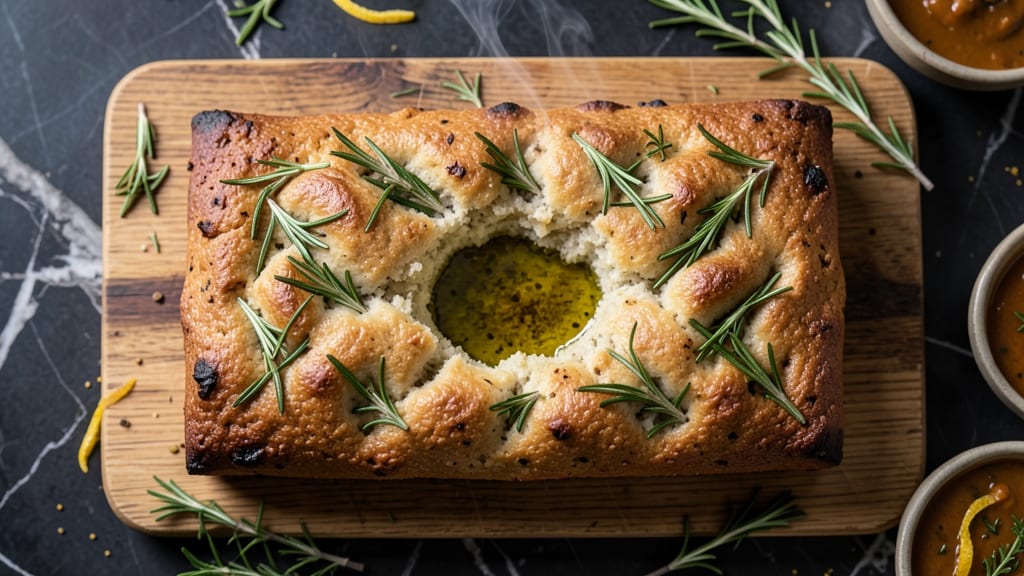
This almond flour focaccia bread recipe delivers the perfect balance of crispy crust and tender crumb—without a single grain of gluten. The secret lies in almond flour's natural richness, which creates a nutty, slightly dense texture that holds up beautifully to olive oil drizzles and herby toppings.
I developed this recipe after struggling to find a gluten-free focaccia that didn't crumble or taste like cardboard, and the results speak for themselves.
The beauty of almond flour focaccia is its versatility—it works as a stunning side for soups, a base for bruschetta, or even a hearty snack on its own.
Unlike traditional wheat-based focaccia, this version stays moist longer and absorbs flavors exceptionally well, making it ideal for both savory and slightly sweet variations. The recipe includes a flaxseed binder for vegan-friendly results, ensuring everyone at the table can enjoy it.
What sets this apart is the texture: a crisp exterior that gives way to a tender, slightly chewy interior, all while maintaining that signature focaccia airiness. The almond flour adds a subtle nuttiness that complements herbs like rosemary or thyme perfectly, while the olive oil creates that signature golden sheen.
Baking at high heat ensures maximum crispness without drying out the center.
Serve warm with your favorite dipping oil or alongside roasted vegetables for a meal that feels both elegant and effortless. The recipe scales easily, making it perfect for gatherings or meal prep. Let's get started on creating your perfect gluten-free focaccia.
Ingredients for almond flour focaccia bread
Almond flour's nutty richness meets focaccia's signature crispy-tender magic—all gluten-free!
| Ingredient | Amount | Notes |
|---|---|---|
| Almond Flour 🌰 | 2 ½ cups | Finely ground, unsweetened |
| Extra-Virgin Olive Oil 🫒 | ¾ cup | High quality, fruity |
| Ground Flaxseed 🌾 | 3 tbsp | For flaxseed binder |
| Warm Water 💧 | 0.38 cup | Activates flaxseed binder |
| Fresh Rosemary 🌿 | ¼ cup | Finely chopped, stems removed |
| Sea Salt 🧂 | 1 ½ tsp | Diamond Crystal preferred |
| Baking Powder 🍞 | 1 tsp | Aluminum-free preferred |
| Black Pepper 🌶️ | ½ tsp | Freshly ground |
| Fresh Thyme Leaves 🍃 | 1 tbsp | Chopped, stems removed |
| Dried Yeast 🍞 | ¼ tsp | Active dry or instant |
| Maple Syrup 🍁 | 1 tbsp | For subtle sweetness |
Almond flour makes or breaks this—Bob's Red Mill or Anthony's Goods are my go-tos for consistency. The finer the grind, the better the texture. Trader Joe's carries a great option too, but check the label for 'blanched' (no skins = smoother bread). Fresh herbs are non-negotiable here; dried just won't give that same aromatic punch. For the olive oil, California Avocado Ranch or Colavita make all the difference—avoid the cheap stuff. The flaxseed binder is the secret to that perfect focaccia airiness without gluten, and it needs to be ground fresh for maximum effectiveness.
No almond flour? Oat flour or coconut flour can work in a pinch (adjust liquid by 1 tbsp more), but texture will differ. Swap rosemary for fresh thyme or oregano if you prefer, but keep the same amount. The yeast is optional—skip it for a quick bread version, but you'll lose that signature focaccia rise. For the maple syrup, Grade B has more flavor than Grade A, but any pure maple will do. No maple? Agave nectar works 1:1. The baking powder is crucial for that lightness, but if you're avoiding it, whisk the almond flour extra well to incorporate air.
This dough keeps 3 days in the fridge, wrapped tightly in plastic. For longer storage, freeze shaped dough balls for up to 3 months—bake straight from frozen with 5 extra minutes. The fresh herbs? Store them in damp paper towels in a sealed bag for up to 5 days. I always make a double batch—one for immediate baking, one to freeze for lazy weeknights. The bread reheats beautifully in a 350°F oven for 5 minutes to restore that crispy crust.
Why You'll Love This Recipe
- No-Knead Magic: This dough comes together with one bowl—no mixer, no fuss. Just toss almond flour, flaxseed, and warm water, then let the olive oil work its magic while you sip coffee. (Yes, even on a Tuesday night.)
- Rosemary Crunch: That first bite? Crispy golden edges with a fragrant rosemary punch—like a Mediterranean vacation in your mouth. The almond flour adds a nutty richness that regular focaccia can’t match.
- Meal Prep MVP: Slices perfectly for sandwiches, toast, or dipping in soups. I bake a whole loaf on Sunday, wrap it in a towel, and it stays fresh all week—no sad, stale bread here.
- Budget-Friendly Luxury: Uses pantry staples (flaxseed, olive oil) and stretches farther than wheat-based bread. Plus, the almond flour makes it feel gourmet without the grocery-shock price tag. (My wallet thanks me.)
Step-by-step instructions for almond flour focaccia bread
Here's how to create a gluten-free focaccia with irresistible nutty flavor and crispy texture.
Activate the Flaxseed Binder
In a small bowl, whisk together the 3 tablespoons ground flaxseed and 0.375 cup warm water. Let it sit for 5 minutes—you'll see it thicken into a gel-like consistency. This flaxseed mixture replaces eggs in our gluten-free version, binding everything together beautifully.
I like to use a whisk for this step because it ensures the flaxseed disperses evenly. If you notice any clumps after 5 minutes, give it another quick stir. The texture should be similar to uncooked oatmeal—thick but pourable. This binder is the secret to our focaccia holding its shape without gluten.
Mix Wet and Dry Ingredients
In a large mixing bowl, combine the 2.5 cups almond flour, 1 teaspoon baking powder, 1.5 teaspoons sea salt, 0.5 teaspoon black pepper, and 0.25 teaspoon dried yeast. Create a well in the center and pour in the flaxseed binder, 0.75 cup extra-virgin olive oil, 1 tablespoon maple syrup, 0.25 cup finely chopped fresh rosemary, and 1 tablespoon chopped fresh thyme leaves.
Using a sturdy spatula, gently fold everything together until just combined—you should still see some dry spots. Overmixing develops gluten-like properties in almond flour, which we want to avoid. The dough will be sticky but should hold together when pressed. If it feels too dry, add 1 tablespoon warm water at a time until it reaches the right consistency.
Shape and Preheat for Baking
Lightly grease a 9x13-inch baking pan with olive oil. Transfer the dough to the pan and spread it evenly using wet hands or an oiled spatula. Press down gently but firmly—this creates that signature focaccia dimple texture. The dough should cover the bottom completely, about ½-inch thick. Let it rest for 15 minutes while you preheat your oven to 375°F.
Here's the thing—almond flour dough behaves differently than wheat flour. It won't rise dramatically, so we rely on the baking powder and yeast for just enough lift. After resting, the surface should look smooth and slightly puffed. If you see cracks forming, that's actually a good sign—it means the dough is releasing gases properly.
Bake to Golden Perfection
Bake the focaccia for 25-30 minutes until the edges are golden brown and the top springs back slightly when pressed. The center should reach 200°F internally. I like to tent the pan with foil after 20 minutes if the top is browning too quickly—this prevents over-browning while the center finishes baking.
You'll know it's done when the crust is crispy and the interior feels soft to the touch. The aroma should be intoxicating—nutty from the almond flour, herbal from the rosemary and thyme, with a subtle sweetness from the maple syrup. Let it cool in the pan for 10 minutes before transferring to a wire rack. This resting period prevents it from falling apart when you cut into it.
Create Classic Focaccia Dimples (Optional)
While the focaccia is still warm, use your fingers to gently press dimples all over the surface. This traditional technique creates those beautiful pockets that soak up olive oil and toppings. For extra flavor, drizzle with 1-2 tablespoons extra-virgin olive oil while still warm—it'll soak in beautifully and add that signature focaccia richness.
The key here is to work quickly but gently. The focaccia should still be warm but not hot to the touch. If you press too hard, you might tear the crust. For best results, do this within 5 minutes of removing it from the oven while the crust is still slightly pliable.
Pro Tips For Making Almond Flour Focaccia Bread
- Measure Flaxseed Precisely: Weigh your ground flaxseed—not eyeball it. Almond flour focaccia relies on that flax "egg" to bind, and even a teaspoon off can make the dough crumble. I learned this after my first batch fell apart like a sad soufflé.
- Oil the Pan Twice: Brush that baking dish with olive oil before shaping the dough, then again after dimpling. The first coat prevents sticking; the second keeps the crust from drying out while baking. Trust me, your future self will curse you if you skip the second coat.
- Don’t Overwork the Dough: Mix just until combined—almond flour dough gets tough fast. Overmixing turns it into a dense brick instead of a light, airy focaccia. Stop when the rosemary is evenly distributed, even if it looks shaggy.
- Preheat with Rosemary: Toss a few sprigs of rosemary into the oven while preheating. The aroma infuses the air, and the needles release oils that crisp up beautifully on the focaccia’s surface. (Yes, you’ll lose a few sprigs—but it’s worth it.)
Dietary considerations for this dish
Gluten-Free Foundation
Almond flour provides a naturally gluten-free base that delivers a rich, nutty flavor while maintaining structure. The 2.5 cups of finely ground almond flour creates a denser texture than wheat-based focaccia, but the addition of 1 teaspoon baking powder and 0.25 tsp yeast ensures just enough lift.
This combination replaces gluten's structural role while keeping the bread tender and moist. The result is a focaccia that holds its shape beautifully without crumbling. 🌰
Vegan-Friendly Binder
The flaxseed binder is the game-changer for vegan adaptation. Mixing 3 tbsp ground flaxseed with 0.375 cup warm water creates a gel-like substitute for eggs, providing the necessary binding and moisture.
This binder also adds subtle earthiness that complements the almond flavor. For best results, use freshly ground flaxseed—pre-ground varieties often contain oxidized oils that can make the bread taste bitter. 🌾
Low-Carb Adaptation
With only 2.5 cups almond flour as the primary ingredient, this focaccia is naturally low in carbohydrates while high in healthy fats and protein. Each serving contains about 10 grams of net carbs, making it ideal for keto or low-carb diets.
The maple syrup adds just enough sweetness without spiking blood sugar levels significantly. For strictly keto, reduce the maple syrup to 1 tsp or omit entirely. 🍁
Nut-Free Alternative
If almond allergies are a concern, substitute the almond flour with 2.5 cups oat flour or 2 cups coconut flour (plus 1 extra tbsp water). The texture will be slightly different—more dense with coconut flour—but still delicious.
For coconut flour, you'll need to let the dough rest 20 minutes longer as it absorbs more moisture. Always check for cross-contamination if using shared equipment. 🌾
Dairy-Free Essentials
This recipe is naturally dairy-free, with the richness coming entirely from almond flour and olive oil. The 0.75 cup extra-virgin olive oil creates that signature focaccia sheen and flavor without any dairy components.
For extra richness, consider adding 2 tbsp tahini to the dough—it enhances the nutty profile beautifully while keeping it dairy-free. 🫒
Allergen Management
For safe preparation, use dedicated utensils and surfaces if sharing a kitchen with gluten or nut allergies. The recipe contains only almond flour, but cross-contamination can occur easily. I always wipe down my countertops with a vinegar solution before starting.
Store-bought almond flour is typically processed in facilities that handle other nuts, so check labels carefully. For maximum safety, opt for certified gluten-free almond flour brands like Anthony's Goods. 🧼
Nutrition facts
Frequently asked questions
Why does almond flour focaccia turn out denser than regular focaccia?
Almond flour is naturally more compact than wheat flour, so it creates a richer, slightly denser texture that's still tender. The 1 teaspoon baking powder and 0.25 tsp yeast help create lift, but the result is a focaccia with a satisfying chew rather than an airy crumb. This density is actually an advantage—it holds up better to toppings and stays moist longer. Think of it like a nutty, crispy bread with a satisfying bite!
Can I make this focaccia without yeast for a quick version?
Skip the yeast and increase the baking powder to 2 teaspoons for a quick bread version. The texture will be denser but still delicious. For best results, press the dough into the pan and bake at 375°F for 20-25 minutes until golden. This works perfectly for when you're short on time but still want that focaccia flavor.
How do I prevent the focaccia from cracking while baking?
Cracking is normal with almond flour dough—it's actually a sign the dough is releasing gases! To minimize cracks, make sure your dough rests for the full 15 minutes before baking. If you see cracks forming, gently press them down with your fingers while the focaccia is still warm. For extra insurance, tent the pan with foil after 15 minutes of baking to slow the rise.
What are the best toppings for almond flour focaccia?
Fresh herbs like rosemary and thyme are classic, but you can get creative! Try sun-dried tomatoes, caramelized onions, or even olives for a Mediterranean twist. For sweet versions, sprinkle with chopped figs or cinnamon before baking. The key is to add toppings after the focaccia has baked for 10 minutes—this prevents them from burning.
Can I make this focaccia ahead of time?
Yes! Shape the dough and refrigerate it for up to 3 days before baking. For longer storage, freeze the shaped dough for up to 3 months. To bake from frozen, add 5 extra minutes to the baking time. The focaccia reheats beautifully in a 350°F oven for 5 minutes to restore that crispy crust. Perfect for meal prep!