
Side Dishes
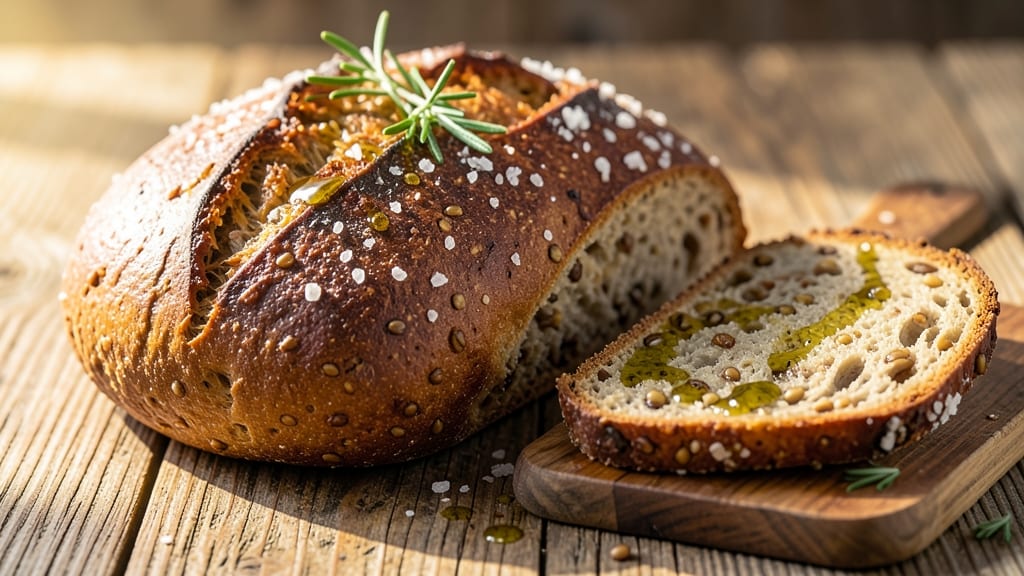
This amazing grains salty bread recipe delivers a crusty crunch and tangy fermented heart that'll make your dinner table feel like a rustic European bistro. 🌟 The secret?
A blend of farro or barley grains that add nutty depth and chewy texture, paired with a long fermentation for maximum flavor development. I've been perfecting this recipe for years, and it never fails to impress—even picky eaters can't resist the satisfying crunch and salty tang.
The beauty of this recipe is its flexibility—you can make it as a quick bread (ready in 4 hours) or a traditional sourdough (with 24-hour fermentation). The dough starts with a simple mix of flour, water, yeast, and salt, but the grains transform it into something extraordinary.
I like to add a mix of seeds or herbs for extra texture, though you can keep it classic with just grains and salt. The key to that perfect crusty exterior is steam during baking, which creates that irresistible crack and air pockets.
By the time it comes out of the oven, you'll have a loaf with a golden, shatteringly crisp crust that gives way to a soft, airy interior studded with chewy grains.
The flavor is a perfect balance of salty, tangy, and nutty—ideal for dipping in olive oil, pairing with cheese, or serving alongside soups. This bread tastes even better the next day as the flavors deepen, making it perfect for meal prep or gifting.
Whether you're a seasoned baker or a beginner, this recipe is foolproof and delivers restaurant-quality results at home. The long fermentation might sound intimidating, but I'll walk you through every step—including how to troubleshoot common issues like overproofing or dense crumb. Let's get baking!
Ingredients for amazing grains salty bread
Crusty crust and chewy grains—this bread delivers restaurant-quality flavor with simple ingredients.
| Ingredient | Amount | Notes |
|---|---|---|
| All-Purpose Flour 🌾 | 3 ½ cups | King Arthur or similar high-gluten |
| Farro Grains 🌾 | 1 cup | Pearled or semi-pearled, uncooked |
| Barley Grains 🌾 | ½ cup | Pearled barley, uncooked |
| Instant Yeast 🍞 | ½ tsp | Active dry works too |
| Kosher Salt 🧂 | 1 ½ tsp | Diamond Crystal preferred |
| Olive Oil 🫒 | 1 tbsp | Extra-virgin for richness |
| Water (room temperature) 💧 | 1 ¾ cups | Lukewarm preferred |
| Sunflower Seeds 🌻 | ¼ cup | Toasted for extra crunch |
| Sesame Seeds 🌻 | 1 tbsp | For golden crunch |
| Dried Rosemary 🌿 | 1 tsp | Or fresh thyme if preferred |
| Cornmeal 🌽 | ¼ cup | For dusting loaf pan |
| Ice Cubes ❄️ | 1 handful | For steam in Dutch oven |
| Coarse Sea Salt 🧂 | 1 tbsp | For final crust sprinkle |
The grains are where the magic happens. Farro and barley give that nutty depth, but bulgur wheat or rye berries work too if you're feeling adventurous. I grab mine from the bulk section at Whole Foods—they keep better that way. The flour matters too: King Arthur or Caputo Tipo 00 for that perfect rise. If you're short on time, use pre-soaked grains (soak overnight), but the flavor really develops with the long fermentation. The seeds? Toast them in a dry pan for 3-4 minutes—that extra crunch is worth it.
No farro? Substitute with quinoa or wheat berries—just toast them first to mimic the nutty flavor. Short on barley? Doubled-up rye berries give similar chewiness. The rosemary can be swapped for dried oregano or thyme, but fresh herbs add a brightness that dried can't match. For the yeast, active dry works fine—just let it dissolve in the water first. The olive oil? Use what you've got, but extra-virgin adds richness that regular olive oil can't. And if you don't have a Dutch oven, any oven-safe pot with a lid will do.
This dough needs time—at least 4 hours for quick bread, 24 for traditional sourdough. Store it wrapped in a damp towel in the fridge for up to 3 days if you're prepping ahead. The baked loaf? Wrap in a clean kitchen towel and store at room temp for 2-3 days—it gets even better as the flavors meld. Freeze slices for up to 3 months by wrapping them individually in parchment. Pro tip: Toast the bread before freezing to lock in freshness.
Why You'll Love This Recipe
- No-Knead Magic: I swear by this dough—just mix, let it rise, and bake. The farro and barley add texture without the fuss of shaping, and the yeast does all the work while I sip coffee.
- Salty Crunch Alert: That first bite? The toasted barley and farro grains crackle under your teeth, while the crust stays crispy for hours. Honestly, it’s the kind of bread that makes you pause mid-bite just to appreciate it.
- Weeknight Workhorse: Toss a batch together on Sunday, and you’ve got dinner covered for days. It’s perfect with soups, alongside roasted veggies, or straight from the oven with butter—no judgment here.
- Pantry Goldmine: Using up old flour and grains? This recipe turns them into something spectacular. Plus, the dough keeps for days in the fridge, so you’re never scrambling for a quick loaf. Budget-friendly? Absolutely.
Step-by-step instructions for amazing grains and salty bread
Here's how to craft a loaf with nutty depth, crispy crust, and a tangy fermented heart.
👨🍳 Step 1: Soak the Grains for Maximum Flavor
In a large bowl, combine the 1 cup farro grains, 0.5 cup barley grains, 1.75 cups water (room temperature), and 1 tsp dried rosemary. Stir gently and let soak for at least 4 hours (or overnight in the fridge). You'll see the grains plump up and release their nutty flavors—this is where the magic begins.
After soaking, drain the grains using a fine-mesh strainer, pressing gently to remove excess water. The grains should feel tender but still hold their shape. This step transforms the grains from bland to deeply flavorful, giving your bread that incredible texture and taste. Don't skip it—this is what makes this bread truly amazing!
👨🍳 Step 2: Mix the Dough with Wet and Dry Ingredients
In the stand mixer fitted with the dough hook attachment, combine the 3.5 cups all-purpose flour, 0.5 tsp instant yeast, and 1.5 tsp kosher salt. Mix on low speed for 30 seconds to aerate the flour. In a separate bowl, whisk together the 1 tbsp olive oil and the drained soaked grains.
With the mixer running on low, gradually pour in the 1.75 cups water (room temperature) and the grain mixture. Let the dough mix for 3-4 minutes until it comes together and pulls away from the sides of the bowl. The dough should be sticky but manageable—this is normal with high-hydration bread. If it's too wet, add 1-2 tablespoons more flour until it forms a cohesive mass.
🔪 Step 3: Knead and Develop Gluten for Structure
Increase the mixer speed to medium and knead the dough for 5-7 minutes until it becomes smooth and elastic. You'll know it's ready when it passes the "windowpane test"—stretch a small piece of dough thin enough to see light through it without tearing. This step builds the gluten structure that gives the bread its chewy interior and crispy crust.
Transfer the dough to a lightly oiled bowl, cover it with a damp towel, and let it rise at room temperature for 1 hour. You'll see it nearly double in size—this fermentation step develops flavor and lightens the texture. If your kitchen is cold, place the bowl in a slightly warm spot to speed up the process.
🥘 Step 4: Shape and Proof the Dough
Lightly dust a clean surface with 0.25 cup cornmeal and turn out the risen dough. Gently shape it into a round loaf, tucking the edges under as you go. Place the dough seam-side down in a well-oiled 4-quart Dutch oven (or a similar heavy pot with a lid). Cover with a damp towel and let it proof for another 1 hour until it's puffy and nearly doubled in size again.
While the dough proofs, preheat your oven to 450°F with the Dutch oven inside for 30 minutes. This ensures the oven is hot enough to create that perfect crispy crust. Sprinkle the 1 tbsp coarse sea salt evenly over the top of the dough—this will create a stunning, flavorful crust.
🔥 Step 5: Bake with Steam for Crispy Crust
Carefully remove the Dutch oven from the oven and add 1 handful ice cubes to the bottom. Quickly place the lid back on and return it to the oven. Bake for 25 minutes, then remove the lid and bake for another 15-20 minutes until the bread is deep golden brown and sounds hollow when tapped on the bottom.
Let the bread cool in the Dutch oven for 10 minutes, then transfer it to a wire rack. The crust should be crispy and crackly, while the interior should be soft and chewy with pockets of air. Slice it warm for the best experience—each bite will deliver that perfect balance of nutty grains, tangy fermented flavor, and salty crust. This is what makes this bread truly amazing!
Pro Tips For Making Amazing Grains Salty Bread
- TOAST THE GRAINS FIRST: I learned this the hard way—raw farro and barley taste bitter and chewy in bread. Dry-toast them in a 350°F oven for 15 minutes before adding to the dough. The nuttiness deepens, and the texture stays light instead of dense.
- SALT THE FLOUR HEAVY: This isn’t the time to skimp. Mix 1.5–2% kosher salt (by flour weight) directly into the dry ingredients. The grains absorb moisture fast, so you need extra salt to balance their earthy flavor later—trust me, your bread will taste flat if you hold back.
- LET THE DOUGH CHILL: I used to rush the rise, but this bread needs a 1-hour fridge rest before shaping. The grains soften the gluten, so the dough fights back. Cold slows fermentation, prevents overproofing, and guarantees a tender crumb—no more gummy, sad loaves.
- STEAM THE FIRST 10 MINUTES: Skip the Dutch oven hack? Don’t. Spray the loaf pan with water and cover tightly for the first 10 minutes of baking. The grains expand when wet, and this locks in moisture so the crust doesn’t dry out while the center stays soft—especially crucial with barley’s thirsty nature.
Flavor customization for these flavors
Sweet & Savory Twist
Swap the rosemary for 1 tsp cinnamon and add 2 tbsp honey to the dough for a sweet-savory profile. Top with a sprinkle of cinnamon-sugar mix before baking—perfect for breakfast or dessert.
I love this version with a smear of herb-infused butter or as a base for French toast. 🌟
Herb-Infused Variations
Boost the herb profile with 1 tbsp fresh thyme or rosemary (finely chopped) in place of dried. For a Mediterranean touch, add 1 tsp dried oregano and ½ tsp garlic powder.
These herbs deepen the flavor without overpowering the grains. I find fresh herbs add a brightness that dried can’t match.
Spiced & Smoky Profile
For a bold twist, add ½ tsp smoked paprika and ¼ tsp cayenne pepper to the dough. Toast the sunflower and sesame seeds with ½ tsp smoked paprika before sprinkling on top. This version has a subtle smokiness that pairs perfectly with spicy dips like chipotle mayo. 🔥
Nutty Seed Boost
Replace half the seeds with ¼ cup chopped walnuts or pecans for extra crunch and richness. Toast the nuts in a dry pan for 3-4 minutes until fragrant, then sprinkle over the dough.
The nuts add a buttery depth that complements the grains beautifully. Store-bought nuts work fine, but fresh-toasted ones taste even better.
Cheesy & Garlicky
Add ½ cup shredded Gruyère or Parmesan cheese to the dough for a savory kick. Sprinkle extra cheese on top before baking, then finish with 1 tsp garlic powder mixed into the coarse sea salt.
This version is ideal for cheese boards or grilled cheese sandwiches. The cheese melts slightly during baking, creating pockets of gooey goodness. 🧀
Nutrition facts
Frequently asked questions
Why do I need to soak the grains before adding them to the dough?
Soaking transforms bland grains into flavor bombs! The grains absorb water and release their nutty, earthy flavors while becoming tender enough to chew without being mushy. Skipping this step leaves your bread tasting flat and the grains underdeveloped. For best results, soak for at least 4 hours—overnight is ideal.
Can I make this bread without a Dutch oven?
Any heavy oven-safe pot with a lid works—even a stainless steel roasting pan. For that signature crispy crust, add 1 handful ice cubes to the bottom of the pot before baking. If you don’t have ice, try a spray bottle with water for steam. The bread will still be delicious, just slightly less dramatic.
How do I know when the dough is fully proofed?
Look for two key signs: the dough should nearly double in size and leave a clear, slow-rising indent when you gently press two fingers into it. If it springs back immediately, it needs more time. Cold kitchens slow fermentation—place the bowl near the oven (with the light on) for warmth if needed. Proofing takes 1-2 hours total.
What’s the best way to store leftover bread?
Wrap the cooled loaf tightly in a clean kitchen towel, then place it in a paper bag. This keeps it fresh for 2-3 days at room temperature. For longer storage, slice the bread and freeze individual portions wrapped in parchment—thaw at room temp for 1-2 hours before serving.
Can I replace the farro and barley with other grains?
Yes! Try bulgur wheat, rye berries, or quinoa—just toast them first for nutty depth. For chewiness, use wheat berries or spelt. Substitute 1:1 by volume, but adjust hydration if the grains absorb differently. Always soak them to avoid dense bread.