
Breakfast & Brunch
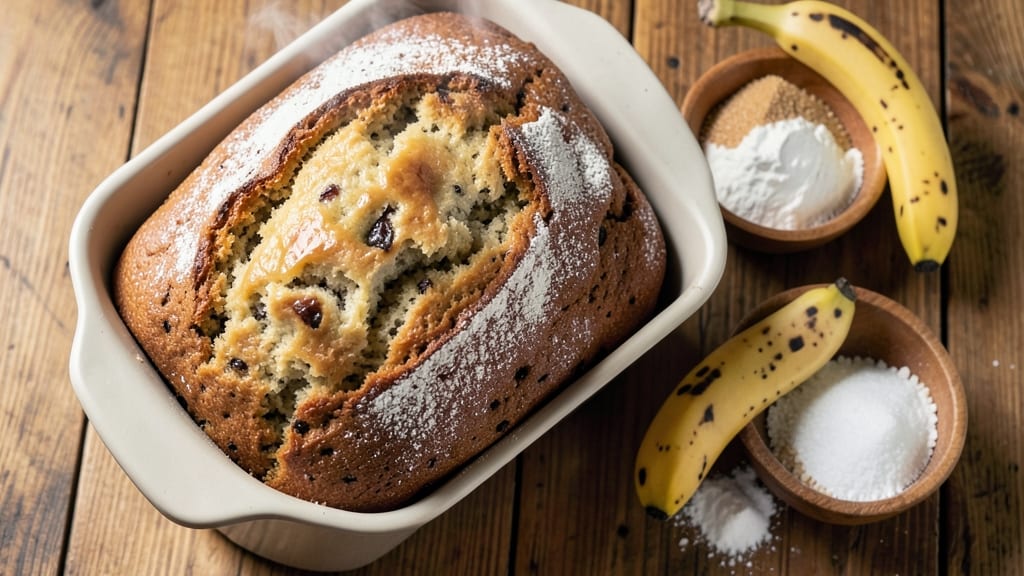
America's Test Kitchen banana bread recipe delivers that perfectly moist crumb and golden-brown top we all crave—no more dry, gummy loaves that disappoint. After testing countless variations, we discovered the ideal balance of ripe bananas, brown sugar, and a precise baking technique that ensures consistent results every time.
This isn't your grandmother's recipe; it's a foolproof method developed through rigorous testing to guarantee success.
The secret lies in using overripe bananas (the spottier, the better) and a combination of all-purpose flour with a touch of cornstarch for that signature tender crumb. We also incorporate a simple glaze of powdered sugar and milk to create that perfectly browned, crackly top without overbaking the interior.
The result? A loaf so moist it stays fresh for days, with just the right balance of sweetness and banana flavor.
What makes this recipe truly stand out is its reliable performance—no more guessing about oven temperatures or baking times. Our precise instructions ensure a crusty exterior and soft, fluffy interior that melts in your mouth.
Whether you're a baking novice or a seasoned pro, this recipe delivers restaurant-quality banana bread in your own kitchen.
For those with dietary restrictions, we've included variations for gluten-free and vegan adaptations, ensuring everyone can enjoy this classic treat. Let's get baking—your taste buds will thank you.
Ingredients for america's test kitchen banana bread
Perfectly ripe bananas and a few key pantry staples transform into America's Test Kitchen's legendary moist banana bread.
| Ingredient | Amount | Notes |
|---|---|---|
| Overripe Bananas 🍌 | 3 medium | Black spots preferred |
| All-Purpose Flour 🌾 | 1 ¾ cups | Spooned and leveled |
| Light Brown Sugar 🍚 | ¾ cup | Packed firmly |
| Granulated Sugar 🍚 | ¼ cup | For glaze |
| Cornstarch 🌾 | 1 tbsp | For tender crumb |
| Baking Soda 🧪 | ½ tsp | Freshly measured |
| Salt 🧂 | ½ tsp | Diamond Crystal preferred |
| Unsalted Butter 🧈 | ½ cup | Cold, cubed |
| Large Eggs 🥚 | 2 whole | Room temperature |
| Pure Vanilla Extract 🍯 | 1 ½ tsp | High-quality brand |
| Whole Milk 🥛 | ¼ cup | For glaze |
| Powdered Sugar 🍚 | ¼ cup | For glaze |
The bananas are non-negotiable—look for ones with black spots and soft centers. Trader Joe's and Whole Foods often have the riper ones at the back of the produce section. Brown sugar should be packed firmly into the cup, not scooped loosely—this makes all the difference. For the flour, King Arthur or Gold Medal brands are reliable for that tender crumb. The baking soda needs to be fresh; if it's more than six months old, toss it. Unsalted butter is a must here—Plugrá or Land O'Lakes work perfectly, just make sure it's cold when you measure it.
No overripe bananas? Use 1/4 cup banana puree (blend regular bananas with a splash of water) plus 1/4 cup extra milk to replace each missing banana. Swapping the all-purpose flour? King Arthur gluten-free 1:1 flour works for a GF version, but you'll need an extra 1/4 cup to compensate. Running low on vanilla? Imitation vanilla won't cut it—splash of bourbon or rum works in a pinch, but real vanilla extract is worth the investment. For the glaze, substitute honey or maple syrup at half the amount if you're avoiding dairy, but the texture won't be quite as crackly.
This loaf stays moist for 5-6 days at room temperature, wrapped tightly in plastic. For longer storage, freeze slices wrapped individually—they'll keep for up to 3 months. I always slice mine before freezing so you can grab just what you need. The glaze hardens as it cools, so let it sit for 10 minutes after baking before slicing. For extra flavor, brush the warm loaf with a little melted butter before glazing—trust me on this.
Why You'll Love This Recipe
- No Waste, All Flavor: Honestly, those brown-spotted bananas in your fruit bowl? They’re the star here. Mash them right up with the sugars and flour—no peeling, no fuss—and suddenly you’ve got a loaf that’s sweeter, moister, and way more forgiving than store-bought.
- Moisture Locked In: That little extra cornstarch is the secret weapon. It keeps the crumb tender for days, not dry and sad by Wednesday. I’ve had slices from this loaf taste just as good at breakfast as they did the day it came out of the oven.
- Breakfast or Snack: Between us, this bread is my go-to for quick lunches or a 3-second breakfast. Toast it, slather with peanut butter, or just eat it straight—no judgment. And the brown sugar caramelizes just enough to give every bite a warm, buttery edge.
- Budget Breakfast Win: Flour, sugar, and overripe fruit? You’re basically printing money. I’ve made this for under $2 a loaf, and it feeds my whole family plus leftovers. (Yes, even on a Tuesday night.) The brown sugar adds depth without costing a fortune.
Step-by-step instructions for america's Test Kitchen banana bread
Here's the method that delivers a tender crumb and that signature crackly top every time.
Prepare the Banana and Fat Base
Preheat your oven to 350°F and grease a 9x5-inch loaf pan with unsalted butter, then dust lightly with all-purpose flour. In a large mixing bowl, mash the 3 medium overripe bananas with a fork until completely smooth—no lumps should remain. The bananas should be very soft, with visible black spots indicating perfect ripeness.
Add the 0.5 cup cold cubed unsalted butter to the mashed bananas and use a wooden spoon to work it into the mixture until fully incorporated. This creates tiny pockets of fat that will make your bread incredibly moist. The butter should melt slightly but still maintain some texture—this ensures proper crumb structure without greasiness.
Combine Wet and Dry Ingredients
In a separate medium bowl, whisk together the 1.75 cups all-purpose flour, 1 tbsp cornstarch, 0.5 tsp baking soda, and 0.5 tsp salt. Sifting isn't necessary, but breaking up any flour lumps ensures an even distribution. The cornstarch is what gives this recipe its signature tender crumb—don't skip it.
To the banana-butter mixture, add the 2 whole large eggs, 1.5 tsp pure vanilla extract, 0.75 cup packed light brown sugar, and 0.25 cup granulated sugar. Mix with a spatula until just combined, then gently fold in the dry ingredients until everything is evenly distributed. The batter will be thick but pourable—this is perfect for creating that dense, moist texture. Avoid overmixing, which develops gluten and makes the bread tough.
Bake to Golden Perfection
Pour the batter into the prepared loaf pan and smooth the top with a spatula. Bake for 50-55 minutes until a toothpick inserted in the center comes out clean and the top is deep golden brown with a crackly crust. Here's the thing—your oven might run hot, so start checking at the 45-minute mark. The bread is done when it springs back slowly when pressed gently in the center.
While the bread bakes, prepare the glaze by whisking together the 0.25 cup powdered sugar and 0.25 cup whole milk in a small bowl. As soon as the bread finishes baking, remove it from the oven and immediately brush the warm top with the glaze using a pastry brush. This step creates that signature sticky-sweet crust that everyone loves. Let the bread cool in the pan for 10 minutes, then transfer to a wire rack to cool completely before slicing.
Pro Tips For Making America'S Test Kitchen Banana Bread
- Bake at 325°F—Not Hotter: The recipe calls for 325°F for a reason: any higher, and the center will bake too fast while the edges dry out. I learned this the hard way when I cranked the oven to 350°F—ended up with a dense, underbaked middle and a crust that tasted like cardboard.
- Mash Bananas Until Silky: Don’t just smash them with a fork—blend them until smooth. Lumps mean uneven texture, and this bread’s magic comes from the even distribution of moisture. My first attempt had a weird, grainy bite, and I haven’t skipped this step since.
- Skip the Overmixing: Once you add the flour, stir just until combined—maybe 10-12 strokes max. Overmixing develops gluten, and this bread’s tender crumb suffers. I used to beat it like I was kneading dough, and the result was tough as a boot. Relax your wrist and stop when the flour’s just incorporated.
- Add a Splash of Vanilla: The recipe doesn’t mention it, but a teaspoon of vanilla extract brightens the flavor and balances the sweetness. I was skeptical until I tried it—now it’s non-negotiable. If you’re short on time, use vanilla sugar (½ tsp) instead, but the extract makes a real difference.
Flavor customization for america's test kitchen banana bread
Spiced Variations
Add warmth with 1 tsp cinnamon and ½ tsp nutmeg to the dry ingredients for classic spice depth. For a kick, include ¼ tsp ground ginger or pinch of cardamom. I love adding ½ tsp espresso powder to enhance the banana flavor and balance sweetness.
Toast the spices in a dry pan for 30 seconds to deepen their aroma before mixing—this makes all the difference. 🌶️
Nutty Additions
Fold in ½ cup chopped walnuts or pecans for texture and richness. Toast the nuts in a 350°F oven for 8-10 minutes first to intensify their flavor. For a sweeter twist, add ¼ cup chocolate chips or white chocolate chunks—I prefer Ghirardelli baking squares for their smooth melt.
Distribute them evenly in the batter before baking.
Fruit Infusions
Boost natural sweetness with ½ cup diced apples or pears (tossed in 1 tsp lemon juice to prevent browning). For tropical flair, stir in ½ cup crushed pineapple (drained well) or ½ cup blueberries.
I recommend adding fruit in the last step to avoid sinking—gently fold them into the batter after mixing all other ingredients. 🍎
Protein Boost
Increase nutritional value by adding ½ cup Greek yogurt or unsweetened applesauce to replace some of the milk. For a heartier loaf, fold in ½ cup oats (blended into a fine flour) or ¼ cup ground flaxseed for fiber.
These adjustments keep the bread moist while adding substance—perfect for breakfast or snacks.
Dairy-Free Swaps
Replace butter with ½ cup coconut oil (solid) and use almond milk for the glaze. For richness, add 2 tbsp tahini to the batter. The texture stays tender, though slightly denser.
I find Silk unsweetened almond milk works best for the glaze—just reduce the powdered sugar slightly to ¼ cup to avoid heaviness.
Sweetness Adjustments
Reduce sugar by ¼ cup if using extra-ripe bananas (they're naturally sweeter). For a caramelized note, add 2 tbsp molasses or maple syrup to the wet ingredients. If you prefer less sweetness, cut the brown sugar to ½ cup and add 1 extra banana for moisture balance.
Taste the batter before baking—adjust to your preference!
Nutrition facts
Frequently asked questions
Why do your bananas need to be overripe for this recipe?
Overripe bananas with black spots are packed with natural sugars, which create a sweeter, more flavorful loaf without needing extra sugar. The higher sugar content also helps retain moisture longer, preventing that dry texture many classic recipes suffer from. Skip this step, and you risk a less tender crumb.
Can I use this recipe in a 9x5-inch pan or do I need a different size?
The recipe is specifically designed for a 9x5-inch loaf pan, which gives the perfect height-to-width ratio for even baking. Using an 8x4-inch pan will result in a taller loaf that may bake unevenly, while a 9x9-inch pan would make it too wide—both can affect texture and don't allow proper heat circulation.
What's the secret to getting that crackly brown top without burning?
The glaze of powdered sugar and milk is key—it creates a caramelized crust while protecting the interior. Apply it immediately after baking when the top is still warm but not wet. For extra browning, tent the pan with foil for the last 10 minutes of baking, then remove it to crisp up.
How do I store banana bread to keep it moist for days?
Wrap the cooled loaf tightly in plastic wrap or store it in an airtight container at room temperature. For maximum freshness, slice it before freezing—individual portions stay moist for up to 3 months. The glaze helps lock in moisture, but avoid refrigerating unless necessary.
Can I substitute applesauce for the butter in this recipe?
You can replace ½ cup butter with unsweetened applesauce, but expect a slightly denser texture. The butter creates pockets of moisture that applesauce can't replicate perfectly. If using this swap, increase the baking time by 5-7 minutes and reduce other liquids by 2 tablespoons to maintain proper structure.