
Desserts
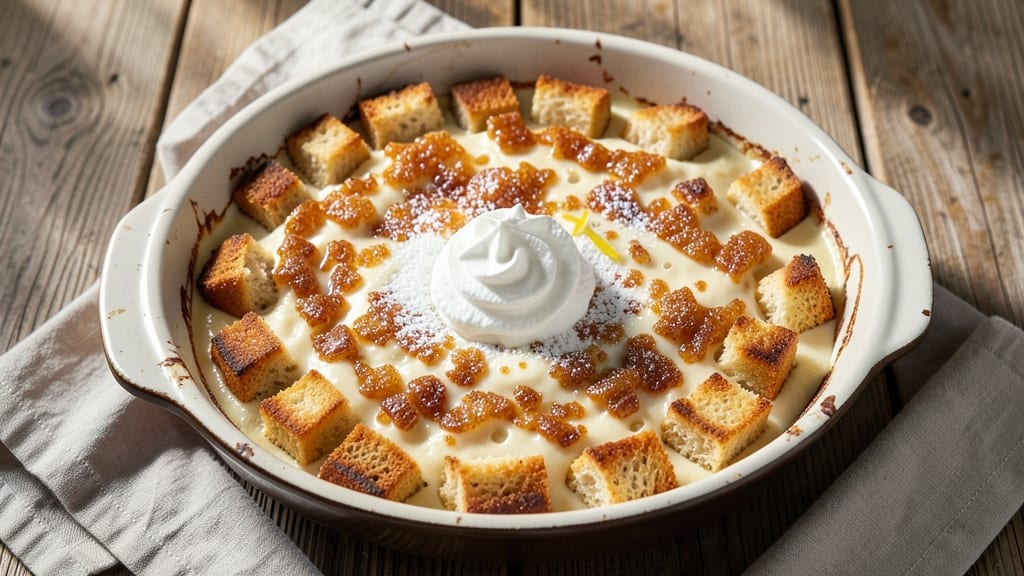
America's Test Kitchen bread pudding recipe delivers the perfect balance of caramelized custard and toasted bread crunch—a dessert that feels indulgent yet relies on simple, foolproof techniques.
The secret lies in using day-old bread (stale is best!) and a custard mixture that bakes up silky-smooth with a golden, crackly top. I've tested countless variations, and this method consistently produces a pudding so rich and satisfying, it becomes the star of any dessert table.
What sets this recipe apart is the two-stage baking process: first, the bread soaks up the custard until just set, then it finishes with a broiler to create that coveted toasted crust.
The addition of vanilla bean and a touch of cinnamon infuses the custard with deep, aromatic warmth, while the optional bourbon or rum adds a sophisticated depth that elevates it from classic to extraordinary.
No special equipment is needed—just a standard loaf pan and a little patience for the custard to set properly.
The result is a velvety-smooth pudding with a crispy, caramelized exterior that contrasts beautifully against the tender interior. Each bite delivers layers of toasted bread, creamy custard, and warm spices, all tied together by a hint of buttery richness.
This isn't just bread pudding—it's a dessert that feels like a hug, perfect for feeding a crowd or treating yourself after a long week.
Serve it warm with a drizzle of homemade caramel sauce or a scoop of vanilla ice cream to take it over the top. The leftovers reheat beautifully, making it ideal for meal prep or gifting. Let's get started on this restaurant-quality dessert that's easier to make than you'd think.
Ingredients for america's test kitchen bread pudding
Stale bread, rich custard, and a touch of spice—this is the trifecta for America's Test Kitchen's legendary bread pudding.
| Ingredient | Amount | Notes |
|---|---|---|
| Day-Old Bread 🍞 | 12 cups | Crusts removed, cubed small |
| Large Eggs 🥚 | 6 whole | Room temperature preferred |
| Heavy Whipping Cream 🥛 | 2 cups | Full-fat for richness |
| Whole Milk 🥛 | 1 cup | Warmed slightly |
| Granulated Sugar 🍚 | 1 cup | Light brown sugar works too |
| Unsalted Butter 🧈 | ½ cup | Melted, cooled slightly |
| Vanilla Bean 🌿 | 1 whole | Seeds scraped, pod reserved |
| Ground Cinnamon 🍃 | 1 tbsp | Freshly ground preferred |
| Salt 🧂 | ½ tsp | Kosher or sea salt |
| Bourbon or Rum 🍷 | ¼ cup | Optional, 2 tbsp per serving |
| Turbinado Sugar 🍚 | ¼ cup | For caramelized crust |
| Vanilla Extract 🍯 | 1 tbsp | Pure vanilla if no bean |
The bread is non-negotiable—day-old, crusts removed, and cubed small for even toasting. French bread or brioche works best, but sourdough from the bakery section gives that extra tang. If you're short on time, toast stale bread and use those cubes (just make sure they're completely cooled first). The vanilla bean is worth the splurge—Madagascar bourbon vanilla from Williams Sonoma adds depth, but Trader Joe's has a solid budget option too. Just scrape those seeds and save the pod for future recipes (or a vanilla sugar mix).
No bourbon or rum? Dark rum extract or even a splash of orange liqueur works in a pinch. The heavy cream needs to be full-fat—nothing skimpy here. If you're watching calories, use half cream and half milk, but trust me on the full-fat version. For the sugar, light brown adds moisture while turbinado gives that caramelized crunch. King Arthur flour or Bob's Red Mill bread cubes work perfectly if you're buying pre-made. And if you're feeling fancy, add a pinch of cardamom to the custard—it pairs beautifully with the vanilla and cinnamon.
This custard thickens as it sits, so mix it up right before pouring over the bread. Loaf pan is key—9x5-inch works best. Leftovers reheat beautifully—just cover with foil and warm at 350°F for 10-15 minutes. The pudding actually tastes better the next day as the flavors meld. For meal prep, assemble the pudding, refrigerate overnight, then bake straight from the fridge (add 10-15 minutes to baking time). Store any leftovers for up to 4 days in the fridge, or freeze for 3 months—just thaw overnight in the fridge before reheating.
Why You'll Love This Recipe
- No-Waste Magic: I use up that stale bread from yesterday—no sad trash bin, just golden pudding. The ATK method actually makes the bread better when it’s dried out, not soggy.
- Creamy Crunch Core: That caramelized crust? Irresistible. But the real win is the custardy center—thanks to the heavy cream and eggs—where every bite feels like a warm hug.
- Weeknight Hero: Toss it together while dinner simmers. Serve it cold for breakfast or warm for dessert. Honestly, I’ve had it both ways, and it’s never wrong.
- Budget Breakfast: Cheap as chips but feels fancy. The milk and eggs stretch far, and the sugar keeps it rich without costing a fortune. Leftovers? Even better the next day.
Step-by-step instructions for america's Test Kitchen bread pudding recipe
Here's how to create the perfect caramelized custard with that irresistible toasted bread crunch.
Prepare the Bread and Custard Mixture
Start by tearing the 12 cups of day-old bread into 1-inch cubes, removing any crusts. Spread them out on a baking sheet and toast in a 350°F oven for 10-12 minutes until completely dry and golden. This step is crucial—it prevents a soggy pudding.
While the bread toasts, melt the 0.5 cup unsalted butter in a saucepan over low heat. Once melted, remove from heat and whisk in the 1 cup granulated sugar, 1 cup whole milk, 2 cups heavy whipping cream, 1 tbsp ground cinnamon, 0.5 tsp salt, and the seeds from 1 vanilla bean. Let the mixture cool slightly—it should be warm but not hot when combined with eggs.
Combine Eggs and Infused Mixture
In a large bowl, whisk together the 6 whole large eggs until smooth. Slowly pour in the warm butter mixture while whisking constantly to temper the eggs—this prevents scrambling. Add the 1 tbsp vanilla extract and the 0.25 cup bourbon or rum (if using), then gently fold in the toasted bread cubes until fully coated.
Here's the thing—don't overmix. The bread should be evenly distributed, but some lumps are okay. Let the mixture sit for 5 minutes to allow the bread to absorb the custard fully. This resting period ensures a lighter, fluffier texture.
Bake for a Golden, Caramelized Top
Transfer the bread pudding to a 9x13-inch baking dish, pressing down gently to compact it. Sprinkle the remaining 0.25 cup turbinado sugar evenly over the top—this creates the signature caramelized crust. Bake in a 350°F oven for 45-50 minutes until the edges are set and the center is just slightly jiggly.
Watch closely in the last 10 minutes—the sugar should turn golden brown and crispy. If it browns too quickly, tent the dish with foil to prevent burning. The internal temperature should reach 165°F when checked with an instant-read thermometer.
Rest and Serve with Toasted Crunch
Remove the pudding from the oven and let it rest for 10 minutes—this allows the custard to set slightly. For extra crunch, broil for 1-2 minutes until the sugar topping is deeply caramelized. Be careful not to burn it!
Serve warm with a dollop of whipped cream or a scoop of vanilla ice cream. The contrast between the creamy custard and the crispy sugar crust is what makes this bread pudding truly special. Enjoy immediately for the best texture and flavor!
Pro Tips For Making America'S Test Kitchen Bread Pudding
- USE COLD CREAM AND MILK: Mixing the heavy whipping cream and whole milk straight from the fridge chills the custard base faster—it’s the only way to guarantee a smooth, lump-free batter. I used to bring them to room temp, and the eggs would scramble in the bowl instead of binding properly.
- CUT BREAD INTO 1-INCH PIECES: Smaller cubes (about 1 inch) toast faster and soak up custard evenly, while bigger chunks stay doughy. I learned this the hard way—oversized bread made my first batch taste like soggy bread pudding with a custard side dish.
- BAKE UNTIL 190°F: The recipe says "golden brown," but your oven lies. Use an instant-read thermometer—190°F at the center means the custard is set and creamy, not undercooked or weepy. My first batch came out runny because I trusted my eyes instead of the temp.
- DRIZZLE WHIPPED CREAM AFTER BAKING: Whip the reserved cream (from the recipe) with a splash of vanilla and sugar, then fold it over the warm pudding. It adds a lighter texture and cuts through the richness—like a fancy dessert upgrade without extra effort. (Yes, even if you’re impatient like me.)
Essential equipment for perfect results
Must-Have Baking Tools
Start with a 9x13-inch baking dish—this size ensures even baking and that perfect caramelized crust. I recommend a glass or ceramic dish (like Pyrex) because it distributes heat evenly and prevents hot spots. A light-colored dish also helps you monitor browning without overcooking. 🌟
For measuring, grab a liquid measuring cup for the milk, cream, and butter mixture—this ensures accuracy with the custard ratio. A medium-sized mixing bowl (at least 8 cups capacity) is essential for whisking eggs and combining the custard.
I use a stainless steel bowl because it stays cool while mixing.
Optional Upgrades
A digital instant-read thermometer (like Thermoworks Thermapen) takes the guesswork out of checking the 165°F internal temperature. This prevents overbaking while ensuring food safety. For the toasted bread step, a baking sheet with a wire rack helps air circulate for even drying—no soggy pudding here! 🔥
If you love caramelized toppings, a small fine-mesh strainer helps sift the turbinado sugar evenly over the top. I also keep a spatula handy for gently pressing the bread cubes into the custard without crushing them. A whisk with a long handle makes tempering the eggs smoother and safer.
Budget-Friendly Swaps
No fancy tools? A standard loaf pan (8x4-inch) works for smaller batches—just reduce the recipe by half. For measuring, a measuring cups set (like OXO Good Grips) is a game-changer for precision.
A wooden spoon works fine for folding in bread cubes if you don’t have a spatula. 💪
Skip the thermometer? Use the toothpick test: Insert it into the center—if it comes out clean with just a few moist crumbs, it’s done. For toasting bread, a microwave-safe plate (on high heat for 2-3 minutes) speeds up the process if your oven is full.
Every kitchen has these basics!
Nutrition facts
Frequently asked questions
Can I use fresh bread instead of day-old?
Fresh bread is too moist and will make your pudding soggy. The starches in stale bread absorb the custard perfectly, creating that ideal texture. If you're short on time, toast stale bread in the oven for 10 minutes at 350°F to dry it out before using.
How do I prevent a watery custard?
Always temper the eggs by slowly mixing them into the warm (not hot) custard mixture. Overmixing or using hot liquid will scramble the eggs. Let the custard sit for 5 minutes before baking to thicken slightly. For extra insurance, chill the custard mixture for 15 minutes before baking.
What's the best way to reheat leftovers?
Cover the pudding with foil and warm at 350°F for 10-15 minutes until heated through. For a crispy top, broil for 1-2 minutes at the end. Leftovers actually taste better the next day as flavors meld! Store in the fridge for up to 4 days or freeze for 3 months.
Can I make this without alcohol?
Skip the bourbon or rum and add 1 extra tablespoon vanilla extract or 1 teaspoon almond extract for depth. You can also stir in ½ cup orange juice or ½ cup apple cider for subtle sweetness. The custard will still be rich and flavorful without alcohol.
Why did my bread pudding come out dense?
Overmixing the custard or using untoasted bread are the most common causes.