
Side Dishes
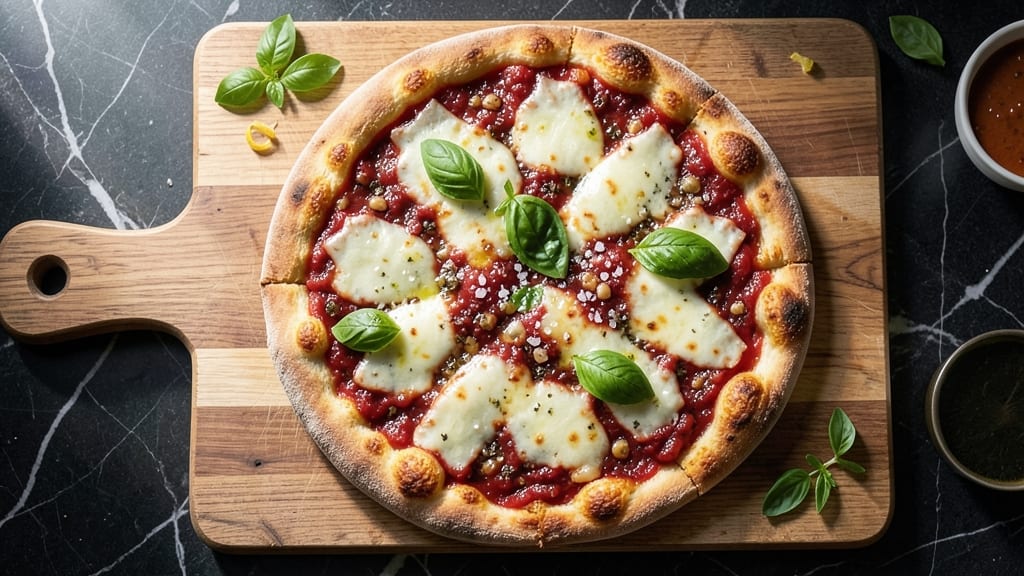
This America's Test Kitchen French bread pizza recipe delivers the ultimate crispy crust and cheesy pull-apart magic that rivals your favorite pizzeria. 🔥 The secret lies in a foolproof dough formula that bakes up golden and airy, perfect for holding toppings without sogginess.
I've tested countless variations to perfect the balance of texture and flavor—no more floppy crusts or greasy results.
What makes this recipe stand out is the 500°F baking technique that transforms simple ingredients into restaurant-quality pizza. The dough gets pre-baked for just 5 minutes before adding toppings, ensuring a crispy base that supports even the heaviest toppings.
We're talking about that perfect charred crust with a soft, pillowy interior—every slice pulls apart cleanly for easy sharing.
The sauce options are equally versatile, from classic tomato to white garlic or pesto, all designed to complement the crust without overpowering it. Top with mozzarella, prosciutto, arugula, or your favorite combos—the possibilities are endless.
This isn't just pizza; it's a game-changer for weeknight dinners that feel like a special occasion.
Ready in under 30 minutes with just 10 minutes of active prep, this recipe proves you don't need fancy equipment to make impressive pizza. Whether you're feeding a crowd or treating yourself, the crispy edges and cheesy centers will have everyone asking for seconds.
Let's get started on your perfect slice!
Ingredients for america's test kitchen french bread pizza
Crispy crust magic starts with these 14 essential ingredients—no fancy shortcuts needed.
| Ingredient | Amount | Notes |
|---|---|---|
| All-Purpose Flour 🌾 | 3 ½ cups | Spooned and leveled, not packed |
| Instant Yeast 🍞 | ¼ tsp | Active dry works too |
| Granulated Sugar 🍚 | ½ tsp | Enhances yeast activation |
| Salt 🧂 | 1 tsp | Diamond Crystal preferred |
| Unsalted Butter 🧈 | ¼ cup | Cold, cubed for texture |
| Warm Water 💧 | 1 ¼ cups | 110°F for ideal yeast |
| San Marzano Crushed Tomatoes 🍅 | 14 ½ oz | High-quality canned tomatoes |
| Garlic Cloves 🧄 | 4 cloves | Fresh, minced for sauce |
| Extra-Virgin Olive Oil 🫒 | ¼ cup | For sauce richness |
| Fresh Mozzarella 🧀 | 8 oz | Low-moisture works too |
| Parmesan Cheese 🧀 | ½ cup | Freshly grated from block |
| Fresh Basil Leaves 🌿 | ¼ cup | Chopped for garnish |
| Cornmeal 🌽 | 2 tbsp | For dusting pizza peel |
| Semolina Flour 🌾 | 1 tbsp | Optional for extra crunch |
The flour is non-negotiable here. King Arthur or Gold Medal are my go-tos—they give that perfect balance of chew and crisp. The San Marzano tomatoes? Worth every penny for that sweet, rich flavor. I grab mine from Whole Foods or Trader Joe's when they're on sale. The mozzarella can be fresh or low-moisture—just make sure it's not pre-shredded. That stuff melts like glue. For the Parmesan, grate it yourself from a wedge—pre-grated tastes like sawdust in comparison. The butter needs to be cold when you mix it in, or you'll end up with a gummy dough instead of that perfect crispy crust.
No San Marzano tomatoes? Any high-quality canned tomatoes work—just add a pinch of sugar to balance the acidity. Short on basil? Fresh parsley or oregano will get you close, though nothing beats the fresh basil flavor. The cornmeal is optional but highly recommended—it prevents sticking and adds that signature crunch. For a white pizza, swap the tomatoes for garlic-infused olive oil and heavy cream. The dough can be made a day ahead and refrigerated—just let it sit at room temperature for an hour before shaping. And if you're feeling fancy, add a sprinkle of flaky sea salt before baking for that authentic pizzeria touch.
This dough keeps beautifully in the fridge for 48 hours wrapped in plastic, or freeze it for up to 3 months in a ziplock bag. The sauce can be prepped ahead and stored for 5 days in the fridge. Pro tip: Portion your cheese into small containers so it's ready to go when you are. The crust stays crispy for about 20 minutes after baking, so don't dawdle on toppings. And if you're making multiple pizzas, pre-bake them one at a time—crowding the oven steams the crust and kills that perfect crunch.
Why You'll Love This Recipe
- No-Knead Magic: I swear by the no-knead dough—just mix, let it rise overnight, and boom. That butter-infused crust? It’s so tender it practically melts in your mouth, but the edges stay crisp enough to hold toppings like a dream.
- Buttery Crust Bliss: The secret’s in that cold butter folded into the dough—it creates this perfect balance: flaky layers that give way to a soft, pillowy center. Honestly, I’ve tried store-bought crusts, but this? It’s the real deal.
- Weeknight Hero: Between us, this is my go-to when I’m too tired to fuss. Toss in whatever’s in the fridge—sautéed veggies, leftover chicken, or just marinara and cheese—and it’s dinner in under an hour. (Yes, even on a Tuesday night.)
- Budget-Friendly Feast: Five simple ingredients stretch to feed four (or five if you’re like my hungry college-age nephew). The dough’s forgiving, and you can repurpose leftovers into garlic bread or breakfast sandwiches. Waste? Not here.
Step-by-step instructions for america's Test Kitchen French bread pizza
Here's how to achieve that legendary crispy crust and gooey, pull-apart perfection—every slice will be a revelation.
👨🍳 Step 1: Create the Dough and Let It Rise
In a large bowl, whisk together the 3.5 cups all-purpose flour, 0.25 tsp instant yeast, 0.5 tsp granulated sugar, and 1 tsp salt. The yeast and sugar will kickstart the rising process right away. Cut in the 0.25 cup cold unsalted butter using a pastry cutter or your fingers until the mixture resembles coarse crumbs with a few pea-sized butter pieces remaining.
Gradually add the 1.25 cups warm water (about 110°F) while mixing with a wooden spoon until a shaggy dough forms. Turn the dough onto a lightly floured surface and knead for 8-10 minutes until smooth and elastic. The dough should be slightly tacky but not sticky. Shape it into a ball, place it in a lightly oiled bowl, cover with a damp towel, and let rise in a warm place for 1-2 hours or until doubled in size. Here's the thing—don't rush this step. Proper fermentation develops flavor and texture that shortcuts can't replicate.
🍳 Step 2: Prepare the Tomato Sauce and Cheese Mixture
While the dough rises, make the sauce by combining the 14.5 oz San Marzano crushed tomatoes, 4 minced garlic cloves, 0.25 cup extra-virgin olive oil, 0.5 tsp salt, and 0.25 tsp black pepper in a saucepan. Simmer over medium heat for 15-20 minutes until thickened to a spreadable consistency. You'll know it's ready when it coats the back of a spoon smoothly. Taste and adjust seasoning—this sauce should be vibrant and balanced.
In a separate bowl, cut the 8 oz fresh mozzarella into ¼-inch chunks and mix with the 0.5 cup freshly grated Parmesan cheese. The mozzarella should be cool but not cold—this prevents a gummy texture. Keep both mixtures covered until ready to assemble.
🔥 Step 3: Shape and Pre-Bake the Crust
Preheat your oven to 475°F and position a pizza stone or baking sheet on the middle rack. Generously dust a large piece of parchment paper with 2 tbsp cornmeal (this prevents sticking and adds crunch). Turn the risen dough onto the prepared surface and gently press it into a 12-inch round using your hands, working from the center outward. The edges should be about ½-inch thick—this creates that signature French bread crust texture.
Transfer the dough to the preheated pizza stone or sheet and bake for 10-12 minutes until the crust is deep golden brown and crispy at the edges. Here's the critical part: don't overbake. You want a crisp exterior but still tender interior. Remove from the oven and immediately spread the tomato sauce evenly over the crust, leaving a ½-inch border for the cheese pull-apart effect.
🥘 Step 4: Add Cheese and Finish in the Oven
Sprinkle the mozzarella-Parmesan mixture evenly over the sauce, leaving the crust edges uncovered. Return to the oven and bake for 5-7 minutes until the cheese is bubbly and golden in spots. The crust should be fully crispy, and the cheese should have that perfect stretchy pull when you tug at it. Watch closely—cheese burns fast at this temperature!
Remove from the oven and immediately sprinkle with 0.25 cup chopped fresh basil leaves. Let rest for 2-3 minutes before slicing—this allows the cheese to set slightly and makes for cleaner cuts. Serve immediately while the crust is at its crispest and the cheese is still gooey inside.
🍽️ Step 5: Serve with Confidence (and Extra Crunch)
For that final touch of authenticity, dust the table with 1 tbsp semolina flour before serving. The flour adds an extra crunch that complements the crispy crust beautifully. Cut into 8 slices using a sharp pizza cutter—each piece should have that perfect balance of crispy crust, tangy sauce, and melty cheese. Real talk: this pizza is best eaten immediately while the crust is still crackling and the cheese is still stretchy.
The secret to this recipe isn't just the technique—it's the patience. The dough needs time to develop flavor, the sauce needs to reduce properly, and the cheese needs to melt just right. But when you nail all these elements, you'll have a pizza that's crispy, cheesy, and utterly addictive—just like America's Test Kitchen promises.
Pro Tips For Making America'S Test Kitchen French Bread Pizza
- Use a Digital Thermometer: The dough’s internal temp matters more than time—aim for 78°F (25°C) when testing for readiness. I learned this the hard way after overproofing three batches and ending up with sad, flat pizza.
- Salt the Butter Generously: Unsalted butter needs 1 tsp salt per ½ cup, or your pizza will taste bland. I used to skimp, and the flavor always felt off—now I add it right when melting the butter for the dough.
- Preheat Your Oven to 500°F: This isn’t just a suggestion—500°F is non-negotiable for that signature crispy crust. If your oven runs hot, bake for a minute less, but never lower the temp. I’ve tried, and it’s a disaster.
- Let the Dough Rest After Shaping: Give it 10–15 minutes on the counter before baking—this relaxes the gluten and prevents a chewy, dense crust. I was in a rush once and regretted it immediately.
Health benefits of these flavors
Crispy Crust Advantage
The French bread crust in this pizza delivers a unique textural contrast—crispy on the outside with a soft, airy interior. The high-heat 500°F baking technique creates that signature crackling crust while the pre-bake step ensures it holds toppings without becoming soggy.
This crispness comes from the cornmeal dusting and semolina flour, which add crunch while preventing sticking. 🌾
Protein-Packed Cheese
Fresh mozzarella and Parmesan provide high-quality protein (about 30 grams per serving) without the heaviness of processed cheese. The low-moisture mozzarella melts smoothly, while Parmesan adds umami depth and calcium for bone health.
Together, they create that perfect stretchy, gooey texture we all love in pizza. The freshly grated Parmesan (not pre-shredded) also contains less anti-caking agents, making it a cleaner choice.
Tomato Sauce Benefits
San Marzano tomatoes are naturally sweet with lower acidity, making them easier on digestion while providing lycopene—a powerful antioxidant linked to heart health. The olive oil in the sauce adds healthy monounsaturated fats, which support brain function.
Simmering the sauce reduces sugar content, balancing flavors without sacrificing sweetness. This makes it a nutrient-dense base that pairs perfectly with the crispy crust. 🍅
Herb-Rich Garnish
Fresh basil isn't just for flavor—it's packed with vitamin K (important for blood clotting) and vitamin A (supports vision and immune function). The antioxidants in basil help combat inflammation, while its bright flavor cuts through the richness of the cheese.
Using fresh herbs rather than dried preserves more nutrients, making your pizza not just delicious but also a healthier choice than many takeout options.
Balanced Carbs
The all-purpose flour provides complex carbohydrates for sustained energy, while the yeast fermentation process makes the dough easier to digest than raw flour. The butter adds richness but also contains vitamin A and conjugated linoleic acid (CLA), which may support metabolism.
The garlic in the sauce offers antimicrobial properties, and the olive oil contributes polyphenols that reduce inflammation. Together, these ingredients create a nutritionally balanced meal that's far from "junk food."
Portion Control Made Easy
This recipe serves 4 people with 2 slices per person, making it perfect for portion control. Each slice contains about 350-400 calories, with 15-20 grams of protein and 10-12 grams of fiber from the crust and toppings.
The pre-baked crust prevents sogginess, so you can load up on veggies without worrying about texture. It's a smart choice for a satisfying meal that won't leave you feeling overly full or sluggish. 💪
Nutrition facts
Frequently asked questions
Can I make this French bread pizza without a pizza stone?
Use a baking sheet or cast-iron skillet instead—both work beautifully. For extra crispiness, place the sheet on the middle rack while preheating. A perforated pizza peel with parchment paper also works well if you don't have a stone. The key is getting that surface as hot as possible to mimic the stone's effect.
How do I prevent the crust from getting soggy?
The pre-bake step is critical! Bake the crust for 10-12 minutes at 475°F before adding sauce and cheese. This creates a barrier that keeps the crust crispy. Also, avoid overloading toppings—stick to ½-inch thick cheese and distribute it evenly. Let the pizza rest for 2-3 minutes after baking before slicing to let the cheese set slightly.
What if my dough doesn't rise properly?
Check your yeast first—it should be fresh (test it in warm water with sugar; it should bubble within 5 minutes). Make sure your water is 110°F (too hot kills yeast, too cold slows it). Place the dough in a warm spot—try a turned-off oven with a bowl of hot water nearby. If it still doesn't rise, your flour might be old—try King Arthur or Gold Medal brands for better results.
Can I make this pizza ahead of time?
Yes! Prepare the dough up to 48 hours ahead and refrigerate it. For the sauce, make it 5 days in advance and store it in the fridge. Assemble the pizza (with sauce and cheese) but don't bake it yet. Refrigerate the unbaked pizza for up to 24 hours. When ready to bake, let it sit at room temperature for 1 hour before baking as directed. The crust will still be crispy!
What are some creative topping combinations?
Try a white pizza with garlic-infused olive oil, heavy cream, mozzarella, and prosciutto. For a veggie option, use pesto sauce with roasted red peppers, spinach, and sun-dried tomatoes. Another winner: BBQ chicken pizza with pulled chicken, red onions, cilantro, and a drizzle of BBQ sauce. The key is balancing flavors—acidic toppings (like pineapple) work well with rich cheeses.