
Breakfast & Brunch
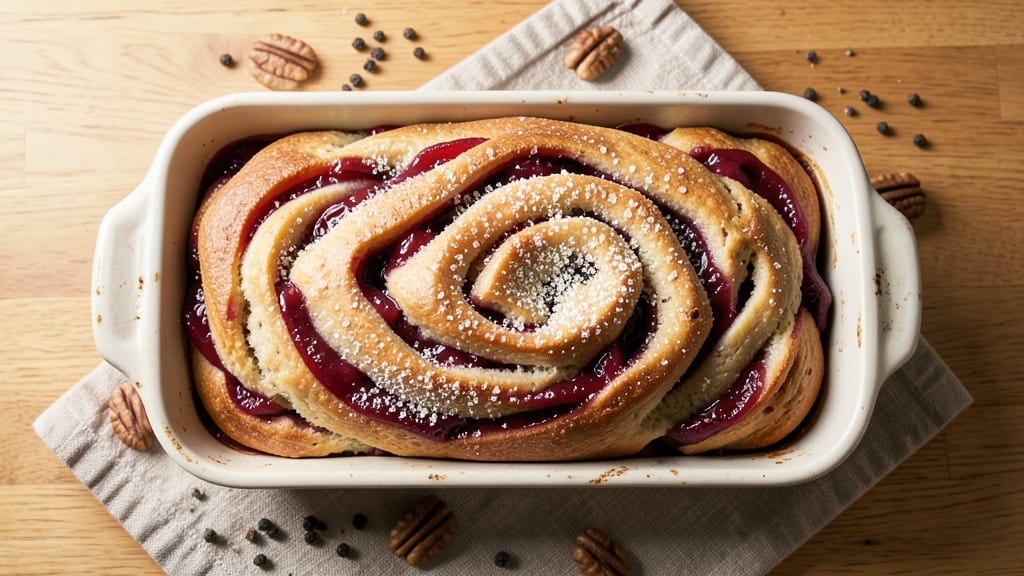
This Amish applesauce bread recipe delivers a rustic loaf with tender crumb and bursts of spiced fruit swirls in every bite. The secret lies in balancing sweet applesauce with warm cinnamon and nutmeg, creating a homemade bread that tastes like a Pennsylvania farmhouse kitchen.
I’ve perfected this recipe over years of baking—no fancy equipment needed, just patience and a few simple techniques.
The dough comes together in 30 minutes with basic pantry staples, but the magic happens during the slow rise and baking. The applesauce keeps the bread moist while the spices infuse warmth, and the crust develops a golden, crackly exterior that’s impossible to resist.
This isn’t just bread—it’s a comforting centerpiece for breakfast or a cozy snack.
What you’ll end up with is a homemade loaf that’s crisp on the outside, soft and pillowy inside, with pockets of spiced applesauce swirled throughout. The aroma alone will fill your home with nostalgia, and the texture?
Perfectly balanced—never dry, never gummy. It’s the kind of bread that disappears faster than you can slice it.
Serve warm with butter or jam, or save slices for toast the next morning. The recipe scales easily for gifts or gatherings, and leftovers stay fresh for days. Let’s get baking—this loaf is worth every minute of waiting.
Ingredients for amish applesauce bread
Four cups flour plus a few pantry staples—this rustic loaf is all about simple ingredients and slow baking.
| Ingredient | Amount | Notes |
|---|---|---|
| All-Purpose Flour 🌾 | 4 cups | Sifted for even texture |
| Unsalted Butter 🧈 | ½ cup | Cold, cubed for dough |
| Granulated Sugar 🍚 | ¼ cup | White or light brown |
| Unsweetened Applesauce 🍎 | 1 cup | Unseasoned, no chunks |
| Large Eggs 🥚 | 1 whole | Room temperature |
| Active Dry Yeast 🍞 | 0.02 oz | 1 packet or 2 1/4 tsp |
| Warm Water 💧 | ¼ cup | 110°F for yeast activation |
| Ground Cinnamon 🌿 | 1 ½ tbsp | Freshly ground preferred |
| Ground Nutmeg 🌿 | ½ tsp | Freshly grated preferred |
| Salt 🧂 | ½ tsp | Diamond Crystal kosher |
| Vanilla Extract 🍯 | 1 tsp | Pure vanilla preferred |
| Extra-Virgin Olive Oil 🫒 | ½ tbsp | For dough coating |
The flour is non-negotiable here—King Arthur or Gold Medal work best for that tender crumb. Applesauce should be unsweetened and smooth (no chunks), and I always grab mine from Trader Joe's or make my own from peeled, cooked apples. The yeast? Fresh is best—check the expiration date, and if it's been sitting in your pantry for months, toss it. For the spices, Penzeys or McCormick have the best ground cinnamon and nutmeg—vibrant color means freshness. Butter should be cold but not rock-hard; take it out of the fridge 10 minutes before using.
No unsweetened applesauce? Mashed banana or pumpkin puree works in a pinch, but the flavor will differ slightly. Running low on vanilla? Almond extract at half the amount gives a different but pleasant twist. The olive oil is just for coating—any neutral oil works, but extra-virgin adds a subtle richness. For the yeast, if you don’t have active dry, instant yeast at the same amount is fine, but don’t skip the warm water step. And if your cinnamon tastes dull, toast the whole sticks first—grind them fresh for maximum warmth.
This dough needs time—at least 1 hour for the first rise, then another 30 minutes after shaping. Store any leftovers wrapped in a cool, dry place for 2 days, or freeze slices for up to 3 months. The bread reheats beautifully—wrap a slice in foil and warm in a 350°F oven for 5 minutes. For gifts, wrap cooled loaves in parchment paper and twine—they’ll stay fresh for days.
Why You'll Love This Recipe
- No-Mix Needed: I swear by this—just fold the applesauce right into the butter and flour. No kneading, no fuss, and that soft, tender crumb happens without a single extra step. My kids think it’s magic (and honestly, so do I).
- Sweet But Not Cloying: That balance of sugar and applesauce? Chef’s kiss. The bread stays moist for days, but it’s not heavy—just warm, buttery, and subtly sweet, like a hug in loaf form. (Yes, even if you’re not a sugar lover.)
- Breakfast, Snack, or Dessert: Serve it toasted with butter for breakfast, split in half for a quick lunch, or drizzle with honey when you’re craving something sweet. It’s the one loaf that works for every mood—no guilt, no extra effort.
- Budget Baking Win: Applesauce replaces half the fat, so you use less butter, and a single batch stretches to feed four for days. Freeze slices for toast later, or pack it for school lunches—it’s my go-to when groceries feel tight but I still want something worth it.
Step-by-step instructions for Amish applesauce bread
Here's the method that delivers that signature Amish spice blend and gooey applesauce swirl every time.
Activate the Yeast and Prepare the Dough Base
In a small bowl, combine the 0.015 oz active dry yeast with the 0.25 cup warm water (around 110°F) and let sit for 5-10 minutes until foamy. This is your yeast activation test—it should bubble actively, not stay flat. If it doesn't foam, your yeast might be dead, and you'll need to start over.
In a large mixing bowl, whisk together the 4 cups all-purpose flour, 0.25 cup granulated sugar, 1.5 tbsp ground cinnamon, 0.5 tsp ground nutmeg, and 0.5 tsp salt. I like to sift the flour first for an even texture, especially with all these spices. Make a well in the center and pour in the yeast mixture, 1 whole large egg, and 1 tsp vanilla extract. Mix until a shaggy dough forms—don't worry if it looks dry at this stage.
Incorporate the Butter and Applesauce Swirl
Cut the 0.5 cup unsalted butter into small cubes and add them to the dough. Use your hands or a dough hook to knead the butter into the dough until it begins to soften and coat the flour. This step is crucial—you want the butter to create pockets in the dough that will give your bread that signature flaky texture.
Once the butter is mostly incorporated, add the 1 cup unsweetened applesauce and continue kneading until the dough comes together. It should be soft but not sticky—if it's too wet, add 1-2 tablespoons more flour until it holds together. Shape the dough into a rectangle about 12x8 inches on a lightly floured surface. Spread the remaining applesauce evenly over the dough, leaving a ½-inch border around the edges. This border prevents the filling from leaking out during baking.
Fold and Shape for Maximum Flavor Layers
Starting from the long side, tightly roll the dough into a log, pinching the seam to seal. This creates those beautiful swirls of applesauce inside. Transfer the log to a lightly greased bowl, seam-side down, and brush the top with 0.5 tbsp extra-virgin olive oil. Cover the bowl with a damp towel and let rise in a warm place for 1-1.5 hours, or until the dough has nearly doubled in size.
Here's the thing—your kitchen might not be warm enough for natural rising. If the dough doesn't puff much after an hour, pop it in a 300°F oven with the light on for 10 minutes to jumpstart the process. The dough should spring back slowly when poked with a finger, but not too aggressively.
Shape and Proof the Final Loaf
Once risen, turn the dough out onto a lightly floured surface and gently reshape it into a loaf pan (about 9x5 inches). The dough will be soft and sticky—don't worry, this is normal. Brush the top with more olive oil for a golden crust. Cover loosely with a towel and let proof for another 30-45 minutes until it rises about 1 inch above the pan. This final proof ensures that beautiful oven spring when it bakes.
Preheat your oven to 375°F while the dough proofs. When ready, bake the bread for 45-50 minutes, until the top is deep golden brown and the internal temperature reaches 190°F. Tap the bottom—it should sound hollow. If the top browns too quickly, tent with foil to prevent over-browning.
Cool and Slice for Perfect Texture
Remove the bread from the oven and let it cool in the pan for 10 minutes, then transfer to a wire rack. Here's where patience pays off—resist the urge to slice immediately. Let it cool completely for at least 30 minutes before cutting. This prevents the applesauce from oozing out and gives the bread time to set properly.
The final result should be a crusty exterior with a tender, spiced interior where the applesauce swirls create pockets of sweetness. Each slice should reveal those beautiful caramelized fruit strands throughout the bread. Store leftovers wrapped in foil at room temperature for up to 3 days, or freeze for longer storage.
Pro Tips For Making Amish Applesauce Bread
- Measure Applesauce Cold: I learned this the hard way—warm applesauce makes the dough too sticky and gummy. Scoop it straight from the fridge, and the texture stays manageable. (Yes, even if you're impatient like me.)
- Cut Butter Cold: Unsalted butter straight from the fridge cuts into flour better than softened butter. Use a pastry cutter or your fingers to work it into pea-sized pieces—this keeps the crumb tender and prevents greasy pockets.
- Skip Overmixing: After burning three batches, I finally figured out the dough only needs to come together. Mix just until the flour is moistened—overworking it makes the bread dense. (Your future self will thank you.)
- Use a Thermometer: The oven’s "brown" setting isn’t reliable. Aim for 350°F and bake until the center hits 190°F—this guarantees a fully cooked loaf without drying it out. (Sounds weird, but it works.)
Make-ahead tips for amish applesauce bread
Prep Ahead Strategy
Start the dough the night before for deeper flavor development. After mixing all ingredients, cover the bowl with plastic wrap and refrigerate overnight. The cold slows fermentation, intensifying the spice notes and applesauce sweetness.
When ready to bake, bring the dough to room temperature for 1 hour before shaping and proofing. This trick saves 30 minutes of active time while improving texture. 💫
Freezer-Friendly Dough
Shape the dough into a log and wrap tightly in plastic wrap, then place inside a quart freezer bag. Freeze for up to 3 months. When ready to bake, thaw in the fridge overnight, then proceed with proofing and baking as directed.
The cold rise creates a tighter crumb structure, making each slice even more satisfying. I use this method when hosting—just pull it out in the morning for a fresh loaf by dinner. ❄️
Applesauce Prep Shortcut
Make your own applesauce in advance and store it in glass jars in the fridge for up to 1 week or freeze for 3 months. Use peeled, cored apples cooked with 1 tbsp lemon juice and 1 tsp cinnamon per 4 cups apples.
The lemon prevents browning, and the cinnamon infuses flavor. This saves 20 minutes of prep day-of-baking while keeping the filling fresh and vibrant. 🍎
Baked Loaf Storage
Cool completely, then slice and wrap individual portions in parchment paper before storing in an airtight container at room temperature for 5 days. For longer storage, freeze slices on a tray first to prevent sticking, then transfer to a freezer bag for up to 3 months.
To reheat, wrap a slice in foil and warm at 350°F for 5 minutes—this restores the crust's crispness while keeping the interior soft. 🔥
Gift-Worthy Packaging
For homemade gifts, wrap cooled loaves in brown kraft paper tied with twine and a sprig of fresh rosemary. Add a handwritten tag with the recipe details—people love knowing they can recreate it.
Store these wrapped loaves at room temperature for 7 days without refrigeration. I've given these as holiday gifts for years, and they're always the first to disappear! 🎁
Batch Baking Tips
Double the recipe and bake two loaves simultaneously on the middle rack. Use two loaf pans or bake one at a time if your oven isn't large enough. For even baking, rotate pans halfway through the 45-50 minute cycle.
Label each loaf with the date—this helps track freshness when storing multiple batches. The second loaf often tastes even better as the flavors meld overnight in the fridge. 📅
Nutrition facts
Frequently asked questions
Why does my Amish bread dough stick so much during shaping?
This happens when the dough is too wet or hasn't rested enough. The applesauce adds moisture, so if your dough feels sticky, add 1-2 tablespoons flour while kneading. Let it rest 10 minutes before shaping to relax the gluten. A lightly floured surface and warm hands help too—never force it!
Can I substitute pumpkin puree for the applesauce?
Yes, but adjust the spices! Use 1 cup pumpkin puree and reduce cinnamon to 1 teaspoon (nutmeg stays the same). The texture will be denser, but the warm spice notes work beautifully. For extra moisture, add 1 tablespoon melted butter to the puree.
How do I fix a dense or gummy loaf?
Overmixing or underproofing usually causes this. For next time, knead gently until just combined, and let the dough rise until it nearly doubles in size. If your oven runs hot, reduce temp to 350°F and tent with foil after 20 minutes. A toothpick inserted should come out clean—not wet.
Is this bread gluten-free?
No, this recipe relies on wheat flour for structure. For a GF version, swap for 1:1 gluten-free flour blend (like Bob's Red Mill) and add ½ teaspoon xanthan gum. Expect a denser texture—GF breads don't rise as dramatically. The applesauce swirl will still shine!
Can I make this without a loaf pan?
Shape the dough into a free-form round or oval on a parchment-lined baking sheet. Brush with olive oil and bake at 375°F for 35-40 minutes, rotating halfway. For extra crust, sprinkle coarse sugar or poppy seeds before baking. The texture will be slightly denser but just as flavorful!