
Main Courses
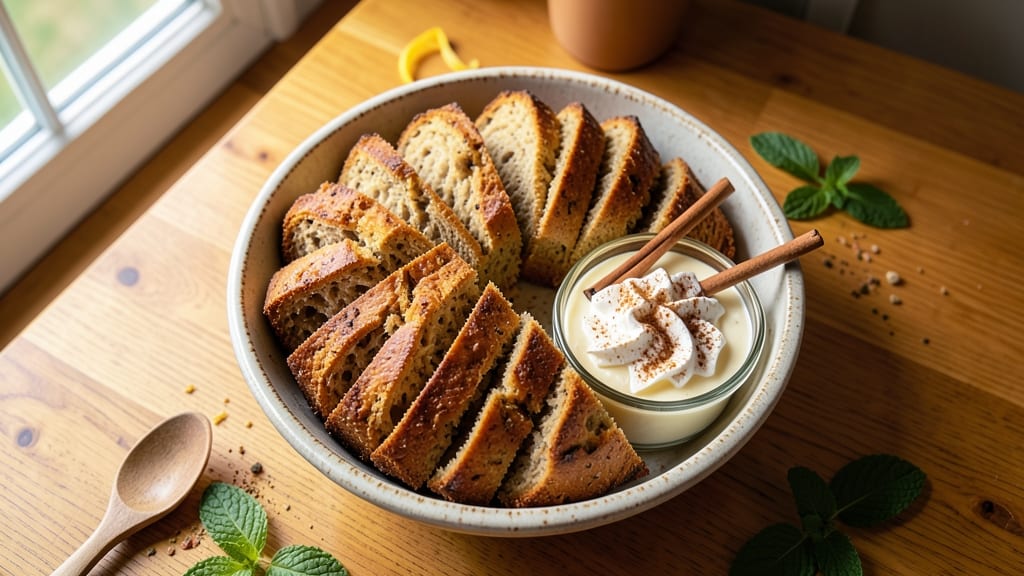
This Amish friendship bread recipe with vanilla pudding combines rustic warmth and creamy comfort in every bite. The spiced loaf, baked in a cast-iron skillet, develops a golden crust and tender crumb, while the vanilla pudding swirls through the center for a luxurious surprise.
Traditional Amish baking techniques ensure a loaf that's both hearty and elegant—perfect for sharing or savoring solo.
The secret to this recipe lies in the slow rise and gentle baking, which allows the spices—cinnamon, nutmeg, and cloves—to meld into the dough without overpowering. Meanwhile, the vanilla pudding, made with simple ingredients, adds a velvety contrast that balances the bread's robust flavors.
Together, they create a dessert that feels both nostalgic and indulgent, with each component enhancing the other.
By the time you pull this loaf from the oven, you'll have a warm, fragrant bread with a pudding center that's still perfectly creamy.
The aroma alone will fill your kitchen with the cozy charm of Amish baking traditions, while the texture offers a satisfying mix of crisp edges and soft, spiced layers. This isn't just dessert—it's a moment of homemade comfort.
Serve it fresh from the oven with a scoop of vanilla ice cream or a dusting of powdered sugar for extra elegance. The pudding swirls through the bread, creating pockets of sweetness that make every bite feel like a little celebration.
Here's how to bring this classic dessert to life in your own kitchen.
Ingredients for amish friendship bread recipe with vanilla pudding
Spiced flour, warm butter, and vanilla swirls—just 15 ingredients for this comforting dessert masterpiece.
| Ingredient | Amount | Notes |
|---|---|---|
| All-Purpose Flour 🌾 | 4 cups | Sifted for light texture |
| Granulated Sugar 🍚 | 1 ½ cups | White or light brown |
| Unsalted Butter 🧈 | 1 cup | Cold, cubed for dough |
| Large Eggs 🥚 | 2 whole | Room temperature |
| Milk 🥛 | 1 cup | Warm for best mixing |
| Ground Cinnamon 🌿 | 1 ½ tbsp | Freshly ground preferred |
| Ground Nutmeg 🌿 | 1 tsp | Freshly grated if possible |
| Ground Cloves 🌶️ | ½ tsp | Lightly toasted for depth |
| Salt 🧂 | ½ tsp | Fine sea salt preferred |
| Vanilla Extract 🍯 | 2 tsp | Pure, high-quality |
| Powdered Sugar 🍚 | 1 cup | For pudding topping |
| Vanilla Pudding Mix 🍮 | 1 box | Instant or homemade |
| Milk 🥛 | 2 cups | For pudding mixture |
| Large Egg Yolks 🥚 | 4 whole | Separated from whites |
| Heavy Cream 🥛 | 1 cup | Cold for pudding |
The flour and spices are your foundation. King Arthur or Gold Medal flour works best for that tender crumb, though any all-purpose will do. For the spices, Penzeys or Spicewalla are my go-tos—their ground cinnamon and nutmeg have serious depth. If you're using a boxed pudding mix, Jell-O or Betty Crocker are reliable, but homemade pudding (just powdered sugar, milk, egg yolks, and vanilla) elevates everything. The butter should be cold—this isn’t a time for softened sticks. Roll it into cubes and keep it chilled until the dough comes together.
No vanilla extract? Vanilla bean paste or even vanilla sugar will work in a pinch, though pure extract is ideal. Short on egg yolks? Substitute with 1/4 cup melted butter plus 1 tsp vanilla for the pudding, though texture may shift slightly. The pudding mix can be swapped for a homemade custard base—just whisk powdered sugar, milk, egg yolks, and vanilla until thickened over low heat. For the bread dough, if you’re short on cloves, a pinch of allspice or extra cinnamon balances the flavor just as well. The key is balancing warmth—don’t skimp on the spices, but don’t overpower with too much.
This loaf keeps beautifully for 3 days in an airtight container at room temperature, though it’s best enjoyed fresh. The pudding center stays creamy for 2 days if refrigerated in a sealed container. For make-ahead prep, mix the dough and pudding separately, then assemble just before baking—this ensures the pudding stays silky. If storing leftovers, wrap tightly in plastic and refrigerate; reheat in a 350°F oven for 10-15 minutes to restore warmth. The pudding may thicken slightly when chilled, but a quick whisk brings it back to perfection.
Why You'll Love This Recipe
- No-Fuss Dough: I swear, you’ll have this bread shaped and in the oven before your coffee finishes brewing. Just mix the flour, sugar, butter, and eggs—no yeast, no waiting, no fuss—and let the milk add that tender crumb. Honestly, my kids think I’m some kind of baking magician, but it’s just a few minutes of stirring.
- Vanilla Pudding Magic: That creamy pudding swirled into the warm bread? Absolute perfection. The sugar in the dough caramelizes just enough to balance the cool, dreamy pudding, while the butter keeps it rich without being heavy. (Yes, even on a Tuesday night.)
- Weeknight Crowd-Pleaser: This feeds a houseful without requiring a second mortgage. The bread’s sturdy enough for breakfast toast or dessert slices, and the pudding turns it into a showstopper for potlucks or Sunday dinners. I’ve used it for everything from picnic lunches to late-night cravings.
- Budget-Friendly Comfort: Flour, sugar, butter, eggs, milk—these are pantry staples that won’t break the bank. Plus, the dough keeps for days, so I can bake a batch and pull out slices whenever hunger strikes. Between us, this is how I feed my family well without stressing over grocery bills.
Step-by-step instructions for Amish friendship bread with vanilla pudding
Here's how to craft this comforting dessert with a warm spiced loaf and rich pudding swirl.
Prepare the Spiced Bread Dough
In a large mixing bowl, combine the 4 cups all-purpose flour and 1.5 cups granulated sugar. Add the 1.5 tbsp ground cinnamon, 1 tsp ground nutmeg, 0.5 tsp ground cloves, and 0.5 tsp salt. Whisk everything together until the spices are evenly distributed throughout the flour mixture. This ensures every bite will carry that signature warm spice flavor.
Cut the 1 cup cold unsalted butter into small cubes and add them to the dry ingredients. Using a pastry cutter or your fingers, work the butter into the flour until the mixture resembles coarse crumbs with pea-sized butter pieces. This texture is crucial for creating a tender, flaky bread. Add the 2 whole large eggs and 1 cup warm milk, mixing just until combined. The dough will be soft but manageable.
Shape and Bake the Bread Loaf
Transfer the dough to a lightly floured surface and gently shape it into a 9x5-inch loaf pan, pressing it down firmly to fill the pan completely. This ensures even baking and prevents a dense center. Cover the pan with a clean kitchen towel and let the dough rest for 30 minutes at room temperature. This brief rest helps the dough relax and settle before baking.
Preheat your oven to 350°F. Bake the bread for 50-55 minutes, or until a toothpick inserted into the center comes out clean. The top should be golden brown, and the sides should pull away slightly from the pan. If the top browns too quickly, loosely cover it with aluminum foil after 30 minutes to prevent over-browning while the center finishes baking.
Prepare the Vanilla Pudding Filling
While the bread bakes, prepare the pudding filling. In a medium bowl, whisk together the 4 whole large egg yolks, 1 cup powdered sugar, and 1 box vanilla pudding mix. Slowly pour in the 2 cups milk while whisking continuously to prevent curdling. The mixture should be smooth and slightly thickened. Transfer the pudding mixture to a saucepan and cook over medium heat, stirring constantly with a wooden spoon, until it thickens to a pudding-like consistency—about 5-7 minutes. This should reach 160°F on an instant-read thermometer.
Remove the pudding from heat and stir in the 1 cup cold heavy cream. Let it cool to room temperature, then transfer it to a piping bag fitted with a star tip for easy swirling. This step ensures the pudding stays creamy and doesn't separate when combined with the bread.
Assemble and Swirl the Pudding
Once the bread has cooled slightly (but is still warm), use a serrated knife to make a horizontal cut about 1 inch deep along the top of the loaf. Be careful not to cut all the way through. Gently open the loaf like a book, creating a pocket for the pudding. Pipe the vanilla pudding mixture into the center of the loaf, then carefully close the bread, pressing down gently to seal.
To create the signature swirls, use the tip of a butter knife to gently drag the pudding through the bread, creating ribbons that weave through the loaf. Place the assembled bread on a serving plate and let it rest for 10 minutes before slicing. This resting time allows the pudding to set slightly, making it easier to serve neat slices with clean pudding swirls visible.
Serve Warm for Maximum Enjoyment
Slice the bread into 8 equal portions and serve immediately while still warm. The contrast between the warm, spiced bread and the cool, creamy pudding is what makes this dessert so special. Each bite should offer a harmonious blend of cinnamon, nutmeg, and clove flavors balanced by the sweet, velvety vanilla pudding. Store any leftovers in the refrigerator for up to 3 days, but they're best enjoyed fresh from the oven.
Pro Tips For Making Amish Friendship Bread Recipe With Vanilla Pudding
- Cream Butter Properly: The bread’s texture depends on this—beat the butter and sugar until light and fluffy, about 3-4 minutes. I used to rush it, and the final loaf turned out dense. Take the extra time; your pudding will thank you too when the layers stay tender.
- Sift the Flour Twice: Skip this, and you’ll end up with a heavier loaf. Sift the flour before mixing, then sift it again after adding the dry ingredients to break up any hidden lumps. My grandmother swore by this, and she was right: the crumb stays light and airy.
- Don’t Overmix the Batter: The moment the flour disappears into the wet ingredients, stop stirring. Overmixing develops gluten, and your bread will turn out tough instead of tender. I learned this the hard way—my first batch was chewy, and the pudding couldn’t compete with the texture.
- Bake at 325°F, Not Higher: This recipe is designed for a slow bake—325°F is non-negotiable. Cranking the heat will burn the outside before the center sets, leaving you with a dry loaf. I was skeptical until I tried it: the bread stays moist, and the pudding soaks in perfectly.
Storing and reheating this amish friendship bread recipe with vanilla pudding
Room Temperature Storage
The freshly baked loaf stays best at room temperature for 24 hours in an airtight container, like a glass Pyrex loaf pan with a tight lid. The pudding center remains creamy for 12 hours before it starts to firm up slightly.
I always let mine sit on the counter overnight—the flavors deepen as the spices settle, and the bread develops a perfect crust. Just avoid storing it in direct sunlight to prevent the butter from melting unevenly. 🌟
Refrigerator Longevity
For longer storage, wrap the loaf tightly in plastic wrap followed by a layer of aluminum foil to protect the pudding from absorbing fridge odors. It keeps well in the refrigerator for 3-4 days, though the pudding may thicken slightly.
To revive it, microwave individual slices for 10-15 seconds on medium power, then let them rest for 30 seconds to soften the pudding. I find this method works best for restoring the original texture without making the bread gummy. ❄️
Freezing for Later
This dessert freezes beautifully for up to 2 months if wrapped airtight in heavy-duty plastic wrap and placed in a freezer bag. I recommend freezing individual slices wrapped in parchment paper to prevent freezer burn.
To reheat, bake at 325°F for 15-20 minutes until the center reaches 160°F and the pudding softens. The bread may dry out slightly, so I always add a splash of warm milk to the pudding before reheating for extra creaminess. 🧊
Reheating Tips
For oven reheating, place slices on a baking sheet lined with parchment paper and warm at 300°F for 10-12 minutes. This gentle heat preserves the bread's texture while gently warming the pudding.
If using a toaster, set it to the lowest setting and toast just until the bread is warm—this works best for quick breakfast servings. Never microwave uncovered, as the pudding can split and become grainy. A quick sprinkle of powdered sugar after reheating brings back that fresh-from-the-oven appeal. 🔥
Pudding Revival Tricks
If your pudding has separated or thickened too much, whisk it vigorously with 1 tablespoon of warm milk before reheating. For extra richness, stir in 1 teaspoon of vanilla extract and let it sit for 5 minutes before serving.
I've also had success adding 1 tablespoon of heavy cream to the pudding while reheating—this restores that silky texture that makes this dessert so special. The key is patience; don't rush the process, or you'll risk breaking the pudding's delicate emulsion. 💫
Nutrition facts
Frequently asked questions
Why does the bread need to rest before adding the pudding?
The 30-minute rest allows the bread to firm up slightly, making it easier to cut and open without crumbling. This also prevents the pudding from leaking out when you pipe it inside. The warm bread will still be soft enough to hold the pudding beautifully while keeping the center creamy.
Can I make this recipe without a loaf pan?
Yes! Shape the dough into a free-form log on a baking sheet lined with parchment paper. Bake for 45-50 minutes until golden, then let it cool slightly before making your horizontal cut and adding the pudding. The texture will be slightly denser without the pan's structure, but still delicious.
What's the best way to make homemade vanilla pudding instead of using a box mix?
Whisk 4 egg yolks, 1 cup powdered sugar, 1 cup milk, and 2 tsp vanilla extract in a saucepan. Cook over medium heat, stirring constantly, until thickened (160°F). Remove from heat, stir in 1 cup cold heavy cream, then chill before piping into the bread. This version has richer flavor and no artificial ingredients.
How do I prevent the pudding from leaking out when slicing?
Let the assembled bread rest for 10-15 minutes after adding the pudding so it sets slightly. Use a sharp serrated knife and slice carefully, wiping the blade between cuts. For extra stability, chill the bread in the fridge for 1 hour before slicing—this helps the pudding hold its shape.
What's the secret to getting those pretty swirls?
Use a piping bag with a star tip to pipe the pudding into the center, then gently drag a butter knife through the bread at a slight angle. For cleaner swirls, chill the bread briefly after piping to help the pudding set before slicing. Practice makes perfect—don't worry if your first attempt isn't flawless!