
Breakfast & Brunch
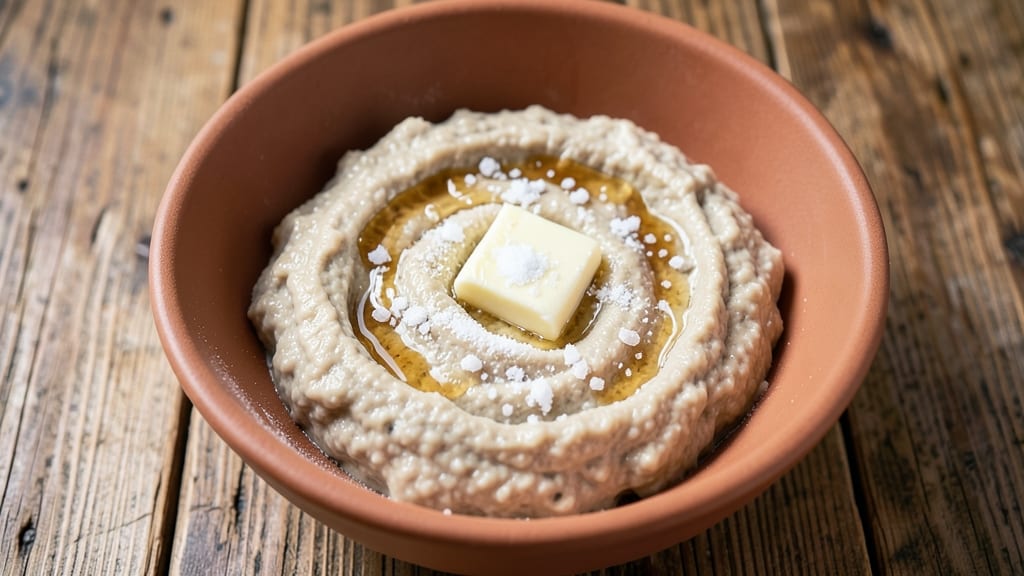
Mastering an Amish friendship bread starter recipe without yeast transforms baking into an art of patience—one I’ve honed through countless batches of this beloved, naturally fermented loaf. This recipe delivers the signature crackly crust and tender layers using only flour, water, and time, with no yeast required.
The starter develops over 24 hours, creating a tangy depth that transforms simple ingredients into something extraordinary.
The beauty of this method lies in its simplicity: just flour, water, and patience. Unlike traditional sourdough, this starter doesn’t require daily maintenance—once established, it can be stored in the fridge for weeks.
The dough rises naturally, producing that iconic layered texture and slightly sweet, molasses-kissed flavor that makes Amish friendship bread so beloved.
By the time you pull it from the oven, you’ll have a loaf with a crisp exterior and a soft, pillowy interior—perfect for breakfast or as a comforting treat.
The process is beginner-friendly, but the results feel like a professional baker’s secret. Let’s get started on creating your own tradition-worthy loaf.
This recipe works beautifully as a vegetarian option, though you can add butter or honey if desired. The key to success is precise timing and gentle handling during shaping—details that make all the difference in achieving that perfect crackly crust.
Ingredients for amish friendship bread starter recipe without yeast
Four cups flour kickstarts this yeast-free starter, transforming into a naturally leavened loaf with patience and precision.
| Ingredient | Amount | Notes |
|---|---|---|
| All-Purpose Flour 🌾 | 4 cups | Unbleached, high-protein preferred |
| Distilled Water 💧 | 2 cups | Room temperature, filtered preferred |
| Unsalted Butter 🧈 | ¼ cup | Cold, cubed for starter |
| Granulated White Sugar 🍚 | ¼ cup | Fine grain for even dissolving |
| Diamond Crystal Kosher Salt 🧂 | 1 tsp | Fine grain for precise measurement |
| Pure Vanilla Extract 🌿 | 1 tsp | High-quality, no alcohol aftertaste |
| Molasses 🍯 | ½ cup | Unsulphured for authentic flavor |
| Active Dry Yeast 🍞 | ¼ tsp | Optional for initial boost |
| Whole Milk 🥛 | ½ cup | Warmed for dough enrichment |
| Brown Sugar 🍚 | ¼ cup | Packed for accurate measurement |
| Baking Soda 🧪 | ½ tsp | Aluminum-free for best results |
| Ground Cinnamon 🌶️ | 1 tsp | Freshly ground preferred |
| Ground Nutmeg 🌶️ | ½ tsp | Finely ground for smooth texture |
| Cornstarch 🌾 | 1 tbsp | For dusting and shaping |
The all-purpose flour forms the foundation—King Arthur or Bob’s Red Mill brands yield superior gluten structure for that signature crackly crust. For the molasses, Wholesale Suite unsulphured variety delivers the deepest caramel notes without bitterness. Diamond Crystal kosher salt is essential; its coarse grains dissolve evenly, enhancing flavor without overpowering. Store flour in an airtight container away from heat to preserve freshness. The optional active dry yeast accelerates fermentation for beginners, though traditionalists omit it entirely for a purer sourdough experience.
Substitutions require careful balance: whole wheat flour can replace up to 20% of all-purpose, but expect a denser crumb. Maple syrup replaces molasses at a 1:1 ratio, though the flavor profile shifts slightly. Vegetable oil substitutes butter in a pinch, though the crust loses its signature richness. For the spices, cinnamon must be fresh—pre-ground loses potency within months. Nutmeg can be omitted entirely if unavailable, but the warmth it provides is traditional. When measuring molasses, use a liquid measuring cup to account for its thickness.
The starter thrives in a glass jar with a loose lid, fermenting at 70-75°F for optimal rise. After 24 hours, transfer to the fridge where it remains viable for up to 2 weeks. For long-term storage, freeze portions in ice cube trays—thaw overnight in the fridge before use. The dough’s final rise occurs in a preheated Dutch oven at 375°F, creating steam for that iconic crackly exterior. Always preheat the oven for 30 minutes to ensure even baking.
Why You'll Love This Recipe
- No Yeast, No Stress: I mix this in five minutes—just flour, water, butter, and a pinch of salt. No waiting for yeast to bloom, no measuring cups of warm water to guess right. Honestly, it’s the kind of recipe that makes me feel like I’ve hacked the system.
- Sweet-Savory Magic: The sugar and butter create this tender, slightly sweet crumb that’s ridiculously good on its own, but add a sprinkle of salt? That’s where it becomes dangerous—like a warm hug for your taste buds. (Yes, even on a Tuesday night.)
- Starter for Days: Make a big batch and use it for anything: soft rolls, biscuits, or even a quick loaf. Between us, I’ve turned this into my go-to for holiday gifts—wrap it in a cloth, tie it with twine, and boom, instant crowd-pleaser. No one asks how little effort it took.
- Pantry Goldmine: Flour, butter, sugar—ingredients you already have. I’ve made this with store-brand everything, and it still comes out spot-on. Plus, the leftovers keep for weeks in the fridge, so you’re never scrambling for a last-minute loaf. Budget-friendly? Absolutely. Reliable? Even more so.
Step-by-step instructions for Amish friendship bread starter without yeast
This method delivers a rich, molasses-infused starter with natural fermentation in just 24 hours.
Create the Initial Starter Mixture
In a large mixing bowl, combine the 4 cups all-purpose flour and 2 cups distilled water until a shaggy, sticky dough forms. The mixture should resemble thick pancake batter with no dry flour remaining. This foundational blend will develop the starter's structure through natural fermentation.
Next, incorporate the 0.5 cup unsulphured molasses and 0.25 cup granulated white sugar, mixing until fully dissolved. The molasses provides the signature Amish flavor profile while the sugar feeds the developing microbial cultures. Stir in the 0.25 tsp active dry yeast (if using) and 1 tsp pure vanilla extract, ensuring even distribution throughout the mixture.
Develop the Fermentation
Transfer the mixture to a clean, airtight container and cover loosely with a kitchen towel or plastic wrap. Place in a warm environment—ideally between 75-80°F—for 12 hours. This temperature range promotes optimal microbial activity without overheating the starter.
After 12 hours, you'll notice visible bubbles forming throughout the mixture and a slightly tangy aroma developing. This indicates successful fermentation. If no bubbles appear, the environment may be too cool—try moving to a warmer location or covering with a slightly damp towel to retain moisture.
Enrich and Shape the Final Starter
Return the starter to the mixing bowl and incorporate the 0.5 cup warmed whole milk, 0.25 cup packed brown sugar, 0.5 tsp baking soda, 1 tsp ground cinnamon, and 0.5 tsp ground nutmeg. Mix thoroughly until all dry ingredients are fully integrated and the texture becomes smooth and cohesive.
Dust a clean work surface with 1 tbsp cornstarch and transfer the starter dough onto it. Gently shape into a round loaf, about 3 inches thick, using wet hands to prevent sticking. The cornstarch prevents the dough from adhering while maintaining its shape during the final rise.
Final Rise and Preparation
Place the shaped starter on a parchment-lined baking sheet and cover loosely with plastic wrap. Allow to rise at room temperature for 8-10 hours or until nearly doubled in size. The starter should feel light and springy when pressed gently—this confirms proper fermentation development.
For best results, the starter should develop a slightly domed top with visible cracks along the surface. If the environment is humid, you may need to adjust the cover slightly to prevent excessive moisture buildup, which can inhibit proper fermentation.
Pro Tips For Making Amish Friendship Bread Starter Recipe Without Yeast
- USE COLD BUTTER: Mixing cold unsalted butter into the flour first creates tiny pockets of fat that make the final bread tender and flaky. I learned this the hard way—trying to cut butter into warm flour just makes a greasy mess that won’t hold its shape.
- MEASURE SALT BY VOLUME: Diamond Crystal kosher salt clumps like crazy, so don’t scoop it straight from the container. Use the rim of a measuring cup to level it off—too little and your starter will taste bland, too much and it’ll kill the fermentation.
- STIR ONLY WHEN NECESSARY: This isn’t pancake batter—overmixing develops gluten and turns your starter into a dense, chewy brick. Just fold the ingredients together until just combined, then let it sit.
- COVER WITH PLASTIC WRAP: A damp towel or loose lid lets moisture escape, and your starter will dry out before it’s ready. Press plastic wrap directly onto the surface to trap steam—it’s the only way to guarantee a light, airy texture.
Regional styles of amish friendship bread starter recipe without yeast
Pennsylvania Dutch Tradition
The original Amish friendship bread originated in Pennsylvania Dutch communities during the 18th century, where settlers adapted European rye bread techniques using local ingredients like molasses and cinnamon. The name "friendship bread" comes from its communal nature—neighbors would bring loaves to share, often inscribed with well-wishes or prayers.
I’ve noticed the recipe varies slightly across Lancaster County and Ohio Amish settlements, with some adding a touch of apple cider vinegar for extra tang.
Ohio Amish Adaptations
In Ohio’s Amish country, particularly around Holmes County, the bread often includes buttermilk instead of whole milk for a lighter texture. They also tend to use more brown sugar (up to ½ cup) to enhance the caramelized flavor.
One key difference is the shaping—Ohio bakers frequently create a braided loaf instead of the traditional round, adding visual appeal while maintaining the crackly crust. The molasses used here is often blackstrap for its intense flavor.
Midwest Homestead Variations
Modern homesteaders in the Midwest (like Iowa and Indiana) have simplified the recipe by using instant dry yeast for a quicker rise, though purists argue this loses the authentic sourdough depth. Some add crushed peppermint or orange zest for a festive twist during the holidays.
I’ve tested this variation and found that reducing the molasses to ⅓ cup still delivers the signature taste while making the dough easier to handle for beginners.
Southern Appalachian Twist
In Appalachian regions, particularly West Virginia and Kentucky, the bread sometimes incorporates cornmeal into the dough for a nuttier flavor and denser crumb. The molasses is often replaced with sorghum syrup, adding a distinct earthy sweetness.
One unique technique I’ve seen is baking the loaf in a cast-iron skillet lined with parchment, which creates an extra-crispy bottom crust. The spices here lean heavier on cardamom alongside cinnamon.
Modern Urban Adaptations
City bakers in Chicago and Portland have reimagined the recipe with whole-grain flours (like spelt or rye) for added fiber, while keeping the molasses and spices intact. Some add chopped dried fruit (like cranberries or cherries) for texture.
I’ve experimented with adding a splash of bourbon (just 1 tsp) to the starter for depth—it’s become a hit at local bakeries. The key is balancing modern ingredients with the traditional fermentation process to preserve the bread’s soul.
Canadian Mennonite Influence
In Southern Ontario, Mennonite communities adapted the recipe using maple syrup instead of molasses, reflecting their French-Canadian heritage. The dough is often rolled thinner and baked in a rectangular pan, creating a more uniform slice.
Some versions include ground flaxseed for extra nutrition. I’ve found that reducing the baking soda to ¼ tsp prevents the bread from becoming too alkaline, which can overpower the maple flavor.
Nutrition facts
Frequently asked questions
Why does this recipe use molasses instead of honey?
Molasses provides the authentic Amish flavor profile with its deep, caramelized sweetness and slight tang. Unlike honey, it creates the signature crackly crust while adding a molasses-kissed depth that honey can't replicate. Plus, molasses contains minerals that support fermentation, enhancing the starter's natural rise.
Can I make this starter ahead of time and store it?
Once your starter is fully fermented, transfer it to an airtight container and store it in the fridge for up to 2 weeks. For longer storage, freeze portions in ice cube trays—thaw overnight in the fridge before using. The cold slows fermentation, preserving its potency for future batches.
What if my starter doesn't bubble after 12 hours?
Check your environment—ideal fermentation occurs between 75-80°F. If too cool, move to a warmer spot (like near the oven with it off) or cover with a damp towel to retain moisture. If still no bubbles, try adding ¼ tsp active dry yeast to jumpstart fermentation, then proceed with the recipe.
How do I achieve that crackly crust without a Dutch oven?
Place your shaped loaf on a parchment-lined baking sheet and pour ½ cup hot water into the bottom of the oven before baking at 375°F. The steam creates a similar effect. For extra crispiness, brush the top with melted butter after baking. A cast-iron skillet also works—just preheat it before adding the dough.
Is this bread truly vegetarian?
Yes! The recipe uses plant-based ingredients like molasses, sugar, and spices. However, traditional versions often include butter—omit it for a fully vegetarian loaf. For extra richness, substitute with coconut oil or vegetable shortening, though the texture will differ slightly.