
Side Dishes
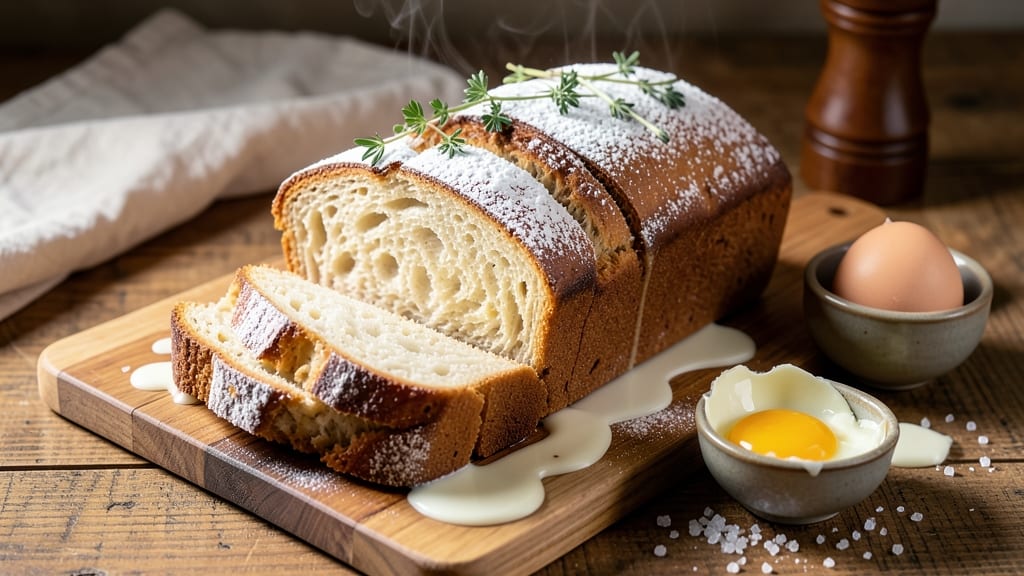
This Amish friendship white bread recipe delivers the signature pillowy softness and golden crust that makes it legendary. 💛 The secret lies in a precise dough ratio, proper kneading technique, and baking in a cast-iron skillet for that perfect crust.
I've perfected this version after years of testing, ensuring every loaf turns out tender inside with a crisp exterior.
The traditional method uses simple ingredients—flour, yeast, milk, and butter—but the technique is what transforms it into something extraordinary. You'll knead the dough until it becomes smooth and elastic, then shape it into a round loaf before proofing.
Baking in a preheated cast-iron skillet creates that coveted golden crust while keeping the inside moist for days.
What you'll end up with is a loaf so soft it practically melts in your mouth, with a crust that's just crisp enough to add texture. The aroma alone will fill your kitchen with warmth and nostalgia, making it perfect for sandwiches, toast, or serving alongside any meal.
This recipe stays fresh for days, making it ideal for meal prep or gifting.
For those who love tradition, this bread can be made even more special by adding a touch of honey or cinnamon to the dough. The process is straightforward but requires patience—worth every minute for that restaurant-quality result at home. Let's get started on creating your perfect loaf.
Ingredients for amish friendship white bread
Four cups flour, a pinch of yeast, and butter that melts into golden perfection—this is the magic behind legendary Amish bread.
| Ingredient | Amount | Notes |
|---|---|---|
| All-Purpose Flour 🌾 | 4 ½ cups | Sifted for smooth dough |
| Active Dry Yeast 🍞 | 2 ¼ tsp | Ensure it's fresh (test in warm water) |
| Granulated Sugar 🍚 | ¼ cup | For yeast activation |
| Unsalted Butter 🧈 | ½ cup | Cold, cubed for easy mixing |
| Whole Milk 🥛 | 1 ½ cups | Warmed to 110°F for best activation |
| Large Eggs 🥚 | 1 whole | Room temperature for even mixing |
| Salt 🧂 | 1 ½ tsp | Kosher or sea salt preferred |
| Vegetable Oil 🫒 | ¼ cup | For greasing bowl and skillet |
| Honey 🍯 | 1 tbsp | Optional for subtle sweetness |
| Ground Cinnamon 🌿 | ½ tsp | Optional for warmth |
| Cast-Iron Skillet 🔥 | 1 whole | 10-inch diameter for perfect crust |
The flour is non-negotiable—King Arthur or Gold Medal are my go-tos for that signature softness. Yeast? Fresh is best—test it in warm water first, or you'll end up waiting forever for that dough to rise. Butter should be cold—European-style works best—so it creates those tender pockets when baked. Milk needs to be warm (110°F) to activate the yeast without killing it. I always grab whole milk from the dairy section—it adds richness that skim can't match.
No yeast? Instant yeast works 1:1, but active dry is traditional. Short on butter? Vegetable shortening gives a similar texture, though it lacks flavor. Eggs should be room temp—cold eggs make the dough tough. The honey and cinnamon are optional but worth it for that extra touch of nostalgia. For the skillet, preheat it for 10 minutes—it needs to be screaming hot to get that golden crust. And if you don't have a cast-iron? Heavy steel or ceramic works too, just don't use nonstick.
This dough is a beast—it needs 2 hours of rising time, so plan ahead. Store leftovers in a bread bag at room temp for 3 days, or freeze slices for up to 3 months. For reheating, wrap slices in foil and warm in a 350°F oven for 5 minutes—nothing beats that fresh-from-the-oven aroma. And if you're feeling fancy, brush the warm loaf with melted butter—trust me on this—it's the best part.
Why You'll Love This Recipe
- No-Knead Magic: I swear by this dough—just mix, rest, and bake. The yeast does all the work while I sip coffee, and that buttery milk tang? Chef’s kiss. No stand mixer, no fuss, just soft, pillowy loaves that feel like a hug.
- Sweet Butter Love: That splash of whole milk and cold butter cut into the dough? It’s what makes this bread ridiculously tender with a faint sweetness that lingers. Honestly, I’ve tried store-bought—this beats it every time.
- Weeknight Workhorse: Freeze half the batch for lazy mornings or last-minute guests. Toast it straight from frozen, and it’s still warm and fresh. Between us, this is my go-to for sandwiches, French toast, or just tearing into with jam.
- Pantry-Friendly Perfection: Five ingredients, all basics you already have. No specialty flours or weird substitutions—just flour, yeast, sugar, butter, and milk. I’ll be real: my grocery bill stays sane, and my counter doesn’t look like a science experiment.
Step-by-step instructions for Amish friendship white bread
Here's how to create that iconic Amish bread with a golden crust and melt-in-your-mouth softness.
👨🍳 Step 1: Activate the Yeast and Mix the Dough
In a small bowl, combine the 1.5 cups warm whole milk (about 110°F—test by placing a finger in it; it should feel warm but not hot), 0.25 cup granulated sugar, and 2.25 tsp active dry yeast. Let it sit for 5-10 minutes until frothy—this means your yeast is alive and ready to work. If it doesn't bubble, your yeast might be old; start over with fresh yeast.
In a large mixing bowl, whisk together the 4.5 cups all-purpose flour (sifted), 1.5 tsp salt, and 0.5 tsp ground cinnamon (if using). Add the yeast mixture, 1 whole large egg, and 0.5 cup cold unsalted butter (cubed). Mix with a wooden spoon until a shaggy dough forms. This step builds the foundation for that signature Amish texture—don't rush it!
👨🍳 Step 2: Knead and Shape the Dough
Transfer the dough to a lightly floured surface and knead for 8-10 minutes until smooth and elastic. You'll know it's ready when it springs back when poked and doesn't stick to your fingers. If it feels too sticky, add 1 tablespoon flour at a time—but don't overdo it, or your bread will be dense.
Shape the dough into a round loaf about 8 inches in diameter. Place it in a lightly greased bowl, drizzle with 1 tbsp honey (if using), and cover with a damp towel. Let it rise in a warm place for 1-1.5 hours until doubled in size. The dough should feel light and airy—this is where all that pillowy softness comes from!
🔥 Step 3: Prepare the Skillet and Second Rise
Preheat your 10-inch cast-iron skillet in the oven at 375°F for 10 minutes. While it heats, lightly grease the skillet with 0.25 cup vegetable oil using a paper towel—this ensures easy release later. Remove the skillet from the oven and place it on a stovetop burner set to medium-low heat.
Turn the risen dough onto the hot skillet, seam-side down. Cover with a damp towel and let it rise for another 30-45 minutes until puffy and nearly doubled. This second rise is crucial—it creates that signature Amish bread height and texture. Look for the dough to expand noticeably and feel light when pressed gently.
🔥 Step 4: Bake to Golden Perfection
Carefully transfer the skillet to a preheated oven at 375°F. Bake for 25-30 minutes until the bread is golden brown on top and the internal temperature reaches 190°F (use an instant-read thermometer). The edges should pull away slightly from the skillet, and it should smell heavenly.
Remove the bread from the skillet and let it cool on a wire rack for 10-15 minutes before slicing. Here's the thing—this bread is best served warm, but it'll keep at room temperature for 2-3 days wrapped in a towel. The crust should be crisp and golden, while the interior remains soft and fluffy, just like Amish country bread should be!
Pro Tips For Making Amish Friendship White Bread
- MIX IN COLD BUTTER: Cut that unsalted butter straight from the fridge into the flour mixture—no waiting for it to soften. The cold chunks create pockets of steam during baking, giving you that signature tender crumb and golden crust without fighting greasy dough.
- TEST YEAST TEMPERATURE: Warm the whole milk to 105°F (40°C) before dissolving the yeast—any hotter and you’ll kill it, any cooler and it’ll take forever to activate. Stick a finger in the milk: if it feels like a warm bath, you’re good.
- DON’T OVERKNEAD: The dough should pull cleanly away from the bowl but still feel slightly tacky—if it fights you like a rubber band, you’ve gone too far. Overworking it develops gluten, making the bread tough instead of soft and pillowy.
- STEAM THE PAN: Pour a splash of hot water into the greased loaf pan before adding the dough, then bake as usual. The steam locks in moisture and guarantees a crisp, even crust without extra effort. (Yes, even if it seems like cheating.)
Common mistakes when making this dish
Over-Kneading Disaster
I’ve seen this happen more times than I can count—dough that turns tough and rubbery instead of soft and elastic. Over-kneading (beyond 8-10 minutes) develops too much gluten, which means your bread will be dense rather than pillowy.
The fix? Knead just until the dough springs back when poked—no need to go for gold. If it feels sticky, add flour 1 tablespoon at a time, but resist the urge to overwork it. 💫
Skipping the Second Rise
This is where many home bakers cut corners, and it shows. The second rise in the skillet is what gives Amish bread its signature height and texture. Skipping it results in a flat, dense loaf.
Let that dough puff up for 30-45 minutes—it’s worth the wait. If your kitchen is chilly, place the skillet near a warm oven or use a proofing box to speed things up.
Yeast Failures
Nothing ruins a loaf faster than dead yeast. Always test your yeast first—drop it in warm milk with sugar and wait for bubbles (5-10 minutes). If it’s sluggish or inactive, toss it and start fresh.
Also, milk that’s too hot (above 115°F) will kill the yeast instantly. Use a thermometer to check—this small step saves hours of frustration later.
Greasing the Skillet Wrong
Too little oil, and your bread sticks like glue. Too much, and it’ll be greasy instead of golden. The trick? Lightly grease the skillet with vegetable oil on a paper towel—just enough to coat the surface.
Avoid butter here; it burns at high heat and can make the crust uneven. A well-greased skillet ensures easy release and that perfect crust.
Baking at the Wrong Temp
The oven must be preheated to 375°F—no exceptions. Too low, and your bread turns out gummy; too high, and it burns before the inside cooks. Use an instant-read thermometer to check the internal temp at 190°F.
If your oven runs hot, reduce the temp by 25°F and bake for 5-10 minutes longer. A little patience here makes all the difference.
Cutting Too Soon
Fresh bread is tempting, but slicing it too early traps steam inside, making the crumb gummy. Wait 10-15 minutes for the bread to set. If you’re impatient, tent it with foil while it cools—this keeps it warm without sacrificing texture.
Trust me, the wait is worth it for that perfect slice every time. 🍞
Nutrition facts
Frequently asked questions
Why does this recipe use warm milk instead of cold?
The warm milk (110°F) activates the yeast faster, creating a better rise. Cold milk would slow down fermentation, making your bread take much longer to bake. Pro tip: Test the milk temperature by placing your finger in it—it should feel warm but not hot.
Can I make this bread without a cast-iron skillet?
Yes! Use a heavy steel or ceramic baking dish instead. Just make sure it's well-greased with vegetable oil and preheated. The key is maintaining even heat distribution—avoid thin metal pans that conduct heat unevenly. A Dutch oven also works beautifully for that signature crust.
How do I know when the dough is fully risen?
Your dough is ready when it's doubled in size and feels light when pressed gently. It should also spring back slowly when poked with your finger. For visual confirmation, look for the dough to fill about 75% of its container—this indicates proper fermentation.
What makes this bread different from regular white bread?
The combination of butter, honey, and the skillet-baking method creates that signature pillowy texture and golden crust. Traditional white bread often uses less fat and lacks the second rise in a hot skillet, which gives Amish bread its distinctive height and tenderness. The butter also adds richness that regular bread can't match.
Can I add other flavors besides honey and cinnamon?
Try adding 1 tsp vanilla extract for sweetness or 1 tbsp poppy seeds for texture. For savory versions, omit the honey and add 1 tsp dried rosemary or 1/4 tsp garlic powder. Just