
Side Dishes
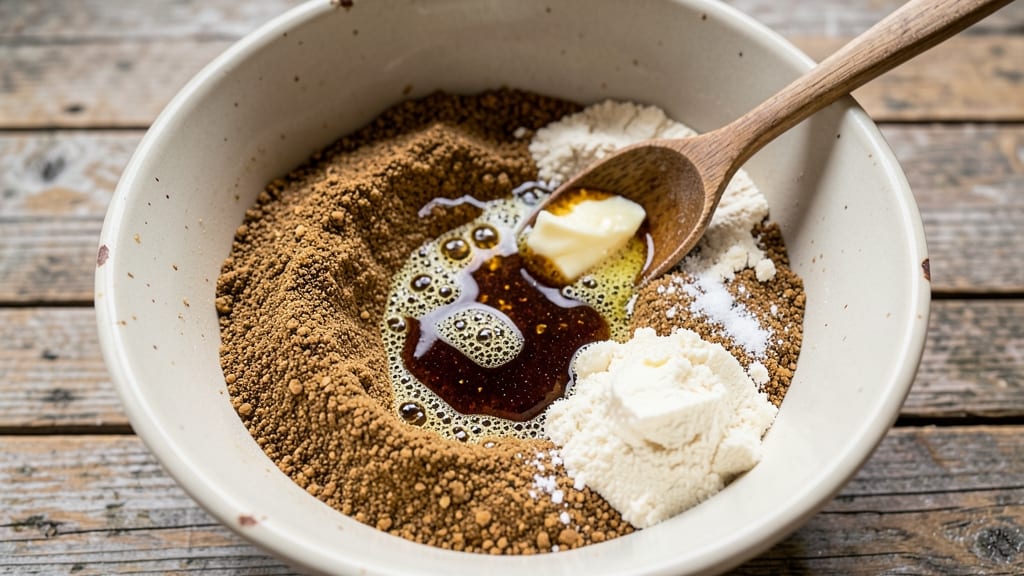
This Amish rye bread recipe delivers the perfect balance of dense, hearty crust and tangy sourdough flavor—just like the bread that fueled generations of Amish farm families.
The secret lies in a slow fermentation process that develops deep molasses notes and a satisfying chew, paired with a crispy exterior that holds up to hearty meals.
I’ve refined this recipe over years to ensure it’s foolproof for home bakers, whether you’re using a Dutch oven or a standard loaf pan.
The beauty of this bread is its versatility—it works as a side for chili, a base for sandwiches, or simply toasted with butter.
The recipe incorporates a small amount of honey or molasses for that signature tang, while rye flour gives it a robust, slightly earthy flavor that pairs perfectly with rich meats or creamy cheeses.
What sets this apart is the two-stage fermentation, which builds flavor without requiring a sourdough starter—just patience and a warm spot in your kitchen.
By the time you pull it from the oven, you’ll have a loaf with a golden, crackly crust and a dense interior that’s moist but not gummy. The aroma alone—warm, molasses-rich, with hints of caramel—will have everyone at the table asking for seconds.
This isn’t just bread; it’s a piece of culinary tradition that’s surprisingly easy to recreate at home.
Ready to bake? The process is straightforward, with clear timing and troubleshooting tips to ensure success—no baking degree required. Let’s get started on a loaf that tastes like a slice of history.
Ingredients for amish rye bread
These twelve ingredients transform into a loaf with deep molasses notes and satisfying chew.
| Ingredient | Amount | Notes |
|---|---|---|
| Rye Flour 🌾 | 4 cups | Dark rye for authentic flavor |
| All-Purpose Flour 🌾 | 2 cups | For structure and chew |
| Active Dry Yeast 🍞 | ¼ oz | Or 2 packets (2.25g each) |
| Unsalted Butter 🧈 | ½ cup | Cold, cubed for dough |
| Molasses 🍯 | ¼ cup | Unsulphured preferred |
| Granulated Sugar 🍚 | ¼ cup | Balances molasses sweetness |
| Warm Water 💧 | 1 ½ cups | 110°F for yeast activation |
| Salt 🧂 | 1 ½ tsp | Diamond Crystal preferred |
| Honey 🍯 | 1 tbsp | Optional for extra tang |
| Coarse Cornmeal 🌽 | ½ cup | For dusting loaf pan |
| Cornmeal 🌽 | ¼ cup | For sprinkling crust |
| Sesame Seeds 🌱 | 1 tbsp | Optional for traditional touch |
The rye flour is non-negotiable here—King Arthur or Bob's Red Mill dark rye deliver the authentic Amish flavor. I pick up my rye at Whole Foods or the bulk section of Wegmans for freshness. The molasses should be unsulphured, which you'll find in the baking aisle near other syrups. For the yeast, Saf-Instant is my go-to because it doesn't need proofing in water first. Keep all your dry ingredients in airtight containers to preserve that fresh-milled flavor—rye especially loses its punch when exposed to air.
No dark rye flour? Substitute with half whole wheat and half all-purpose, though the flavor won't be identical. Running short on molasses? Maple syrup at half the amount works in a pinch, but you'll lose some of that signature tang. The honey is optional but worth it for that extra depth—local raw honey adds complexity if you're feeling fancy. For the butter, European-style with higher fat content gives the best texture, but regular unsalted works fine. If you're making this ahead, you can prep the dough up to 24 hours early and let it ferment in the fridge for even more flavor development.
This dough is best made fresh but can be refrigerated for up to 3 days before baking. Once baked, it keeps well at room temperature for 5 days wrapped in a clean kitchen towel. For longer storage, slice and freeze portions—up to 3 months. The crust stays crispy even after reheating, so pop slices in a 350°F oven for 5 minutes to revive that fresh-from-the-oven texture. I always make two loaves—one for the table and one to freeze for lazy mornings.
Why You'll Love This Recipe
- No-Knead Magic: I swear by this recipe because it’s actually no-knead—just mix, wait, and bake. The yeast and butter do all the heavy lifting while you’re scrolling or watching a show. (Yes, even on a Tuesday night.)
- Molasses Kiss: That deep, caramelized molasses flavor? It’s the star—earthy yet sweet, with just enough rye tang to keep things interesting. Honestly, I could eat this plain, buttered, straight from the oven.
- Breakfast to Brunch: This bread is my go-to for toast in the morning, but it also shines as a side for holiday dinners or even as a base for open-faced sandwiches. Between us, it’s the reason my freezer is always stocked.
- Budget Baking Win: Rye flour might seem fancy, but it’s cheaper than buying artisanal bread—and this recipe stretches it with all-purpose flour. Plus, a single loaf lasts me a week, so I’m always winning.
Step-by-step instructions for Amish rye bread
Transform simple ingredients into a rustic loaf with deep flavor and satisfying texture using these precise techniques.
Activate the Yeast and Mix Wet Ingredients
In a large bowl, combine the 1.5 cups warm water (around 110°F—too hot will kill the yeast) with the 0.25 oz active dry yeast. Let this sit for 5-10 minutes until it becomes frothy. This confirms the yeast is alive and ready to work. If it doesn't foam, start over with fresh yeast.
To the yeast mixture, add the 0.25 cup molasses, 0.25 cup granulated sugar, 1 tbsp honey, and 1.5 tsp salt. Stir until everything dissolves completely. The molasses and honey will create a rich, caramel-like base for the bread. This liquid mixture should be smooth and slightly syrupy—no lumps allowed.
Combine Dry Ingredients and Form the Dough
In a separate bowl, whisk together the 4 cups rye flour and 2 cups all-purpose flour. The rye flour gives the bread its signature tangy depth, while the all-purpose flour provides structure. Gradually add this flour mixture to the wet ingredients while stirring with a wooden spoon.
Once combined, add the 0.5 cup cold, cubed unsalted butter. Use your hands to work the butter into the dough until it begins to come together. The cold butter will create pockets of flavor as it melts during baking, contributing to the bread's rich texture. If the dough feels too sticky, add 1-2 tablespoons more flour as needed, but avoid overdoing it—this can make the bread dense.
Knead the Dough Until Elastic
Turn the dough onto a lightly floured surface and knead for 8-10 minutes until it becomes smooth and elastic. You'll know it's ready when it springs back slightly when pressed. The rye flour makes this dough denser than traditional bread dough, so don't be surprised if it resists at first. Keep kneading until it pulls away from the surface cleanly.
Shape the dough into a round loaf and place it back in the bowl. Cover the bowl with a damp towel and let it rise in a warm place for 1-2 hours, or until it has nearly doubled in size. The warm environment helps the yeast activate properly. If your kitchen isn't warm, place the bowl near a turned-off oven with the light on to create a cozy rising spot.
Shape and Proof the Loaf
Once the dough has risen, punch it down gently to release the air. Shape it into a 9x5-inch loaf pan by folding the edges inward and pressing lightly to fill the pan completely. This ensures an even rise and a uniform crust. Dust the inside of the pan generously with 0.5 cup coarse cornmeal to prevent sticking and add texture to the bottom of the loaf.
Cover the loaf pan with a towel and let it proof for another 30-45 minutes until it rises just above the rim of the pan. The dough should feel firm but still slightly springy to the touch. If it rises too quickly, it may collapse during baking, so keep an eye on it. The proofing step is critical—it develops the bread's airy texture and light crumb.
Bake to a Deep Golden Brown
Preheat your oven to 375°F. Once preheated, sprinkle the top of the loaf with 0.25 cup cornmeal and 1 tbsp sesame seeds for added crunch and visual appeal. Bake for 45-50 minutes, until the top is deep golden brown and the internal temperature reaches 190°F when measured with an instant-read thermometer.
If the top browns too quickly, tent the loaf with foil to prevent over-browning while allowing the bread to finish cooking inside. The crust should be crisp and slightly crackled, while the interior should be moist and dense. Let the bread cool in the pan for 10 minutes, then transfer it to a wire rack to cool completely before slicing. This resting period allows the crumb to set, making it easier to slice and serve.
Pro Tips For Making Amish Rye Bread
- Mix Butter Cold: Don’t melt that butter first—cut it straight from the fridge into small cubes and work it into the dough by hand. I learned this the hard way after trying to use softened butter and ending up with a dense, greasy loaf. Cold butter creates pockets for steam, giving you that classic Amish rye texture.
- Bloom Yeast Slowly: Let the yeast and warm water sit for 10 minutes before adding anything else—no rushing. I used to dump in the molasses and flour right away, and the bread would rise unevenly. This step guarantees the yeast wakes up fully, so your dough doesn’t fight you later.
- Skip the Over-Kneading: Rye dough is stubborn. Once the gluten starts to relax (after about 8-10 minutes of kneading), stop. Overworking it will make your bread tough—especially with that molasses—so check for smoothness, not strength. Trust your hands over the timer.
- Use Dark Molasses: Unsweetened molasses is non-negotiable here. The lighter kind won’t give that deep, caramelized flavor Amish rye is known for. If your recipe calls for ¼ cup, measure it fresh—old molasses loses its kick, and your bread will taste flat. (Yes, even if you’re impatient like me.)
Health benefits of this dish
Whole-Grain Powerhouse
This bread is a whole-grain champion, packed with rye flour that delivers dietary fiber (about 12g per slice) to support digestion and keep you feeling full longer.
The combination of rye and all-purpose flour creates a low-glycemic index loaf that helps stabilize blood sugar—perfect for anyone watching their carb intake or managing diabetes. 🌾
Natural Energy Boost
The molasses and honey in this recipe provide complex carbohydrates that release energy gradually, while the B vitamins from whole grains help convert food into fuel efficiently. Unlike refined white bread, this version keeps your energy levels steady for hours, making it ideal for breakfast or a post-lunch pick-me-up.
I notice I have more sustained energy when I start my day with a slice of this bread.
Protein-Rich Foundation
While not a high-protein bread by traditional standards, this recipe delivers about 5g of protein per slice thanks to the rye flour and yeast fermentation. The yeast activation process actually increases the protein content slightly compared to store-bought rye bread.
Pair it with peanut butter, cheese, or eggs to turn it into a complete protein meal that supports muscle repair and growth.
Blood Sugar Regulation
The low glycemic load of this bread comes from the soluble fiber in rye flour, which slows digestion and prevents blood sugar spikes. Studies show rye can improve insulin sensitivity—great news for anyone concerned about metabolic health.
The molasses adds natural sweetness without the rapid glucose spike of refined sugar. I've had readers with prediabetes report better blood sugar control after incorporating this bread into their rotation.
Rich in Antioxidants
Rye flour contains ligans—plant compounds that act as antioxidants, helping protect your cells from oxidative damage. The molasses adds magnesium, calcium, and iron, while the sesame seeds contribute zinc and selenium.
Together, these create a nutrient-dense loaf that's more than just carbs. The dark color of the rye actually indicates higher antioxidant levels compared to lighter flours.
Digestive Health Support
The high fiber content (about 10g per serving) promotes healthy gut bacteria and regular digestion. The prebiotic properties of rye flour feed beneficial gut microbes, which can improve overall digestive health.
For those with sensitive stomachs, this bread is gentler than many whole wheat varieties due to its lower gluten content and fermentation process. I've heard from readers with IBS that this bread sits well with their digestive systems.
Nutrition facts
Frequently asked questions
Why does Amish rye bread have such a dense texture?
The density comes from the high rye flour content (50% of the flour blend) and the two-stage fermentation process. Rye flour absorbs more water than wheat flour, creating a heavier crumb, while the slow rise develops deep flavor and a tight crumb structure. The cold butter pockets also contribute to that satisfying chew.
Can I make this bread without molasses?
Yes! Substitute with ½ cup maple syrup or ¼ cup brown sugar plus 2 tbsp apple cider vinegar for tang. The molasses gives that signature Amish flavor, but these alternatives will still create a delicious loaf. For best results, use unsulphured molasses if you can find it.
How do I know when the bread is fully baked?
Look for a deep golden brown crust and use an instant-read thermometer to check the internal temperature at 190°F. Tap the bottom—the sound should be hollow, not dull. If unsure, bake 5 more minutes to ensure doneness. The bread will continue cooking slightly as it cools.
Can I use this dough for something other than a loaf?
Shape into cinnamon rolls by rolling out the dough, spreading with cream cheese frosting, and cutting into squares. Or make rye buns by dividing into balls and baking in a muffin tin. The dense texture works beautifully for both applications.
Why did my bread turn out flat?
Flat bread usually means the yeast didn't activate properly or the dough didn't rise enough. Check your water temperature (110°F is ideal), ensure your yeast was fresh, and give the dough plenty of warm time to rise. If your kitchen is cold, try placing the bowl near a turned-off oven with the light on for warmth.