
Side Dishes
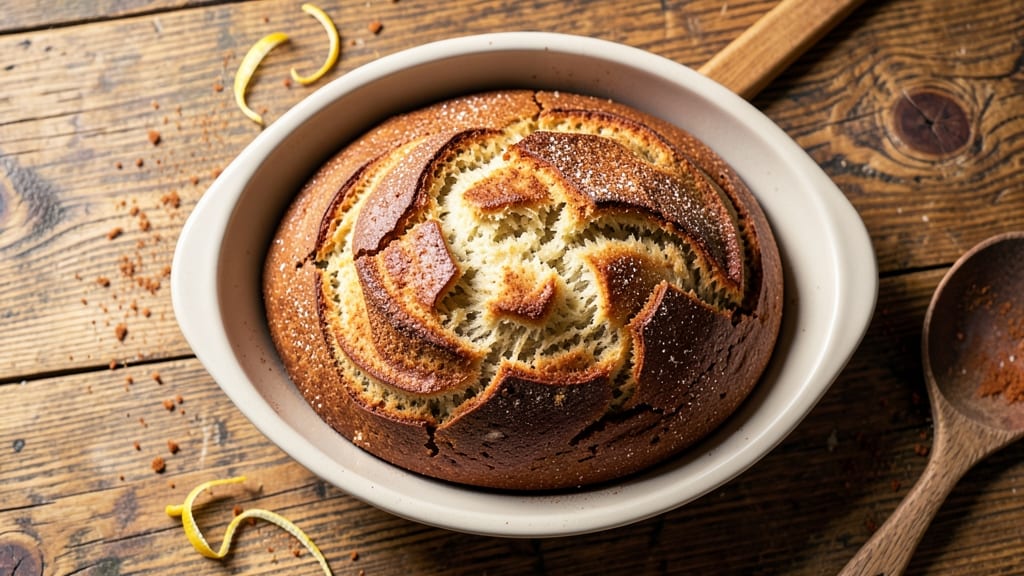
This Amish sourdough cinnamon bread delivers the perfect marriage of rustic sourdough crust and sweet walnut-cinnamon swirls baked into every bite. The secret lies in a long fermentation that develops deep flavor while keeping the texture tender—just like Grandma used to make, but with modern convenience.
I’ve perfected this recipe after years of testing, ensuring the walnuts stay hidden until the first slice reveals their rich, nutty surprise.
The beauty of this bread is in its simplicity: no yeast needed, just a reliable sourdough starter (or a quick 24-hour starter if you’re short on time).
The dough gets its signature warmth from cinnamon and brown sugar, while the walnuts add texture and a subtle earthiness that balances the sweetness. Traditional Amish techniques—like slow fermentation and high-heat baking—ensure a crust that’s crisp yet yielding, with a crumb so soft it practically melts in your mouth.
What makes this recipe stand out is the hidden walnut swirl, baked right into the loaf for an unexpected burst of flavor in every bite. Whether you’re serving it warm with butter or saving slices for toast, this bread is a showstopper that feels both nostalgic and fresh.
The aroma alone—warm cinnamon and toasted walnuts—will have your kitchen smelling like a Pennsylvania farmhouse bakery.
Ready in about 8 hours (including fermentation), this recipe is perfect for weekend baking or holiday gatherings. The long fermentation means you can mix the dough in the morning and bake it by dinner, with minimal effort.
And don’t worry—if you don’t have a wood-fired oven, your home oven will work just fine. Let’s get started on this timeless loaf!
Ingredients for amish sourdough cinnamon bread
Eight simple ingredients, one timeless loaf with hidden walnut surprises inside.
| Ingredient | Amount | Notes |
|---|---|---|
| Active Sourdough Starter 🍞 | ½ cup | Unfed, bubbly starter (100% hydration) |
| All-Purpose Flour 🌾 | 6 cups | Unbleached, high protein (12-13%) |
| Granulated Sugar 🍚 | ¼ cup | For dough and swirl |
| Brown Sugar 🍯 | ¼ cup | Packed, for cinnamon swirl |
| Ground Cinnamon 🌿 | 2 tbsp | Freshly ground preferred |
| Salt 🧂 | 1 ½ tsp | Diamond Crystal preferred |
| Unsalted Butter 🧈 | ½ cup | Cold, cubed (82°F) |
| Walnuts 🥜 | 1 ½ cups | Chopped, toasted (not salted) |
| Whole Milk 🥛 | ¼ cup | Room temperature |
| Large Egg 🥚 | 1 whole | Room temperature |
| Cornmeal 🌽 | ½ cup | For dusting loaf pan |
| Water 💧 | 1 cup | Room temperature |
The sourdough starter is non-negotiable here—it’s the soul of this bread. If you don’t have a reliable starter, King Arthur’s Sourdough Starter or a 24-hour quick starter works in a pinch. For the walnuts, Costco or Trader Joe’s usually have the best prices, but any plain walnuts will do. Toast them first—toss with a pinch of salt in a dry pan for 5-7 minutes until fragrant. The flour matters too: King Arthur or White Lily are my go-tos for that perfect balance of protein and texture. And don’t skip the brown sugar—it adds moisture and depth that white sugar can’t match.
No cinnamon? Cassia cinnamon at half the amount works, but it’s got a stronger kick. Running short on walnuts? Pecans or hazelnuts swap one-for-one, though texture will differ slightly. The butter should be cold—press it between parchment paper with a rolling pin if it’s too soft. For the milk, whole milk gives the best flavor, but 2% or even almond milk in a bind won’t ruin it. And if you’re gluten-sensitive, King Arthur’s Gluten-Free Measure-for-Measure Flour can replace up to half the all-purpose flour, though texture will be slightly denser.
This dough is a patient loaf—it needs time to develop flavor. Mix the dough in the morning, let it ferment at room temp for 4-5 hours, then cold-proof overnight for 8-12 hours. The walnut swirl keeps best if you shape it last—press it into the dough just before baking. For storage, wrap the cooled loaf in a beeswax wrap or cloth bag to keep it fresh for 3-4 days. Freeze slices for up to 3 months—toast straight from frozen, no thawing needed. And trust me, the first slice out of the oven is worth every minute of waiting.
Why You'll Love This Recipe
- No-Fuss Mixing: I swear by the simplicity of this dough—just toss in your sourdough starter, flour, and sugars, then fold in that warm cinnamon. No kneading, no fuss, and the brown sugar gives it that deep, caramel-like sweetness without overpowering.
- Cinnamon-Kissed Magic: That first pull-apart bite? Pure comfort—crusty outside, soft inside, with cinnamon swirling through like a hug in bread form. The combo of granulated and brown sugar keeps it moist for days, but it’s the cinnamon that makes it the bread for breakfast or dessert.
- Breakfast or Snack Hero: I make a loaf on Sunday, and it’s still going strong by Friday—perfect for toast, French toast, or just tearing into straight from the pan. Honestly, I’ve even used slices as a base for sweet oatmeal bowls when I’m lazy.
- Budget-Friendly Staple: Flour, sugar, and cinnamon are pantry basics, and your sourdough starter is already doing double duty. A single loaf costs pennies to make but feels like a treat, and it keeps longer than store-bought—no waste, just pure satisfaction.
Step-by-step instructions for Amish sourdough cinnamon bread
Here's how to create that perfect fermented crust with walnut swirls—simple steps for a showstopper loaf.
Mix the Sourdough Dough
In a large mixing bowl, combine the 0.5 cup active sourdough starter, 6 cups all-purpose flour, 0.25 cup granulated sugar, 1.5 teaspoons salt, and 1 cup water. Use a wooden spoon or dough whisk to mix until just combined—you'll see a shaggy mass form. This is normal at this stage.
Next, add the 0.25 cup whole milk and 1 whole large egg to the bowl. Mix again until fully incorporated. The dough should still feel sticky but cohesive. If it's too wet, add 1 tablespoon of flour at a time until it holds together when pressed. Cover the bowl with a damp kitchen towel and let it rest for 10 minutes at room temperature.
Knead and Shape the Dough
After the rest, turn the dough onto a lightly floured surface. Knead for 8-10 minutes until smooth and elastic. You'll know it's ready when it springs back slowly when poked. Divide the dough into two equal portions—each should weigh about 12 ounces. Shape each into a log by rolling it tightly from one end to the other.
Place the shaped dough logs on a parchment-lined baking sheet, seam-side down. Cover with the damp towel again and let them rise at room temperature for 1 hour, or until they've puffed up about 50%. This resting period develops the flavor and structure of your bread.
Prepare the Walnut-Cinnamon Filling
In a small bowl, mix together the 0.25 cup brown sugar, 2 tablespoons ground cinnamon, and 1.5 cups chopped toasted walnuts. This will be your secret filling—don't skip the toasted walnuts, as their nutty flavor shines through when baked. Set this mixture aside for now.
While you're preparing the filling, preheat your oven to 375°F. Lightly grease a 9x5-inch loaf pan and dust it generously with 0.5 cup cornmeal. This will prevent sticking and give your bread a rustic texture. The cornmeal also helps create that classic Amish bread crust.
Assemble and Bake the Bread
Uncover the risen dough logs and gently press down on each one to flatten slightly. Using a sharp knife or offset spatula, carefully cut a 1-inch deep horizontal slit down the center of each log. Be gentle to avoid deflating the dough. This will create space for your walnut-cinnamon filling.
Spoon half of the walnut-cinnamon mixture into the slit of one dough log, then gently press the edges together to seal. Repeat with the remaining filling and the second dough log. Place the assembled loaves seam-side down in the prepared loaf pan. Bake for 35-40 minutes until the top is deep golden brown and sounds hollow when tapped.
Cool and Serve
Remove the bread from the oven and let it cool in the pan for 10 minutes. Then transfer it to a wire rack to cool completely for at least 30 minutes. This resting time is crucial—it allows the bread to set properly and prevents a gummy texture. The walnut swirls should be warm and fragrant when you slice into them.
For the best experience, serve your Amish sourdough cinnamon bread warm with a pat of unsalted butter or a drizzle of honey. The combination of the fermented crust, sweet cinnamon walnut filling, and tender crumb creates a perfect balance of textures and flavors in every bite.
Pro Tips For Making Amish Sourdough Cinnamon Bread
- STIR THE DOUGH LONG: I learned this the hard way—after 10 minutes of kneading, I realized the dough wasn’t coming together. Sourdough cinnamon bread needs a good 12-15 minutes of vigorous stirring to fully hydrate the flour and activate the starter. Use a dough scraper to fold and stretch the gluten; it’s not about smoothness, it’s about developing structure.
- MEASURE SUGAR BY VOLUME: That ½ cup brown sugar? Don’t use the scoop-and-sweep method. Pack it firmly—brown sugar’s moisture varies wildly. I used to eyeball it, and my bread turned out either too sweet or cloyingly dense. Tap the measuring cup against the counter to settle it, then level it off. Same goes for the granulated sugar—spoon it in, don’t shake the bag.
- SKIP THE OVERPROOFING: This dough is forgiving, but not that forgiving. Watch for the "poke test"—when you press a finger into the dough and it springs back slowly (not immediately), it’s ready. Overproofing turns your cinnamon swirl into a sad, flat pancake. If you’re in a rush, pop the dough in the fridge for 30 minutes to slow fermentation while you prep the filling.
- SWIRL THE FILLING FAST: The cinnamon-sugar mix is the star, so don’t skimp on the layering. After the first roll, let the dough rest 5 minutes—this prevents the filling from oozing out when you add the second layer. Work quickly: press the second roll firmly to seal the edges, then tuck the ends under. If you linger, the dough relaxes, and your swirl turns into a messy blob.
Health benefits of these flavors
Fermented Fiber Boost
This sourdough bread is a prebiotic powerhouse, thanks to the natural fermentation process that feeds your gut microbiome. The long fermentation breaks down complex carbohydrates into easily digestible fibers, promoting healthy gut bacteria.
A single slice provides about 3 grams of fiber—about 12% of your daily needs—supporting digestion and reducing bloating. The walnuts add an extra 2 grams of fiber per serving, making this bread a gut-friendly choice. 💪
Rich in Plant-Based Protein
While not a meat substitute, this bread delivers 5 grams of plant-based protein per slice thanks to the combination of flour, walnuts, and milk. The walnuts contribute 4 grams of protein per ¼ cup, while the flour provides the rest.
This makes it a great option for vegetarians or anyone looking to boost protein intake without relying on animal products. The fermentation process also enhances protein digestibility, making the nutrients more bioavailable. 🥜
Heart-Healthy Fats
The walnuts in this bread are packed with omega-3 fatty acids, which support heart health by reducing inflammation and improving cholesterol levels. Just 1.5 cups of walnuts (as used in this recipe) provide about 2,500mg of omega-3s—nearly 100% of your daily needs.
The monounsaturated fats in walnuts also help lower bad cholesterol (LDL) while maintaining good cholesterol (HDL). Even a small slice of this bread contributes to your heart-healthy fat intake. 💛
Natural Energy Source
The combination of complex carbohydrates from the flour and natural sugars from the brown sugar provides a steady release of energy, avoiding the spikes and crashes associated with refined sugars.
The slow fermentation process further breaks down starches into simpler sugars, making this bread an ideal choice for sustained energy—perfect for breakfast or a post-workout snack. The cinnamon also helps regulate blood sugar levels, adding to the bread’s metabolic benefits. ✨
Antioxidant-Rich Ingredients
Walnuts are one of the best sources of polyphenolic antioxidants, which combat oxidative stress in the body. Cinnamon also contains antioxidants like polyphenols and flavonoids, which help reduce inflammation and protect cells.
Together, these ingredients make this bread a nutrient-dense option that supports long-term health. The fermentation process further enhances antioxidant activity, making this bread not just delicious but also a functional food. 🌿
Low in Added Sugar
Despite its sweet flavor, this bread uses only ½ cup of sugar total (split between granulated and brown sugar), making it a lower-sugar option compared to many store-bought cinnamon breads. The natural sweetness comes from the fermentation process and the caramelization of the sugars during baking.
This makes it a great choice for those watching their sugar intake while still craving something sweet and comforting. 🍯
Nutrition facts
Frequently asked questions
Can I make this bread without a sourdough starter?
Yes! For a quick version, use 1 cup of active dry yeast instead of the starter. Just dissolve it in ½ cup warm water (not hot) with 1 tablespoon sugar, then let it foam for 5 minutes before mixing into your dough. The flavor won't be identical, but it'll still be delicious. For best results, use a 24-hour quick starter made with flour and water.
Why does my dough smell sour before baking?
That's normal! The sourdough starter creates lactic and acetic acids during fermentation, giving the dough a tangy aroma. If it smells overly sharp or rotten, your starter may be overfed or contaminated. For a milder flavor, reduce fermentation time by 1-2 hours. The baking process will mellow the sourness, leaving just a pleasant depth.
Can I substitute pecans for walnuts?
Pecans work beautifully—just chop them slightly smaller since they're softer. For extra flavor, lightly toast them with a pinch of salt and cinnamon. Hazelnuts also work, but they're more buttery and may alter the texture slightly. The walnut's crunch is ideal, but pecans add a sweeter, creamier contrast to the cinnamon.
How do I fix a dense or gummy bread?
Dense bread usually means underproofing or over-kneading. Next time, let the dough rise until it's 50-75% larger (not just puffy). For gummy texture, ensure proper cooling—slice only after 1 hour of cooling. Also check your starter: if it's sluggish, feed it 12 hours before using. A hotter oven (400°F) for the first 10 minutes can help create a better crust.
Can I make this bread in a Dutch oven?
Yes! For an even crispier crust, bake in a preheated Dutch oven at 375°F for 30 minutes, then remove the lid and bake 10-15 minutes more. The steam creates a perfect oven spring. Just shape the dough into a round loaf instead of logs. Line the bottom with parchment to prevent sticking—this method works especially well for holiday gifts!