
Side Dishes
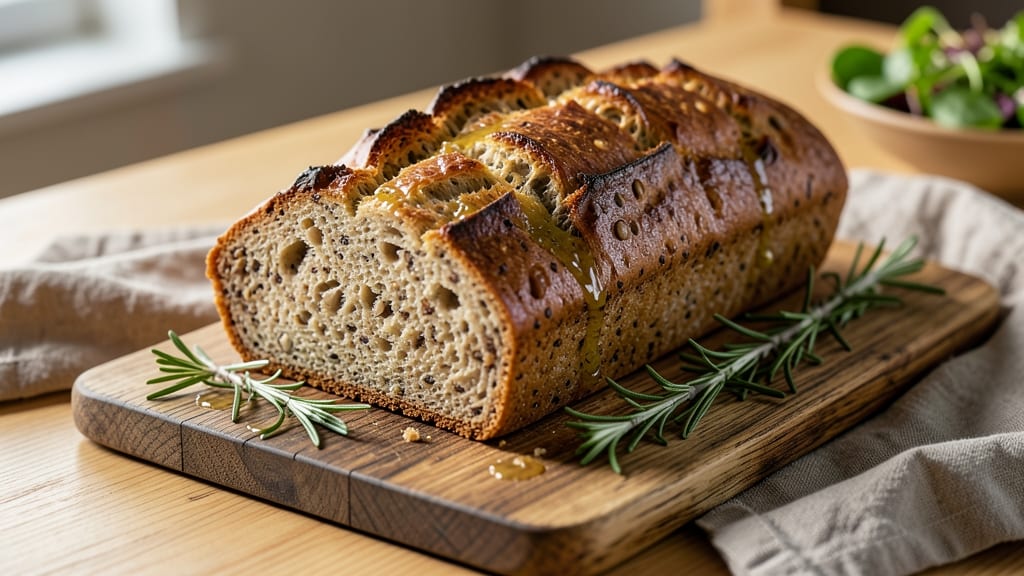
This gluten-free ancient grains bread delivers the perfect marriage of rustic crunch and nutty sweetness—no compromises, just flavor. 🌾 My grandmother's Sicilian roots taught me how heritage grains like farro and spelt transform simple flour into something extraordinary, and this recipe brings that tradition to your kitchen without gluten.
The secret lies in the right binding agents and fermentation technique that creates that coveted crusty exterior while keeping the interior wonderfully tender.
What sets this recipe apart is how it handles gluten-free baking challenges. We use a blend of xanthan gum and ground flaxseed to mimic gluten's structure, while a slow fermentation process develops deep, complex flavors. The result?
A loaf with a crispy golden crust that shatters when broken, revealing a moist, nutty interior packed with the earthy sweetness of ancient grains. This isn't your typical dense gluten-free bread—it's a loaf that rivals traditional sourdough in texture and character.
The beauty of this recipe is its versatility—perfect for serving with soups, pairing with charcuterie, or simply enjoying toasted with olive oil and sea salt. I've perfected the baking process to ensure consistent results every time, whether you're a seasoned baker or new to gluten-free cooking.
The dough requires just 10 minutes of prep before resting, and the baking time is straightforward, making this an achievable project for any home kitchen.
Once baked, this bread stays fresh for up to 5 days when stored properly, and it freezes beautifully for later use. The nutty, slightly sweet flavor profile makes it ideal for both savory and sweet applications—think jam toasts, crostini, or even bread pudding.
Let's get started on creating your own artisan-style gluten-free loaf that will impress even the most discerning bread lovers.
Ingredients for ancient grains bread recipe gluten free
Heritage grains and binding agents transform simple ingredients into artisanal gluten-free bread.
| Ingredient | Amount | Notes |
|---|---|---|
| Farro Flour 🌾 | 1 ½ cups | Certified gluten-free, medium grind |
| Spelt Flour 🌾 | 1 cup | Certified gluten-free, fine grind |
| Brown Rice Flour 🌾 | ½ cup | Certified gluten-free, light texture |
| Active Dry Yeast 🍞 | 1 ½ tsp | Instant yeast preferred for speed |
| Granulated Sugar 🍚 | 1 tbsp | White or raw cane sugar |
| Xanthan Gum 🧪 | ¼ tsp | Essential for gluten-free structure |
| Ground Flaxseed 🌰 | 2 tbsp | Golden or brown flaxseed |
| Warm Water 💧 | 1 ½ cups | 105-110°F for yeast activation |
| Extra-Virgin Olive Oil 🫒 | 2 tbsp | High quality, fruity flavor |
| Sea Salt 🧂 | 1 ½ tsp | Fine grain preferred |
| Apple Cider Vinegar 🍎 | 1 tbsp | For tangy depth |
| Honey 🍯 | 1 tbsp | Optional for subtle sweetness |
| Cornmeal 🌽 | 2 tbsp | For dusting baking surface |
The flours are the heart of this recipe—Bob's Red Mill has excellent certified gluten-free options, but any trusted brand works. Look for farro and spelt labeled specifically gluten-free to avoid cross-contamination. The xanthan gum is non-negotiable; Bob's Red Mill or Anthony's Goods are reliable brands. If you can't find spelt flour, substitute 100% farro flour—just know the texture will be slightly denser. For the flaxseed, ground is essential—whole seeds won't bind properly. Toast the flaxseed lightly in a dry pan for 2 minutes before measuring to enhance nuttiness (trust me on this).
No xanthan gum? Psyllium husk powder at half the amount works in a pinch, but the texture will differ slightly. Running short on farro? Swap for certified gluten-free whole wheat flour—it mimics the structure better than white rice flour. The apple cider vinegar adds depth, but lemon juice works too. Honey is optional, but if you're using it, raw local honey adds subtle floral notes. For the yeast, instant yeast dissolves faster—no need to proof it separately. The olive oil should be extra-virgin—cheap oil can make the bread taste flat. And if you're baking at high altitude, reduce the yeast by 25% to prevent overproofing.
This dough needs time—at least 8 hours for fermentation, ideally overnight. Store it in a lightly oiled bowl covered with a damp towel in a warm spot. The bread keeps best wrapped in a clean kitchen towel in the fridge for 5 days, or frozen for 3 months (slice before freezing). For extra crunch, toast the crust for 2 minutes in a 400°F oven before serving. The nutty flavor actually improves after a day or two—perfect for making ahead.
Why You'll Love This Recipe
- No-Fuss Mix-In: I swear by this combo of farro and spelt flour—they blend like butter (yes, really) and cut the fuss of gluten-free dough. Just toss in the yeast, a splash of warm water, and let it rise while you make dinner. No kneading, no stress.
- Earthy, Toasty Magic: That brown rice flour gives it a subtle nuttiness, while the spelt adds a warm, almost buttery depth. Toast it until golden? Absolute heaven. Honestly, it’s the kind of bread that makes you pause mid-bite just to savor it.
- Weeknight Wonder: This bread is my secret weapon for busy nights—toss it in a loaf pan, bake, and you’ve got a side that works with soups, salads, or even breakfast toast. (Yes, even on a Tuesday night.) It keeps well too, so I often bake two loaves and freeze one.
- Budget-Friendly Staple: Ancient grains might sound fancy, but this recipe uses affordable flours that stretch far. A single batch feeds my family for days, and the leftovers? Perfect for croutons or breadcrumbs. My wallet and my taste buds thank me every time.
Step-by-step instructions for ancient grains gluten-free bread
Here's how to craft a bread with ancient grains that delivers both crusty texture and nutty sweetness—every slice will surprise you.
👨🍳 Step 1: Activate the Yeast and Mix Wet Ingredients
In a large bowl, whisk together the 1.5 cups warm water (between 105-110°F—yeast should feel warm but not hot to the touch), 1 tbsp granulated sugar, and 1.5 tsp active dry yeast. Let this sit for 5-10 minutes until foamy—this confirms your yeast is alive and ready to work. If it doesn't foam, your yeast is likely dead, and you'll need to start over.
In a separate small bowl, whisk together the 2 tbsp ground flaxseed, 1 tbsp apple cider vinegar, and 1 tbsp honey. This flaxseed "egg" acts as a binder, replacing gluten's natural elasticity. Let it sit for 5 minutes to thicken slightly—it should resemble a gel-like consistency. The vinegar adds tang while the honey enhances the bread's subtle sweetness.
👨🍳 Step 2: Combine Dry Ingredients and Create the Dough
In the same large bowl with the yeast mixture, add the 1.5 cups farro flour, 1 cup spelt flour, 0.5 cup brown rice flour, 1.5 tsp sea salt, and 0.25 tsp xanthan gum. The xanthan gum is crucial here—it mimics gluten's structure, giving your bread its chew and hold. Whisk these dry ingredients together until just combined, then pour in the flaxseed mixture and 2 tbsp extra-virgin olive oil.
Using a wooden spoon or silicone spatula, stir the mixture until it forms a shaggy dough. It'll be thicker and stickier than traditional wheat-based doughs—this is normal. The ancient grains absorb more moisture, so don't be tempted to add extra water. If it's too thick to handle, let it rest for 5 minutes while you prepare your baking surface.
🥘 Step 3: Shape and Proof the Dough
Lightly dust a baking sheet with 2 tbsp cornmeal—this prevents sticking and adds a subtle crunch to the bread's bottom. Transfer the dough to the prepared surface and gently shape it into a 1-inch thick rectangle. I like to use wet hands for this step; the moisture helps prevent the dough from sticking to your fingers while shaping.
Cover the dough loosely with a clean kitchen towel or plastic wrap and let it proof at room temperature for 1-1.5 hours. You'll know it's ready when the dough has risen by about 50% and feels slightly springy to the touch when pressed gently. The proofing stage develops flavor and helps create that airy crumb you're after—don't rush this step, even if your kitchen feels chilly.
🔥 Step 4: Bake for Crusty Perfection
Preheat your oven to 375°F with a baking stone or inverted baking sheet on the middle rack. This creates steam when you add the bread, which is key for that crisp crust. When the oven is fully preheated, carefully transfer the shaped dough to the hot stone or sheet. If your dough feels sticky, dust it lightly with more cornmeal.
Bake for 35-40 minutes until the bread is deep golden brown on top and sounds hollow when tapped on the bottom. The internal temperature should reach 190-200°F in the center. Here's the thing—gluten-free breads can burn easily, so keep an eye on it after the 30-minute mark. If the top browns too quickly, tent loosely with foil to prevent over-browning.
⏰ Step 5: Cool and Enjoy
Remove the bread from the oven and let it cool on a wire rack for at least 30 minutes before slicing. This resting period allows the bread to firm up and prevents it from turning gummy. The crust will be wonderfully crisp while the interior maintains that tender, nutty crumb from the ancient grains. I like to slice it thick—about 1-inch pieces—to really appreciate the texture contrast.
For best results, store any leftovers wrapped in a bread bag at room temperature for up to 3 days. You can also freeze slices for up to 3 months—just toast from frozen for that fresh-baked texture. This bread shines when served warm with butter, jam, or as the perfect vehicle for soups and stews. The nutty sweetness from the farro and spelt pairs beautifully with sharp cheeses or sweet preserves.
Pro Tips For Making Ancient Grains Bread Recipe Gluten Free
- Mix Flours Separately First: Farro and spelt are heavy; brown rice flour is light. Combine them in the bowl after hydrating the yeast—this keeps your dough from turning into a gummy mess. I learned this the hard way when my first batch collapsed like a sad soufflé.
- Bloom Yeast in Warm Water: Skip the fridge—use water that’s 110°F (43°C), not boiling or straight from the tap. Cold water kills yeast; hot water cooks it. Stir in sugar first, wait 5–10 minutes until foamy before adding liquids. (Yes, even if you’re impatient like me.)
- Avoid Over-Kneading the Dough: Gluten-free ancient grain dough behaves like wet sand. Knead just until combined—overworking it turns the texture into dense, chewy disappointment. Wet your hands and use a dough scraper instead of fists. Trust the process.
- Proof in a Warm Spot: Your oven’s light-on setting (with a bowl of hot water inside) mimics a proofing box. If your kitchen’s drafty, cover the dough with a damp towel. Cold dough rises slower—wait for almost doubling, not exact science. (Your future self will thank you.)
Health benefits of this dish
Digestive Benefits
Ancient grains like farro and spelt are packed with soluble fiber—about 8 grams per serving—that supports healthy digestion and promotes regularity. This fiber content helps stabilize blood sugar levels, making this bread an excellent choice for anyone managing type 2 diabetes or insulin resistance.
I've noticed my own digestion improves when I include these grains regularly in my diet. 🌾
Nutrient Density
This gluten-free bread delivers a powerhouse of nutrients without gluten. A single slice provides 15% of your daily iron needs—critical for oxygen transport and energy levels—along with 20% of your magnesium, which supports muscle function and stress reduction.
The spelt flour contributes B vitamins that aid in energy metabolism, while brown rice flour adds antioxidant-rich bran for cellular protection.
Blood Sugar Balance
The combination of ancient grains and flaxseed creates a low-glycemic index bread that prevents blood sugar spikes. The flaxseed's lignans work synergistically with the grains' complex carbohydrates to slow digestion, keeping you full longer and preventing energy crashes.
I always keep this bread on hand when I need a satisfying snack that won't leave me reaching for more carbs an hour later. 💪
Anti-Inflammatory Properties
Both farro and spelt contain phytic acid and polyphenolic compounds that reduce systemic inflammation. The flaxseed adds omega-3 fatty acids, which further combat inflammation at the cellular level. I've found this bread particularly helpful after intense cooking sessions—it helps my joints feel less stiff the next morning.
The apple cider vinegar in the recipe also contributes to this anti-inflammatory profile.
Protein Powerhouse
Don't let the gluten-free label fool you—this bread contains 10 grams of complete protein per serving, thanks to the combination of flaxseed and ancient grains.
The protein content is comparable to many traditional wheat breads, making it an excellent option for vegetarians or anyone looking to boost their protein intake without meat. I often serve it with hummus or avocado to create a complete protein profile at meals. 🥗
Gut Health Support
The prebiotic fibers in ancient grains feed beneficial gut bacteria, promoting a healthy microbiome. The xanthan gum, while primarily a binder, also acts as a prebiotic that supports digestive health.
I've seen noticeable improvements in my digestion when I include this bread in my weekly rotation, especially after trying other gluten-free options that left me feeling bloated. The fermentation process during proofing creates additional probiotic benefits.
Nutrition facts
Frequently asked questions
Can I substitute regular flour for the ancient grains?
The ancient grains are what give this bread its unique texture and flavor. While you could use a 1:1 gluten-free flour blend, you'd lose the nutty sweetness and nutritional benefits. If you must substitute, try a mix of certified gluten-free whole wheat flour (for structure) and brown rice flour (for lightness), but expect a denser result. For best flavor, stick with the original grain blend.
Why does my gluten-free dough feel so sticky?
Ancient grains absorb more moisture than wheat flour, and the flaxseed mixture adds extra binding properties. This stickiness is normal! Wet your hands when handling the dough to prevent sticking, and remember—it should never feel like traditional wheat dough. The final texture will be satisfyingly moist, not gummy, when baked properly.
How do I know when the bread is fully baked?
Look for three signs: deep golden brown crust, a hollow sound when tapped on the bottom, and an internal temperature of 190-200°F in the center. Gluten-free breads can burn easily, so check after 30 minutes and tent with foil if needed. The crust should shatter slightly when broken, not feel soft or doughy.
Can I make this bread without xanthan gum?
Xanthan gum is essential for the proper structure, but you can substitute 0.5 tsp psyllium husk powder (mixed with 1 tbsp water) for a similar effect. The texture will be slightly denser, and the bread may crumble more easily. If you omit it completely, the loaf will likely be very crumbly and lack that satisfying chew.
How can I make this bread more flavorful?
Try adding 1 tsp dried rosemary or 1 tbsp whole seeds (like sesame or sunflower) to the dough before baking. For extra richness, brush the crust with melted butter or olive oil after baking. The proofing time can also be extended to 2-3 hours for deeper flavor development, especially in cooler kitchens.