
Sauces & Condiments
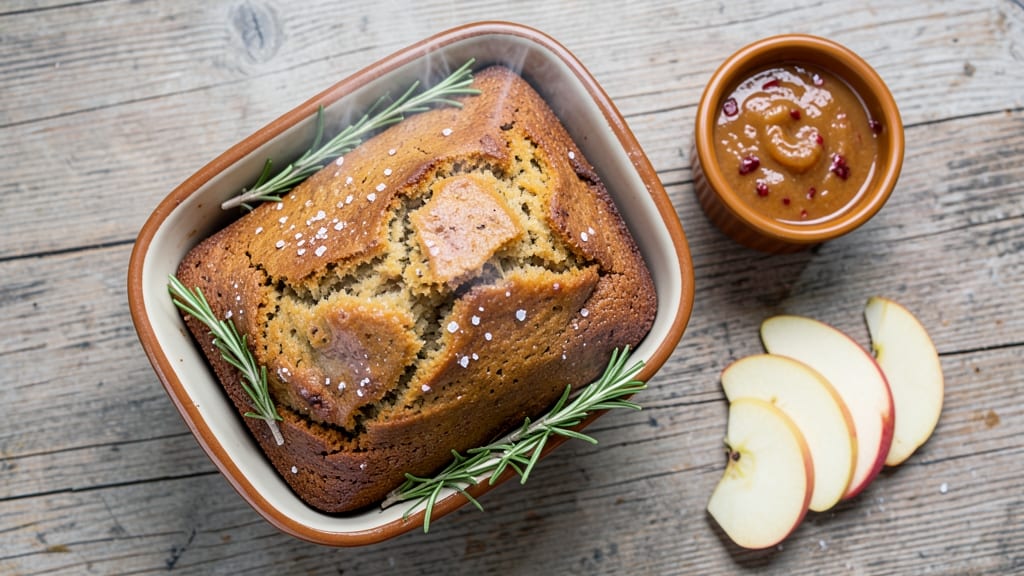
This applesauce loaf bread recipe delivers a tender, moist crumb with just the right balance of spiced sweetness—no dry, dense loaf here. The secret lies in applesauce replacing some of the fat, creating a lighter texture while keeping every slice wonderfully soft.
I’ve perfected this version after years of testing, ensuring it stays moist for days without turning gummy.
The beauty of this recipe is its simplicity: just 10 basic ingredients, including warm spices like cinnamon and nutmeg that complement the applesauce’s natural sweetness. No fancy techniques required—just mix, shape, and bake.
The result is a loaf with a golden crust and a crumb so tender it practically melts in your mouth, making it perfect for breakfast toast or a comforting snack.
What sets this recipe apart is how the applesauce transforms traditional bread dough. It replaces butter or oil while adding moisture and subtle sweetness, creating a loaf that’s lighter than most quick breads but still substantial.
The spices deepen the flavor, giving each slice a warm, inviting aroma that’s hard to resist.
Serve it fresh with butter or jam, or toast slices for a hearty breakfast. The loaf keeps well at room temperature for 3-4 days, making it ideal for meal prep. Ready to bake a loaf that’s as delicious as it is foolproof? Let’s get started.
Ingredients for applesauce loaf bread
Ten simple ingredients transform into a loaf with a tender crumb and spiced sweetness.
| Ingredient | Amount | Notes |
|---|---|---|
| All-Purpose Flour 🌾 | 3 ½ cups | Sifted for lighter texture |
| Unsweetened Applesauce 🍎 | 1 cup | Unsweetened, unsalted preferred |
| Granulated Sugar 🍚 | ½ cup | Light brown sugar for depth |
| Active Dry Yeast 🍞 | 2 ¼ tsp | Instant yeast works too |
| Warm Water 💧 | 1 ¼ cups | 110°F for optimal yeast activation |
| Large Egg 🥚 | 1 whole | Room temperature for even mixing |
| Unsalted Butter 🧈 | ½ cup | Cold, cubed for easier mixing |
| Ground Cinnamon 🌿 | 1 ½ tsp | Freshly ground preferred |
| Ground Nutmeg 🌿 | ½ tsp | Freshly grated nutmeg preferred |
| Diamond Crystal Kosher Salt 🧂 | 1 ½ tsp | Adjust to taste |
The flour forms the foundation of this recipe, so King Arthur or Gold Medal brands yield the best results. For the applesauce, Mott's unsweetened or Libby's are reliable choices—avoid sweetened varieties that can alter the balance. The yeast must be active dry or instant, and always check the expiration date. Warm water is critical; use a thermometer to ensure it's 110°F—too hot kills yeast, too cool slows activation. For the butter, Land O'Lakes or Plugrá work well, but avoid salted varieties unless you adjust the salt later. The spices should be freshly ground—pre-ground spices lose potency quickly, especially nutmeg, which can taste bitter if old.
No unsweetened applesauce? Substitute with pumpkin puree at the same ratio, though the flavor will shift slightly. Running short on butter? Coconut oil or avocado oil can replace it, but reduce by 2 tablespoons to account for moisture differences. For yeast, active dry yeast requires proofing while instant yeast can go straight into the mix. The cinnamon and nutmeg are non-negotiable for the signature flavor, but pumpkin pie spice can substitute at a 1:1 ratio. If you're concerned about the loaf being too sweet, reduce the sugar slightly—0.4 cup works well for a milder flavor. The egg binds the dough, but flax egg (1 tbsp ground flaxseed + 3 tbsp water) can replace it for a vegan version, though texture may vary slightly.
This loaf stays fresh for 3-4 days at room temperature when wrapped tightly in plastic or stored in an airtight container. For longer storage, freeze slices individually on a baking sheet before transferring to a freezer bag—up to 3 months without losing moisture. To reheat, wrap slices in a damp paper towel and warm in a 350°F oven for 5-7 minutes. The applesauce keeps the bread moist longer than traditional breads, but for extra freshness, brush the crust with melted butter before baking. The loaf also freezes beautifully whole, thawing at room temperature for 1-2 hours before slicing.
Why You'll Love This Recipe
- No Yeast Fuss: I swear by this swap—just toss in the yeast with warm water and applesauce, let it sit while I fold laundry. The dough comes together smoother than my usual kneading battles, and honestly? No one misses the elbow grease.
- Sweet & Simple Magic: That applesauce isn’t just moisture—it’s the secret to a tender crumb with a subtle caramel note. Add a pinch of cinnamon (trust me), and you’ve got bread that tastes like a hug from a bakery, but with half the ingredients.
- Weeknight Wonder: Slice it fresh for toast, freeze slices for quick breakfasts, or pack it for lunches—it’s my go-to when I’m too tired to think. The sugar keeps it soft for days, so leftovers? Always a win.
- Pantry Staple Hack: Flour, sugar, applesauce—stuff I already have. No specialty ingredients, no last-minute grocery runs. Between us, this is the bread I make when I’ve forgotten to buy bread. (Yes, it’s happened.)
Step-by-step instructions for applesauce loaf bread
Master this technique and you'll achieve a perfectly moist, spiced loaf every time.
Activate the Yeast for Maximum Rise
In a small bowl, combine the 1.25 cups warm water (should be between 110-115°F) with the 0.5 cup granulated sugar and 2.25 tsp active dry yeast. Let it sit for 5-10 minutes until foamy. You'll see small bubbles forming and the mixture expanding—this indicates the yeast is active and ready to work.
This step is crucial for proper fermentation. If the mixture doesn't foam within 10 minutes, your yeast may be dead. In that case, start fresh with new yeast and warm water. The sugar helps activate the yeast quickly, while the warm temperature creates the ideal environment for fermentation.
Mix the Dough Components
In the bowl of a stand mixer fitted with the dough hook, combine the 3.5 cups all-purpose flour, 1.5 tsp ground cinnamon, 0.5 tsp ground nutmeg, and 1.5 tsp diamond crystal kosher salt. Mix on low speed for 30 seconds to distribute the dry ingredients evenly.
Add the yeast mixture, 1 whole large egg, and 1 cup unsweetened applesauce to the bowl. Mix on low speed for 1 minute until combined. Then add the 0.5 cup cold unsalted butter, cubed, and continue mixing until the butter is fully incorporated and the dough begins to come together.
Knead Until Smooth and Elastic
Knead the dough on medium speed for 5-7 minutes until it becomes smooth, elastic, and pulls away from the sides of the bowl. The dough should be slightly tacky but not sticky—if it's too sticky, add 1 tablespoon more flour as needed.
Here's the thing—applesauce makes this dough more fragile than traditional bread dough. Handle it gently to avoid overworking. You'll know it's ready when it forms a windowpane when stretched thin. Test this by taking a small piece of dough and stretching it between your fingers until it becomes translucent.
First Rise for Optimal Flavor Development
Lightly grease a large bowl with vegetable oil and transfer the dough to it. Cover with a damp kitchen towel and let rise in a warm place for 1-1.5 hours, or until doubled in size. The dough should feel light and springy when pressed gently with one finger.
Don't rush this step—the longer the rise, the more complex the flavor. I like to place the bowl on top of my turned-off oven with a pan of hot water underneath to create a consistent warm environment. If your kitchen is cold, this helps speed up the process slightly while maintaining even temperature.
Shape and Second Rise for Perfect Texture
Punch down the dough to release any air bubbles, then shape it into a 9x5-inch loaf pan. Brush the sides of the pan with melted butter to prevent sticking. Cover the dough again and let it rise for another 30-45 minutes until it reaches the top of the pan.
The second rise is shorter because the dough is already partially risen. When it's ready, you'll see it dome slightly above the pan's edges. This final rise ensures that your bread has that perfect, airy crumb structure that makes it so moist and tender. If the dough doesn't rise completely, it won't have that light texture we're aiming for.
Bake Until Golden and Hollow-Sounding
Preheat your oven to 375°F while the dough finishes its second rise. Bake the loaf for 45-50 minutes until the top is deep golden brown and the internal temperature reaches 190-200°F. Tap the bottom of the loaf—it should sound hollow when done.
I like to tent the loaf with aluminum foil after 25 minutes to prevent over-browning, then remove the foil for the final 15-20 minutes to achieve that beautiful crust. The applesauce keeps the interior moist while the spices create that warm, comforting aroma that fills your kitchen.
Cool and Slice for Maximum Moisture Retention
Remove the loaf from the pan and place it on a wire rack to cool completely for at least 1 hour. This resting period allows the steam inside to redistribute, ensuring every slice remains moist and tender.
Resist the temptation to slice immediately—the bread will be too soft and may fall apart. When you're ready to serve, slice with a sharp serrated knife for clean cuts. The interior should be uniformly moist with a subtle sweetness from the applesauce, while the crust remains crisp and aromatic from the cinnamon and nutmeg.
Pro Tips For Making Applesauce Loaf Bread
- STIR THE YEAST FIRST: Mix the yeast with the warm water and sugar before adding applesauce—this gets it activated faster. I used to toss everything in at once, and the dough would take twice as long to rise. A quick 5-minute wait until it’s bubbly means your loaf starts working right away.
- WEIGH THE FLOUR: Ditch the measuring cups for a kitchen scale—1 cup of flour varies wildly by brand, and this recipe relies on precision. I learned this after my first loaf turned dense; now I use 450 grams for a foolproof structure. (Yes, even if you’re impatient like me.)
- DON’T OVERMIX THE DOUGH: Stir just until the flour is mostly incorporated—lumps are fine. Overworking the dough develops gluten, and that turns your tender applesauce loaf into a chewy brick. Stop when it’s shaggy, not smooth.
- USE COLD APPLESAUCE: Chill the applesauce for 30 minutes before mixing—it keeps the yeast from activating too fast and makes the dough easier to handle. I skipped this once and ended up with a sticky mess that refused to rise properly. (Your future self will thank you.)
Regional styles of this recipe
New England Classic
In New England, this applesauce loaf is a breakfast staple, often served with maple syrup or whipped butter. The recipe traditionally includes 1 tsp cardamom alongside the cinnamon and nutmeg, giving it a warm, slightly floral note that pairs perfectly with autumn apples.
I've made this version countless times at my grandmother's kitchen table—she swore by using 1 cup unsweetened applesauce and 1 tbsp lemon juice to brighten the flavor. The loaf keeps beautifully for days, making it ideal for holiday gatherings. 🍂
Southern Comfort Style
Down South, this bread often gets a richer twist with ½ cup honey replacing some of the sugar and 1 tsp vanilla extract in the dough. The Southern approach also calls for ½ cup chopped pecans folded into the dough before baking, adding a delightful crunch.
I love this variation for Thanksgiving—it's sweet enough to stand alone but pairs beautifully with savory dishes like cornbread dressing. The pecans add a buttery richness that balances the applesauce's natural sweetness. 🌰
Midwest Homestyle
The Midwest version keeps things simple but hearty, often including 1 cup raisins or chopped dried apricots for extra fruitiness. This adaptation also tends to use 1 tsp allspice alongside the cinnamon, creating a warm, spiced flavor that's perfect with coffee.
I remember my aunt making this loaf every Sunday morning—she'd slice it thick and serve it with apple butter instead of jam. The raisins add chewy texture that contrasts beautifully with the tender crumb. 🍯
Pacific Northwest Twist
Out West, you'll find variations that incorporate local ingredients like 1 cup mashed pear replacing half the applesauce, giving the loaf a delicate floral note. The Pacific Northwest version also often includes 1 tsp orange zest for brightness and ½ cup chopped walnuts for texture.
This adaptation works beautifully with chai tea or as a snack with almond butter. The pear adds a subtle tartness that cuts through the richness of the spices. 🍐
German-Inspired Variation
Inspired by German Apfelbrot, this version replaces the yeast with 1 tsp baking soda and 1 tbsp vinegar for a quick bread approach. The dough includes 1 cup grated apple (peeled) mixed directly into the batter, creating a denser but still moist loaf.
I've made this version for German festivals—it's often served with cinnamon sugar sprinkled on top and black forest ham for a savory-sweet combo. The baking soda creates a slightly cake-like texture that's still hearty enough for a main dish. 🍏
Nutrition facts
Frequently asked questions
Why does this applesauce bread stay moist longer than regular bread?
The applesauce replaces some of the butter while adding natural moisture that keeps the crumb tender for days. Unlike traditional breads that dry out quickly, the fruit puree acts like a humectant, locking in freshness. The spices also help preserve moisture by creating a protective barrier on the crust.
Can I make this recipe without a stand mixer?
Mix the dough by hand in a large bowl using a wooden spoon, then knead on a lightly floured surface for 8-10 minutes until smooth. The applesauce makes the dough stickier, so wet your hands slightly to prevent sticking. A dough scraper helps gather any stray pieces for even kneading.
What if my dough doesn't rise properly?
Check your yeast first—it may be expired. Use 110-115°F water (not hot) and let it sit 5-10 minutes until foamy before mixing. Cold kitchens? Place the dough bowl on top of your turned-off oven with a pan of hot water underneath. If it still doesn't rise, try adding 1 tsp extra sugar to activate the yeast.
How can I make this gluten-free?
Replace the all-purpose flour with a 1:1 gluten-free flour blend (like Bob's Red Mill) plus 1 tsp xanthan gum. Use 1 extra tablespoon of applesauce as gluten-free flours absorb more moisture. The texture will be slightly denser but still tender. Let the dough rise 10-15 minutes longer since gluten-free dough rises slower.
What's the best way to store leftovers?
Wrap cooled slices tightly in plastic wrap or store in an airtight container at room temperature for 3-4 days. For longer storage, freeze individual slices on a tray first, then transfer to a bag. To reheat, wrap slices in a damp paper towel and warm in a 350°F oven for 5-7 minutes—this restores crispness without drying them out.