
Sauces & Condiments
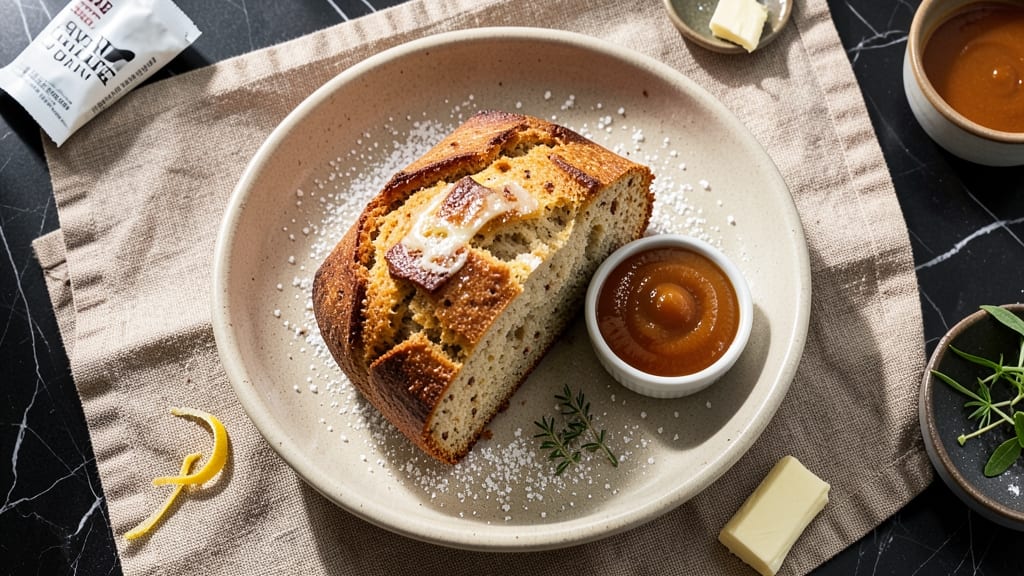
This applesauce yeast bread recipe transforms simple ingredients into a loaf with a tender crumb and sweet-tart swirls that disappear faster than you can imagine. The applesauce replaces butter while keeping the dough moist and flavorful, creating a texture that's both rich and light—perfect for sandwiches or toast.
I developed this recipe after years of baking, and it's the one my family requests every holiday season.
The magic happens in the dough preparation: combining warm applesauce with yeast and flour creates a tender crumb that stays soft for days. Kneading develops gluten for structure, while the swirls of applesauce add natural sweetness without overpowering the bread's buttery crust.
Baking at 375°F for 30-35 minutes ensures a golden exterior with a soft, pillowy interior.
What makes this bread special is its versatility—slice it for toast, use it for sandwiches, or serve it warm with butter. The applesauce swirls add a subtle sweetness that pairs beautifully with savory fillings, while the crust stays crisp even after cooling.
Wrap the loaf in foil to keep it fresh for up to 5 days, or freeze for longer storage.
This recipe is ideal for beginners and experienced bakers alike, with a foolproof method that delivers restaurant-quality results at home. Whether you're making it for a special occasion or a cozy weeknight dinner, this applesauce yeast bread will become a staple in your kitchen. Let's get started!
Ingredients for applesauce yeast bread
Fifteen ingredients for a loaf that balances sweetness with rustic texture—no butter needed.
| Ingredient | Amount | Notes |
|---|---|---|
| All-Purpose Flour 🌾 | 5 cups | Sifted for even texture |
| Unsalted Butter 🧈 | ¼ cup | Cold, cubed for dough |
| Unsweetened Applesauce 🍎 | 1 cup | Unsweetened, smooth variety |
| Granulated Sugar 🍚 | ¼ cup | For dough sweetness |
| Active Dry Yeast 🍞 | 2 ¼ tsp | Single-use packet preferred |
| Warm Water 💧 | 1 ¼ cups | 110°F for yeast activation |
| Large Egg 🥚 | 1 whole | Room temperature preferred |
| Salt 🧂 | 1 ½ tsp | Diamond Crystal preferred |
| Cinnamon 🌿 | 1 tsp | Ground for even distribution |
| Milk 🥛 | ¼ cup | Warm for brushing crust |
| Coarse Sugar 🍚 | 2 tbsp | For topping crust |
| Unsweetened Applesauce (for swirl) 🍎 | ½ cup | Reserved for dough swirls |
| Vanilla Extract 🌸 | 1 tsp | Pure, high-quality extract |
The flour is the foundation here—King Arthur or Gold Medal brands yield the best gluten development. For the applesauce, Mott's unsweetened is my go-to, but any smooth variety works. The yeast must be fresh: toss it if the packet's been open over a month. Warm the water to 110°F—too hot and it kills the yeast; too cold and it won't activate. The butter should be cold and cubed to create tender pockets in the dough. For the swirls, reserve half the applesauce until after kneading—this ensures those signature sweet-tart ribbons.
No applesauce? Greek yogurt or mashed banana works in a pinch, though texture will differ slightly. Running short on vanilla? Almond extract at half the amount adds depth. The cinnamon is non-negotiable for that classic warmth, but if you're out, pumpkin pie spice at equal measure bridges the gap. For a richer crust, replace half the milk with heavy cream. And if your dough feels too sticky? Add 1 tbsp more flour gradually—this bread forgives minor adjustments better than most.
Store the loaf wrapped in foil at room temperature for 3 days to maintain freshness, or freeze for up to 3 months by wrapping tightly. Reheat slices in a 350°F oven for 5 minutes to revive crispness. The swirls soften over time, so enjoy within 2 days of baking for peak texture. For extra crunch, brush the cooled loaf with melted butter before serving—trust me, it's worth the extra minute.
Why You'll Love This Recipe
- No-Fuss Dough: I swear by this recipe because it’s the only bread I make that doesn’t require kneading—just mix, let it rise, and bake. The applesauce replaces butter in the dough, keeping it tender without the fuss of handling cold butter or waiting for it to soften.
- Sweet & Tangy Twist: That unsweetened applesauce? It’s the secret weapon—adding just enough natural sweetness and moisture to make every bite taste like a cross between a cinnamon roll and a classic loaf. Honestly, I’ve never met a bread that balances richness and brightness this well.
- Weeknight & Holiday Hero: This bread is my go-to for sandwiches and dinner rolls—no one ever turns down buttery, slightly sweet bread to soak up gravy or hold a BLT. And between us? It’s the only homemade bread I bake for Thanksgiving that doesn’t take all day.
- Pantry Staple Magic: I keep a jar of applesauce and a bag of flour on hand just for this—it’s cheaper than buying artisanal loaves, and a single batch lasts my family for days. Freeze half if you’re not a fan of stale bread; it thaws like a dream.
Step-by-step instructions for applesauce yeast bread with buttery crust
Transform simple ingredients into a tender, swirled loaf with crisp edges and moist crumb.
Activate the Yeast and Prepare the Dough Base
In a small bowl, combine the 2.25 teaspoons active dry yeast with 1.25 cups warm water (110°F). Let sit for 5-10 minutes until foamy—this confirms the yeast is active and ready to work. If it doesn't foam, your yeast may be dead, and you'll need to start over.
In a large mixing bowl, whisk together the 5 cups sifted all-purpose flour, 0.25 cup granulated sugar, 1.5 teaspoons salt, and 1 teaspoon cinnamon. Create a well in the center and pour in the yeast mixture, 1 whole large egg, and 1 teaspoon vanilla extract. Mix with a wooden spoon until a shaggy dough forms.
Incorporate the Butter and Applesauce
Cut the 0.25 cup cold cubed unsalted butter into the dough and work it in with your hands or a dough scraper until fully incorporated. The butter should be distributed evenly—this creates the bread's signature tender crumb. Add the 1 cup unsweetened applesauce and mix thoroughly until combined.
Turn the dough onto a lightly floured surface and knead for 8-10 minutes until smooth and elastic. The dough should spring back when pressed gently. If it feels too sticky, add flour 1 tablespoon at a time—but don't overdo it, or the bread will become dense.
First Rise and Prepare the Swirl Dough
Place the dough in a lightly greased bowl, cover with a clean kitchen towel, and let rise in a warm place for 1-1.5 hours, or until doubled in size. Meanwhile, prepare the swirl dough by mixing 0.5 cup unsweetened applesauce (for swirl) with 2 tablespoons coarse sugar in a small bowl. Set aside.
Once the dough has risen, punch it down to release air, then roll it into a 12x18-inch rectangle on a floured surface. Spread the swirl mixture evenly over the dough, leaving a ½-inch border around the edges. Roll tightly from the long side into a log, sealing the edges.
Shape, Proof, and Bake to Golden Perfection
Place the sealed loaf seam-side down in a greased 9x5-inch loaf pan. Brush the top with 0.25 cup warm milk and sprinkle with remaining 2 tablespoons coarse sugar. Cover loosely and let rise for another 45-60 minutes until the dough has risen 1-2 inches above the pan.
Preheat your oven to 375°F. Bake the bread for 35-40 minutes until the top is deep golden brown and an instant-read thermometer inserted into the center reads 190-195°F. Tap the bottom—the bread should sound hollow when done. Let cool in the pan for 10 minutes before removing to a wire rack.
Rest and Serve for Maximum Flavor
Allow the bread to cool completely before slicing—this prevents a gummy texture. The internal temperature should drop to 100°F or below. The bread will keep well wrapped at room temperature for 2 days or frozen for up to 3 months.
Slice the loaf to reveal beautiful swirls of applesauce throughout the tender crumb. The crust should be crisp and buttery, while the interior remains soft and slightly sweet. Serve warm with butter or jam for the ultimate breakfast experience.
Pro Tips For Making Applesauce Yeast Bread
- Warm the Applesauce First: Dump that cold applesauce straight into your dough mixer? Skip it. Warm it to room temp first—just 10 seconds in the microwave or 30 seconds in a bowl of hot water. Cold applesauce slows yeast activity, and you’ll end up waiting twice as long for your dough to rise. Trust me, your bread will thank you.
- Use Room-Temp Butter: I used to cut corners and toss in cold butter straight from the fridge. Big mistake. Softened butter (about 65°F) blends smoother and creates a lighter crumb—no greasy lumps in your dough. Stick it in a warm spot for 10-15 minutes or microwave it in 5-second bursts. Worth the wait.
- Skip Over-Kneading: This dough’s moist from the applesauce, so it won’t behave like regular bread. Overwork it, and you’ll end up with a dense, gummy loaf. Knead just until the dough comes together—about 5-6 minutes by hand or 3-4 minutes in a mixer. Let the gluten relax during the first rise.
- Proof Until It’s Almost Ready: I learned this the hard way—underproofed bread collapses in the oven, while overproofed bread flattens like a pancake. For this dough, it’s done when it’s just shy of doubling and springs back slowly when poked. Resist the urge to rush it; patience here means a taller, airier loaf.
Storing and reheating this applesauce yeast bread
Room-Temp Freshness
Wrap your baked loaf tightly in plastic wrap or aluminum foil to lock in moisture—this keeps it fresh for 3-4 days at room temperature. I store mine in a bread box or paper bag to prevent drying out.
For extra protection, place a slice of apple inside the bag; its natural ethylene gas slows staling. 🍎
Freezer Magic
For longer storage, freeze the loaf fully cooled in an airtight container or ziplock bag for up to 3 months. Slice before freezing if you prefer individual portions—this prevents a dense texture. To revive, thaw overnight at room temperature or reheat 10 minutes at 350°F for crispy crusts.
Reheating Secrets
For toast-worthy slices, warm at 350°F for 5-7 minutes on a wire rack. The rack’s airflow crisps the crust without steaming the crumb. Need speed? Microwave 20-second bursts on 50% power, covering with a damp paper towel. Add a splash of milk if slices dry out.
Reviving Day-Old Bread
Spritz stale slices with water and toast at 400°F for 3-4 minutes—this restores crispness. For sandwiches, brush slices with melted butter or applesauce glaze (mix 2 tbsp applesauce + 1 tsp cinnamon). The warmth brings back that soft, pillowy texture you love. 💛
Portioning Tips
Slice the loaf 12 hours after baking for cleaner cuts. Store slices in a single layer in an airtight container with parchment paper to prevent sticking. Freeze individual slices for quick breakfasts—just reheat as needed. I keep a stash in the freezer for lazy mornings!
Nutrition facts
Frequently asked questions
Why does this recipe use applesauce instead of butter?
The applesauce replaces butter while keeping the bread moist and flavorful without adding fat. It creates a tender crumb and adds natural sweetness—perfect for sandwiches or toast. The recipe maintains a rich texture while being lighter than traditional butter-based breads.
Can I make this bread without a loaf pan?
Shape the dough into a free-form round or oval and place it on a parchment-lined baking sheet. Brush with milk and sprinkle with coarse sugar. Bake at 375°F for 25-30 minutes until golden. The crust will be slightly thicker, but the swirls stay just as delicious.
What if my dough doesn't rise properly?
Check your yeast first—it should foam within 5-10 minutes in warm water. If not, your yeast may be dead. Ensure your kitchen is warm (75°F+), and let the dough rise in a draft-free spot. For extra lift, place the bowl over a warm oven with a cup of boiling water below it. Patience is key—don't rush the rising time!
How can I add extra flavor to the swirls?
Mix in ½ teaspoon cinnamon, ¼ teaspoon nutmeg, or 1 teaspoon lemon zest with the reserved applesauce for the swirls. For a spiced twist, add ¼ teaspoon cardamom. These additions pair beautifully with the bread's buttery crust and tender crumb.
Is this bread good for sandwiches?
Yes! The tender crumb and slightly sweet swirls hold up perfectly to fillings like ham and cheese or peanut butter and jelly. For extra stability, lightly toast slices before assembling. The crust stays crisp even after cooling, making it ideal for lunch or dinner.