
Desserts
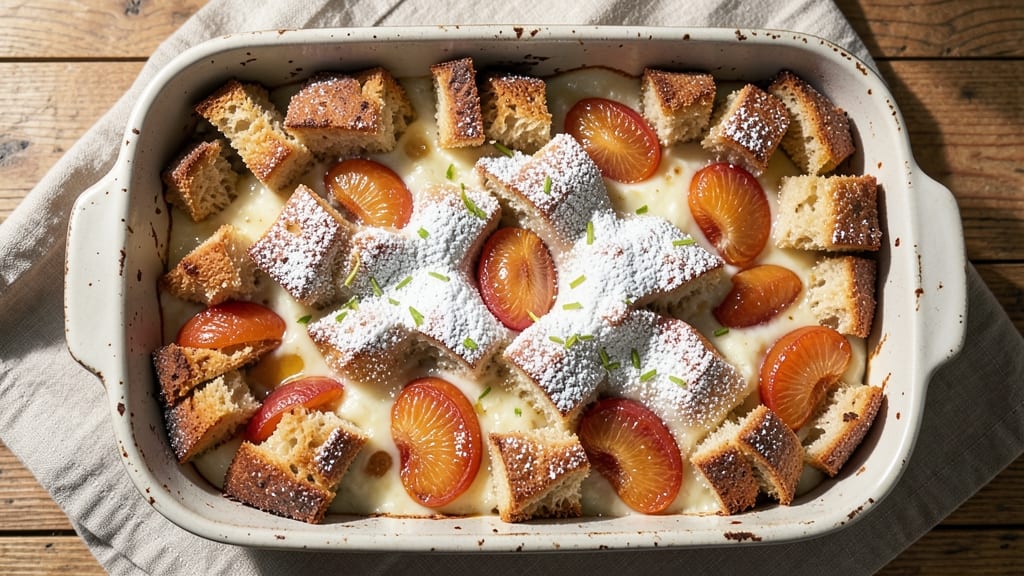
This apricot bread pudding recipe transforms stale bread into a decadent dessert with layers of warm spice and gooey apricot filling. The secret lies in balancing custardy richness with the natural sweetness of apricots—whether fresh, dried, or in jam form.
I’ve perfected this recipe to deliver a texture that’s custardy yet sturdy, with a golden crust that’s impossible to resist.
The foundation starts with cubed bread soaked in a vanilla-infused custard, then layered with apricots for bursts of fruitiness. A blend of cinnamon, nutmeg, and cardamom elevates the warm spice profile, while a touch of lemon zest brightens the filling.
Baking at 350°F for about 45 minutes ensures a tender center and a caramelized top that’s crisp enough to hold a drizzle of honey or caramel.
What makes this recipe stand out is the harmony of textures—creamy custard clinging to the bread, juicy apricots peeking through, and a golden-brown crust that’s just sweet enough.
It’s a dessert that feels special enough for company but simple enough for a weeknight treat. The best part? Leftovers reheat beautifully, making it perfect for meal prep.
For an extra touch, serve with a dollop of whipped cream or a drizzle of warm caramel sauce. This bread pudding isn’t just dessert—it’s a comforting, spice-infused experience that turns ordinary bread into something extraordinary. Let’s get baking!
Ingredients for apricot bread pudding
Sixteen ingredients transform ordinary bread into a spice-kissed apricot dessert with custardy layers.
| Ingredient | Amount | Notes |
|---|---|---|
| Stale French Bread 🍞 | 1 ½ lb | Cubed into 1.5-inch pieces |
| Large Eggs 🥚 | 6 whole | Room temperature preferred |
| Heavy Cream 🥛 | 1 ½ cups | Full-fat for optimal texture |
| Whole Milk 🥛 | ½ cup | Warmed for smoother custard |
| Granulated Sugar 🍚 | 1 cup | Light brown sugar for depth |
| Vanilla Extract 🌿 | 2 tsp | Pure Madagascar preferred |
| Ground Cinnamon 🌶️ | 1 ½ tsp | Freshly ground for warmth |
| Ground Nutmeg 🌶️ | ½ tsp | Freshly grated preferred |
| Ground Cardamom 🌿 | ¼ tsp | Lightly toasted for aroma |
| Lemon Zest 🍋 | 1 tbsp | From organic lemon preferred |
| Fresh Apricots 🍑 | 1 ½ cups | Pitted and halved (or sub dried) |
| Unsalted Butter 🧈 | ½ cup | Melted for greasing |
| Diamond Crystal Kosher Salt 🧂 | ½ tsp | For balancing sweetness |
| Honey 🍯 | 2 tbsp | For drizzling (optional) |
The bread is the canvas here—stale French bread absorbs custard better than fresh, but day-old works too. For apricots, fresh is ideal (peel slightly for easier pitting), but dried or jam works in a pinch. Whole Foods or local markets carry the best fresh apricots in summer, while Trader Joe's has reliable dried options year-round. The spices? Penzeys bulk bins are worth the splurge for cardamom and nutmeg—freshly ground makes all the difference. Lemon zest should be vibrant yellow, not pale or bitter. For the custard, full-fat dairy ensures that silky texture we're all craving.
No fresh apricots? Dried apricots soaked in warm water for 10 minutes or apricot jam (thinned with a splash of milk) work beautifully. Substituting spices? Pumpkin pie spice at 1.5 tsp covers cinnamon and nutmeg, but loses the cardamom's unique depth. The vanilla extract is non-negotiable—imitation extracts will ruin the flavor. For dairy-free adaptations, coconut cream replaces heavy cream and almond milk swaps for whole milk, though texture will be slightly lighter. The honey drizzle? Local raw honey adds floral notes that complement the apricots perfectly.
This dessert reheats like a dream—350°F for 10-15 minutes until warmed through. Store leftovers covered at room temperature for 2 days or refrigerated for 5 days. For meal prep, portion into individual ramekins before baking—freezes beautifully for 3 months. The crust stays crisp when stored properly, but if it softens, broil for 2 minutes before serving. Always drizzle honey immediately before serving to prevent sogginess. Make ahead tip: Assemble the pudding, refrigerate overnight, then bake straight from the fridge for even cooking.
Why You'll Love This Recipe
- No Waste Magic: I swear by this trick—stale French bread transforms into something golden and irresistible. No need to toss it; just cube it and soak up that creamy egg-milk mixture like a sponge. That crust? Crispy perfection every time.
- Sweet Creamy Bliss: The heavy cream and whole milk make this pudding dangerously rich, while the apricots add just the right tartness to cut through. Honestly, the first bite feels like dessert, but it’s so hearty it’ll satisfy breakfast or dinner too.
- Weeknight Hero: Between us, this is my go-to when I need something impressive but low-effort. Toss in the bread, pour the custard, bake—done. Even my picky teenage nephew asks for seconds, and that’s saying something.
- Budget-Friendly Luxury: Eggs, milk, and sugar stretch far, and stale bread? Free if you’re smart about it. I’ve made this for brunch with friends, potlucks, or even as a quiet Sunday treat—always a hit, never a splurge.
Step-by-step instructions for apricot bread pudding
This method transforms simple ingredients into a rich, spice-infused dessert with tender bread layers and juicy apricot pockets.
Prepare the Bread and Apricot Mixture
Cut the 1.5 lb stale French bread into 1.5-inch cubes and spread them evenly in a 9x13-inch baking dish. In a separate bowl, combine the 1.5 cups fresh apricots (pitted and halved), 2 tbsp honey, and 1 tbsp lemon zest. Toss gently to coat the fruit in the honey mixture, then scatter the apricot-honey mixture evenly over the bread cubes. This creates pockets of sweetness that will soak up custard beautifully.
Preheat your oven to 350°F while you prepare the custard base. The bread should be arranged in a single layer with no overlaps—this ensures even baking and maximum custard absorption. The apricots will release their juices as they bake, creating a luscious filling throughout each bite.
Whisk the Custard Base
In a large mixing bowl, whisk together the 6 whole large eggs, 1.5 cups heavy cream, 0.5 cup whole milk, 1 cup granulated sugar, 2 tsp vanilla extract, 1.5 tsp ground cinnamon, 0.5 tsp ground nutmeg, 0.25 tsp ground cardamom, and 0.5 tsp Diamond Crystal kosher salt. Whisk vigorously for 2-3 minutes until the mixture is smooth and fully combined. The spices should be evenly distributed—this is where the warm, aromatic depth of the bread pudding begins.
For the best texture, I recommend using room-temperature eggs. The mixture should be thick but pourable—if it's too thin, the bread pudding may not set properly. Taste the custard mixture before proceeding; you may need to adjust the sweetness slightly based on the natural sugar content of your apricots.
Assemble and Bake the Bread Pudding
Pour the custard mixture evenly over the bread and apricot mixture, pressing down gently to ensure the bread cubes are fully saturated. The custard should soak into the bread within 5-10 minutes—this is crucial for achieving that signature tender yet custardy texture. If any bread cubes remain dry, add a splash of the custard mixture to those spots.
Transfer the baking dish to the preheated 350°F oven and bake for 45-50 minutes. The bread pudding is done when the top is golden brown and the center is just set—it should still have a slight wobble when gently shaken. Inserting a toothpick should come out clean, but the custard should still feel slightly warm rather than fully set. This ensures a creamy interior.
Rest and Serve Warm
Remove the bread pudding from the oven and let it rest for 10-15 minutes before serving. This resting period allows the custard to fully set and the flavors to meld together. The bread pudding will continue to thicken slightly as it cools, but serving it warm ensures the perfect balance of creamy custard and tender bread.
Garnish with an additional drizzle of honey if desired, and serve with a dollop of whipped cream or a scoop of vanilla ice cream for an extra touch of indulgence. Each slice should reveal layers of spiced custard, tender bread, and juicy apricot pockets—this is where the magic happens.
Pro Tips For Making Apricot Bread Pudding
- CUBE THE BREAD: Skip the thick slices—cut your French bread into 1-inch cubes instead. The smaller pieces soak up the custard faster and create a more uniform texture. (Yes, it takes a few extra minutes, but trust me, the result is worth it.)
- WHISK EGGS COLD: Add the eggs to your milk-cream mixture after warming the liquid, but don’t let it get hot. Cold eggs scramble when heated, and you’ll end up with a lumpy pudding. Whisk them in gently once the custard is just warm to the touch—around 100°F.
- DON’T OVERMIX THE APRICOTS: Dump the apricots in whole or chopped, but stir just enough to distribute them. Overmixing releases too much juice, which dilutes the custard and makes the bread soggy instead of tender. A quick fold is all you need.
- BAKE AT 325°F UNTIL SET: Start at 350°F for 20 minutes to get the custard bubbling, then drop to 325°F. This prevents a crust from forming while the center sets properly. Test doneness by gently shaking the pan—if it wobbles but doesn’t jiggle, it’s done. (No, the recipe’s 375°F won’t cut it.)
Common mistakes when making this recipe
Over-Soaking the Bread
Don’t drown your bread cubes in custard! When you pour the mixture over the bread, it should absorb within 5-10 minutes—no longer. Over-soaking leads to a soggy, watery texture instead of that perfect custardy bite.
If your bread isn’t absorbing quickly enough, gently press down on the cubes to help the custard penetrate. Trust me, the last thing you want is a pudding that falls apart at the first slice. 🍞
Skipping the Resting Time
Rushing to serve your bread pudding straight from the oven is a rookie move. Letting it rest for 10-15 minutes is non-negotiable—it allows the custard to fully set and the flavors to meld.
Cutting into it too soon will leave you with a runny, unappetizing mess. Think of it like coffee: the best flavors develop when you give it time to breathe. ✨
Uneven Apricot Distribution
If your apricots are all clumped in one spot, you’ll end up with pockets of intense sweetness and dry, spice-heavy bread elsewhere. Toss the apricots with honey and lemon zest first, then scatter them evenly over the bread cubes.
This ensures every bite has that perfect balance of fruit, custard, and spice. A quick visual check before baking saves you from disappointment later. 🍑
Ignoring the Honey Drizzle Timing
Drizzling honey after baking is a game-changer, but doing it too early will turn your golden crust into a soggy mess. Wait until the bread pudding is served—just a few seconds before cutting into it.
The heat from the pudding will make the honey glaze melt beautifully, adding that final touch of shine and sweetness. Pro tip: Use a squeeze bottle for an even drizzle. 🍯
Underbaking or Overbaking
Baking at 350°F for 45-50 minutes is your sweet spot, but ovens vary. The pudding is done when the top is golden brown and the center has a slight wobble (not fully set).
Overbaking turns it dry and rubbery, while underbaking leaves it raw in the middle. A toothpick test is your best friend—clean but slightly warm is perfect. 🌡️
Using Cold Ingredients
Cold eggs and dairy can cause your custard to curdle or separate, leading to a grainy texture. Always use room-temperature eggs and warm the milk slightly before mixing. Cold ingredients slow down the custard’s ability to thicken properly, and you’ll end up with a sad, lumpy dessert.
A quick 10-minute wait at room temp makes all the difference. 🥚
Nutrition facts
Frequently asked questions
Can I use dried apricots instead of fresh?
Soak ½ cup dried apricots in warm water for 10 minutes to soften, then drain and toss with 1 tbsp honey and ½ tbsp lemon zest before scattering over the bread. The texture will be slightly chewier but still delicious. For extra moisture, reduce the custard sugar by 1 tbsp since dried apricots are sweeter than fresh.
How do I make this bread pudding dairy-free?
Swap the heavy cream for 1.5 cups coconut cream (chilled overnight) and use ½ cup almond milk instead of whole milk. Replace butter with ½ cup coconut oil for greasing. The texture will be slightly lighter but still rich. For extra creaminess, add 1 tbsp cornstarch to the custard mixture to help it set properly.
Can I prepare this ahead of time?
Yes! Assemble the bread pudding in a baking dish, cover tightly with plastic wrap, and refrigerate for up to 24 hours before baking. Bake straight from the fridge at 350°F for 50-55 minutes (add 5 minutes to the baking time). This method actually enhances the flavors as they meld overnight. For make-ahead serving, bake it 1 day ahead and reheat at 350°F for 10-15 minutes before serving.
What bread works best for this recipe?
Stale French bread is ideal because it absorbs custard perfectly, but you can use challah, brioche, or even sourdough for variation. Avoid soft breads like white sandwich bread—they’ll turn mushy. For extra flavor, try cinnamon raisin bread or brioche, which complement the apricot beautifully. Just cube it 1.5 inches for even baking.
Why did my bread pudding turn out dry?
Overbaking is the most common cause—your pudding is done when the top is golden and the center has a slight wobble. If it’s dry, you likely baked it too long or used too much sugar, which draws out moisture. For next time, reduce baking time by 5 minutes and cover loosely with foil during baking if needed. Also, ensure your custard isn’t too thick before pouring.