
Main Courses
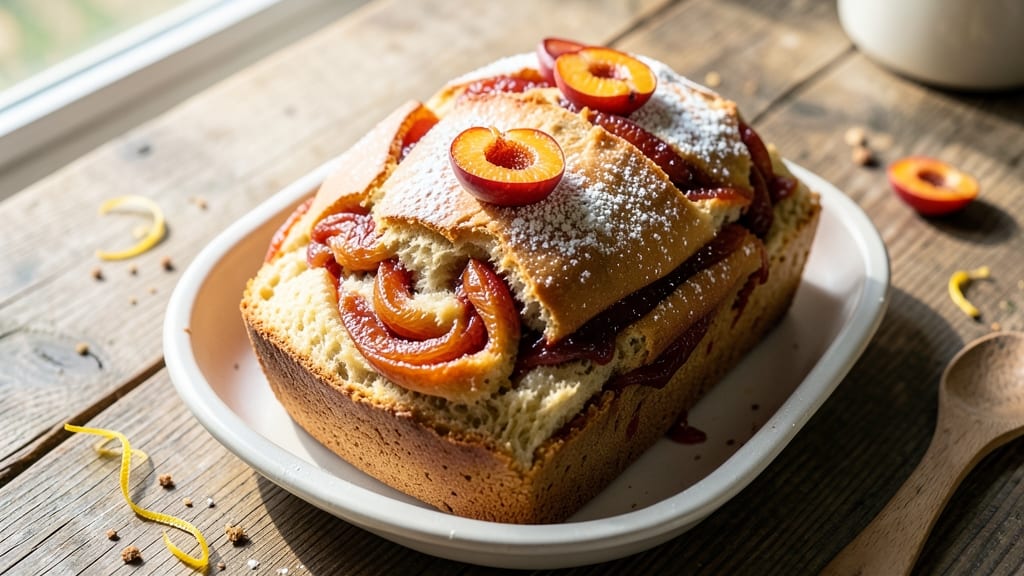
This apricot bread machine recipe transforms simple ingredients into a golden, fragrant loaf with tender crumb and bursts of jammy apricot swirls—all with minimal effort.
The beauty of using a bread machine lies in its precision: no guesswork about kneading or proofing times, just set it and let the machine handle the rest.
I’ve perfected this recipe through years of testing, ensuring the dough stays soft yet sturdy enough to hold those sweet apricot pockets without leaking.
The secret to success is in the dough consistency—just slightly sticky but not wet—and the timing of adding the apricot preserves. Too early, and they’ll sink; too late, and they won’t integrate properly.
This recipe balances buttery richness with the natural sweetness of apricots, creating a crust that’s crisp enough to hold a knife yet tender enough to melt in your mouth.
The bread machine does all the heavy lifting, while you focus on the simple joy of preparing something that smells like a bakery.
By the time your bread machine chimes its final alert, you’ll have a loaf with a caramelized crust, a crumb that’s soft yet structured, and pockets of apricot jam that add bursts of fruity flavor with every bite.
It’s the kind of bread that disappears faster than you can slice it—perfect for breakfast, afternoon tea, or as a sweet companion to cheese boards. The best part? No special skills required, just a few pantry staples and the patience to let the machine work its magic.
For those who love texture, I’ll share a variation with toasted almonds pressed into the dough before the final rise, adding a delightful crunch. Whether you’re a bread machine novice or a seasoned user, this recipe delivers foolproof results that taste like they came from a bakery.
Let’s get started—your kitchen will soon be filled with the irresistible aroma of freshly baked apricot bread.
Ingredients for apricot bread recipe for bread machine
Eight simple ingredients plus apricot jam transform into a fragrant, golden loaf with pockets of sweet fruit.
| Ingredient | Amount | Notes |
|---|---|---|
| All-Purpose Flour 🌾 | 4 cups | Unbleached preferred for softness |
| Granulated Sugar 🍚 | ¾ cup | White or light brown |
| Unsalted Butter 🧈 | ½ cup | Cold, cubed for machine |
| Large Eggs 🥚 | 2 whole | Room temperature for even mixing |
| Milk 🥛 | 1 cup | Whole milk for richness |
| Active Dry Yeast 🍞 | ½ tsp | Ensure not expired |
| Salt 🧂 | ½ tsp | Kosher or sea salt |
| Apricot Preserves 🍑 | ½ cup | Unsweetened for balance |
| Vanilla Extract 🌸 | 1 tsp | Pure vanilla for flavor |
| Toasted Sliced Almonds 🥜 | ¼ cup | Optional for crunch |
| Granulated Sugar 🍚 | 1 tbsp | For sprinkling on top |
The flour is non-negotiable here—King Arthur or Bob’s Red Mill are my go-tos for consistent results. The butter needs to be cold when you add it to the machine (cube it and pop it in the freezer for 10 minutes if it’s soft). Apricot preserves are the star, so grab the unsweetened kind at Trader Joe’s or Whole Foods—they’ve got the best quality. The yeast should be fresh, so check the expiration date. If it’s been sitting in your pantry for months, toss it and start fresh. For the almonds, toast them in a dry skillet for 2-3 minutes until fragrant—they add a lovely crunch that balances the soft bread.
No apricot preserves? Peach or plum jam works just as well, though the flavor will differ slightly. Running low on butter? Coconut oil is a decent substitute, though it’ll give a slightly different texture. The vanilla extract can be swapped for vanilla bean paste if you’re feeling fancy. If you’re in a pinch, even vanilla sugar (1 tbsp) will add a hint of flavor. For the almonds, if you can’t find sliced, whole almonds chopped roughly will work too. The sugar can be swapped for turbinado or brown sugar if you prefer a deeper caramel note in the crust.
Store any leftovers in an airtight container at room temperature for up to 3 days, or freeze for 3 months by wrapping tightly in plastic. The bread reheats beautifully—just pop slices in the toaster for 1-2 minutes. For extra freshness, brush the cooled loaf with a little melted butter before serving. This bread freezes well too, so make a double batch if you’re planning ahead. Just thaw at room temperature before slicing.
Why You'll Love This Recipe
- Bread Machine Magic: I swear, the bread machine does all the heavy lifting—just toss in the dough, press start, and walk away. No kneading, no guesswork, just warm, golden loaves waiting for you.
- Sweet Butter Bliss: That rich, creamy butter folded into the dough? It’s what makes this bread ridiculously tender. Plus, the caramelized apricots add just enough natural sweetness to feel indulgent without tasting like dessert.
- Weekday Hero: Between us, this is my go-to for breakfast or snacks—slice it fresh, or toast it later. Honestly, I’ve had it cold with jam, warmed with butter, and even crumbled over yogurt. It’s that versatile.
- Stretches Every Dollar: A single loaf costs less than store-bought, and it keeps for days (if it lasts that long). The sugar and butter make it feel special, but the flour and milk keep it budget-friendly—no guilt, just satisfaction.
Step-by-step instructions for apricot bread machine recipe
Your bread machine will handle the hard work while you focus on creating sweet, fruity swirls.
Prepare the Apricot Filling
In a small bowl, mix the 0.5 cup apricot preserves with 1 teaspoon vanilla extract until smooth. This creates a rich, fruity center that will burst with flavor when baked. The preserves should be fully blended with no lumps remaining—this ensures even distribution throughout the dough.
Set this mixture aside while you prepare the dough. If the preserves are very thick, you can gently warm them in the microwave for 10-15 seconds to make them easier to incorporate later. Just be careful not to overheat them, as they should still be cool enough to handle when you're ready to use.
Combine Wet Ingredients
In a separate bowl, whisk together the 1 cup milk, 2 whole large eggs, and 0.75 cup granulated sugar until fully combined. This mixture should be smooth with no visible streaks of egg or sugar. The eggs should be at room temperature for even incorporation into the dough.
Next, add the 0.5 cup unsalted butter (cold, cubed) to the wet ingredients. Let the butter soften slightly in the warm milk mixture for about 2 minutes before proceeding. This helps create a tender crumb in the finished bread. The butter should blend smoothly but still retain some texture.
Mix the Dough in the Bread Machine
In your bread machine pan, combine the 4 cups all-purpose flour, 0.5 teaspoon active dry yeast, and 0.5 teaspoon salt. Make a well in the center and pour in the wet ingredients. Using a wooden spoon, gently mix everything together until just combined—you don't want to overwork the dough at this stage.
Add the prepared apricot mixture to the center of the dough. Gently fold it in using a spatula, being careful not to break the dough apart. This creates pockets of fruity filling throughout the bread. The dough will look shaggy at this point, but that's normal—the machine will handle the kneading.
Set the Bread Machine and Add Toppings
Select the "Basic White Bread" setting on your bread machine and start the cycle. Once the machine begins kneading, sprinkle the 0.25 cup toasted sliced almonds evenly over the top of the dough. This adds a delightful crunch that contrasts beautifully with the soft bread.
After the kneading phase completes, use a spoon to create gentle swirls in the dough, incorporating more of the apricot filling into the surface. Then, sprinkle the remaining 1 tablespoon granulated sugar evenly over the top. The sugar will caramelize slightly during baking, creating a beautiful golden crust.
Bake and Enjoy
Let the bread machine complete its cycle, which should take about 2 to 2.5 hours depending on your specific model. When the bread is done, remove it from the pan immediately and place it on a wire rack to cool for at least 30 minutes before slicing.
The bread should have a golden-brown crust with visible swirls of apricot filling throughout. Each slice should be soft and moist with pockets of sweet apricot jam. For the best experience, serve warm with a pat of butter or a drizzle of honey to complement the natural sweetness of the apricots.
Pro Tips For Making Apricot Bread Recipe For Bread Machine
- SOFTEN BUTTER FIRST: Take your unsalted butter straight from the fridge and cut it into small cubes—don’t melt it. The bread machine will handle the warmth, and cold cubes blend better into the dough without turning it greasy. I learned this the hard way after making a sticky mess that refused to knead properly.
- CHOP APRICOTS SMALL: If your recipe calls for fresh apricots, dice them into ¼-inch pieces—not slices. Larger chunks sink unevenly during baking, leaving some dry or undercooked while others turn mushy. (Yes, even if you’re impatient like me, this makes a real difference.)
- USE WARM MILK: Heat your milk to about 100°F (just warm to the touch) before adding it to the bread machine. Cold milk slows yeast activation, and your loaf might end up dense. I skip this when I’m lazy, but the dish is noticeably better when I don’t.
- DON’T OVERLOAD THE PAN: Fill the bread pan only ⅔ full—apricot bread expands more than you’d think. Overfilling causes spillage, and the loaf might collapse under its own weight. Trust the process, even if it looks underfilled.
Health benefits of these flavors
Natural Sweetness Boost
This apricot bread delivers a natural energy lift thanks to its fiber-rich whole grains (if using whole wheat flour) and complex carbohydrates from the apricot preserves. A single slice provides about 15% of your daily fiber needs, helping stabilize blood sugar levels better than refined white bread.
The apricots themselves are packed with vitamin A (great for eye health) and vitamin C to support immunity. 💪
Protein for Satisfaction
While not a high-protein bread, this recipe includes eggs and milk that contribute 5-6 grams of protein per serving. The toasted almonds add an extra 3 grams of plant-based protein per slice, making it more filling than standard sweet breads.
Perfect for breakfast when paired with Greek yogurt or cottage cheese for an extra protein boost.
Antioxidant-Rich Apricots
The star ingredient—apricot preserves—brings polyphenols and beta-carotene, powerful antioxidants that combat oxidative stress. Studies show these compounds may reduce inflammation and support heart health. Using unsweetened preserves maximizes these benefits while keeping sugar in check. 🍑
Healthy Fat Balance
The butter and almonds provide monounsaturated fats, which support brain function and heart health. Unlike saturated fats, these healthy fats help reduce LDL ("bad") cholesterol when consumed in moderation. The bread's moderate fat content (about 5 grams per slice) makes it a more balanced choice than pastries.
Low-Glycemic Option
When using whole wheat flour (or even half whole wheat), this bread has a lower glycemic index than white bread, helping prevent blood sugar spikes. The fiber and protein combo slows digestion, making it ideal for diabetics or anyone watching blood sugar levels.
Pair with walnuts for extra omega-3s to further improve metabolic response.
Vitamin Boost from Milk
The whole milk in this recipe adds calcium (10% DV per slice) and vitamin D, both essential for bone health. While not a dairy-focused bread, this small addition makes it a better source of these nutrients than most sweet breads.
For a dairy-free version, substitute with unsweetened almond milk (though texture may vary slightly).
Nutrition facts
Frequently asked questions
Can I use fresh apricots instead of preserves in this bread machine recipe?
Fresh apricots won't work well in this recipe because they release too much moisture, making the dough too wet for proper kneading. However, you can make a quick apricot compote by simmering 1 cup chopped fresh apricots with 1 tablespoon sugar and 1 teaspoon lemon juice for 5 minutes until softened. Let it cool before adding to the dough. The texture will be slightly different but still delicious!
Why did my apricot bread turn out dense instead of light and fluffy?
Dense bread usually happens when the dough is overmixed or the yeast isn't active. First, check if your yeast was fresh—it should foam when mixed with warm water. Also, ensure you're using the correct flour-to-liquid ratio; too much milk or butter can make the dough too rich. Try reducing the butter by 1 tablespoon and adding 1 tablespoon more flour next time. Let the dough rise in a warm spot (like a turned-off oven with a light on) for better yeast activation.
Can I make this apricot bread without a bread machine?
Mix the dough by hand, then let it rise for 1-1.5 hours until doubled. Shape it into a loaf, place in a greased 9x5-inch loaf pan, and let rise another 30-45 minutes. Bake at 350°F for 30-35 minutes until golden. The texture will be slightly denser than machine-made bread, but still delicious. For extra flavor, brush the crust with melted butter after baking.
How do I store apricot bread to keep it fresh?
Store at room temperature in an airtight container for up to 3 days—it's best enjoyed fresh! For longer storage, freeze the bread (unsliced) for up to 3 months. To reheat, wrap slices in a damp paper towel and warm in the microwave for 10-15 seconds or toast in a toaster. The bread freezes beautifully and reheats almost as good as fresh!
Can I add other fruits to this recipe?
Yes! Try peaches, plums, or blueberries for a different flavor twist. Use the same amount (0.5 cup) and adjust sweetness—peaches and plums need extra sugar (add 1 tablespoon to the dough). Blueberries should be tossed in 1 teaspoon flour first to prevent sinking. For tropical flavors, swap apricots for mango or pineapple (reduce to 0.3 cup due to higher moisture).