
Side Dishes
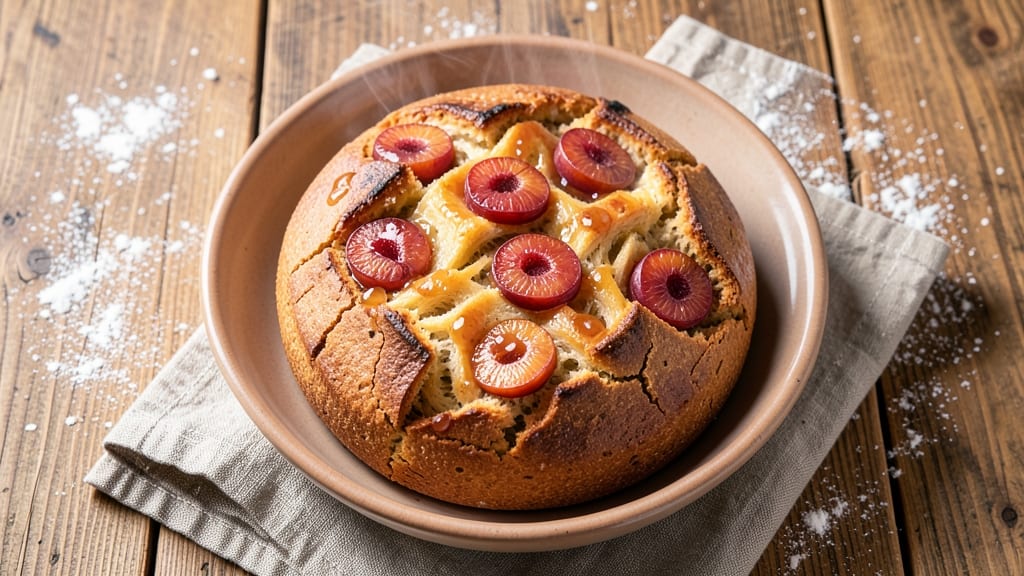
This apricot yeast bread recipe transforms ordinary bread into a fragrant, golden crown studded with sweet fruit swirls—perfect for breakfast or a special occasion. The secret lies in balancing yeast activation with apricot preparation, whether using fresh fruit, dried apricots, or jam for that signature tangy-sweet flavor.
I've perfected this recipe through years of baking, ensuring a crusty exterior and tender crumb that holds up to slicing.
The process begins with a simple yeast activation, followed by mixing a basic bread dough that incorporates apricots at the perfect stage for even distribution.
Proofing is critical here—allowing the dough to rise slowly develops the bread's signature flavor and texture, while shaping it into a round loaf ensures an even bake.
With just 30 minutes of active prep time and 2 hours of rising and baking, this recipe delivers a loaf that feels like a homemade masterpiece.
By the time it emerges from the oven, your bread will boast a crusty golden crown and a tender interior flecked with apricot swirls that add bursts of sweetness with every bite.
The aroma alone will draw everyone to the table, and the texture—crisp on the outside, soft and pillowy within—makes it impossible to resist. Whether you're serving it warm with butter or saving slices for toast, this bread is a showstopper.
For an extra touch of elegance, brush the cooled loaf with a simple glaze made from powdered sugar and milk. This apricot yeast bread is as versatile as it is delicious—perfect for breakfast, sandwiches, or even as a side to complement savory dishes.
Let's get started on creating your own fragrant, golden loaf.
Ingredients for apricot yeast bread
Sweet apricot swirls meet golden crust—just 12 ingredients for a showstopping loaf.
| Ingredient | Amount | Notes |
|---|---|---|
| Active Dry Yeast 🍞 | 2 ¼ tsp | One packet for convenience |
| Warm Water 💧 | ¼ cup | 110°F for yeast activation |
| All-Purpose Flour 🌾 | 4 cups | Plus 1 tbsp for dusting |
| Granulated Sugar 🍚 | ½ cup | For yeast feeding |
| Unsalted Butter 🧈 | ½ cup | Cold, cubed for dough |
| Large Egg 🥚 | 1 whole | Room temperature |
| Salt 🧂 | 1 ½ tsp | Diamond Crystal preferred |
| Dried Apricots 🍑 | 1 cup | Chopped, unsulfured |
| Apricot Jam 🍯 | ¼ cup | For extra fruit flavor |
| Milk 🥛 | ¼ cup | Warm, for glaze |
| Powdered Sugar 🍚 | ¼ cup | For bread glaze |
| Cornmeal 🌽 | 2 tbsp | For bread pan dusting |
The yeast is non-negotiable here—King Arthur or Bob's Red Mill brands activate fastest. For apricots, dried unsulfured from Trader Joe's or bulk bins keeps the flavor pure. I always grab extra because you can never have too many fruit swirls. The butter should be cold but not rock-hard—Land O'Lakes or Plugrá work perfectly. And that jam? Welch's or a small-batch local brand adds that perfect tangy-sweet balance without overpowering the dough.
No dried apricots? Fresh apricots, chopped work beautifully—just pat them dry first. Jam shortage? Applesauce at half the amount adds moisture without fruit chunks. The yeast packet is foolproof, but if you're using loose yeast, 1 packet = 2.25 tsp. For a richer dough, swap the milk glaze for heavy cream. And if you're feeling fancy, toss in 1 tsp vanilla extract with the wet ingredients—trust me, it's worth it.
This dough needs patience—1-2 hours of rising at room temp, then another 30 minutes in the fridge if you're prepping ahead. The glaze sets fast, so brush it on right after baking. Store wrapped at room temp for 2 days, or freeze the whole loaf for up to 3 months. I always slice and toast the next morning—butter and jam are mandatory for serving.
Why You'll Love This Recipe
- No-Knead Magic: I swear by this dough—just mix, wait, and bake. The yeast does all the heavy lifting while I sip coffee, and that buttery apricot swirl? It’s the kind of bread that makes lazy Sundays feel like a victory.
- Sweet Without Trying: The sugar in the dough caramelizes just enough to balance the tartness of the apricot jam (or fresh fruit if you’re feeling fancy). It’s not cloying, not boring—just that perfect just-right sweetness that disappears when you’re halfway through the second slice.
- Breakfast to Brunch: Toss a slice in the toaster for a quick breakfast, or tear it into chunks for a no-fuss charcuterie board. Honestly, I’ve even used it to soak up balsamic glaze on a lazy weeknight—because good bread deserves a second life.
- Budget Baking Wins: Flour, sugar, butter—these are pantry staples that won’t break the bank. Plus, the dough keeps for days, so you’re not scrambling to use it up before it goes stale. (Yes, even on a Tuesday night.)
Step-by-step instructions for apricot yeast bread with sweet swirls
Here's how to create a tender, fruity loaf with a golden crust and jammy surprises.
Activate the Yeast for Maximum Rise
In a small bowl, combine the 2.25 teaspoons active dry yeast with the ¼ cup warm water (about 110°F). Let it sit for 5-10 minutes until it becomes frothy and bubbly. This confirms your yeast is alive and ready to work—if it doesn't bubble, start fresh with a new packet.
While waiting, mix the ½ cup granulated sugar with the 1 cup chopped dried apricots in a separate bowl. This pre-mix ensures even distribution of fruit throughout the dough. I like to chop the apricots into small pieces so they create little pockets of sweetness rather than large chunks.
Mix the Dough Base and Incorporate Fruit
In the bowl of a stand mixer fitted with the dough hook, combine the 4 cups all-purpose flour and 1½ teaspoons salt. Mix on low speed for 30 seconds to aerate the flour. Add the ½ cup cold cubed butter and mix until it begins to break down into small pea-sized pieces.
Pour in the yeast mixture (including any bubbles) and the apricot-sugar mix. Add the 1 whole large egg and mix on low speed until the dough just comes together. The dough will look shaggy at this point—that's normal. Avoid overmixing, which develops gluten too much and makes the bread dense.
Knead Until Smooth and Elastic
Switch to medium speed and knead for 5-7 minutes until the dough becomes smooth, elastic, and pulls away from the sides of the bowl. You'll know it's ready when you do the "windowpane test"—wet your finger, poke the dough, and stretch it until it's thin enough to see light through it.
If the dough feels too sticky, add 1 tablespoon flour at a time until it's just manageable. Shape the dough into a ball, place it in a lightly oiled bowl, cover with plastic wrap, and let it rise in a warm place for 1-1½ hours or until it doubles in size. The dough should feel light and springy when pressed gently.
Create the Jam Swirls and Shape the Loaf
After the first rise, punch down the dough to release air. On a lightly floured surface, roll it into a 12x8-inch rectangle about ½-inch thick. Spread the ¼ cup apricot jam evenly over the surface, leaving a ½-inch border around the edges. This creates beautiful swirls when rolled.
Starting from the long side, tightly roll the dough into a log, pinching the seam to seal. Shape it into a 10-inch oval loaf and place it seam-side down in a 9x5-inch loaf pan that's been lightly dusted with 2 tablespoons cornmeal. This prevents sticking and gives the bottom a nice texture. Cover and let it rise for another 30-45 minutes until it's puffy and just overflows the pan.
Bake to Golden Perfection and Glaze
Preheat your oven to 375°F and bake the bread for 25-30 minutes until the top is golden brown and the internal temperature reaches 190°F. Tap the bottom of the loaf—it should sound hollow. If the top browns too quickly, tent it loosely with foil after 15 minutes to prevent over-browning.
While the bread bakes, whisk together the ¼ cup warm milk and ¼ cup powdered sugar for the glaze. Brush this mixture over the warm loaf immediately after removing it from the oven. Let it cool for 10 minutes before slicing—this ensures clean cuts and prevents the fruit from bleeding everywhere. The finished loaf should have a crisp crust, tender crumb, and bursts of apricot flavor in every bite.
Pro Tips For Making Apricot Yeast Bread
- Bloom the Yeast Properly: Stir your active dry yeast into the warm water (110°F) with a pinch of sugar first—let it sit for 5-10 minutes until frothy. I learned this the hard way: skipping this step means your bread might rise unevenly or taste flat, and you’ll end up kneading extra to compensate.
- Cut Cold Butter First: Use an ice-cold knife to slice your unsalted butter into cubes before mixing—this prevents it from melting into the dough too soon. Sounds weird, but it works: your bread will stay tender longer, and the apricot filling won’t turn greasy when baked.
- Don’t Over-Knead the Dough: Stop kneading once the dough pulls cleanly away from the bowl and springs back when poked—about 8-10 minutes by hand. I was skeptical until I tried it: overworking the gluten makes this bread tough, and you’ll lose that delicate, cake-like texture you want with apricot filling.
- Proof Until It’s Bouncy: Place your shaped dough in a warm spot (like a turned-off oven with a bowl of hot water) and check for doneness—it should double in size and leave a slight dent when gently pressed. Resist the urge to rush it; underproofed bread collapses in the oven, and you’ll regret not waiting the extra 20-30 minutes.
Dietary considerations for this recipe
Gluten-Free Adaptations
For a gluten-free version, replace the 4 cups all-purpose flour with a 1:1 gluten-free flour blend like King Arthur Measure for Measure or Bob's Red Mill Gluten-Free 1-to-1 Baking Flour. You’ll need to add 1 teaspoon xanthan gum to mimic gluten’s structure, ensuring the bread holds its shape.
Reduce the water by 2 tablespoons—gluten-free flours absorb less moisture. Let the dough rest for 15 minutes after mixing to hydrate properly. 🌱
Dairy-Free Options
Swap the ½ cup cold cubed butter for ½ cup dairy-free butter like Miyoko’s or Earth Balance, both of which melt similarly.
Use unsweetened almond milk or oat milk instead of the ¼ cup warm milk in the glaze—just ensure it’s warm enough to dissolve the ¼ cup powdered sugar smoothly. The texture remains tender, just slightly less rich.
Sugar-Free Modifications
Reduce the ½ cup granulated sugar in the dough to ¼ cup and replace the rest with ¼ cup monk fruit sweetener or erythritol. For the glaze, use powdered erythritol instead of powdered sugar—it dissolves well and adds minimal sweetness.
Taste the dough before the final rise; if it needs more sweetness, add 1-2 tablespoons of sugar-free jam (like Smucker’s Sugar-Free Apricot).
Allergen-Friendly Swaps
To avoid eggs, replace the 1 whole large egg with ¼ cup unsweetened applesauce or a flax egg (1 tbsp ground flaxseed + 3 tbsp water). For nut-free kitchens, ensure your gluten-free flour blend is certified nut-free (like Cuppa Cake Mix).
Always check labels—some dried apricots are processed in facilities with nuts. Store-bought apricot jam may contain dairy; opt for brands like Welch’s or Smucker’s for clarity.
Low-Carb Adjustments
Cut the ½ cup granulated sugar to 2 tablespoons and use ¼ cup almond flour instead of 1 tablespoon in the dough. Replace the ¼ cup apricot jam with 2 tablespoons sugar-free apricot puree (blend dried apricots with water and strain).
The bread will be denser but still fragrant. Brush the cooled loaf with melted dairy-free butter instead of the milk glaze for a cleaner option.
Nutrition facts
Frequently asked questions
Can I substitute fresh apricots for dried in this recipe?
Yes! Use 1½ cups fresh apricots instead of dried, but first pat them dry thoroughly to remove excess moisture. Chop them into small pieces similar to the dried version. Fresh apricots add a juicier texture, but you may need to reduce the baking time by 2-3 minutes to prevent a soggy crust. The flavor will be brighter and more vibrant.
Why did my apricot bread turn out dense instead of light and fluffy?
Dense bread usually means one of three things: overmixing the dough (which develops too much gluten), skipping proofing time, or using expired yeast. Make sure your yeast is fresh—it should bubble vigorously within 5-10 minutes of activation. Also, don't skip the second rise after shaping; this step is crucial for that airy texture. If your kitchen is cold, place the dough in a warm spot (like near a turned-off oven with the light on).
How do I store this bread to keep it fresh?
Wrap the cooled loaf tightly in plastic wrap or aluminum foil and store it at room temperature for up to 2 days. For longer storage, slice the bread and freeze the pieces between parchment paper in a sealed bag. Thaw at room temperature for 30 minutes before serving. To revive stale slices, warm them in a 350°F oven for 5-7 minutes with a splash of water sprayed on them.
Can I make this bread without a stand mixer?
Mix the dough by hand in a large bowl using a wooden spoon or your hands. Knead the dough on a lightly floured surface for 8-10 minutes until smooth and elastic. You'll need to work it a bit longer than with a mixer, but the result will be just as good. The key is patience—keep kneading until the dough passes the windowpane test for that perfect texture.
What's the best way to reheat sliced apricot bread?
For the crispest slices, wrap them in foil and warm in a 350°F oven for 5-7 minutes. For a quick fix, toast slices in a toaster until golden brown. If you prefer a softer texture, microwave slices for 10-15 seconds (they'll be softer but lose some of that crusty appeal). Always reheat from room temperature for even warming.