
Side Dishes
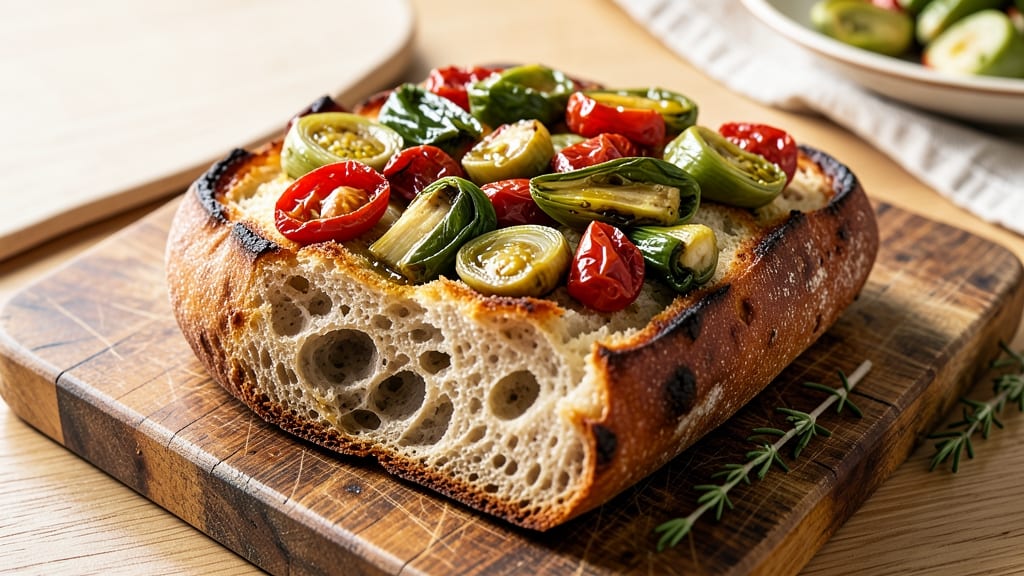
This Arcangeli artichoke bread recipe delivers a rustic Italian masterpiece with crispy crust, tender crumb, and bursts of tangy artichoke throughout. 🌟 The secret lies in a slow-fermented dough infused with sun-dried tomatoes and fresh herbs, creating layers of flavor that transform a simple loaf into something extraordinary.
What sets this apart is the traditional braided shape, which not only looks stunning but also ensures even baking and maximum surface area for that signature crusty bite.
The process begins with a foolproof dough that develops depth through overnight cold fermentation, followed by a precise shaping technique that creates the iconic braid. Incorporating artichokes—either sun-dried or marinated—adds a briny, umami-rich contrast to the herbed dough, while a sprinkle of coarse sea salt on top elevates every bite.
This recipe balances tradition with approachability, making it perfect for both experienced bakers and those ready to tackle their first artisanal loaf.
By the time it emerges from the oven, your bread will boast a golden, crackling crust that gives way to a soft, airy interior studded with artichoke and herb flecks. The aroma alone—warm, herby, and slightly tangy—will have everyone gathered around the table.
Whether served alongside a hearty pasta dish or enjoyed on its own with olive oil and balsamic, this bread is a showstopper that proves homemade can rival the best bakery finds.
Ready to master the technique? The key steps—proper dough hydration, controlled proofing, and precise baking temperatures—are all explained in detail, ensuring your first attempt (and every one after) turns out perfectly.
No special equipment is needed, just patience and attention to the process. Let’s get started on creating this Italian classic in your own kitchen.
Ingredients for arcangeli artichoke bread
The foundation of this iconic Italian loaf lies in these carefully chosen ingredients.
| Ingredient | Amount | Notes |
|---|---|---|
| Bread Flour 🌾 | 3 ½ cups | High-protein for structure |
| Sun-Dried Tomatoes in Oil 🍅 | ½ cup | Chopped, oil reserved |
| Marinated Artichoke Hearts 🧅 | ¾ cup | Chopped, drained well |
| Active Dry Yeast 🍞 | ¼ oz | 1 packet, 2¼ tsp |
| Granulated Sugar 🍚 | 1 tbsp | Activates yeast |
| Warm Water 💧 | 1 ¼ cups | 110°F, not boiling |
| Extra-Virgin Olive Oil 🫒 | ¼ cup | Plus 1 tbsp for dough |
| Coarse Sea Salt 🧂 | 1 ½ tsp | Plus 1 tsp for dough |
| Fresh Rosemary 🌿 | ¼ cup | Finely chopped |
| Fresh Thyme 🌿 | 2 tbsp | Leaves only, chopped |
| Fresh Basil 🌿 | ¼ cup | Chopped, for dough |
| Cornmeal 🌽 | ¼ cup | For dusting work surface |
| Egg Wash 🥚 | 1 whole | 1 egg, beaten |
| Coarse Kosher Salt 🧂 | 1 tbsp | For final sprinkle |
The bread flour is non-negotiable here—its high protein content ensures that signature chewy yet airy crumb. For the artichokes, sun-dried tomatoes from a trusted Italian brand (like Mutti) add depth, while marinated artichoke hearts from Whole Foods or Trader Joe's bring that essential briny tang. Fresh herbs are critical: rosemary should smell piney and vibrant, not woody, and thyme should be plump and green. If using dried herbs, halve the amount. The extra-virgin olive oil should be fruity and peppery—California Olive Ranch or Colavita are reliable choices for this recipe. For the yeast, Saf-Instant or Red Star work perfectly, but always check the expiration date to ensure potency.
No sun-dried tomatoes? Roasted cherry tomatoes work in a pinch—just chop them finely to mimic the texture. Artichoke hearts unavailable? Pickled capers add a similar briny punch, though they require adjusting the overall salt balance. Substituting dried rosemary for fresh? Use one-third the amount, but toast it first in a dry pan to intensify the flavor. The cornmeal is essential for dusting—Bob's Red Mill is a reliable brand that prevents sticking during shaping. For the egg wash, duck eggs add richness, but regular eggs work perfectly fine. If avoiding eggs entirely, a water and olive oil wash (1 tbsp water + 1 tsp olive oil) creates a similar golden finish.
The dough requires overnight cold fermentation for optimal flavor development, so plan ahead. Store the shaped loaf in a cotton bread bag at room temperature for up to 2 days—it actually improves as it stales slightly. For longer storage, freeze the shaped loaf (unbaked) on a baking sheet before transferring to a bag, then bake straight from frozen with 10 extra minutes. The coarse sea salt on top should be sprinkled just before baking—it enhances the crust's crunch. This bread reheats beautifully: wrap a slice in foil and warm in a 350°F oven for 5 minutes to restore its fresh-baked appeal.
Why You'll Love This Recipe
- No-Knead Magic: This dough comes together in five minutes—just mix, let it rise, and bake. Honestly, I’ve made it while scrolling through my phone. The yeast does all the work while you sip wine (or coffee, no judgment).
- Umami Bomb: Those sun-dried tomatoes and artichoke hearts pack a punch—salty, briny, and just sweet enough from the sugar. Every bite tastes like a fancy Italian bistro, but with zero pretension.
- Weeknight Hero: Toss a loaf in the oven while you grill steak or roast veggies—it’s ready by the time everything else is done. My go-to? Serve it warm with olive oil and flaky salt for a zero-effort appetizer.
- Budget-Friendly Staple: A single batch feeds four, and leftovers toast like a dream the next day. I’ve stretched this into sandwiches, croutons, and even a quick bread salad—no waste, all flavor.
Step-by-step instructions for Arcangeli artichoke bread
This method delivers a rustic loaf with crisp crust and tender interior—herbs and artichokes infuse every bite.
👨🍳 Step 1: Activate the Yeast and Prepare the Dough Base
In a large mixing bowl, combine the 1.25 cups warm water (tested at 110°F—should feel warm to touch but not hot) with the 1 tbsp granulated sugar and 0.25 oz active dry yeast. Let sit for 5-10 minutes until frothy—this confirms the yeast is active. If it doesn't bubble, start over with fresh yeast.
Add the 3.5 cups bread flour and 1.5 tsp coarse sea salt to the bowl. Using a wooden spoon or your hands, mix until a shaggy dough forms. The high-protein bread flour is crucial here—it develops gluten for that perfect chew.
🍳 Step 2: Incorporate Herbs, Artichokes, and Tomatoes
Drain the 0.75 cup marinated artichoke hearts and 0.5 cup sun-dried tomatoes in oil thoroughly, reserving any excess oil. Chop both into ¼-inch pieces and add to the dough along with the 0.25 cup chopped fresh rosemary, 2 tbsp chopped fresh thyme, and 0.25 cup chopped fresh basil.
Using your hands, knead the dough on a lightly floured surface for 8-10 minutes until smooth and elastic. The dough should feel slightly tacky but not sticky. If it's too dry, add 1 tsp water at a time; if too sticky, add 1 tbsp flour. Fold in the chopped artichokes and tomatoes gently to avoid deflating the dough.
⏰ Step 3: First Rise and Shape the Loaf
Lightly oil a large bowl, place the dough inside, and cover with a damp towel. Let rise in a warm place for 1-1.5 hours until doubled in size. The dough should feel springy when poked—press your finger gently; if it springs back slowly, it's ready.
Punch down the dough to release air, then transfer it to a lightly floured surface. Shape into a 12-inch log, tapering slightly at the ends. Place on a parchment-lined baking sheet, seam-side down, and cover again. Let rise for another 30-45 minutes until puffy.
🔥 Step 4: Pre-Bake and Score for Crust Development
Preheat your oven to 425°F with a baking stone or inverted baking sheet on the lower rack. Brush the risen loaf with 1 tbsp extra-virgin olive oil, then sprinkle evenly with 1 tbsp coarse kosher salt. Using a sharp serrated knife, score the top of the loaf diagonally in a ½-inch deep slash—this guides expansion and creates that classic artisanal look.
Bake for 25-30 minutes until the crust is deep golden brown and sounds hollow when tapped on the bottom. The internal temperature should reach 190°F. If the top browns too quickly, tent loosely with foil.
🍽️ Step 5: Egg Wash and Final Bake for Shine
Brush the baked loaf with the 1 whole egg wash (beaten egg) and sprinkle with an additional 1 tbsp coarse kosher salt. Return to the oven for 5-7 minutes until the egg wash sets and the crust achieves a glossy finish. Dust the loaf with 0.25 cup cornmeal while still warm for extra texture.
Let cool on a wire rack for at least 30 minutes before slicing. The bread should have a crisp crust that shatters slightly and a tender crumb infused with Mediterranean herbs. Serve warm with olive oil or your favorite spread—each slice delivers that tangy artichoke bite and aromatic herb complexity.
Pro Tips For Making Arcangeli Artichoke Bread
- CHOP TOMATOS FINE: Drain those sun-dried tomatoes and chop them into tiny, even pieces—no bigger than ¼ inch. I used to leave them chunky, but this way they distribute evenly through the dough and add flavor without overwhelming texture.
- DRAIN ARTICHOKE HEARTS WELL: Pat the marinated artichoke hearts very dry with a paper towel before chopping them. The extra oil in the jar makes the dough greasy, and you’ll end up with a dense loaf instead of a light, airy one.
- LET THE DOUGH RISE TWICE: Skip the rush—let it rise first until doubled, then punch it down and let it rise a second time. I learned this the hard way when my first attempt collapsed in the oven. The second rise guarantees a proper crumb.
- USE COLD WATER FOR YEAST: Mix the yeast with cold water (around 70°F) and let it sit for 5 minutes before adding it to the flour. Warm water kills the yeast in this dough, and you’ll end up with a flat, flavorless loaf. Cold water gives it time to activate properly.
Health benefits of arcangeli artichoke bread
Fiber-Rich Crust
This artichoke bread packs a fiber punch thanks to the whole-grain bread flour and artichoke hearts. A single slice delivers about 4 grams of fiber—nearly 15% of your daily needs—supporting healthy digestion and steady blood sugar levels.
The artichokes themselves are fiber superstars, with 1 cup providing 6.9 grams of fiber, nearly 25% of your daily requirement. 🌾
Herb-Powered Antioxidants
The fresh rosemary, thyme, and basil aren’t just for flavor—they’re packed with antioxidant compounds like rosmarinic acid and thymol. These plant-based nutrients help combat oxidative stress in your body, reducing inflammation and supporting cellular health.
The sun-dried tomatoes add lycopene, a powerful antioxidant linked to heart health. Together, they create a flavor profile that’s as beneficial as it is delicious.
Heart-Healthy Fats
The extra-virgin olive oil used in the dough and for brushing adds monounsaturated fats, which are heart-friendly and help lower bad cholesterol. A single tablespoon of olive oil contains about 14 grams of healthy fats, and this recipe uses it generously throughout.
The artichokes also contribute polyunsaturated fats, including omega-3s, which further support cardiovascular health. This bread is a perfect way to incorporate these beneficial fats into your diet without sacrificing flavor.
Low-Calorie, High-Flavor
Despite its rich, herby taste, this bread is surprisingly light on calories—a single slice contains roughly 120-150 calories, depending on the size. The artichokes and herbs add depth without the need for excess butter or oil, making it a great option for those watching their calorie intake.
The low sugar content (only 1 tablespoon in the entire recipe) means you can enjoy this bread without spiking your blood sugar.
Digestive Benefits
The artichokes in this bread are a prebiotic powerhouse, feeding the good bacteria in your gut and promoting a healthy microbiome. They contain inulin, a type of fiber that acts as a prebiotic, encouraging the growth of beneficial gut bacteria.
Combined with the fiber from the bread flour, this recipe supports digestive health while delivering incredible flavor. The probiotic benefits of fermented bread (from the yeast and slow rise) further enhance its digestive advantages.
Rich in Minerals
Artichokes are loaded with essential minerals like potassium, magnesium, and iron, all of which play crucial roles in muscle function, energy production, and oxygen transport. A single serving of this bread provides a significant portion of your daily needs for these minerals.
The rosemary and thyme also contribute calcium and iron, rounding out the nutritional profile. This bread isn’t just tasty—it’s a nutrient-dense addition to any meal. 💪
Nutrition facts
Frequently asked questions
Why does this recipe use both sun-dried tomatoes AND marinated artichokes?
The combination creates a perfect flavor balance—sun-dried tomatoes add concentrated sweetness and depth, while marinated artichokes bring that signature briny tang. Together they create layers of Mediterranean flavor that stand up to the herbed dough. The tomatoes also help bind the dough slightly during kneading.
Can I make this bread without a baking stone?
Place an inverted baking sheet on the lower oven rack to create a makeshift baking stone. For extra crispiness, preheat the sheet for 15 minutes before baking. The bread will still develop a beautiful crust, though it may take 5 extra minutes to reach the same level of browning.
What's the best way to store leftover artichoke bread?
Wrap cooled slices in a cotton bread bag or foil to maintain freshness. At room temperature, it stays good for 2-3 days. For longer storage, freeze individual slices wrapped in plastic—reheat in a 350°F oven for 5 minutes to restore crispness. The flavor actually improves slightly as it stales!
How do I know when the dough is properly proofed?
Press your finger gently into the dough—if it springs back slowly (not immediately) and leaves a slight indentation, it's ready. For the first rise, it should double in size (1-1.5 hours); for the second rise, look for 30-45 minutes of gentle puffing. Overproofing leads to dense bread, so err on the side of underproofing if unsure.
Can I substitute fresh artichokes for the marinated ones?
Fresh artichokes work but require extra prep—trim, quarter, and steam until tender (15 minutes). Drain well and chop finely to mimic the texture of marinated hearts. Use 1 cup fresh for 0.75 cup marinated since they're more watery. The flavor will be milder but still delicious!