
Desserts
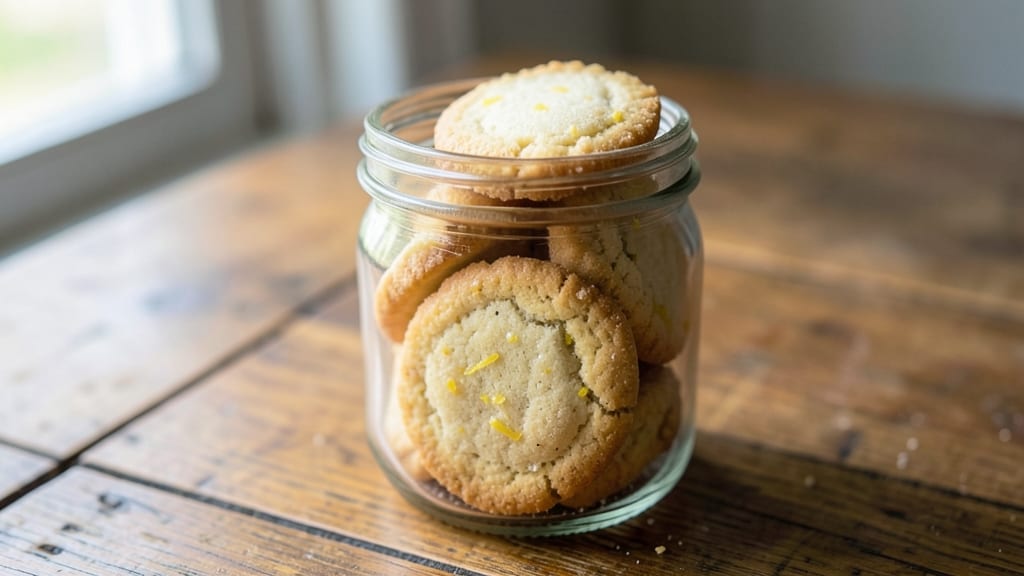
This Argo cornstarch shortbread cookie recipe delivers shatterproof crunch with a buttery, melt-in-your-mouth texture—all in just 10 minutes of active time. The secret lies in Argo cornstarch, a fine, gluten-free starch that creates an ultra-tender crumb while maintaining crisp edges.
Unlike traditional shortbread, these cookies stay perfectly crisp for days, making them ideal for gifting or snacking straight from the oven.
The recipe relies on a foolproof technique: cold butter, minimal mixing, and precise baking to achieve that signature shortbread texture without overbaking. Argo cornstarch’s neutral flavor and fine grain ensure the cookies don’t absorb moisture, so they stay delightfully crumbly rather than cakey.
This method also works beautifully for dietary adjustments—simply swap butter for vegan alternatives to keep the same results.
What sets these apart is the buttery richness paired with a delicate sweetness, thanks to the cornstarch’s ability to distribute flavor evenly. The dough comes together in minutes, and the baking time is short, making this the perfect no-fuss dessert for busy days.
Whether you’re hosting or treating yourself, these cookies deliver restaurant-quality texture with minimal effort.
For extra versatility, try adding citrus zest or vanilla extract to the dough for a subtle flavor twist. Store in an airtight container to preserve that shatterproof crunch for up to a week. Let’s get baking—your taste buds will thank you.
Ingredients for argo cornstarch shortbread cookie
Seven ingredients transform into buttery, shatterproof cookies with Argo cornstarch’s signature crunch.
| Ingredient | Amount | Notes |
|---|---|---|
| Argo Cornstarch 🌾 | 1 cup | Fine, gluten-free, neutral flavor |
| Unsalted Butter 🧈 | 1 lb | Cold, cubed for texture |
| Granulated Sugar 🍚 | ½ cup | Superfine preferred for even texture |
| Vanilla Extract 🍯 | 1 tsp | Pure, high-quality extract |
| Diamond Crystal Kosher Salt 🧂 | ¼ tsp | Fine grain for even distribution |
| Lemon Zest 🍋 | 1 tbsp | Fresh, finely grated |
| All-Purpose Flour 🌾 | ¼ cup | Light, for structural support |
The Argo cornstarch is non-negotiable—its fine, gluten-free texture creates that signature shortbread crunch while preventing moisture absorption. Purchase it from King Arthur Flour or Williams Sonoma for guaranteed quality; avoid generic cornstarch substitutes, as they lack the same fine grain. For butter, Plugrá is my go-to brand—its high fat content ensures maximum richness, but Land O’Lakes works perfectly well for everyday baking. Keep the butter cold (even refrigerated) until ready to mix, as this prevents premature melting and maintains the dough’s structure. The lemon zest should be freshly grated—pre-made zest loses potency quickly, and the bright citrus note elevates the delicate sweetness of the cookies.
No Argo cornstarch? Bob’s Red Mill cornstarch is the closest substitute, though the texture may be slightly less crisp. Running short on butter? Coconut oil (solid, not melted) mimics the fat content, though the flavor will differ subtly. For a refined sugar swap, turbinado sugar adds a pleasant crunch but may require slight adjustments to baking time. The vanilla extract should be pure—imitation extracts contain alcohol and water, which can alter the dough’s consistency. If you’re avoiding gluten, this recipe is already compliant, but for nut-free kitchens, ensure your cornstarch and flour are processed in dedicated facilities. The lemon zest can be omitted entirely if you prefer a more neutral flavor profile, though I’d argue it’s worth the effort for that bright pop.
Store the dough in an airtight container between parchment paper layers for up to 5 days—the cold helps preserve that buttery freshness. Once baked, keep the cookies in a sealed tin at room temperature for 7-10 days, where they’ll maintain their shatterproof crunch. For longer storage, freeze the dough balls (unbaked) for up to 3 months; bake straight from frozen by adding 2-3 minutes to the cooking time. Reheat baked cookies in a 200°F oven for 3-5 minutes to restore crispness if they soften. These cookies are perfect for gifting—package them in cellophane bags tied with ribbon for a restaurant-quality presentation.
Why You'll Love This Recipe
- No-Fuss Magic: I swear by this dough—just mix, shape, and bake. The Argo cornstarch keeps it tender without the fuss of extra steps, and the butter-sugar ratio melts in your mouth like it’s been kissed by vanilla.
- Buttery Vanilla Bliss: That first bite? Pure comfort. The kosher salt cuts through the sweetness just enough, while the vanilla extract (use good stuff—trust me) makes these taste like a hug from a bakery. Not too rich, not too bland—just right.
- Party in a Jar: These keep beautifully in an airtight container for days, so I make a batch and stash them for coffee dates, last-minute gifts, or when my kid’s soccer team needs a snack. They’re sturdy enough to travel but still melt like a dream.
- Budget Baking Win: Unsalted butter and sugar are pantry staples, and a little cornstarch goes a long way. No fancy ingredients, no waste—just reliable cookies that cost pennies but taste like they’re from a gourmet shop. (Yes, even on a Tuesday night.)
Step-by-step instructions for Argo cornstarch shortbread cookies
Here's the method for creating delicate, shatterproof shortbread with a signature crunch.
Cut and Chill the Butter
Using a sharp chef's knife, cut the 1 lb unsalted butter into ½-inch cubes and place them in a large mixing bowl. Refrigerate for 15 minutes to ensure they remain cold throughout mixing. Cold butter creates the signature crumbly texture and prevents overdevelopment of gluten.
While the butter chills, measure out the 1 cup Argo Cornstarch and 0.25 cup all-purpose flour in a separate bowl. The cornstarch is key here—its fine texture and neutral flavor create that signature tender crumb without adding gluten. Sift the dry ingredients together to remove any lumps and ensure even distribution.
Process Butter and Dry Ingredients
Using a stand mixer fitted with the paddle attachment, mix the cold butter cubes on low speed for 2-3 minutes until they begin to break down into small pea-sized pieces. This process is crucial—it creates pockets of butter that melt during baking, leaving behind that signature shatterproof crunch.
With the mixer still running on low speed, gradually add the sifted cornstarch and flour mixture. Mix for an additional 1-2 minutes until the dough just comes together. The mixture should resemble wet sand with visible butter pieces. Avoid overmixing—this develops gluten and creates a dense rather than crumbly cookie.
Incorporate Sweetness and Flavor
Add the 0.5 cup granulated sugar, 1 tbsp lemon zest, 0.25 tsp Diamond Crystal kosher salt, and 1 tsp vanilla extract to the mixer. Mix on low speed for 30-45 seconds until the sugar dissolves and the lemon zest is evenly distributed. The sugar should be completely incorporated, with no visible dry spots.
At this point, the dough should be slightly sticky but hold together when pressed. If it feels too dry, add 1-2 teaspoons of ice water (measured with a dropper) and mix briefly. If it's too wet, chill for 5 minutes to firm up. The dough should be pliable but not sticky enough to leave residue on your fingers.
Shape and Chill the Dough
Turn the dough out onto a piece of parchment paper and gently press it into a ½-inch thick rectangle (about 8x10 inches). Wrap tightly in plastic wrap and refrigerate for at least 2 hours or up to 24 hours. This chilling step is non-negotiable—it allows the butter to solidify evenly and prevents the cookies from spreading during baking.
For best results, chill the dough overnight. The longer it rests, the more pronounced the flavor and texture will be. When ready to bake, remove the dough from the refrigerator and let it sit at room temperature for 10 minutes before cutting. This brief warm-up prevents the dough from cracking when sliced.
Cut and Bake to Golden Perfection
Preheat your oven to 325°F and line two baking sheets with parchment paper. Using a 2½-inch round cutter, cut out cookies from the chilled dough, gently pressing down to ensure clean edges. Place the cutouts 1 inch apart on the prepared baking sheets—they won't spread much, but this spacing allows for even browning.
Bake for 12-15 minutes until the edges are light golden brown and the centers appear slightly underbaked. They'll continue firming up as they cool. Remove from the oven and let the cookies cool on the baking sheet for 5 minutes before transferring to a wire rack. The residual heat will help them set properly, preventing that dreaded "soggy bottom" texture.
Pro Tips For Making Argo Cornstarch Shortbread Cookie
- Chill the Dough Properly: I learned this the hard way—skipping the 30-minute fridge rest makes the dough too soft to handle, and those perfect shortbread lines turn into messy blobs. Wrap it tightly in plastic and let it firm up completely, or your cutouts will stick to the parchment like sad, buttery glue.
- Use Cold Butter, Not Room-Temp: That butter should be firm when you start mixing—like a block of ice cream, not a puddle. If it melts into the sugar too soon, you’ll end up with dense, cakey cookies instead of the crumbly, melt-in-your-mouth texture cornstarch promises. Pulse it in the food processor until it’s pea-sized but still holds shape.
- Measure Salt by Weight: Diamond Crystal kosher salt is not the same as table salt—one teaspoon of it packs way more flavor. If you’re eyeballing it, you’re either under- or over-salting. Use a kitchen scale for ¼ teaspoon (about 1.5 grams) total, or taste the dough before baking. Trust me, you’ll notice the difference immediately.
- Press Dough Flat Before Cutting: Shortbread dough is stubborn—it springs back when you roll it. To get clean edges, press the chilled dough flat in the pan with your palm before cutting shapes. This locks it in place so your cutter glides through without dragging. (Yes, it looks weird, but your cookies will thank you.)
Make-ahead tips for argo cornstarch shortbread cookie
Dough Prep Ahead
Shape the dough into a rectangle, wrap tightly in plastic wrap, and refrigerate for up to 24 hours before baking. This extended chill time enhances flavor development and ensures the butter solidifies evenly, preventing spreading.
I like to prep dough the night before—it’s one less thing to do on baking day! Store in an airtight container if you’re making it 3+ days ahead, but bring to room temp for 10 minutes before cutting. 🧈
Baked Cookie Storage
Let cookies cool completely on the baking sheet before transferring to a sealed tin or airtight container. They’ll stay crisp for 7-10 days at room temperature.
For longer storage, freeze baked cookies in a single layer on a tray, then transfer to a freezer bag for up to 3 months. Reheat at 200°F for 3-5 minutes to restore crispness if they soften. 💫
Freezer-Friendly Dough Balls
Roll the chilled dough into 1-inch balls (about 24 total) and freeze on a parchment-lined tray for 1 hour to harden. Transfer to a freezer bag and store for up to 3 months.
Bake straight from frozen by adding 2-3 minutes to the 12-15 minute time. No thawing needed—they’ll crisp perfectly! This is my go-to for last-minute baking. ❄️
Gift-Worthy Packaging
For a restaurant-quality presentation, package cookies in cellophane bags tied with baker’s twine and a label (handwritten or printed). Add a sprig of fresh rosemary or a cinnamon stick for a festive touch.
These cookies stay crisp for 5-7 days in packaging, making them ideal for gifting. I’ve used this trick for holiday parties—always a hit! 🎁
Batch Baking Tips
Double the recipe and bake in two batches to avoid overcrowding the oven. Use the same 325°F temperature and 12-15 minute time—just rotate the baking sheets halfway for even browning.
Label baked cookies with the date to track freshness. Pro tip: Keep a small bowl of sugar nearby while baking—dip the edges of freshly baked cookies for extra shine. 🔥
Flavor Boosts for Make-Ahead
Add 1 tsp citrus zest (lemon, orange, or lime) or ½ tsp almond extract to the dough before chilling for a flavor infusion. The longer the dough rests, the more the flavors meld.
For a festive twist, fold in ½ cup crushed pistachios or toasted coconut flakes before baking. These additions keep well in storage and add texture contrast. ✨
Nutrition facts
Frequently asked questions
Why does this recipe use Argo cornstarch instead of regular cornstarch?
Argo cornstarch has a finer, smoother texture than regular cornstarch, creating that signature shatterproof crunch while preventing moisture absorption. Its neutral flavor also ensures the buttery taste stays pure. Regular cornstarch is coarser and may result in a slightly denser cookie. For a substitute, use Bob's Red Mill cornstarch, though the texture won't be identical.
Can I make these cookies gluten-free?
Yes! This recipe is naturally gluten-free thanks to the Argo cornstarch. Simply omit the 0.25 cup all-purpose flour and increase the cornstarch to 1.25 cups total. For extra insurance, use a dedicated gluten-free kitchen or certified gluten-free ingredients. The texture remains perfectly crumbly and crisp.
What if my dough is too sticky or too dry?
If the dough feels too sticky, add 1-2 teaspoons of ice water (measured with a dropper) and mix briefly. Too dry? Chill the dough for 5-10 minutes to firm it up. The ideal consistency should hold together when pressed but not leave residue on your fingers. Overmixing can also make dough sticky—stop as soon as it comes together.
How do I prevent my cookies from spreading too much?
Keep the butter cold throughout mixing and chill the dough for at least 2 hours (overnight is best). Use a 2½-inch round cutter and press down firmly for clean edges. Bake at 325°F for 12-15 minutes—they won’t spread much, but this temperature ensures even browning without overbaking.
Can I add mix-ins like nuts or chocolate chips?
While this recipe is designed for its delicate crumb, you can fold in ½ cup crushed pistachios or white chocolate chips for texture contrast. Add them to the dough after mixing in the wet ingredients, then chill as directed. For best results, use small pieces to maintain the cookie’s signature shatterproof quality.