
Side Dishes
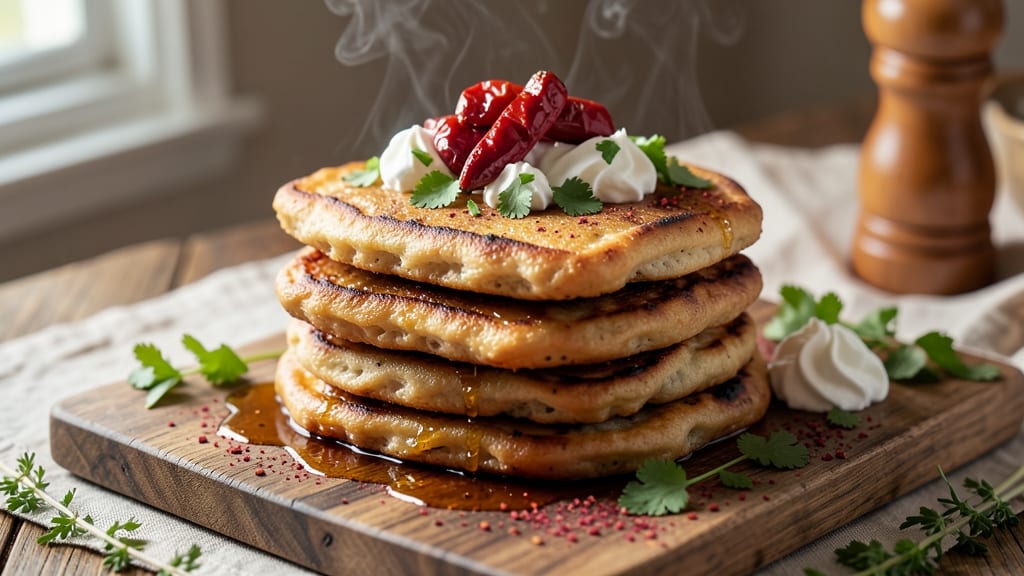
This Arizona fry bread recipe delivers the perfect balance of fluffy, golden pockets with buttery crisp edges—just like the traditional Navajo staple. 🔥 The secret lies in the simple dough mixture of flour, water, shortening, and baking powder, which creates an airy interior while developing that signature crispy crust when fried.
I've perfected this technique to ensure every bite has that satisfying contrast between tender and crunchy.
The cultural significance of fry bread runs deep, originally created as a resourceful adaptation by Navajo people during times of scarcity. Today, it remains a beloved staple at gatherings, served with honey, jam, or savory toppings like powdered sugar or even chili.
This recipe preserves that authentic tradition while making it accessible for home cooks.
What makes this version stand out is the precise frying technique—using hot oil to achieve that golden-brown exterior without absorbing too much grease. The dough rises beautifully, creating those signature pockets that make it irresistible.
Whether you're serving it as a side dish, breakfast treat, or even a dessert with sweet toppings, it's always a crowd-pleaser.
Ready in just 20 minutes, this recipe is perfect for special occasions or weeknight meals. The simplicity of the ingredients and the foolproof method ensure you'll achieve restaurant-quality results every time. Let's get started on making this cultural classic in your own kitchen.
Ingredients for arizona fry bread
Simple ingredients transform into a cultural classic with fluffy pockets and crisp edges.
| Ingredient | Amount | Notes |
|---|---|---|
| All-Purpose Flour 🌾 | 2 cups | Sifted for light texture |
| Shortening (Vegetable or Lard) 🧈 | ½ cup | Traditional lard preferred |
| Baking Powder 🍞 | 1 tsp | Aluminum-free preferred |
| Salt 🧂 | ½ tsp | Diamond Crystal preferred |
| Warm Water 💧 | 1 ¼ cups | 110°F for optimal activation |
| Vegetable Oil (for frying) 🫒 | 2 cups | High smoke point preferred |
| Powdered Sugar (for topping) 🍚 | ½ cup | Fine grain preferred |
| Honey (for topping) 🍯 | ¼ cup | Wildflower preferred |
| Chopped Pecans (optional topping) 🥜 | ¼ cup | Toasted for enhanced flavor |
The flour and baking powder form the foundation of this recipe—King Arthur or Gold Medal brands work best for that signature lightness. Shortening (traditionally lard) creates the perfect crispy exterior, though vegetable shortening is a fine substitute for vegetarians. Warm water activates the baking powder, so 110°F is ideal—just warm it in a saucepan for 30 seconds if needed. Diamond Crystal kosher salt dissolves more easily than table salt, enhancing flavor without bitterness. For the oil, Avocado oil or refined peanut oil have high smoke points and minimal flavor interference.
No lard? Vegetable shortening maintains the same texture, though purists argue it lacks depth. Substituting baking powder? Self-rising flour (1 cup) plus 0.25 tsp salt works, but omit the baking powder entirely. For toppings, powdered sugar can be swapped with confectioners' sugar (same thing), while honey alternatives include maple syrup or agave nectar. The pecans? Walnuts or almonds work too—just toast them first. The dough must rest 10 minutes before frying for optimal texture, so don’t skip this step (trust me on this).
Store leftover fry bread in an airtight container for up to 3 days—reheat in a 350°F oven for 5-7 minutes to restore crispiness. For longer storage, freeze between parchment paper for up to 3 months. Thaw at room temperature before reheating. Pro tip: Double the batch and freeze extras—perfect for quick breakfasts or late-night snacks. The golden-brown edges crisp up beautifully when reheated, making it taste almost as good as fresh.
Why You'll Love This Recipe
- Five-Ingredient Magic: I swear by this—just flour, shortening, baking powder, salt, and warm water. That’s it. No fancy pantry trips, no last-minute scrambles. The dough comes together faster than I can scramble eggs, and honestly? It’s the kind of recipe that makes me feel like I’ve outsmarted my own laziness.
- Crispy-Creamy Crunch: Here’s what sold me—the golden, shatteringly crisp edges with that pillowy soft center. The shortening (or lard, if you’re feeling traditional) gives it that just-right texture, and the baking powder does the heavy lifting without any fuss. First bite? Pure satisfaction. Second bite? You’ll be reaching for the pan.
- Breakfast, Dinner, Snack: This isn’t just a side—it’s the star. Slather it with honey and cinnamon for a breakfast treat, pile on chili for a hearty dinner, or serve it warm with jam for a dessert that’ll fool everyone. Between us, I’ve had it all three ways in one week, and not once did I regret it.
- Budget Buster: A single batch costs me pennies and stretches for days. Freeze the leftovers, and you’ve got a 30-second reheat solution for lazy mornings or late-night cravings. Plus, the ingredients? You’re already buying them. It’s the kind of recipe that makes me high-five my grocery bill.
Step-by-step instructions for Arizona fry bread
Here's the method to achieve that perfect balance of fluffy interior and crispy exterior every time.
👨🍳 Step 1: Mix the Dough to the Right Consistency
In a large mixing bowl, combine the 2 cups all-purpose flour and 1 tsp baking powder. Sift the flour mixture together to create a light, airy base for your fry bread. This prevents dense pockets and ensures that air can incorporate properly during mixing.
Add the 0.5 cup shortening and 0.5 tsp salt, then cut the shortening into the flour mixture using a pastry cutter or your fingers until the mixture resembles coarse crumbs. This texture is crucial—it creates pockets for the steam to expand later, giving you that signature fluffy interior.
Slowly pour in the 1.25 cups warm water (about 110°F) while stirring with a wooden spoon. The water should be warm enough to activate the baking powder but not hot enough to cook the dough. Mix until just combined—you want a soft, slightly sticky dough that holds together when pressed but isn't wet. If it's too sticky, add 1 tablespoon more flour at a time until it reaches the right consistency.
🔥 Step 2: Fry in Small Batches for Perfect Texture
Heat the 2 cups vegetable oil in a large skillet over medium-high heat until it reaches 350°F. Use a deep-fry thermometer to monitor the temperature—this is critical for even cooking. If the oil isn't hot enough, the bread will absorb too much oil and become greasy instead of crispy.
Divide the dough into 4 equal portions (about 4-ounce each) and shape each into a 6-inch round, about ½-inch thick. Press gently to even out the thickness—this ensures even cooking and prevents some pieces from burning while others stay raw. Drop one piece into the hot oil and fry for 2-3 minutes per side until golden brown and crispy.
Use a slotted spoon to carefully remove the fry bread and place it on a paper towel-lined plate to drain excess oil. The bread should be light golden brown on the outside with a slightly puffed appearance. If it browns too quickly, reduce the heat slightly—you want even cooking, not burning.
🍳 Step 3: Top with Sweet and Crunchy Finishes
While the fry bread is still warm, drizzle each piece with 2 tablespoons honey and sprinkle with 2 tablespoons powdered sugar. The warmth of the bread will melt the honey slightly, creating a sticky, sweet glaze that caramelizes as it cools. This step is what transforms simple fry bread into a decadent treat.
For an extra touch, sprinkle the 0.25 cup chopped pecans over the top while the honey is still warm. The pecans will stick to the glaze, adding a delightful crunch with each bite. If you prefer a savory version, skip the toppings and serve with honey on the side or pair with refried beans and salsa.
⏰ Step 4: Serve Immediately for Maximum Enjoyment
Fry bread is best enjoyed fresh and warm, so serve it immediately after topping. The contrast of the crispy exterior, soft interior, and sticky-sweet topping is what makes this dish so special. If you need to hold them for a short time, keep them covered with a clean kitchen towel to maintain warmth and crispness.
For an authentic Arizona experience, serve with honey butter, powdered sugar, or even Navajo-style with a side of blue corn mush. The key is balancing the textures—crispy, soft, and sweet—so each bite delivers that perfect harmony of flavors and mouthfeel.
Pro Tips For Making Arizona Fry Bread
- Fry in 350°F Oil: Don’t wait for the oil to shimmer—test it with a pinch of flour. If it sizzles and bubbles immediately (not just slowly), that’s your sweet spot. Too hot, and your bread burns before it puffs; too cool, and it turns greasy. I learned this after watching my first batch turn into a sad, limp pancake.
- Cut Shortening with Cool Hands: Use a bench scraper or your fingers to work the shortening into the flour until it looks like wet sand. If your hands are warm, the fat melts too fast, and you’ll end up with a dough that sticks like glue. Keep a bowl of ice water nearby if you’re in a hot kitchen—trust me, your future self will curse you if you skip this.
- Skip the Overmixing: Mix the dough just until the flour disappears—about 15 seconds. Overwork it, and you’ll activate the gluten, turning your fluffy fry bread into a dense, chewy mess. My grandmother called this "killing the bread’s soul," and she wasn’t wrong.
- Roll to ¼-Inch Thickness: Use a rolling pin to flatten the dough to an even ¼-inch thickness—no thinner, or it’ll tear when frying. If you’re eyeballing it, hold it up to a light switch cover (they’re usually about that size). Uneven thickness means some pieces cook faster, and you’ll end up with a burnt edge and a raw center.
Troubleshooting perfect results
Oil Too Greasy?
If your fry bread turns out too greasy, the oil temperature is likely too low. Use a deep-fry thermometer to maintain 350°F—any lower, and the dough absorbs excess oil.
Also, ensure your dough isn’t too wet; if it’s sticky, add 1 tablespoon flour at a time until it holds shape. 🌡️
Dough Not Puffing?
For that signature fluffy rise, your baking powder must be active and the water warm (110°F). If the dough flattens instead of puffing, your oil might be too hot or the dough rested too long.
Let the dough rest 10 minutes before frying—this relaxes the gluten and allows proper expansion.
Uneven Browning?
Uneven browning usually means inconsistent oil heat or dough thickness. Press each piece to ½-inch thickness and fry in small batches (no more than 2 pieces at a time). If one side browns faster, reduce heat slightly or rotate the bread frequently with tongs.
Dough Sticking?
Floury hands and a lightly floured surface solve this common issue. Work quickly to avoid over-handling, which can activate gluten and make the dough tough. If the dough cracks while shaping, gently press it back together—don’t force it, or it’ll tear.
Toppings Not Adhering?
Warm honey and powdered sugar work best when the fry bread is still hot (within 2 minutes of frying). If toppings slide off, let the bread cool slightly before adding them. For extra stickiness, lightly brush the top with melted butter before drizzling honey.
Freezer Burn?
To prevent freezer burn, wrap cooled fry bread in parchment paper and place in an airtight container or freezer bag. Squeeze out excess air before sealing. Thaw at room temperature for 30 minutes before reheating in a 350°F oven for 5-7 minutes to restore crispiness. ❄️
Nutrition facts
Frequently asked questions
Can I make Arizona fry bread without shortening?
Yes! You can substitute 0.5 cup melted butter or 0.5 cup vegetable oil for the shortening. For the most authentic texture, use lard if available, but butter works well for a slightly richer flavor. Just be sure to let the butter cool slightly before mixing to avoid cooking the dough.
How do I keep the fry bread from getting soggy?
Serve it immediately after frying while still hot and crispy. If you need to hold them, place on a wire rack over a baking sheet to allow air circulation. For reheating, pop in a 350°F oven for 3-5 minutes to restore crispness. Never microwave—it makes the bread rubbery!
What's the best way to shape the dough?
Roll each dough portion into a 6-inch round, about ½-inch thick, using your hands or a rolling pin. Press gently to even thickness—this ensures even cooking. If the dough cracks, just press it back together without overworking it. For extra authenticity, shape slightly irregular rounds like traditional fry bread.
Can I make fry bread ahead of time?
Fry the bread and let it cool completely, then store in an airtight container at room temperature for up to 3 days. For longer storage, freeze between parchment paper for up to 3 months. Reheat in a 350°F oven for 5-7 minutes to restore that crispy texture.
What are some traditional toppings besides honey?
Classic toppings include powdered sugar, cinnamon sugar, or chopped pecans. For a savory version, try serving with refried beans, powdered sugar, or even Navajo-style chili. The possibilities are endless—just keep that perfect crispy-soft contrast in mind!