
Side Dishes
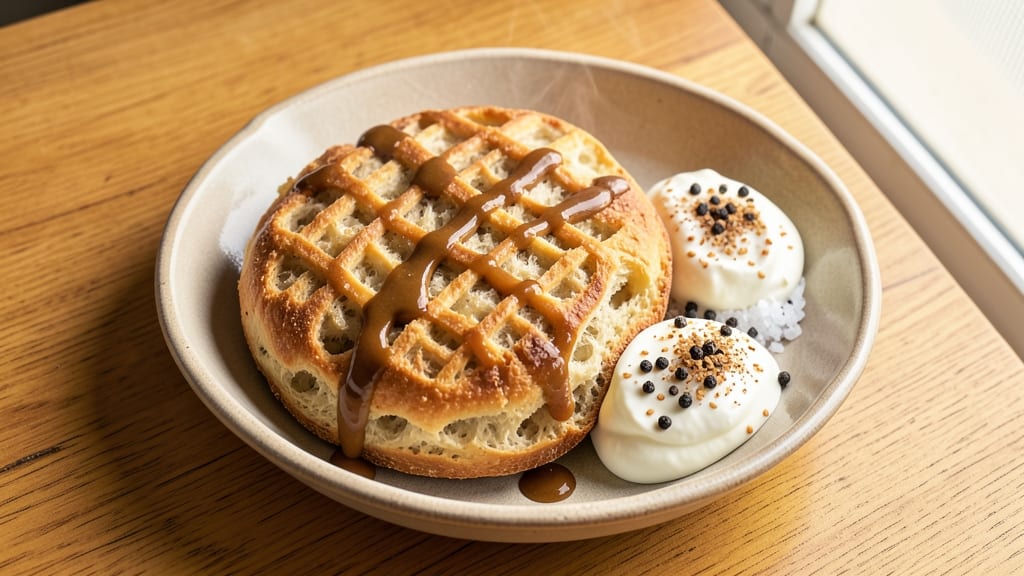
This Armenian tahini bread delivers a nutty-sesame crust with a soft, cardamom-infused core—perfect for wrapping around grilled meats or serving as a flavorful side. The tahini isn’t just an ingredient; it’s the secret to that signature rich, sesame-forward flavor that binds the dough while adding a subtle depth.
Traditional recipes rely on stone ovens, but this version adapts beautifully to home kitchens with a simple stovetop or oven method.
The dough comes together with just five core ingredients: flour, yogurt, tahini, yeast, and a pinch of cardamom—no fancy substitutions needed. The tahini replaces some of the fat in traditional flatbreads, creating a tender yet sturdy texture that holds up to both folding and baking.
For a modern twist, you can even make it vegan by swapping yogurt for plant-based alternatives without sacrificing flavor.
What sets this bread apart is the dual texture: a crisp, golden crust from the tahini and sesame seeds, paired with a soft, pillowy interior. The cardamom adds warmth, while the tahini’s natural nuttiness ties everything together.
Whether you’re serving it as a wrap, a side, or even toasted with butter, it’s a dish that feels both traditional and unexpectedly versatile.
Best of all, it bakes in under 20 minutes—fast enough for weeknight dinners but hearty enough to impress at gatherings. The recipe scales easily, so you can make a single batch for two or double it for a crowd. Ready to transform your table with this Armenian classic?
Ingredients for armenian tahini bread
Five simple ingredients transform into a nutty-sesame crust with a cardamom-kissed center—perfect for wraps or sides.
| Ingredient | Amount | Notes |
|---|---|---|
| All-Purpose Flour 🌾 | 3 cups | High-protein preferred for chewiness |
| Plain Yogurt 🥛 | ½ cup | Greek or regular, unsweetened |
| Tahini 🥜 | ¼ cup | Sesame paste, unsweetened |
| Active Dry Yeast 🍞 | ½ tsp | Instant yeast works too |
| Ground Cardamom 🌿 | ½ tsp | Fresh pods ground preferred |
| Salt 🧂 | ½ tsp | Diamond Crystal preferred |
| Sesame Seeds 🌻 | 2 tbsp | White or black, toasted |
| Olive Oil 🫒 | 1 tbsp | Extra-virgin for richness |
| Water 💧 | ½ cup | Room temperature preferred |
| Honey 🍯 | 1 tsp | Or maple syrup for vegan option |
The tahini is the star here—look for unsweetened, creamy versions at Middle Eastern markets or bulk bins. Trader Joe's and Whole Foods carry reliable brands like Soom or Al Wadi. Cardamom can be tricky; Penzeys sells whole pods that you can toast and grind yourself for deeper flavor. If you're using store-bought ground cardamom, check the date—it loses potency fast. Sesame seeds? Toast them in a dry pan for 2 minutes before using for extra nuttiness. The yogurt should be plain and unsweetened, but don't worry if it's thick Greek yogurt or regular—both work perfectly.
No tahini? Substitute with 2 tbsp extra olive oil plus 1 tbsp ground sesame seeds, though the flavor won't be identical. Running low on cardamom? Cinnamon at half the amount gives warmth, but it's not the same. The honey can be swapped for maple syrup if you're making this vegan—just know the bread won't be as sweet. For the flour, bread flour works best if you've got it, but all-purpose is fine. The yeast is non-negotiable, though—if it's past its expiration, toss it. And if your sesame seeds are old or stale, toast them fresh—it makes all the difference in that signature crunch.
This dough keeps for 24 hours in the fridge, covered tightly. For longer storage, shape the bread and freeze it on a tray before transferring to a bag—up to 3 months. The sesame seeds on top crisp up beautifully when toasted post-baking. I like to make a double batch and freeze half; thaw at room temp for 30 minutes before reheating. For best results, bake fresh, but even reheated, it's still delicious. The crust stays crisp for about 2 hours after baking, so serve it soon if you're using it for wraps.
Why You'll Love This Recipe
- No-Knead Magic: I swear by this dough—just mix, let it rise, and you’re done. The tahini and yogurt blend so smoothly, no heavy kneading or fussing required.
- Cardamom-Tahini Dream: That first bite? Warm, nutty tahini with a whisper of cardamom—like a hug in bread form. Honestly, the flavor lingers in a way that makes you reach for seconds.
- Weeknight Hero: Slice it fresh for breakfast, pack it for lunch, or serve it with dinner—it’s my go-to for any meal. The yeast does all the work while you’re making the rest of your spread.
- Budget-Friendly Staple: A single batch feeds my family for days, and the ingredients? Basic flour, tahini, and a pinch of cardamom—no splurges, just solid, reliable flavor.
Step-by-step instructions for Armenian tahini bread
Here's how to craft this nutty-sesame masterpiece with a soft, cardamom-infused core.
Activate the Yeast and Mix the Wet Ingredients
In a small bowl, combine the 0.5 cup water, 1 tsp honey, and 0.5 tsp active dry yeast. Let it sit for 5-10 minutes until frothy—this tells you your yeast is alive and ready to work. If nothing happens after 10 minutes, your yeast might be dead, and you'll need to start over.
In a separate large bowl, whisk together the 0.5 cup plain yogurt, 0.25 cup tahini, 1 tbsp olive oil, 0.5 tsp ground cardamom, and 0.5 tsp salt. The tahini will thicken the mixture slightly, giving that signature nutty richness. I like to use a fork for this step to avoid overmixing—you want to incorporate the ingredients without developing gluten prematurely.
Combine Wet and Dry Ingredients
Gradually add the 3 cups all-purpose flour to the wet mixture, stirring with a wooden spoon or silicone spatula until a shaggy dough forms. Don't worry if it looks messy—this is normal with tahini in the mix. Once the flour is mostly incorporated, transfer the dough to a lightly floured surface and knead for 8-10 minutes until smooth and elastic.
Here's the thing—tahini makes this dough behave differently than regular bread dough. It's stickier and more tender, so resist the urge to add extra flour. If the dough feels too sticky to handle, wet your hands slightly with water to help it stick while kneading. The dough should be soft but not gummy, and it should spring back slowly when pressed.
First Rise and Shape the Loaves
Lightly grease a large bowl with olive oil, place the dough inside, and cover with a damp kitchen towel. Let it rise in a warm place for 1-1.5 hours or until doubled in size. The tahini and yogurt will make the dough rise more slowly than traditional bread dough, so be patient—this is where the flavor develops.
Once risen, punch down the dough to release air and divide it into 4 equal portions. Shape each into a smooth, slightly tapered loaf about 6 inches long. Place them on a parchment-lined baking sheet, spacing them about 2 inches apart. Cover loosely with the towel and let them rise again for 30-45 minutes until puffy. This second rise gives the bread its signature open crumb structure.
Score and Bake for Crispy Crust
Preheat your oven to 375°F. In a small bowl, mix the 2 tbsp sesame seeds with 1 tsp olive oil to create a paste. Brush this mixture over the tops of each loaf, then sprinkle with additional sesame seeds for that classic Armenian crust. Using a sharp knife or razor, score each loaf diagonally about ¼ inch deep—this helps control expansion and creates those beautiful crusty seams.
Bake for 25-30 minutes until the crust is deep golden brown and the internal temperature reaches 190°F. The bread should sound hollow when tapped on the bottom. If the tops brown too quickly, tent loosely with foil to prevent over-browning while the centers finish baking. The tahini gives these loaves a rich, nutty aroma that fills your kitchen—trust me, it's worth the wait.
Cool and Serve Warm
Remove the bread from the oven and let it cool on a wire rack for 10 minutes. This resting period allows the steam to escape, preventing a gummy interior. The crust should be crisp and shatterable, while the interior should be soft and slightly chewy with flecks of cardamom throughout.
Serve warm with butter, jam, or as part of a traditional Armenian breakfast spread. The tahini adds a deep, nutty complexity that pairs beautifully with the warm cardamom notes. Store leftovers wrapped in a clean kitchen towel to maintain freshness for up to 3 days—though I doubt they'll last that long in your house.
Pro Tips For Making Armenian Tahini Bread
- Whisk the Tahini First: Mix the tahini into the wet ingredients before adding the flour—this prevents lumps and ensures it emulsifies properly. I learned this the hard way when my first batch turned out greasy and uneven.
- Use Warm Yogurt: Warm the yogurt slightly (to body temperature) before mixing—it activates the yeast faster and gives you a lighter rise. Cold yogurt slows fermentation, and you’ll end up waiting longer for the dough to proof.
- Don’t Over-Knead: This dough is delicate—knead just until smooth (about 5-6 minutes by hand). Overworking it makes the tahini turn the bread gummy. Stop when it’s cohesive, not elastic.
- Brush with Water, Not Oil: For that signature glossy finish, brush the baked loaves with water (not oil) before sprinkling sesame seeds. Oil makes the tahini flavor fade, but water keeps it rich and sticky.
Essential equipment for great armenian tahini bread
Stone Oven Essentials
For that authentic Armenian experience, a stone oven is ideal—it creates the perfect crisp crust while keeping the interior soft. Look for a cast-iron baking stone (like the Lodge Pre-Seasoned Cast Iron Stone) or a ceramic pizza stone if you don’t have a traditional oven.
Place it on the middle rack before preheating to 400°F for at least 30 minutes—this ensures even heat distribution. The tahini-rich dough responds beautifully to the intense, radiant heat, giving you that signature shatterable crust. 🔥
Home Oven Adaptations
No stone oven? No problem. A lightweight metal baking sheet works just fine, but for better results, use a heavy-duty Dutch oven (like the Le Creuset Stoneware) or a cast-iron skillet.
Place the shaped loaves directly on the oven rack for superior browning—the air circulation creates those golden seams. If your oven runs hot, reduce the temperature to 350°F to prevent over-browning while the tahini crust develops.
A digital thermometer (like the Thermoworks Thermapen) ensures accuracy for that perfect 190°F internal temp.
Scoring Tools Matter
Scoring isn’t just for looks—it controls expansion and steam release. A sharp chef’s knife or razor blade works, but for precision, invest in a lamé scorer (like the Jamie Oliver’s 5-inch).
Dip the blade in water first to prevent sticking, then score ¼-inch deep at a 45-degree angle for clean, even seams. The tahini’s richness means the crust will rise faster than traditional bread, so score just before baking to maintain crispness.
Pro tip: A fine-mesh pastry brush helps dust excess flour from the dough before scoring. ✨
Sesame Seed Prep
Toasted sesame seeds are non-negotiable for that nutty crunch and aromatic punch. Use a small dry skillet over medium heat for 2-3 minutes until golden and fragrant—don’t walk away! For even toasting, spread them in a single layer and stir frequently.
Once cooled, mix with 1 tsp olive oil to create a paste for brushing. Store extra seeds in an airtight container for up to 2 weeks—they lose flavor fast. I like to toast a fresh batch for each baking session. 🌻
Yeast Pro Tips
Tahini slows fermentation, so proof your yeast first—mix with warm water (110°F) and 1 tsp sugar for 5 minutes until bubbly. If using instant yeast, skip the proofing step. For extra insurance, use 2x the recommended yeast if your kitchen is below 70°F.
A proofing bowl (like the OXO Good Grips) keeps dough warm and cozy. If the dough rises too slowly, place the bowl near a turned-off oven with the light on for gentle warmth. Patience here pays off with a lighter, airier crumb.
Nutrition facts
Frequently asked questions
Can I make this Armenian tahini bread without tahini?
You can substitute with 2 tablespoons extra olive oil plus 1 tablespoon ground sesame seeds, but the flavor won't be identical. Tahini provides both richness and that signature nutty depth—it's the star ingredient that makes this bread uniquely Armenian. If you're avoiding sesame allergies, skip the tahini entirely and use 3 tablespoons olive oil instead.
How do I store leftover Armenian tahini bread?
Wrap cooled bread in a clean kitchen towel and store at room temperature for up to 3 days. For longer storage, freeze shaped loaves (unbaked) on a tray for 3 months. To reheat, warm in a 350°F oven for 5-7 minutes or toast in a dry skillet until crispy. The tahini keeps it moist, so it reheats beautifully without drying out.
Why did my tahini bread turn out dense instead of light?
Over-kneading or skipping the second rise are common culprits. The tahini makes the dough stickier, so knead just until smooth (8-10 minutes). Also, ensure your yeast is active—test it in warm water with sugar first. If your kitchen is cold (below 70°F), extend rising times by 30-60 minutes
Can I make this vegan?
Replace the yogurt with 0.5 cup unsweetened almond or coconut yogurt and swap honey for 1 tsp maple syrup. The tahini and cardamom will still shine through. For extra richness, add 1 tablespoon melted coconut oil to the dough. The texture may be slightly denser but still delicious—just bake for 2-3 extra minutes.
What's the best way to serve Armenian tahini bread?
Warm slices make perfect wraps for grilled meats, falafel, or hummus. Toast it with butter and jam for breakfast, or serve alongside soups and stews. The nutty tahini pairs beautifully with olive oil and za'atar for dipping. For a festive touch, layer with whipped cream and fresh figs—it's a showstopper at brunch!