
Side Dishes
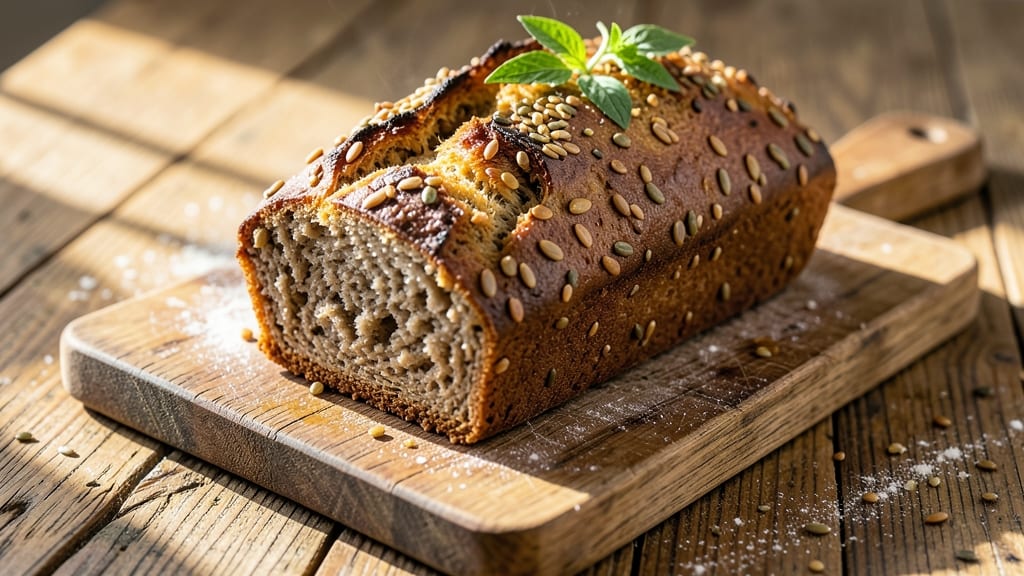
This artisan seed bread recipe delivers the perfect marriage of crusty crunch and nutty depth that transforms any meal into a gourmet experience. The secret lies in a precise blend of whole grains, toasted seeds, and proper fermentation—creating a loaf with an irresistible crunchy exterior and a tender, flavorful interior.
I developed this recipe after years of experimenting with traditional sourdough techniques, refining it to be both restaurant-quality and achievable at home.
The foundation begins with a simple yet powerful mix of whole wheat flour, sunflower seeds, flaxseeds, and sesame seeds, all toasted to enhance their natural flavors. A slow fermentation process allows the dough to develop complex, nutty notes while building the structure needed for that signature crusty crust.
The shaping technique is equally important—this isn't just any seed bread, but one with a rustic, artisanal texture that makes every slice satisfying.
What sets this recipe apart is the balance of texture and flavor—each bite offers a satisfying crunch from the toasted seeds, followed by a soft, airy crumb infused with nutty richness.
The bread pairs beautifully with soups, salads, or as a base for sandwiches, making it a versatile staple for any kitchen. The aroma alone as it bakes will have your whole house anticipating dinner.
Ready in about 2 hours from start to finish, this artisan seed bread requires minimal effort but delivers maximum impact. The key steps—proper kneading, controlled proofing, and high-heat baking—ensure a loaf that rivals what you'd find in a specialty bakery.
Whether you're a seasoned baker or just starting out, this recipe will elevate your bread-making game.
Ingredients for artisan seed bread
Whole grains, toasted seeds, and precise fermentation create restaurant-quality artisan seed bread at home.
| Ingredient | Amount | Notes |
|---|---|---|
| Organic Whole Wheat Flour 🌾 | 3 cups | High-protein for better structure |
| Sunflower Seeds 🥜 | ½ cup | Toasted until golden brown |
| Flaxseeds 🌱 | ½ cup | Ground for better texture |
| Sesame Seeds 🌿 | ¼ cup | Toasted for nutty aroma |
| Active Dry Yeast 🍞 | 1 ½ tsp | Ensures proper fermentation |
| Granulated Sugar 🍚 | 1 tbsp | Feeds yeast for rise |
| Unsalted Coconut Oil 🫒 | ¼ cup | Melted for dough elasticity |
| Filtered Water 💧 | 1 ½ cups | Room temperature preferred |
| Apple Cider Vinegar 🍎 | 1 tbsp | Enhances fermentation |
| Sea Salt 🧂 | 1 ½ tsp | Diamond Crystal preferred |
| Olive Oil 🫒 | 1 tbsp | For dough shaping |
| Cornmeal 🌽 | ½ cup | For dusting baking sheet |
| Vegan Butter 🧈 | 1 tbsp | Melted for brushing crust |
The foundation starts with organic whole wheat flour—look for high-protein varieties like King Arthur or Bob's Red Mill for better structure. Sunflower, flax, and sesame seeds should be toasted until golden brown (about 5 minutes in a dry pan) to maximize their nutty depth. Bob's Red Mill sells pre-toasted seeds, but toasting yourself ensures fresher flavor. Active dry yeast is non-negotiable—Saf-Instant works best for this recipe. The apple cider vinegar is crucial for fermentation; Bragg is a reliable brand. Sea salt matters too—Diamond Crystal measures differently than Morton, so adjust if using a different brand.
No toasted seeds? Toast regular seeds in a dry skillet for 4-5 minutes until fragrant. Running short on flaxseeds? Chia seeds or ground almonds work in a pinch. The coconut oil can be swapped for avocado oil if preferred. For yeast activation, ensure water is between 80-85°F—too hot kills it, too cold slows fermentation. The dough will be sticky; don't over-knead—just handle until smooth. If the dough feels too wet, add 1 tbsp more flour gradually. For a nut-free version, omit seeds entirely and increase flour by 0.5 cup to maintain structure.
Store the baked loaf in a paper bag at room temperature for up to 5 days—this preserves freshness better than plastic. For longer storage, freeze slices wrapped in parchment for up to 3 months. The bread reheats beautifully—wrap slices in foil and warm in a 350°F oven for 5-7 minutes. For maximum crunch, brush the cooled loaf with melted vegan butter before slicing. Leftovers make amazing croutons—toss stale pieces with olive oil and bake at 375°F for 10 minutes until crispy.
Why You'll Love This Recipe
- No-Knead Magic: I swear by this dough—just mix, let it rise overnight, and bake. The seeds puff up like little flavor bombs while I sleep, so by morning, I’ve got warm, chewy bread with zero effort.
- Nutty Crunch Delight: That mix of sunflower, flax, and sesame seeds? It’s like a toasted seed salad in every bite. Honestly, I’ll eat it straight from the loaf or slathered with butter—no judgment here.
- Weeknight Workhorse: Slice it for sandwiches, pack it in lunches, or serve it with soup. Between us, this bread lasts forever—perfect for when I forget to meal prep (again) but still need something solid.
- Budget-Friendly Staple: Whole wheat flour and pantry seeds keep costs low, and one loaf stretches across breakfasts, snacks, and toast cravings. I’ll be real: my grocery bill thanks me for this recipe.
Step-by-step instructions for artisan seed bread
Master the technique for a bread with a crackly crust and nutty, textured interior using these precise steps.
Prepare the Seed Mixture for Maximum Flavor
Toast the 0.5 cup sunflower seeds and 0.25 cup sesame seeds in a dry skillet over medium heat for 3-4 minutes, stirring constantly until they turn a rich golden brown and release their nutty aroma. This step enhances their flavor and prevents them from becoming bitter during baking. Transfer them to a plate to cool completely.
While they toast, grind the 0.5 cup flaxseeds in a clean spice grinder or food processor until they resemble coarse meal. This texture ensures they distribute evenly throughout the dough and contribute to the bread's hearty texture. Combine the toasted seeds and ground flaxseeds in a small bowl and set aside for later.
Activate the Yeast for Proper Fermentation
In a small bowl, dissolve the 1.5 tsp active dry yeast in 1.5 cups room-temperature filtered water. Add the 1 tbsp granulated sugar and 1 tbsp apple cider vinegar, then let the mixture sit for 5-7 minutes until it becomes frothy and bubbly. This indicates the yeast is active and ready to work.
If the mixture doesn't bubble within 10 minutes, your yeast may be inactive—start over with fresh yeast. The vinegar not only activates the yeast but also adds a subtle tang that complements the nutty seeds. Keep this mixture at room temperature for the next step.
Mix the Dough for Optimal Texture
In the bowl of a stand mixer fitted with the dough hook attachment, combine the 3 cups organic whole wheat flour and 1.5 tsp sea salt. Mix on low speed for 30 seconds to aerate the flour. Add the melted 0.25 cup unsalted coconut oil and mix until fully incorporated.
Gradually add the yeast mixture, mixing on low speed until a shaggy dough forms. Scrape down the sides of the bowl, then add the prepared seed mixture. Increase the speed to medium and knead for 5-7 minutes until the dough becomes smooth and elastic, pulling away from the sides of the bowl. The dough should be slightly tacky but not sticky—add a few tablespoons of flour if needed.
Ferment the Dough for Maximum Rise
Lightly oil a large bowl with 1 tbsp olive oil, then transfer the dough to the bowl. Cover with a damp kitchen towel and let it rise in a warm place for 1-2 hours, or until it has nearly doubled in size. The dough should feel springy when pressed gently with a finger.
For best results, place the bowl near a warm oven with the light on, or use a proofing box set to 78°F. Avoid overproofing—the dough should rise just until it reaches the top of the bowl, not beyond. This controlled fermentation develops the bread's flavor and structure.
Shape and Score for a Crusty Exterior
Turn the dough onto a lightly floured surface and gently shape it into a 12-inch-long loaf, tapering slightly at the ends. Place it seam-side down on a baking sheet dusted with 0.5 cup cornmeal. Cover with a towel and let it rest for 20-30 minutes to relax the gluten.
Preheat your oven to 375°F. Using a sharp serrated knife or lame, score the top of the loaf with a ½-inch deep crosshatch pattern, cutting through the crust but not into the dough beneath. Brush the top with melted 1 tbsp vegan butter for a golden finish. Bake for 35-40 minutes until the bread sounds hollow when tapped on the bottom and reaches an internal temperature of 190°F.
Cool and Slice for Perfect Texture
Remove the bread from the oven and let it cool on a wire rack for at least 1 hour before slicing. This resting period allows the bread to firm up and redistribute moisture, ensuring each slice has a crisp crust and tender crumb.
The bread will keep well at room temperature for 2-3 days or can be frozen for up to 3 months. For the best experience, toast slices before serving to enhance the crust's crunch and the seeds' nutty flavor.
Pro Tips For Making Artisan Seed Bread
- TOAST SEEDS FIRST: I learned this the hard way—raw seeds in dough make for a bland, mealy bite. Toss sunflower, flax, and sesame seeds in a dry pan over medium heat for 3-4 minutes until they smell nutty. Let them cool before mixing; this toasting adds depth that raw seeds just can’t match.
- WEIGH YOUR WHOLE WHEAT: Whole wheat flour packs differently than all-purpose, and eyeballing it leads to dense, heavy bread. Use a kitchen scale for precision—aim for 10% less by volume than the recipe calls for. Trust me, your loaf will thank you.
- PUNCH DOWN HARD: Whole wheat dough resists stretching, so don’t go gentle. After the first rise, punch it down aggressively with your fists (yes, even if it looks messy) to break up gluten and distribute the seeds evenly. This step makes the crumb lighter and the texture more uniform.
- STEAM THE LOAF: Whole wheat crusts burn faster than white bread’s. Before baking, spray the oven walls with water and place a metal tray on the lower rack to create steam. This gives you a crispy crust without turning the top into charcoal—especially crucial for this dense dough.
Wine and beer pairings for this recipe
Crisp White Wine
For this nutty, toasted seed bread, a dry Riesling or Sauvignon Blanc is my go-to pairing. The bright acidity and citrus notes of a German Riesling like Dr. Loosen Blue Slate cut through the richness of the seeds while complementing the bread's toasted flavor profile.
If you prefer New World wines, a New Zealand Sauvignon Blanc from Cloudy Bay delivers zesty grapefruit and herbal notes that enhance the bread's complexity. Serve slightly chilled to elevate the contrast between the warm bread and crisp wine. 🍷
Hoppy Beer Pairing
A crisp American pale ale with a touch of hop bitterness balances the bread's nutty depth beautifully. I love pairing this bread with Allagash White—its subtle citrus and floral notes harmonize with the sunflower and sesame seeds.
For a bolder option, try a Belgian witbier like Hoegaarden, where the coriander and orange peel flavors create a refreshing contrast to the toasted seeds. Serve the beer at 45°F to preserve its crispness and let the flavors shine alongside each slice. 🍺
Red Wine for Hearty Spreads
If you're serving this bread with hummus, olive tapenade, or vegan cheese spreads, a light-bodied Pinot Noir from Oregon like Domaine Serene adds an earthy elegance. The wine's red fruit notes and silky tannins complement the bread's crusty texture without overpowering the seeds.
For a more robust pairing, a Spanish Garnacha from Navarra offers spicy, jammy flavors that stand up to the bread's nutty richness. Decant for 15-20 minutes to soften the tannins and enhance the wine's aromatic qualities. 🍇
Cider for Rustic Vibes
Don’t overlook dry hard cider as a pairing—it’s a perfect match for the bread's rustic, artisanal qualities. A French cider like Domaine Dupont with its crisp apple and pear notes enhances the bread's toasted seeds and whole wheat flavor.
For a local option, try a dry American cider from Strongbow or Angry Orchard. The slight effervescence cleanses the palate, making each bite of the bread feel fresh and vibrant. Serve chilled at 40-45°F for the best experience. 🍎
Nutrition facts
Frequently asked questions
Can I substitute any of the seeds in this recipe?
Swap sunflower seeds for pumpkin seeds or chia seeds, and sesame seeds for poppy seeds or hemp seeds. Just maintain the total seed volume (1 cup) for proper texture. Toast all seeds before using to maximize flavor. For a nut-free option, omit seeds entirely and increase flour by 0.5 cup to maintain structure.
Why does my dough feel too sticky or dry?
Sticky dough? Add 1 tbsp flour at a time until it's just tacky but workable. Too dry? Mix in 1 tsp water gradually. Whole wheat flour absorbs more moisture than all-purpose—adjust as needed. The dough should pull away from the bowl but still feel slightly soft when kneaded.
How do I know when the bread is fully baked?
Your bread is done when it reaches an internal temperature of 190°F and sounds hollow when tapped on the bottom. The crust should be deep golden brown with a crackly texture. If unsure, bake 5 more minutes—underbaking makes the bread gummy.
Can I make this bread without yeast?
Yes! For a quick version, replace yeast with 1.5 tsp baking powder and 1 tsp baking soda, but texture will differ—expect a denser loaf. For a sourdough-style version, use 1 cup active sourdough starter instead of yeast and water. Ferment longer (4-6 hours) for better flavor development.
What's the best way to reheat stale artisan seed bread?
Wrap slices in foil and warm in a 350°F oven for 5-7 minutes for perfect crispiness. For extra crunch, brush with melted vegan butter before reheating. Avoid microwaving—it makes the crust soggy. Store in a paper bag at room temperature to preserve freshness longer.