
Side Dishes
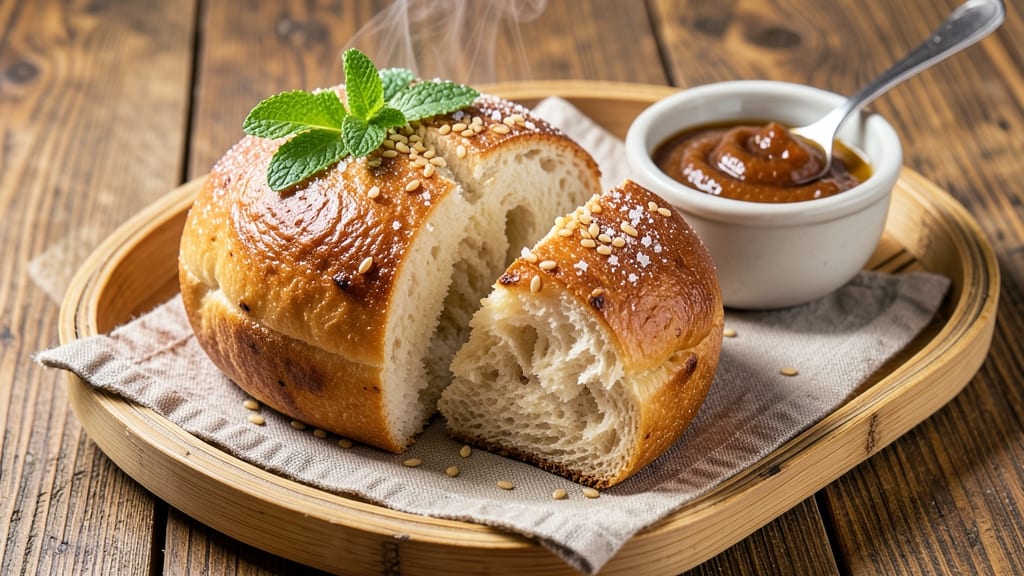
This Asian soft bread recipe transforms simple ingredients into pillowy mantou with a delicate, melt-in-your-mouth texture that’s perfect for breakfast or dim sum. The secret lies in a gentle kneading technique and precise steaming, which creates that signature fluffy interior while keeping the exterior tender.
I’ve adapted this traditional recipe for home kitchens, so you can achieve restaurant-quality results with just a steamer basket or oven—no specialized equipment required.
The dough starts with a basic flour-water mixture, but the magic happens in the slow fermentation and careful shaping. Each mantou is filled with sweet sticky rice, creating a harmonious balance of soft bread and chewy filling.
The recipe yields 8 generous buns, making it ideal for sharing or meal prepping—just store them in an airtight container for up to 2 days or freeze for longer shelf life.
What sets this recipe apart is the foolproof method for achieving consistent texture, whether you steam or bake. The dough rises just enough to create air pockets, while the sticky rice filling adds a subtle sweetness that complements the bread’s neutral flavor.
Serve warm with soy milk, sesame paste, or as a side to savory dishes—each bite is a testament to how simple ingredients can become extraordinary with technique.
For those new to Asian baking, don’t worry—this recipe includes troubleshooting tips for common issues like dense buns or uneven cooking. Whether you’re making them for a family gathering or a quiet morning treat, these mantou will become a staple in your kitchen.
Let’s get started on creating your own batch of cloud-like, golden-brown buns.
Ingredients for asian soft bread
Eight simple ingredients transform into eight pillowy mantou with tender interiors and delicate exteriors.
| Ingredient | Amount | Notes |
|---|---|---|
| All-Purpose Flour 🌾 | 3 ½ cups | Unbleached, high-protein preferred |
| Granulated Sugar 🍚 | ¼ cup | For dough sweetness |
| Instant Yeast 🍞 | ½ tsp | Single-use packet preferred |
| Warm Water 💧 | 1 ¼ cups | 110°F (43°C) for activation |
| Sticky Rice 🍚 | 1 ½ cups | Uncooked, short-grain preferred |
| Rock Sugar or Brown Sugar 🍬 | ¼ cup | For rice sweetness |
| Vegetable Oil 🫒 | ¼ cup | For dough enrichment |
| Salt 🧂 | ½ tsp | Fine sea salt preferred |
| Sesame Seeds 🌰 | 2 tbsp | For garnish |
| Cornstarch 🌾 | 1 tbsp | For dusting steamer |
The flour is the foundation—King Arthur or Gold Medal work best for their protein balance, giving that signature soft yet sturdy texture. Instant yeast ensures quick activation without waiting for foam; Fleischmann's single-use packets are reliable. For the sticky rice filling, Japanese short-grain rice from Trader Joe's or Asian markets delivers the perfect chewy consistency. Rock sugar or light brown sugar dissolves smoothly, avoiding graininess in the filling. Warm the water to 110°F (43°C)—too hot kills yeast, too cool slows fermentation.
No instant yeast? Active dry yeast at double the amount works, but activate it in warm water first. Substitute sticky rice with glutinous rice flour mixed with water (1:1 ratio) if unavailable. For a sweeter filling, add 1 tbsp honey or maple syrup to the rice mixture. The vegetable oil can be swapped for melted butter if desired, though it may alter texture slightly. If your flour is low-protein (<10%), add 1 tbsp vital wheat gluten to improve structure. For a nutty flavor, toast the sesame seeds before sprinkling.
Store uncooked dough in an airtight container for up to 24 hours in the fridge, allowing it to rise slowly for better flavor. Cooked mantou reheat beautifully—steam for 2-3 minutes or microwave with a damp paper towel for 15-20 seconds. Freeze shaped, unsteamed buns for up to 3 months; steam directly from frozen, adding 1-2 extra minutes. For meal prep, portion filling into small containers and store separately for 5 days in the fridge.
Why You'll Love This Recipe
- No-Knead Magic: I swear by this trick—just mix the dough, let it rise, and bake. The sticky rice gives it that signature chewy pull, but honestly? You’ll never want to knead bread again.
- Sweet-Savory Balance: That touch of sugar in the dough? It’s not cloying—it caramelizes just enough to contrast the soft, pillowy center. (Yes, even my kids who hate sweet bread fight over these.)
- Breakfast to Brunch: Toast it plain for a lazy morning, slather with butter and jam for a picnic, or stuff it with egg and cheese for a quick lunch. Same dough, endless uses—no waste, all wins.
- Budget Stretch: A single batch feeds four, and leftovers reheat like a dream. I’ve had these cold from the fridge for days—still fresh, still addictive. (My wallet thanks me.)
Step-by-step instructions for pillowy mantou with sticky rice filling
Mastering these delicate pastries requires patience and precision—every fold and steam counts.
Prepare the Sticky Rice Filling
In a medium saucepan, combine the 1.5 cups sticky rice, 0.25 cup rock sugar or brown sugar, and 1.25 cups warm water. Bring to a boil over medium-high heat, then reduce to a simmer. Cook uncovered for 20-25 minutes, stirring occasionally, until the rice is tender and the mixture thickens to a paste-like consistency.
You'll know it's ready when the grains are completely broken down and the filling forms a glossy, cohesive mass. Remove from heat and let cool completely before using—this prevents the filling from melting when incorporated into the dough. Spread the cooled filling on a sheet of parchment paper and roll it into a ¼-inch thick rectangle. Chill while you prepare the dough.
Mix and Knead the Dough
In a large mixing bowl, whisk together the 3.5 cups all-purpose flour, 0.5 tsp instant yeast, 0.5 tsp salt, and 0.25 cup granulated sugar. Make a well in the center and add the 0.25 cup vegetable oil. Gradually pour in the 1.25 cups warm water while mixing with a wooden spoon until a shaggy dough forms.
Turn the dough onto a lightly floured surface and knead for 8-10 minutes until smooth and elastic. The dough should be slightly tacky but not sticky—if it feels too dry, add 1 teaspoon warm water at a time. Shape into a ball, place in a lightly oiled bowl, cover with a damp towel, and let rise in a warm place for 1 hour or until doubled in size. The dough should spring back slowly when poked.
Divide and Shape the Dough
Punch down the risen dough and divide it into 8 equal portions, each about 3 ounces. Roll each portion into a 5-inch circle on a lightly floured surface. Place 1 tablespoon of the chilled sticky rice filling onto the center of each circle. Fold the dough over the filling to create a half-moon shape, then pinch the edges firmly to seal.
Roll the sealed edges gently to create a smooth, rounded mantou. Arrange the shaped mantou on a parchment-lined baking sheet, seam-side down, and cover with a damp towel. Let them rest for 15 minutes to relax the dough before steaming. This resting period ensures the mantou holds its shape during steaming and prevents cracking.
Steam to Perfection
Set up a steamer by filling a wok or large pot with 2 inches of water and bringing it to a rolling boil. Place a steamer basket inside and arrange the mantou in a single layer, ensuring they don't touch. Sprinkle the tops with 2 tablespoons sesame seeds for added texture. Cover and steam over medium-high heat for 12-15 minutes, until the mantou are puffed and golden brown on top.
To check for doneness, lift one mantou gently with a pair of tongs—it should feel light and airy, with a slight bounce when pressed. Avoid oversteaming, as this can make the mantou dense. Transfer the steamed mantou to a wire rack to cool for 10 minutes before serving. The filling should be warm and gooey, contrasting beautifully with the pillowy, slightly crisp exterior.
Pro Tips For Making Asian Soft Bread
- STEAM THE RICE FIRST: I learned this the hard way—using dry sticky rice straight from the package makes the dough gummy and dense. Soak and steam the rice until it’s tender but not mushy (about 20 minutes after boiling), then mash it while still warm. That sticky, slightly firm texture is what gives the bread its signature chew.
- WEIGH THE FLOUR: Scooping flour from the bag is a recipe for disaster—your dough will either be too dry or too sticky. Use a kitchen scale for the all-purpose flour, pressing it lightly into the measuring cup without packing. This recipe relies on precision, and volume measurements won’t cut it.
- LET THE DOUGH REST LONGER: The first rise is where the magic happens, but I used to cut corners and end up with dense, flat bread. Cover the dough and let it rise until it’s almost doubled—then wait another 15-20 minutes. The yeast needs that extra time to fully activate, especially in warmer kitchens.
- USE A LITTLE LESS SUGAR: The recipe calls for sugar, but I’ve found that cutting it by 1-2 teaspoons makes a real difference—less caramelization means the bread stays softer longer. Plus, it balances the sticky rice flavor without overpowering it. Trust me, your bread will thank you.
Troubleshooting great asian soft bread
Dense or Gummy Dough
If your dough feels dense or gummy after kneading, you likely added too much water or didn’t knead long enough. The dough should be smooth and slightly tacky but not sticky.
I recommend using a kitchen scale to measure flour by weight—440 grams for this recipe—since volume measurements can vary. If the dough is too dry, add 1 teaspoon warm water at a time while kneading.
Over-kneading can also cause toughness, so stop once the dough springs back slowly when poked.
Uneven Rising
Uneven rising often happens when the yeast isn’t activated properly or the environment isn’t warm enough. Always use warm water (110°F/43°C) and let the yeast sit for 5 minutes until foamy before mixing.
Place your dough in a warm spot—I use my oven with the light on or a proofing box set to 80°F (27°C). If your kitchen is cold, a microwave with a cup of hot water inside can create a mini proofing chamber. Avoid drafty areas, which slow fermentation.
Filling Leaks or Melts
The sticky rice filling can leak if it’s too warm when added to the dough. Always chill the filling completely before shaping the mantou—this prevents it from melting and creating a soggy texture.
If the filling still leaks during steaming, roll the mantou slightly tighter and place them seam-side down on the steamer basket. For extra stability, dust the work surface with 1 tablespoon cornstarch before rolling the dough circles.
Flat or Undercooked Mantou
Flat or undercooked mantou usually mean the steaming time was insufficient or the heat wasn’t high enough. Ensure your steamer basket is at least 1 inch above the water level—this prevents direct contact with steam, which can make the bottoms soggy.
Use a medium-high heat and maintain a rolling boil. If your mantou aren’t puffing, try adding ½ teaspoon baking powder to the dough for extra lift. Cover tightly with a lid or foil to trap steam.
Cracked or Irregular Shapes
Cracks or irregular shapes often occur if the dough isn’t rested properly before steaming. Always let the shaped mantou rest for 15 minutes after folding—the dough relaxes and holds its shape better. If cracks appear, gently smooth them with damp fingers before steaming.
For a cleaner finish, use a sharp paring knife to trim any uneven edges after shaping. Avoid over-handling the dough, as this can weaken the structure.
Burnt or Dry Exteriors
Burnt or dry exteriors happen when the mantou are steamed too long or the heat is too high. Keep a close eye on them after 10 minutes of steaming—golden brown spots indicate they’re nearly done. If your mantou brown too quickly, reduce the heat slightly or steam them in batches.
For a softer exterior, brush the tops with a little melted butter after steaming. Avoid opening the lid too often, as this releases steam and slows cooking.
Nutrition facts
Frequently asked questions
Can I substitute sticky rice with another type of rice?
For the filling, sticky rice is ideal because it creates that signature chewy, slightly sweet texture. If you can't find it, try glutinous rice flour mixed with water (1:1 ratio) for a similar consistency. Regular white rice won't work—it becomes too firm and doesn't break down properly during cooking. For a quick alternative, blend 1 cup cooked white rice with 1 tbsp honey until smooth, but the texture won't be identical.
How do I make mantou without a steamer?
You can bake them instead! Preheat your oven to 375°F (190°C) and line a baking sheet with parchment paper. Arrange the shaped mantou on the sheet, brush the tops with a little water or oil, and bake for 15-18 minutes until golden brown. For extra steam, place a small baking dish with ½ inch of boiling water on the lower oven rack. The texture will be slightly different but still delicious—more crusty on the outside with a soft interior.
Can I make the dough ahead of time?
Prepare the dough up to 24 hours in advance and refrigerate it in an airtight container. Let it sit at room temperature for 1 hour before shaping to bring it to a more workable consistency. For longer storage, freeze the shaped but unfilled mantou for up to 3 months. Thaw overnight in the fridge, add the filling, and steam as directed. The cold dough rises more slowly, which enhances flavor but requires extra proofing time.
Why did my mantou turn out dense instead of fluffy?
Dense mantou usually result from over-kneading, under-proofing, or insufficient steam. Make sure your dough is kneaded just until smooth (8-10 minutes) and not until tough. Allow it to rise until doubled in size (about 1 hour in a warm place). During steaming, ensure your pot has a rolling boil and the basket is at least 1 inch above the water. If your kitchen is humid, cover the pot tightly to trap steam—this creates that signature light, airy texture.
What are some creative ways to serve these mantou?
Beyond the classic sweet version, try savory fillings like pork and chive or shredded chicken with hoisin sauce. For breakfast, serve warm with soy milk, sesame paste, or sweet red bean paste. You can also cut them open and toast lightly for a crispy exterior. Another fun idea: stuff with matcha cream cheese for a modern twist. These versatile buns pair well with both sweet and savory dishes—get creative with your fillings!