
Side Dishes
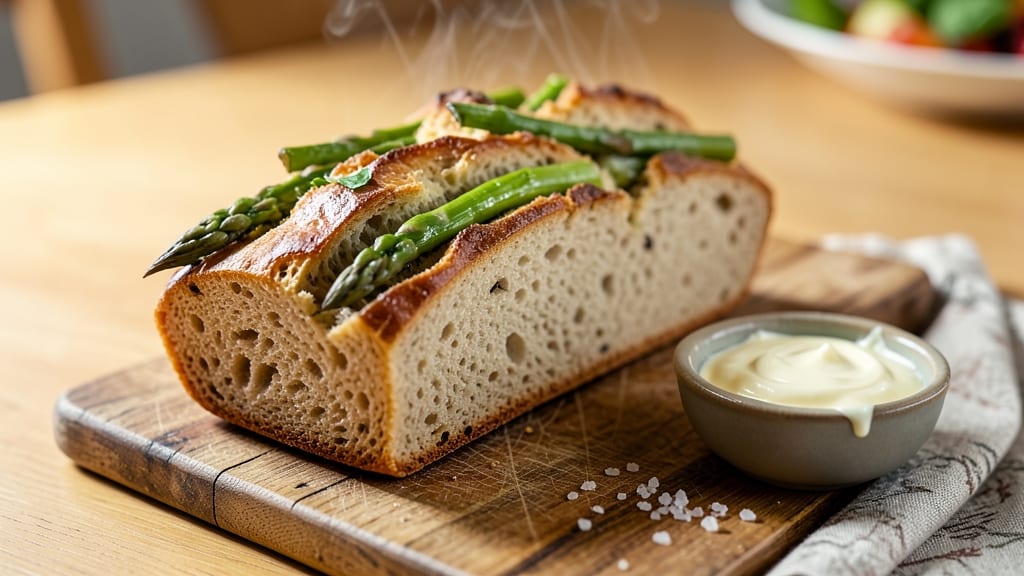
This asparagus bread recipe transforms humble ingredients into a fragrant, herb-infused loaf where tender spears of asparagus become part of the dough itself. The secret lies in properly preparing the asparagus—whether blanched for tenderness or finely chopped for texture—so it bakes into a bread that's both elegant and unexpectedly hearty.
What starts as a simple yeast dough becomes a golden, crusty loaf with pockets of caramelized asparagus throughout.
The process is straightforward but requires patience: kneading the dough to incorporate the asparagus evenly, letting it rise until light and airy, and baking until the crust turns a deep golden brown.
Optional additions like sharp cheddar, garlic, or fresh herbs elevate the flavor further, making this bread perfect for sandwiches, appetizers, or simply enjoying with butter. The result is a loaf that looks impressive yet comes together with basic baking techniques.
What makes this recipe special is how it combines the earthy sweetness of asparagus with the comforting texture of homemade bread. Each slice delivers a subtle asparagus flavor that pairs beautifully with rich sauces, sharp cheeses, or even on its own.
The bread stays fresh for days, making it ideal for meal prep or gifting. Ready to bake a loaf that's as practical as it is delicious?
Whether you're a seasoned baker or just starting out, this asparagus bread delivers restaurant-quality results with minimal effort. The key is balancing the moisture from the asparagus with the dough's structure, ensuring a crust that's crisp and a crumb that's tender.
Let's get started on a loaf that will become your new favorite way to use spring asparagus.
Ingredients for asparagus bread
Four cups flour, one pound asparagus, and a touch of yeast create a fragrant loaf with hidden green goodness.
| Ingredient | Amount | Notes |
|---|---|---|
| Asparagus Spears 🥬 | 1 lb | Trimmed, blanched 2 minutes |
| Active Dry Yeast 🍞 | 2 ¼ tsp | 1 packet or 7g |
| All-Purpose Flour 🌾 | 4 cups | Plus 1 cup for kneading |
| Granulated Sugar 🍚 | 1 tbsp | For yeast activation |
| Salt 🧂 | 1 ½ tsp | Diamond Crystal preferred |
| Unsalted Butter 🧈 | ½ cup | Cold, cubed for dough |
| Warm Water 💧 | 1 ¼ cups | 110°F for yeast activation |
| Fresh Chives 🌿 | ¼ cup | Finely chopped for flavor |
| Fresh Dill 🌿 | ¼ cup | Chopped, stems removed |
| Extra-Virgin Olive Oil 🫒 | 2 tbsp | For dough and brushing |
| Cornmeal 🌽 | ½ cup | For dusting baking sheet |
| Sharp Cheddar Cheese 🧀 | ½ cup | Shredded, optional |
| Garlic Cloves 🧄 | 2 cloves | Minced, optional |
The asparagus makes this bread special—choose firm, bright green spears with tight tips. Whole Foods or local farmers markets have the freshest spring varieties. Trim the woody ends and blanch for exactly 2 minutes to soften without losing color. For extra flavor, save the blanching water and use it in the dough instead of plain water. The herbs (chives and dill) should be fresh—dried works in a pinch, but fresh delivers that bright, fresh-from-the-garden taste. If you can't find fresh dill, Italian seasoning at half the amount gives a similar vibe.
No yeast? Instant yeast works 1:1, but active dry requires proofing first. Short on chives? Green onions or parsley at the same amount works beautifully. The cheddar is optional but recommended—sharp cheddar from a block melts better than pre-shredded. For a gluten-free version, substitute 1:1 gluten-free flour blend and add 1/4 cup xanthan gum to the dry ingredients. The olive oil matters here—use a fruity, extra-virgin variety for baking and brushing the crust.
This dough needs time to rise properly—plan for at least 2 hours including the first rise. Store any unused asparagus in the fridge for up to 5 days, wrapped tightly in damp paper towels. The baked loaf stays fresh for 4-5 days at room temperature, wrapped in a clean kitchen towel. For longer storage, freeze slices wrapped in plastic—toast straight from frozen for crispy results. Leftovers make excellent croutons or breadcrumbs.
Why You'll Love This Recipe
- No-Waste Wonder: The asparagus stems—usually tossed—become the star here. I chop them fine, blend them right into the dough, and suddenly, nothing goes uneaten. (Yes, even the kids ask for seconds.)
- Sweet-Savory Balance: That touch of sugar in the dough caramelizes just enough to play off the asparagus’s earthy bite. Warm from the oven, it’s like a hug from someone who knows you love garlic bread but need a little extra.
- Bread That Works Hard: Slice it fresh for brunch or toast it later—it’s my go-to for quick sandwiches or dipping in soups. Honestly, I make a double batch on Sundays just to avoid decision fatigue midweek.
- Budget-Friendly Staple: Yeast, flour, and a handful of spears? This costs pennies compared to store-bought. And since it keeps well wrapped, I’m not scrambling for last-minute groceries when the fridge is bare.
Step-by-step instructions for herb-infused asparagus bread
Transform fresh asparagus into a fragrant, herb-studded loaf with this precise baking method.
Prepare and Blanch the Asparagus
Trim the tough ends from the 1 lb asparagus spears by snapping them cleanly at their natural break points. Cut the spears into 2-inch pieces—this size ensures even cooking and good distribution throughout the dough. Bring a pot of salted water to a boil and blanch the asparagus for exactly 2 minutes. Immediately drain and plunge into ice water to stop the cooking process. This preserves their vibrant green color and tender texture.
Drain well and chop the blanched asparagus into ¼-inch pieces. You should have about 2 cups of chopped asparagus. Set aside—it will contribute earthy flavor and subtle moisture to the bread. The key here is timing: don't overcook the asparagus or it will turn mushy and water down the dough.
Activate the Yeast and Mix the Dough
In a small bowl, combine the 1.25 cups warm water (tested at 110°F with a thermometer), 1 tbsp granulated sugar, and 2.25 tsp active dry yeast. Let it sit for 5-10 minutes until frothy. This step activates the yeast and ensures proper rise. If the mixture doesn't bubble, your yeast may be inactive—start over with fresh yeast.
In a large bowl, whisk together 4 cups all-purpose flour and 1.5 tsp salt. Create a well in the center and pour in the yeast mixture along with the 0.5 cup cold cubed unsalted butter. Using a wooden spoon, stir until a shaggy dough forms. Gradually add the chopped asparagus, 0.25 cup chopped fresh chives, 0.25 cup chopped fresh dill, and 2 minced garlic cloves (if using). Mix until just combined.
Knead the Dough to Develop Gluten
Turn the dough onto a lightly floured surface and knead for 8-10 minutes by hand, or use a stand mixer with a dough hook attachment for 5-6 minutes on medium speed. You're looking for a smooth, elastic dough that springs back when poked. The asparagus pieces will make the dough slightly heavier, so knead more gently than usual to avoid tearing.
Shape the dough into a ball, place it back in the bowl, and lightly coat the top with 2 tbsp extra-virgin olive oil. Cover with a damp towel and let rise in a warm place for 1-1.5 hours, or until doubled in size. The dough should feel light and airy when pressed gently. If it doesn't rise well, your kitchen may be too cold—try placing the bowl near a warm oven with the light on.
Shape and Proof the Loaf
Punch down the risen dough to release air, then turn it onto a lightly floured surface. Gently shape it into a 9x5-inch loaf pan by stretching the dough to fit the pan's dimensions. Fold the edges inward and tuck them under to create a smooth, tight surface. Brush the top with an additional 1 tbsp olive oil and sprinkle with 0.5 cup cornmeal for texture.
Cover the loaf pan with a damp towel and let it proof for another 30-45 minutes until it rises 1-2 inches above the pan. The dough should feel springy when pressed lightly with a finger. Preheat your oven to 375°F while the dough proofs. This second rise ensures a light, airy crumb and helps the bread expand properly in the oven.
Bake Until Golden and Resonant
Transfer the loaf to the preheated oven and bake for 35-40 minutes until the top is deep golden brown and sounds hollow when tapped on the bottom. If using the 0.5 cup sharp cheddar cheese, sprinkle it evenly over the dough during the last 5 minutes of baking for a melty, savory finish.
Remove the bread from the oven and let it cool in the pan for 10 minutes, then transfer to a wire rack to cool completely. The internal temperature should read 190-200°F when done. Slice while still warm for the best texture—each bite should reveal tender crumb infused with asparagus and herbs, with a crisp crust that gives way to moist, flavorful interior.
Pro Tips For Making Asparagus Bread
- Blanch Asparagus First: I learned this the hard way—raw asparagus in dough makes the bread dense and chewy. Blanch the spears for 2-3 minutes in boiling salted water, then shock in ice water to stop cooking. This softens them just enough to fold into the dough without turning it into a brick.
- Use Warm Water for Yeast: Cold water kills yeast faster than you can say "flat loaf." Mix the yeast with warm water (105-110°F) and a pinch of sugar first, then wait 5-10 minutes until it foams like a tiny beer before adding flour. No foam? Start over—your bread won’t rise if the yeast is asleep.
- Don’t Overmix the Dough: After adding flour, stop mixing the second everything comes together. Overworking the dough develops gluten, which makes asparagus bread tough instead of tender. Two minutes max with a wooden spoon—just until it pulls away from the bowl.
- Fold in Asparagus Last: Chop the blanched asparagus into ¼-inch pieces and mix them in after the dough has risen. This keeps the spears from sinking to the bottom and ensures they’re evenly distributed. If you add them early, they’ll turn the dough into a weird, lumpy mess.
Flavor customization for these flavors
Herb Variations
Swap out the chives and dill for other fresh herbs to change the flavor profile completely. Try 0.25 cup finely chopped rosemary and 0.25 cup thyme for a Mediterranean twist—these pair beautifully with the asparagus's earthiness.
For a bright, citrusy note, add 0.25 cup chopped basil and 0.25 cup parsley instead, then finish with a sprinkle of zest from 1 lemon before baking. 🌿
Cheese Additions
Go beyond sharp cheddar for extra depth. For a tangy kick, use 0.5 cup crumbled feta instead—it melts slightly and adds briny contrast. Love Italian flavors? Try 0.5 cup shredded fontina or Parmigiano-Reggiano for nutty richness.
For a vegetarian-friendly option, fold in 0.5 cup nutritional yeast for a cheesy, umami boost without dairy. Sprinkle on top during the last 5 minutes of baking.
Spice Blends
Add warmth with ½ tsp smoked paprika or ½ tsp ground cumin to the dough for a subtle smoky depth. For a touch of heat, mix ¼ tsp cayenne pepper with the salt before kneading.
If you love garlic, infuse the dough with 3 minced garlic cloves and a pinch of red pepper flakes for a spicy kick. These spices complement the asparagus’s natural sweetness while adding complexity.
Sweet-Tangy Twist
Brighten the bread with a sweet-tangy combination by adding 2 tbsp apricot jam or orange marmalade to the dough along with the herbs. The fruitiness pairs beautifully with the asparagus and balances the savory notes.
For a more sophisticated touch, fold in 1 tbsp finely grated orange zest and 1 tbsp honey into the yeast mixture before mixing. This works especially well with the cheddar variation.
Nutty Crunch
For texture contrast, fold in 0.5 cup toasted walnuts or pecans into the dough during kneading. The nuts add a satisfying crunch and complement the asparagus’s earthy flavor. For a seed option, try 0.5 cup pumpkin seeds or sunflower seeds, which also bring a nutty depth.
Sprinkle extra seeds on top before baking for added visual appeal and crunch.
Seasonal Adaptations
Adjust the bread for different seasons. In summer, add 0.25 cup finely chopped cucumber or avocado (blended into a paste) for a fresh, creamy texture. For fall, swap in 0.25 cup sautéed mushrooms and 0.25 cup caramelized onions for a richer, heartier loaf.
Winter calls for 0.5 cup roasted butternut squash puree instead of asparagus—simmer and blend until smooth, then use as a 1:1 replacement. 🍂
Nutrition facts
Frequently asked questions
Can I use frozen asparagus instead of fresh?
Yes, but with adjustments! Thaw and drain frozen asparagus completely, then chop it into ¼-inch pieces just like fresh. For best results, blanch it for 1 extra minute to remove excess moisture. The texture will be slightly softer than fresh, but it still works beautifully in the dough.
Why did my asparagus bread turn out dense?
Dense bread usually means the dough didn't rise enough. Check your yeast—it may be expired if the dough didn't double in size after 1-1.5 hours. Also, over-kneading or using too much asparagus (which adds moisture) can weigh down the crumb. Try reducing the asparagus to 1.5 cups next time and ensure your kitchen is warm enough for proper rising.
How do I store leftovers to keep them fresh?
Wrap the cooled loaf tightly in a clean kitchen towel or beeswax wrap, then store at room temperature for up to 4-5 days. For longer storage, slice and freeze individual portions in airtight containers. Toast straight from frozen for crispy results—no thawing needed! The herbs and asparagus flavors actually improve slightly after baking.
Can I make this gluten-free?
Replace the all-purpose flour with a 1:1 gluten-free flour blend and add ¼ cup xanthan gum to the dry ingredients. The dough will be slightly stickier, so use extra flour when kneading. You may need to reduce the asparagus by ¼ cup since gluten-free dough absorbs less moisture. Let it rise for 10-15 minutes longer than regular dough.
What's the best way to reheat sliced asparagus bread?
For crispy crust and warm interior, wrap slices in foil and heat at 350°F for 5-7 minutes. For extra crispiness, toast in a skillet over medium heat for 1-2 minutes per side until golden. Avoid the microwave—it makes the crust soggy and dulls the flavors. The cheese (if used) melts beautifully when reheated this way!