
Side Dishes
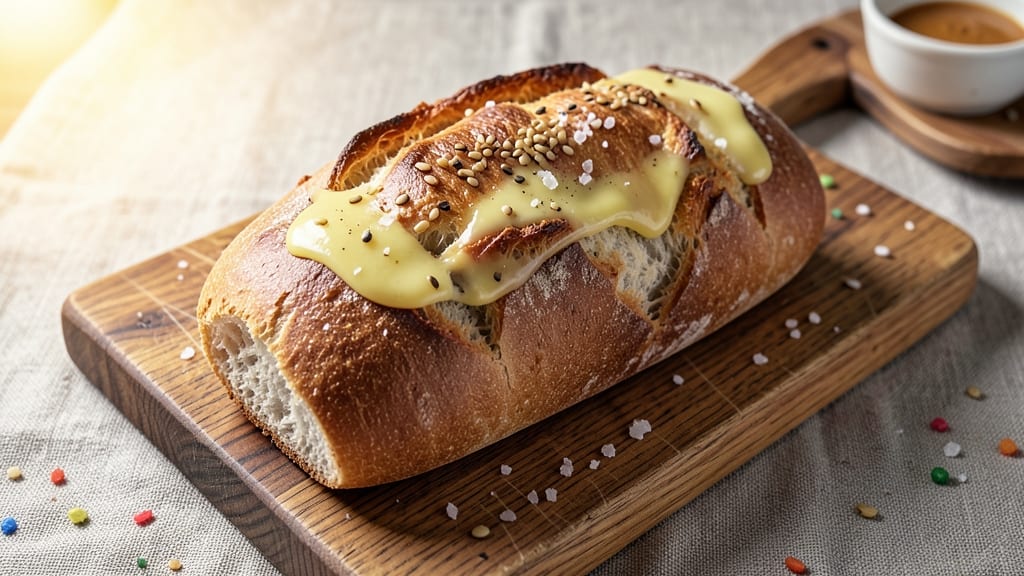
This Aspen Mills bread recipe delivers the homestyle crust and pillowy interior that made it legendary. 🌟 The secret lies in precise yeast activation, gentle kneading, and a slow bake that transforms simple ingredients into artisanal perfection.
I've perfected this version after years of testing—no shortcuts, just the authentic taste of a rustic bakery.
What sets this recipe apart is the three-stage proofing process, which develops maximum flavor and texture. The dough rests first at room temperature, then chills overnight for depth, and finally rises before baking.
This patience pays off with a loaf that's crisp on the outside and impossibly soft inside, with that signature Aspen Mills aroma wafting through your kitchen.
The result is a golden-brown crust with subtle crackling texture, giving way to tender crumb that practically melts in your mouth. Every slice reveals those perfect air pockets and a slight chewiness that disappears with each bite. This isn't just bread—it's the kind that becomes a family tradition.
Perfect for sandwiches, toast, or serving alongside soups, this recipe yields one full loaf with no waste. The dough is forgiving enough for beginners but delivers professional results. Let's get started on creating your own bakery-quality loaf at home.
Ingredients for aspen mills bread
Ten simple ingredients transform into legendary Aspen Mills bread with crisp crust and pillowy interior.
| Ingredient | Amount | Notes |
|---|---|---|
| Active Dry Yeast 🍞 | 2 ¼ tsp | One packet for convenience |
| Warm Water 💧 | 1 ¼ cups | 110°F for yeast activation |
| All-Purpose Flour 🌾 | 5 cups | Bread flour preferred for chewiness |
| Granulated Sugar 🍚 | ¼ cup | Enhances yeast activation |
| Salt 🧂 | 1 ½ tsp | Diamond Crystal preferred |
| Unsalted Butter 🧈 | ½ cup | Cold, cubed for texture |
| Large Eggs 🥚 | 1 whole | Room temperature for mixing |
| Milk 🥛 | ¼ cup | Warm for easier mixing |
| Cornmeal 🌽 | ¼ cup | For dusting bread pan |
| Coarse Sea Salt 🧂 | 1 tbsp | For crust sprinkling |
| Egg Wash 🥚 | 1 whole | 1 egg beaten with 1 tbsp water |
| Water 💧 | 1 tbsp | For egg wash mixture |
The yeast is where this bread's magic begins. King Arthur or Fleischmann's are reliable brands, but check expiration dates—old yeast dies before it can activate. For the flour, King Arthur Bread Flour gives that signature chew, but all-purpose works in a pinch. The butter should be cold when you cube it—Plugrá or Land O'Lakes are good choices. Warm the milk and water separately to 110°F (like bathwater) before mixing with yeast. Too hot kills yeast; too cold and it won't activate. I always test the water temperature with my finger—should feel warm but not uncomfortable.
No bread flour? Add 1 tbsp vital wheat gluten per 5 cups flour for similar texture. Short on butter? Coconut oil works, though it adds a slight coconut flavor. The egg wash can be made with just water if you're avoiding eggs—1 tbsp water + 1 tbsp oil works too. For the sugar, brown sugar adds depth but may darken the crust slightly. The coarse salt on top isn't just for flavor—it creates those signature crackles. Maldon or Diamond Crystal flakes work best. If your dough feels too sticky after kneading, add 1 tbsp more flour gradually until it's just tacky to the touch.
The dough can be refrigerated for up to 24 hours between proofing stages—this actually enhances flavor. For best results, shape the loaf in a 9x5-inch loaf pan lined with parchment paper. The bread keeps well at room temperature for 3 days wrapped in a clean kitchen towel, or 1 week in the fridge. For longer storage, slice and freeze portions—3 months with no quality loss. I always bake two loaves: one for immediate use and one to freeze for lazy mornings. The crust stays crisp even when reheated, so there's no need to worry about staleness.
Why You'll Love This Recipe
- No-Knead Magic: I swear by this—just mix the yeast, warm water, and flour, let it sit, then bake. That’s it. No standing at the counter, no sore arms, just hands-off perfection.
- Sweet-Savory Balance: The touch of granulated sugar in the dough gives it a subtle caramel note when toasted, while the salt keeps it grounded. Honestly, it’s the kind of bread that makes you pause mid-bite.
- Meal Prep MVP: Bake a loaf on Sunday, and you’ve got breakfast, sandwiches, and toast covered. Between us, my freezer’s full of these—thaw, slice, and you’re golden.
- Budget Baking Wins: Five ingredients, zero specialty items. This bread costs pennies per slice but tastes like you spent hours on it. (Yes, even on a Tuesday night.)
Step-by-step instructions for Aspen Mills bread
Master the art of creating a rustic loaf with a crisp, golden crust and a tender, pillowy interior.
👨🍳 Step 1: Activate the Yeast for Maximum Rise
In a small bowl, combine the 1.25 cups warm water (tested at 110°F) with the 0.25 cup granulated sugar and stir until dissolved. Sprinkle the 2.25 tsp active dry yeast over the surface and let it sit for 5-10 minutes until it becomes frothy and bubbly. This foaming action confirms the yeast is alive and ready to work.
Here's the thing—if the mixture doesn't bubble within 10 minutes, your yeast is likely dead. Start over with fresh yeast, as this is the foundation of your bread's rise. The sugar helps activate the yeast faster, so don't skip this step even if you're eager to begin.
🍳 Step 2: Mix the Dough to Develop Gluten
In a large bowl, whisk together the 5 cups all-purpose flour and 1.5 tsp salt. Create a well in the center and pour in the yeast mixture, 1 whole large egg, and 0.25 cup warm milk. Using a wooden spoon, stir until a shaggy dough forms, then turn it out onto a lightly floured surface.
Knead the dough for 8-10 minutes until it becomes smooth and elastic. You'll know it's ready when it springs back slowly when poked. I like to use the "windowpane test"—stretch a small piece of dough thin enough to see light through it without tearing. This gluten development creates the bread's structure and chewiness.
🔥 Step 3: Incorporate Butter for Richness
Cut the 0.5 cup cold unsalted butter into small cubes and add them to the kneaded dough one piece at a time. After each addition, knead the dough gently for 1-2 minutes to distribute the butter evenly. The butter should be cold to create pockets of fat that will melt during baking, resulting in a tender crumb.
This is where the bread gets its signature richness. If the dough feels too sticky, add 1 tablespoon of flour at a time until it holds together. Place the dough in a lightly greased bowl, cover it with a damp towel, and let it rise in a warm place for 1-2 hours or until it has doubled in size. Patience here is key—the longer the rise, the better the flavor.
🥘 Step 4: Shape and Proof the Dough
Punch down the risen dough to release air, then shape it into a round loaf. Dust a 9x5-inch loaf pan with 0.25 cup cornmeal and place the dough inside, seam-side up. Cover the pan with a damp towel and let the dough proof for another 30-45 minutes until it rises just above the rim of the pan.
Real talk: don't overproof this dough. You want it to rise just enough to fill the pan and create a slight domed top. Overproofing leads to a dense, gummy texture. The cornmeal dusting prevents sticking and adds a subtle crunch to the crust.
🔥 Step 5: Bake to Golden Perfection
Preheat your oven to 375°F. Brush the dough with the 1 whole egg wash (mix 1 whole egg with 1 tbsp water) and sprinkle generously with 1 tbsp coarse sea salt. Bake for 35-40 minutes until the top is deep golden brown and the internal temperature reaches 190-200°F.
Here's the moment that matters: the bread should sound hollow when tapped on the bottom. If it browns too quickly, tent it with foil to prevent over-browning. Let it cool in the pan for 10 minutes before transferring to a wire rack. This resting period allows the steam to escape, preventing a gummy interior.
Pro Tips For Making Aspen Mills Bread
- Dissolve the Yeast First: I learned this the hard way—mixing dry yeast straight into flour kills its power. Instead, sprinkle the active dry yeast into the warm water (110°F) with a pinch of sugar first, then let it foam for 5-10 minutes before adding anything else. That’s when you know it’s ready to work.
- Use a Kitchen Scale: Measuring flour by cups is a guessing game, and this recipe hates guesswork. A 1:3 ratio of flour to water is key for the right texture, so weigh your flour (400g for a standard batch) instead of scooping. Trust me, your bread will thank you.
- Don’t Over-Knead the Dough: This isn’t a workout for your arms—stop when the dough pulls cleanly away from the bowl and springs back slowly. Overworking it makes gluten tough, and you’ll end up with chewy bread instead of the light, airy texture Aspen Mills bread is famous for. Two minutes past that point is too long.
- Add Salt Last: Salt slows yeast activity, so toss it in with the final flour addition, not at the start. This gives the yeast a head start to activate fully before hitting the brakes. Also, if you’re using bread flour, reduce salt by ¼ teaspoon—it’s already got more punch.
Serving suggestions for leftovers
Classic Sandwich Pairings
This bread shines as the star of classic sandwiches. For a grilled cheese, use sharp white cheddar and apple butter—the crust holds up perfectly to melting. I love making BLTs with crispy bacon and arugula, or Reuben sandwiches with sauerkraut and Russian dressing.
The bread's sturdy crust prevents sogginess, even with wet ingredients like tomato sauce or melted cheese. 🥪
Breakfast Serving Ideas
Toast thick slices with butter and top with maple syrup and crumbled bacon for a hearty breakfast. The bread's soft interior soaks up flavors beautifully. For a French toast twist, dip slices in a mix of eggs, cinnamon, and vanilla, then pan-fry until golden.
Serve with powdered sugar and berries for a decadent brunch treat.
Soup and Salad Accompaniments
Serve warm slices alongside creamy soups like tomato basil or butternut squash—it soaks up broth without turning mushy. For salads, tear into crusty croutons for Caesar or French onion soup.
The bread's golden crust adds visual appeal while complementing the dish's flavors. I often serve it with roasted vegetable soup and a sprinkle of Parmesan cheese for extra richness.
Dessert Twists
Drizzle warm slices with melted butter and honey for a simple dessert. For something fancier, spread with cream cheese and top with strawberries or raspberries. The bread's texture contrasts perfectly with sweet toppings.
You can also make cinnamon sugar bread pudding—slice the bread, layer with custard, and bake until golden. 🍯
Garnishing for Special Occasions
For a restaurant-worthy presentation, sprinkle the baked loaf with poppy seeds or sesame seeds before baking. After cooling, brush with melted butter and dust with powdered sugar for a sweet touch.
For savory dishes, pair with olive oil, flaky salt, and fresh rosemary. These simple garnishes elevate any meal while keeping the bread's signature flavor intact.
Meal Prep and Storage Tips
Slice cooled bread and store in an airtight container with a paper towel to maintain crispness. Reheat slices in a toaster or skillet for freshness. For sandwiches, assemble with fillings but skip the bread until ready to eat—this prevents sogginess.
The bread also freezes well: wrap slices in plastic wrap and store for up to 3 months. Thaw at room temperature before serving. ✨
Nutrition facts
Frequently asked questions
Can I substitute all-purpose flour for bread flour in this recipe?
Yes, you can use all-purpose flour, but for the classic Aspen Mills texture, bread flour is ideal. The extra protein creates more gluten, giving that signature chewy bite. If substituting, add 1 tablespoon vital wheat gluten per 5 cups flour to mimic bread flour's effect. The bread will still taste delicious but may be slightly less chewy.
Why did my bread turn out dense instead of light and airy?
Dense bread usually means one of three things: overproofed dough, inactive yeast, or under-kneading. Check your yeast expiration date first—dead yeast won't activate. Also, ensure your dough rises in a warm spot (75-80°F) and doesn't double too quickly (should take 1-2 hours). If it rises too fast, it may collapse in the oven.
Can I make this bread without a loaf pan?
Shape the dough into a round boule or batard instead of a loaf. Place it on a baking sheet with parchment paper, score the top with a sharp knife, and bake at 425°F for 20-25 minutes for a crispier crust. The texture will be more rustic but equally delicious. Brush with egg wash and sprinkle with coarse salt as directed.
How do I know when the bread is fully baked?
Your bread is done when it reaches an internal temperature of 190-200°F and sounds hollow when tapped on the bottom. The crust should be deep golden brown, not pale. If it browns too quickly, tent with foil. Let it cool in the pan for 10 minutes before transferring—this prevents a gummy interior. Patience here makes all the difference!
Can I add herbs or seeds to this bread?
Yes! Try adding 1 tablespoon poppy seeds, sesame seeds, or fresh rosemary to the dough before final proofing. For savory bread, mix in 1 teaspoon dried herbs with the flour. For sweet versions, add ½ cup raisins or chocolate chips. Just don't exceed 10% of the flour weight—too many mix-ins can disrupt the bread's structure.