
Side Dishes
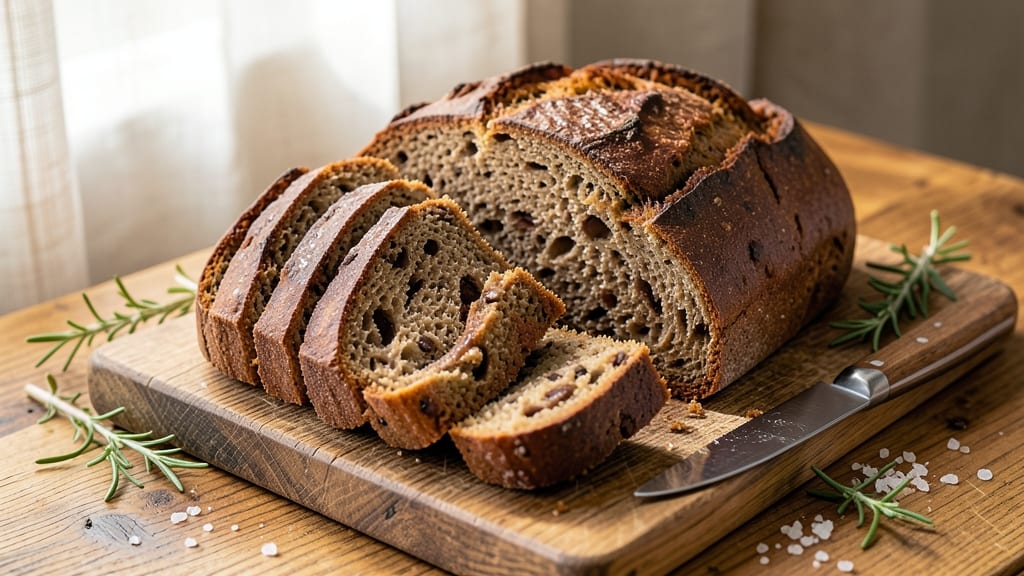
This authentic German pumpernickel bread recipe brings the soul of traditional German bakeries to your kitchen—dense, moist, and rich with molasses depth. ✨ The key lies in the slow fermentation process, which develops complex flavors and that signature dark color, while rye flour creates a hearty texture that’s both rustic and satisfying.
Unlike quick breads, pumpernickel requires patience—its magic unfolds over hours of fermentation and a long baking time in a covered loaf pan. The result? A loaf with a crispy crust and tender crumb, where every slice carries the warmth of German baking traditions.
This isn’t just bread; it’s a taste of history.
Perfect for sandwiches, toast, or served alongside hearty German dishes, this recipe delivers authentic flavor without shortcuts. The molasses adds a subtle sweetness, while rye flour ensures a robust, nutty base. Whether you’re baking for a family gathering or simply craving a taste of Germany, this loaf will impress.
For those short on time, a sourdough starter can be used as a substitute, though the flavor will differ slightly. The crust should be deep brown, almost black, while the interior remains soft and moist—proof of a well-baked loaf. Let’s get started on this timeless recipe.
Ingredients for authentic german pumpernickel bread
Authentic German pumpernickel relies on these essential ingredients for its signature dark crust and rich molasses flavor.
| Ingredient | Amount | Notes |
|---|---|---|
| Dark Rye Flour 🌾 | 4 cups | Light or medium rye preferred |
| All-Purpose Flour 🌾 | 1 cup | For structure and lift |
| Unsalted Butter 🧈 | 1 cup | Cold, cubed for mixing |
| Molasses 🍯 | ½ cup | Unsulphured for authentic flavor |
| Active Dry Yeast 🍞 | 2 tsps | Or 1 packet instant yeast |
| Warm Water 💧 | 1 ½ cups | 110°F (43°C) for activation |
| Granulated Sugar 🍚 | 1 tbsp | Feeds yeast for fermentation |
| Salt 🧂 | 1 ½ tsp | Kosher or sea salt preferred |
| Honey 🍯 | 1 tbsp | Enhances fermentation |
| Cocoa Powder 🍫 | 1 tbsp | For depth and color |
| Blackstrap Molasses 🍯 | 1 tbsp | For intense flavor |
| Sesame Seeds 🌰 | 1 tbsp | Optional for topping |
The rye flour is non-negotiable here—look for dark rye at specialty stores like King Arthur Flour or Bob's Red Mill for that authentic German depth. If you can only find light rye, a mix of dark and light will still work. Molasses should be unsulphured for the best flavor, and blackstrap molasses adds an extra layer of intensity. For the yeast, Fleischmann's or Red Star are reliable brands, but any active dry yeast will do. The butter should be cold when mixed in to prevent overdevelopment of the gluten, which would make the bread too dense.
No dark rye flour? Substitute with pumpernickel flour if available, or use a blend of whole wheat and all-purpose flour (though the flavor will differ). For a quicker fermentation, instant yeast works at half the amount, but the flavor won't be as developed. If you're avoiding honey, maple syrup at the same quantity works well. The cocoa powder can be swapped for espresso powder at half the amount for a coffee note. For the sesame seeds, poppy seeds or flaxseeds add a nice contrast if you prefer.
This dough needs time to ferment—plan for at least 8-12 hours in the fridge for optimal flavor. The longer it ferments, the more complex the taste. Once baked, the loaf keeps well wrapped in a bread bag for 3-4 days at room temperature. For longer storage, freeze the cooled loaf wrapped in plastic for up to 3 months. To revive, wrap in a damp towel and warm in a 200°F (95°C) oven for 10 minutes—perfect for slicing fresh.
Why You'll Love This Recipe
- No-Knead Magic: This dough comes together in five minutes—just mix, let it rise overnight, then bake. Honestly, the hardest part is waiting, and even that’s worth it for that dense, satisfying crumb.
- Molasses Depth: That dark rye and molasses combo? It’s like a slow-burned caramel note in every bite. The butter softens the rye’s earthiness, but the molasses gives it this unexpected richness—almost like a dessert bread you’d never guess was for breakfast.
- Weeknight Workhorse: Toss a slice in the toaster for a quick breakfast, or use it to soak up gravy at dinner. Between us, I’ve even thrown it in my lunchbox—it’s sturdy enough to handle sandwiches without falling apart, and it keeps for ages.
- Budget-Friendly Staple: Dark rye flour might sound fancy, but it’s cheaper than buying pre-made pumpernickel, and a batch lasts me two weeks (yes, even with my coffee-drinking husband). The yeast and butter are pantry basics, so you’re not hunting for obscure ingredients.
Step-by-step instructions for authentic German pumpernickel bread
Here's how to craft a traditional German loaf with deep molasses flavor and a signature rustic crust.
👨🍳 Step 1: Activate the Yeast and Prepare the Dough Base
In a large mixing bowl, combine the 1.5 cups warm water (about 110°F) with the 1 tbsp granulated sugar and 2 tsps active dry yeast. Let this sit for 5-10 minutes until it becomes frothy and bubbly—this confirms your yeast is alive and ready to work. If it doesn't bubble, your yeast may be dead, and you'll need to start over.
While waiting, whisk together the 4 cups dark rye flour, 1 cup all-purpose flour, 1.5 tsp salt, 1 tbsp cocoa powder, and 1 tbsp blackstrap molasses in a separate bowl. The rye flour should have a rich, earthy aroma—this is where the authentic German flavor comes from. Once the yeast mixture is bubbly, pour it into the dry ingredients and stir until just combined.
🍳 Step 2: Incorporate Wet Ingredients and Develop the Dough
Add the 1 cup cold cubed unsalted butter to the flour mixture and use your hands to work it in, pressing and kneading until the butter is fully incorporated and the dough begins to come together. This step is crucial—cold butter creates pockets of steam during baking, resulting in that signature tender crumb.
Next, stir in the 0.5 cup molasses and 1 tbsp honey. The molasses should darken the dough slightly, giving it that classic pumpernickel color. Turn the dough out onto a lightly floured surface and knead for 8-10 minutes until smooth and elastic. You'll notice the dough is denser than typical bread dough—this is normal for rye bread. Shape it into a round loaf and place it back in the bowl.
⏰ Step 3: First Rise and Cold Proof for Enhanced Flavor
Cover the bowl with a damp towel and let the dough rise in a warm place for 1-2 hours, or until it has nearly doubled in size. The warm environment helps the yeast work efficiently, but don't rush this step—proper fermentation develops the bread's complex flavors. After the initial rise, shape the dough into a round loaf again and place it in a greased pullman pan or round baking dish.
Here's the secret to authentic pumpernickel flavor: cover the dough and refrigerate for 12-24 hours. This cold proofing slows fermentation, allowing the molasses and rye flavors to deepen and mellow. The dough will rise slightly during this time, but it won't double like it did during the first rise. This step is non-negotiable for that true German taste.
🔥 Step 4: Bake with Steam for a Crisp Crust
Preheat your oven to 375°F and place a baking sheet on the lower rack. Once the oven is fully preheated, place the pullman pan on the baking sheet. Pour 1 cup hot water into the bottom of the oven (this creates steam for a crisp crust) and immediately close the door. Bake the bread for 50-60 minutes until the top is deep brown and the internal temperature reaches 205°F.
About halfway through baking, you can brush the top with a little water if it's not browning enough. The bread should have a thick, dark crust with a slightly cracked surface—this is what gives pumpernickel its distinctive appearance. Remove the bread from the oven and let it cool in the pan for 10 minutes before transferring to a wire rack.
🍽️ Step 5: Optional Topping and Serving
While the bread is still warm, sprinkle the top with 1 tbsp sesame seeds for added texture and visual appeal. These seeds will toast slightly during cooling, adding another layer of flavor. Let the bread cool completely before slicing—this ensures clean cuts and prevents it from falling apart. Traditional German pumpernickel is dense and slightly sweet, with a deep molasses flavor that pairs beautifully with butter, cheese, or smoked meats.
For the best results, store the bread wrapped in a clean kitchen towel in an airtight container. It will keep well at room temperature for up to 5 days or can be frozen for up to 3 months. This bread improves with age, developing even more complex flavors over time.
Pro Tips For Making Authentic German Pumpernickel Bread
- Soak the Flour: Dark rye flour absorbs liquid like a sponge—don’t just mix it in. Combine it with warm water (about 110°F) and a splash of molasses first, then let it sit for 30 minutes before adding yeast. I learned this the hard way when my first batch turned into dense, chewy bricks instead of the light, crumbly loaf I wanted.
- Chill the Dough: Skip the rush and refrigerate the dough overnight—yes, even if you’re impatient like me. The cold slows fermentation, deepens the molasses flavor, and makes shaping easier. My grandmother swore by this, and she was right: the crust turns a rich, dark amber instead of cracking prematurely.
- Butter in Small Batches: Work the unsalted butter into the dough in 2-tablespoon increments, or it’ll melt into a greasy mess. Keep the remaining butter chilled in the fridge until you need it—this keeps the texture tender without making the bread gummy. I was skeptical until I tried it, and now I never go back.
- Steam the Loaf: Don’t bake it dry. Place a metal tray with boiling water in the oven’s lower rack for the first 15 minutes—this mimics traditional German baking and prevents a tough crust. The steam also helps the molasses caramelize properly, giving that classic deep, almost chocolatey note. Sounds weird, but it works.
Dietary considerations for this dish
Gluten-Free Adaptations
For a gluten-free version, replace the 4 cups dark rye flour and 1 cup all-purpose flour with a 1:1 gluten-free flour blend like Bob's Red Mill 1-to-1. Add 1 tbsp xanthan gum to mimic gluten's binding properties.
The dough will be stickier, so use a stand mixer with a dough hook for 5 minutes to develop structure. Expect a denser texture—this is normal for gluten-free rye bread. 🌾
Vegan Substitutions
Skip the butter and use 1 cup vegan butter (like Miyoko's) or ½ cup coconut oil for richness. Replace honey with 1 tbsp maple syrup, and use nutritional yeast instead of cocoa powder for depth.
The molasses remains vegan-friendly. Fermentation times may vary slightly, so monitor dough rise closely. 🌱
Low-Sugar Options
Reduce molasses to ¼ cup and omit honey entirely. Add 1 tbsp apple cider vinegar to enhance fermentation without sweetness. Use 1 tbsp erythritol or monk fruit sweetener instead of granulated sugar.
The bread will be less sweet but still rich in rye flavor. Test doneness with a thermometer—205°F internal temp ensures proper baking. 💡
Sourdough Starter Swap
Replace yeast with 1 cup active sourdough starter (fed and bubbly). Reduce warm water to 1 cup to maintain proper hydration. The dough will take 24-48 hours to ferment at room temperature, developing tangy depth.
For best results, use a 100% hydration starter (equal parts flour and water). This version requires less molasses—start with ¼ cup and adjust to taste. 🍞
Allergen-Friendly Notes
For nut-free kitchens, omit sesame seeds and use poppy seeds instead. Check molasses labels for potential cross-contamination with soy or dairy. If avoiding cocoa, swap for 1 tbsp instant coffee granules for a similar earthy note.
Always verify ingredient sources—King Arthur Flour and Bob's Red Mill clearly label allergen-free products. 🚫
Storage Flexibility
For extended freshness, slice the cooled loaf and freeze individual portions in ziplock bags. Toast frozen slices directly in a toaster for 3-4 minutes—no thawing needed.
The bread's moisture content means it won't dry out like wheat bread when frozen. For gluten-free versions, freeze within 2 days to prevent texture breakdown. ❄️
Nutrition facts
Frequently asked questions
Why does authentic German pumpernickel need such a long fermentation?
The extended cold proofing (12-24 hours) is essential for developing pumpernickel's signature deep molasses flavor and complex rye notes. This slow fermentation allows the enzymes in the rye to break down starches into sugars, creating that rich, slightly sweet taste. Skipping this step results in a bread that's more like dense rye rather than true pumpernickel.
Can I use whole wheat flour instead of dark rye flour?
While you can substitute, the flavor won't be authentic. Dark rye provides the signature earthy depth and molasses-like sweetness. For a closer result, use a blend of 70% dark rye and 30% whole wheat flour. The texture will be slightly lighter but still hearty. For best results, stick with traditional dark rye flour from specialty stores.
What's the secret to getting that dark crust without burning?
The key is baking with steam! Place a baking sheet with 1 cup hot water in the oven when you put the bread in. This creates steam that helps develop a deep, glossy crust. Check the bread at 50 minutes—if it's browning too quickly, tent it with foil. The internal temperature should reach 205°F for perfect doneness.
How do I know when the dough is properly kneaded?
Rye dough is denser than wheat dough, so it won't be as elastic. Knead until the dough is smooth and no longer sticky (about 8-10 minutes). It should hold together when pressed gently and leave a slight imprint when you poke it with your finger. If it feels too dry, add 1 tsp warm water at a time.
Can I make pumpernickel without molasses?
While possible, molasses is crucial for authentic flavor. For a substitute, use ½ cup dark corn syrup or ¼ cup maple syrup plus 1 tbsp coffee granules to mimic the depth. The bread will be less sweet but still hearty. Traditional German pumpernickel relies on molasses for its signature taste—don't skip it if you want that classic experience!