
Side Dishes
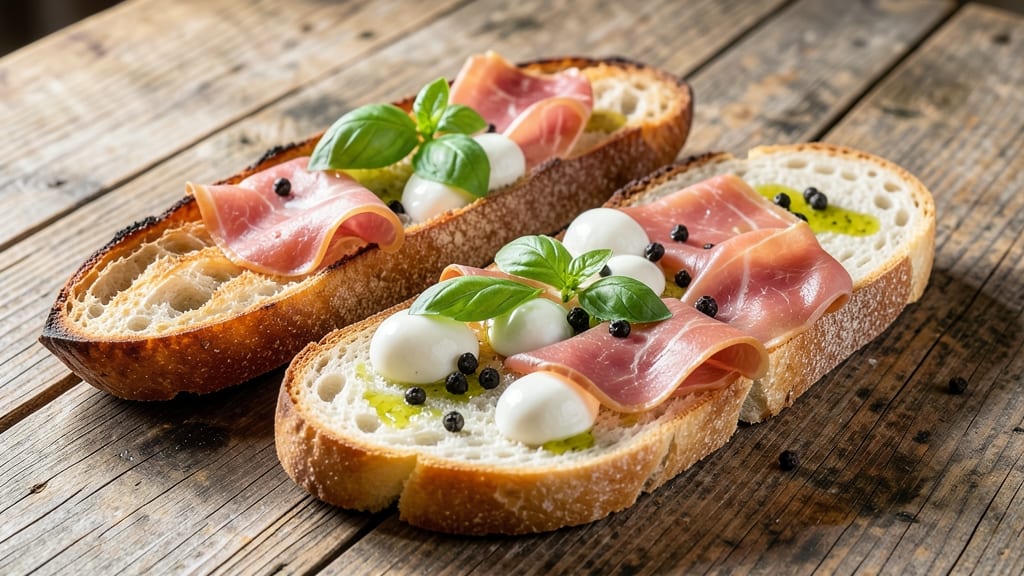
This authentic Italian panini bread recipe transforms simple bread into a crispy, golden masterpiece with layers of melty cheese and savory fillings. The secret lies in the right bread—whether it's chewy ciabatta, fluffy focaccia, or a rustic baguette—and the perfect pressing technique to achieve that signature caramelized crust.
I've perfected this method over years of testing, ensuring every bite delivers the satisfying crunch and rich flavors of a true Italian panino.
What sets this recipe apart is the balance of texture and flavor. The bread must be toasted until golden brown on the outside while remaining soft inside, creating the ideal contrast.
Traditional Italian panini often feature simple yet bold fillings like prosciutto and melon, caprese staples, or mortadella, but modern twists—like pesto or balsamic glaze—can elevate them further. The key is pressing the panini just long enough to melt the cheese without drying out the bread.
By the time you're done, you'll have panini that look and taste like they came straight from a Milanese or Roman trattoria—crispy edges, gooey cheese, and layers of flavor in every bite.
This recipe is designed to be both authentic and adaptable, so you can customize it to your taste while keeping that classic Italian touch. Whether you're serving them as a light lunch or a hearty appetizer, they're sure to impress.
The best part? No special equipment is needed—just a good pan or grill and a heavy weight to press the panini. Let's get started on creating your perfect Italian panini experience.
Ingredients for authentic italian panini bread
Fresh bread, bold cheeses, and a touch of Italian flair—this is your panini lineup.
| Ingredient | Amount | Notes |
|---|---|---|
| Baguette Loaves 🍞 | 2 whole | Freshly baked, crust removed |
| Ciabatta Rolls 🍞 | 4 whole | Sliced in half horizontally |
| Prosciutto di Parma 🥓 | ½ lb | Thinly sliced, deli counter |
| Mozzarella Cheese 🧀 | 8 oz | Fresh, low-moisture, sliced |
| Provolone Cheese 🧀 | 4 oz | Sliced, sharp variety |
| Fresh Basil Leaves 🌿 | ¼ cup | Torn, for caprese filling |
| Ripe Tomatoes 🍅 | 1 whole | Sliced, vine-ripened |
| Pesto Sauce 🍅 | ¼ cup | Homemade or quality jarred |
| Balsamic Glaze 🍯 | 2 tbsp | For drizzling, reduced |
| Olive Oil 🫒 | 2 tbsp | Extra-virgin, for brushing |
| Butter 🧈 | 2 tbsp | Softened, for toasting |
| Salt 🧂 | ½ tsp | Diamond Crystal kosher |
| Black Pepper 🌶️ | ¼ tsp | Freshly cracked |
| Garlic Cloves 🧄 | 2 cloves | Thinly sliced, for pesto |
The bread is non-negotiable. Trader Joe's or Whole Foods have the best ciabatta and baguettes—look for crusty, airy loaves with a crisp exterior. If you're near an Italian market, grab a rustic focaccia too. Freshness matters: the bread should smell like yeast and toast, not stale. Slice the baguette lengthwise for classic panini, but ciabatta's holes make it perfect for melting cheese pockets. Pro tip: toast the bread lightly before assembling—just 30 seconds per side in a dry pan. This crisps the exterior without drying out the interior, setting the stage for that perfect crunch.
No prosciutto? Genova salami or thick-cut ham works in a pinch, but trust me on the prosciutto—it's worth the splurge. Fresh mozzarella is ideal, but low-moisture shredded (no fillers) gets the job done. For the caprese filling, vine-ripened tomatoes are a must—they burst with juice and sweetness. Short on pesto? Mix 2 tbsp olive oil with 1 tbsp basil, 1 clove garlic, salt, and pepper. The balsamic glaze should be reduced—simmer 4 oz of balsamic vinegar until syrupy (about 10 minutes). And if you're feeling fancy, add a smear of fig jam or sun-dried tomato spread for depth. The key is balance: one rich element (pesto, prosciutto) with one fresh (tomato, basil).
Assembled panini keep for 2 hours at room temperature if wrapped tightly in parchment and foil. For longer storage, freeze unassembled panini (with cheese and fillings) for up to 1 monthReheat in a skillet for 2-3 minutes per side until golden. Pro move: make extra fillings and store them separately. The pesto keeps for 1 week in the fridge, and the prosciutto lasts 2 weeks wrapped in the fridge. This is the kind of recipe that tastes even better the next day—flavors meld, textures soften just right.
Why You'll Love This Recipe
- Here’s what sold me: the way provolone’s sharp bite softens against creamy mozzarella while the prosciutto adds that je ne sais quoi saltiness. Toast it just right, and you’ve got that perfect crunch-meets-gooeyness that makes me forget to eat neatly. (Yes, even on a Tuesday night.)
- I’ll be real: prosciutto isn’t cheap, but a few slices stretch so far when you’re smart. Save scraps for salads or pasta, and those cheeses? They last. Plus, stale bread? Toss it in the panini—it’s the only time I don’t judge. (Not the prettiest, but the taste makes up for it.)
Step-by-step instructions for authentic Italian panini bread
Here's how to craft restaurant-quality Italian panini with crispy crusts and melty cheese layers.
Prepare the Bread with Perfect Texture
Slice the 2 whole baguette loaves lengthwise into 4 equal pieces (each about 8 inches long). Use a serrated knife for clean cuts. For the 4 whole ciabatta rolls, cut each in half horizontally to create flat surfaces for pressing. Brush all cut surfaces generously with 2 tablespoons olive oil—this creates that signature golden crust while keeping the interior soft.
Spread 2 tablespoons softened butter on the outer surfaces of both bread types. This butter acts as a sealant, preventing the bread from becoming soggy when pressed. Sprinkle lightly with ½ teaspoon salt and ¼ teaspoon black pepper for subtle seasoning. Let everything sit at room temperature for 10 minutes while you prepare the fillings—this ensures even toasting.
Assemble the Classic Italian Fillings
For the prosciutto di Parma, arrange ¼ pound of the thinly sliced prosciutto on one half of each bread piece. Overlap the slices slightly for maximum flavor coverage. Next, layer 2 ounces each of mozzarella cheese and 1 ounce each of provolone cheese—this combination delivers that perfect balance of creamy and sharp flavors.
Create a simple caprese filling by combining ¼ cup torn fresh basil leaves with 1 sliced vine-ripened tomato. Drizzle with 2 tablespoons balsamic glaze and a thin layer of ¼ cup pesto sauce. For added depth, sprinkle with a pinch of salt and black pepper. This fresh contrast cuts through the richness of the cured meats and cheeses.
Press to Golden Perfection
Heat a non-stick skillet over medium-high heat—no oil needed. Place one bread half (butter-side down) in the pan and press down firmly with a heavy pan or panini press for 2 minutes until golden brown spots appear. This creates that signature crispy crust while keeping the interior tender.
Remove the pressed bread and add the fillings to one half. Top with the second bread half (butter-side up) and press again for another 2 minutes until the cheese begins to melt and the bread develops a deep golden color. The key is patience—don't rush this step or the bread will burn before the cheese melts properly.
Toast Until Crispy and Melty
Transfer the assembled panini to a clean skillet (no additional oil needed) and toast over medium heat for 1-2 minutes per side until the cheese is fully melted and the bread has a beautiful golden-brown crust. You'll know it's ready when the edges are crispy and the cheese pulls slightly when you lift the panini.
For extra authenticity, finish with a drizzle of balsamic glaze and a sprinkle of fresh basil leaves. Serve immediately while the bread is still warm and the cheese is gooey. Each bite should deliver that perfect combination of crispy crust, creamy cheese, and savory Italian flavors—just like a true Roman street panino.
Pro Tips For Making Authentic Italian Panini Bread
- CRANK THE HEAT HIGH: That panini press or skillet won’t work magic if you’re playing it safe—your baguette or ciabatta needs screaming heat to get that crispy crust. I’m talking 400°F (200°C) minimum, and don’t back off until you see golden-brown spots. The cheese will melt just fine; the bread’s the star here.
- DRY THE BREAD SLICES: Fresh bread? Toss it. Even slightly damp bread will steam instead of crisp. Lay your baguette or ciabatta slices on a wire rack for 10 minutes before assembling—yes, even if you’re in a hurry. Trust me, the difference between soggy and perfect is just airflow.
- LAYER PROSCIUTTO LAST: Put that prosciutto on first, and it’ll turn into a sad, greasy puddle. Slap it on after the cheese melts—right before pressing—so it stays crisp and adds that salty punch at the end. (Pro tip: tear it, don’t slice, for maximum texture.)
- USE PROVOLONE FOR STRUCTURE: Mozzarella’s great, but it’s the provolone that holds your panini together. Mix in at least half provolone with the mozzarella—it melts cleaner and won’t turn your sandwich into a cheese avalanche. (I learned this after watching my first panini fall apart mid-bite.)
Wine and beer pairings for authentic italian panini bread
Classic Italian Wine
For the traditional prosciutto and mozzarella panini, a crisp Pinot Grigio from the Veneto region is my go-to choice. Its bright acidity and citrus notes cut through the richness of the cured meats and creamy cheese, cleansing your palate between bites.
Look for a 2022 Santa Margherita Pinot Grigio—it's widely available and delivers that perfect balance of freshness and minerality. 🍷
Bold Red Options
If you prefer red wine, a Chianti Classico from Tuscany pairs beautifully with the prosciutto and tomato combination. The medium-bodied structure and hints of cherry complement the salty prosciutto while the acidity stands up to the fresh mozzarella.
I recommend a 2021 Ruffino Chianti Classico—it's approachable without being overly tannic. For a lighter option, try a Sangiovese from the same region.
Craft Beer Pairings
A crisp Italian lager like Peroni or Moretti works surprisingly well with these panini, especially when paired with the pesto and balsamic glaze. The light maltiness and subtle hop bitterness provide a refreshing contrast to the rich fillings.
For a more adventurous option, try a Belgian-style witbier like Hoegaarden—its citrusy notes and effervescence mirror the bright flavors in the panini.
Seasonal Variations
In summer, a chilled Prosecco from the Veneto region adds a festive touch to your panini spread. Its bubbles and slight sweetness complement the caprese filling beautifully. For winter, a Barolo from Piedmont—with its bold tannins and dark fruit notes—pairs wonderfully with heartier fillings like mortadella or fontina cheese.
The wine's intensity matches the richness of the panini while adding complexity to each bite. 🍷
Non-Alcoholic Options
For those avoiding alcohol, a sparkling San Pellegrino Aranciata or Sanbitter offers a refreshing citrusy alternative. The effervescence mimics the bubbles of Prosecco while the orange and bitter orange flavors provide a bright contrast to the savory panini.
For a more herbal option, try a blood orange soda—its natural sweetness and tang complement the prosciutto and mozzarella beautifully.
Serving Temperature
Serve all wines slightly chilled—around 50-55°F for whites and 60-65°F for reds. Beer should be served at cellar temperature (45-50°F) for lagers and slightly cooler (40-45°F) for witbiers.
The right temperature enhances the wine's or beer's natural flavors, ensuring they complement—not compete with—the panini's rich profile. 🍺
Nutrition facts
Frequently asked questions
What's the best bread for authentic Italian panini?
For that classic Italian crunch, use ciabatta or baguette—their airy textures hold up perfectly to pressing. Ciabatta's holes create pockets for melty cheese, while baguette gives a crispy, rustic crust. Avoid soft sandwich bread—it turns mushy when pressed. Pro tip: Toast the bread lightly before assembling to prevent sogginess.
Can I make panini without a special press?
Use a heavy skillet or even a cast-iron pan as a weight. Heat it over medium-high heat, place your assembled panini inside, and press down firmly with a spatula for 2-3 minutes until golden. A clothespin or tongs can also work in a pinch—just clamp it tightly while toasting.
Why is my panini cheese not melting properly?
Cheese needs direct heat and pressure to melt. If it's not melting, your pan might not be hot enough—try medium-high heat instead of medium. Also, ensure the bread is pressed firmly for at least 2 minutes per side. Low-moisture cheese (like provolone) melts better than fresh mozzarella—drain excess moisture from fresh cheese first.
How do I store leftover panini?
Wrap panini tightly in parchment paper and foil to keep them fresh for 2 hours at room temperature. For longer storage, freeze unassembled panini (with fillings) for up to 1 month. To reheat, toast directly from frozen in a skillet with a splash of water—this revives the crispy crust and melts the cheese perfectly.
What are some traditional Italian panini fillings?
Classic combinations include prosciutto e melone (prosciutto + cantaloupe), caprese (mozzarella + tomato + basil), and mortadella e rucola (mortadella + arugula). For extra authenticity, add a drizzle of balsamic glaze or pesto. Avoid heavy sauces—they make the bread soggy.