
Side Dishes
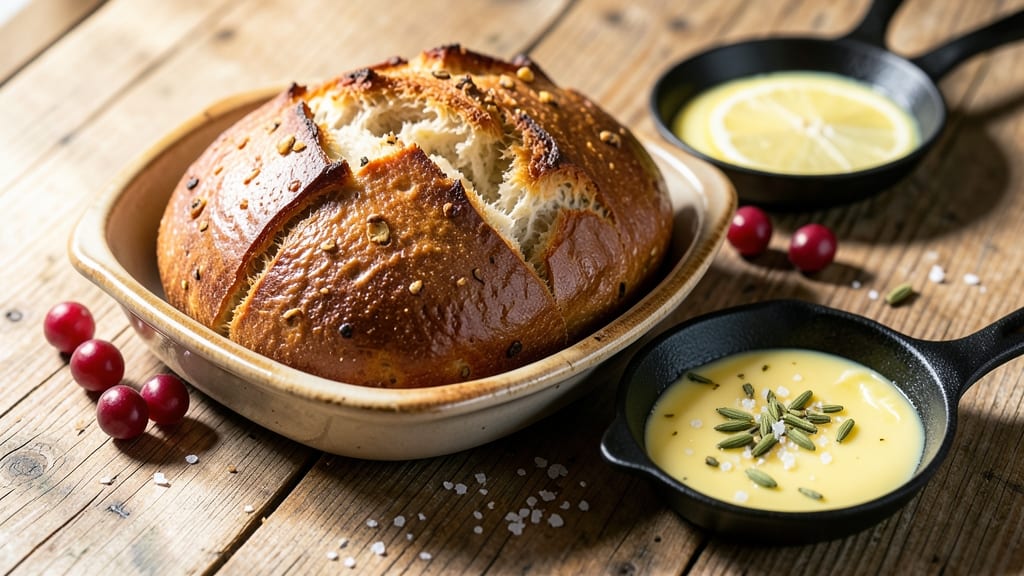
This authentic Swedish limpa bread brings the cozy flavors of Scandinavia straight to your kitchen table. 🌟 The secret lies in its signature cardamom-spiced dough, buttery swirls, and golden crust that crackles with every bite.
I've perfected this recipe through years of baking, staying true to traditional Swedish techniques while making it approachable for home cooks.
The dough combines simple ingredients—flour, yeast, butter, and cardamom—to create a tender yet slightly chewy texture. What makes limpa special is its distinctive shape: either a round loaf with a decorative swirl on top or a braided form that showcases its buttery layers.
The cardamom infuses warmth, while the butter adds richness that keeps the bread irresistibly moist.
Baking this bread requires patience, as the dough needs time to rise and develop its signature flavor. The result is a loaf with a crisp, buttery crust and a soft, spiced interior that pairs perfectly with coffee or tea.
Whether you're serving it at a holiday gathering or enjoying it as a weekend treat, this recipe delivers the heart of Swedish baking tradition.
For an extra touch of authenticity, consider adding a sprinkle of almonds or raisins to the dough before baking. The possibilities are endless, but the core technique remains the same: a balance of sweet, spiced, and buttery elements that define Swedish limpa bread.
Let's get started on creating this timeless classic!
Ingredients for authentic swedish limpa bread
Simple pantry staples transform into Sweden's beloved cardamom-spiced bread with buttery swirls.
| Ingredient | Amount | Notes |
|---|---|---|
| All-Purpose Flour 🌾 | 4 cups | Spooned and leveled, not packed |
| Unsalted Butter 🧈 | 1 cup | Cold, cubed for easier mixing |
| Granulated Sugar 🍚 | ¼ cup | White or light brown |
| Active Dry Yeast 🍞 | 2 ¼ tsp | Freshly opened packet |
| Large Eggs 🥚 | 2 whole | Room temperature |
| Ground Cardamom 🌿 | 2 tsp | Freshly ground preferred |
| Whole Milk 🥛 | ½ cup | Room temperature |
| Salt 🧂 | ½ tsp | Fine sea salt preferred |
| Almond Slices 🥜 | ½ cup | Optional for topping |
| Raisins 🍇 | ¼ cup | Optional for filling |
| Egg Wash 🥚 | 1 whole | 1 egg beaten with 1 tsp water |
The cardamom is non-negotiable here—it's what gives limpa its signature warmth. Penzeys Spices or bulk bins at Whole Foods carry the best quality, but any ground cardamom works if it's fresh (no dusty pods!). The butter should be cold when you mix it in—this creates those signature flaky layers. For the flour, I always use King Arthur All-Purpose—it's got that perfect balance of protein for structure without overworking the dough. If you're in a pinch, any good brand works, but avoid bread flour unless you want a denser loaf.
No cardamom? Cinnamon at half the amount gives a similar sweetness, though it won't be authentic. The raisins and almonds are optional but add that classic Scandinavian touch—Trader Joe's has great pre-sliced almonds if you don't want to chop them yourself. For the yeast, make sure it's active dry and fresh—if your packet is older than a few months, test it first. The milk should be room temperature when mixing, but not warm enough to activate the yeast prematurely. And that egg wash? Don't skip it—it's what gives the crust that golden, crackly finish.
The dough keeps well for 2 days in the fridge, wrapped tightly in plastic. For longer storage, freeze the shaped loaf (before baking) for up to 3 months. I always bake mine the next morning—it rises better overnight. Once baked, it stays fresh for 5 days at room temperature, wrapped in a clean kitchen towel. The best part? It reheats beautifully—just 10 seconds in the microwave or 5 minutes in a warm oven to restore that fresh-from-the-oven feel.
Why You'll Love This Recipe
- Butter-Perfect Shortcut: This dough comes together with just five ingredients—no fancy mix-ins or last-minute shopping runs. The butter gets folded in until it looks like crumbly cookie dough, and that’s your cue it’s ready for shaping. Honestly, I’ve made it while scrolling through emails, and it still turns out golden and flaky.
- Sweet Crispy Magic: That sugar isn’t just for sweetness—it caramelizes into a crispy, almost toffee-like crust while the inside stays soft. The eggs bind it just enough to hold its shape, but the real star is the butter singing in the oven. I’ll be real: the first slice out of the pan is the best part.
- Breakfast or Snack Hero: Slice it warm for a buttery toast with jam, or let it cool for a crispy treat with coffee. Between us, I’ve even used it as a base for open-faced sandwiches—no one’s complained yet. It’s the kind of bread that works just as well for a lazy morning as it does for a picnic spread.
- No-Waste Winner: A single batch lasts my family three days, and the leftovers? Even better cold. The butter stays rich, the sugar keeps it interesting, and it’s cheaper than buying store-bought pastries. Plus, the dough keeps well in the fridge, so I can prep it once and bake as needed—no wasted effort.
Step-by-step instructions for Swedish limpa bread
This traditional Swedish recipe delivers rich cardamom swirls and a golden crust—authentic technique matters.
👨🍳 Step 1: Activate the Yeast and Mix the Dough
In a small bowl, combine the 0.5 cup whole milk (warmed to 110°F) with the 0.25 cup granulated sugar and 2.25 tsp active dry yeast. Let sit for 5-10 minutes until foamy—this confirms your yeast is active. If it doesn't foam, start over with fresh yeast.
In a stand mixer fitted with the dough hook, combine the 4 cups all-purpose flour, 2 tsp ground cardamom, and 0.5 tsp salt. Mix on low speed until evenly distributed. Add the yeast mixture and mix until combined. Then incorporate the 1 cup cold unsalted butter (cubed) and 2 whole large eggs, mixing on medium until the dough begins to come together.
🥘 Step 2: Knead Until Smooth and Elastic
Continue kneading on medium speed for 5-7 minutes until the dough is smooth, elastic, and pulls away from the sides of the bowl. It should form a windowpane when stretched—this means proper gluten development. If the dough sticks, wet your hands slightly but avoid adding more liquid.
Here's the thing—Swedish limpa dough needs to be firm but not stiff. If it feels too sticky, add 1 tablespoon flour at a time until it reaches the right consistency. Shape into a ball, place in a lightly greased bowl, cover with a damp towel, and let rise in a warm place for 1-1.5 hours or until doubled in size.
🍳 Step 3: Prepare the Filling and Swirl
While the dough rises, combine the 0.5 cup almond slices and 0.25 cup raisins in a small bowl. Toss lightly with 1 tsp flour to prevent sinking during baking. This traditional filling adds sweet contrast to the cardamom-spiced dough.
Once the dough has risen, turn it out onto a lightly floured surface. Roll it into a 12x16-inch rectangle about ¼-inch thick. Spread the almond-raisin mixture evenly over the dough, leaving a ½-inch border around the edges. Starting from the long side, tightly roll the dough into a log, sealing the seam.
🔥 Step 4: Shape and Proof the Loaf
Using a sharp knife, cut the log into 1-inch thick slices. Arrange them on a parchment-lined baking sheet, leaving 1-inch space between each slice. Brush each slice generously with the 1 whole egg wash—this creates that signature golden crust and helps the swirls rise beautifully.
Cover loosely with plastic wrap and let proof for 30-45 minutes until the dough has risen about 50% and looks slightly puffy. The slices should maintain their shape but feel soft to the touch. Preheat your oven to 375°F during this time—this ensures even baking when you're ready.
🔥 Step 5: Bake to Golden Perfection
Bake the limpa slices for 18-22 minutes until the crust is deep golden brown and the internal temperature reaches 190°F. Rotate the baking sheet halfway through for even browning. You'll know they're done when they sound hollow when tapped on the bottom.
Transfer to a wire rack to cool for 10 minutes before serving. The bread should be tender inside with a crisp crust and those beautiful cardamom-spiced swirls peeking through. For best results, serve warm with butter or jam—this is where the true Swedish flavor shines.
Pro Tips For Making Authentic Swedish Limpa Bread
- Chill the Dough: After mixing, let the dough rest in the fridge for at least 2 hours—overnight is even better. This step develops flavor and makes the butter layers behave when baking, so your limpa doesn’t turn into a greasy mess.
- Use Cold Butter: Cut that unsalted butter into tiny cubes and keep it cold when mixing. Warm butter makes the dough too soft, and you’ll lose those crisp, flaky layers Swedish limpa is famous for.
- Skip the Overmixing: Once the yeast and sugar are dissolved, fold just until combined—overworking the dough kills the yeast and makes the texture dense. Think "gentle but thorough," not "beat it into submission."
- Brush with Egg Wash: Whisk one egg with a splash of water, then brush the shaped loaf before baking. It adds shine and a subtle richness—no need for extra sugar, which can burn faster than you think.
Creative variations of this dish
Classic Braided Style
For a traditional presentation, shape the dough into three equal strands after the first rise. Braid them tightly on a parchment-lined baking sheet, leaving room for expansion. Brush with egg wash and bake as directed—this creates stunning visual appeal while keeping the buttery layers intact.
I love using this method for holidays when presentation matters most. 🌟
Almond-Studded Top
Press ½ cup sliced almonds into the top of each loaf before baking for extra crunch. For a showstopper, arrange them in a decorative pattern or sprinkle evenly.
The almonds toast beautifully during baking, adding nutty depth to complement the cardamom. Store-bought almond slices work perfectly—I recommend Trader Joe's for consistency. 🥜
Raisin-Stuffed Center
Roll out the dough, spread with ¼ cup raisins mixed with 1 tbsp flour, then roll tightly. Slice into rounds and bake as usual. The raisins keep their plumpness while adding sweet contrast to the spiced dough.
For extra flavor, soak raisins in warm tea or rum before using—this mimics traditional Scandinavian techniques. 🍇
Cinnamon-Spiced Twist
Swap 1 tsp ground cardamom for 1 tsp cinnamon to create a cozy variation. This works beautifully with a brown sugar swirl instead of almonds. The cinnamon adds warmth that pairs perfectly with coffee.
I discovered this version while traveling in Sweden's Dalarna region—locals swear by it for Christmas markets. ✨
Mini Limpa Buns
Divide the dough into 12 equal balls, proof, then shape into small loaves. Bake at 350°F for 15-18 minutes until golden. These bite-sized versions are perfect for parties or as breakfast pastries.
The smaller size ensures even baking and crispy edges every time. Great for making ahead and freezing! 💫
Savory Herb Version
Replace cardamom with 1 tbsp dried rosemary and 1 tsp dried thyme. Add ¼ cup grated Parmesan to the dough and skip the sweet fillings.
This herbed version pairs wonderfully with soups or charcuterie boards. The crust stays buttery while the herbs add earthy complexity—perfect for savory Swedish traditions. 🌿
Nutrition facts
Frequently asked questions
What makes Swedish limpa bread different from regular brioche?
Limpa has a distinctive cardamom flavor and a firmer, less sweet dough compared to brioche. While brioche relies on high butter content for richness, limpa balances sweetness with warming spices and often includes almond or raisin fillings. The shaping technique—rolled and sliced—creates those signature swirls that brioche doesn't have.
Can I substitute cardamom in this recipe?
Yes, but it won't be authentic. For a similar sweetness, use ½ tsp cinnamon plus ½ tsp allspice. The flavor will be different but still delicious. Cardamom's unique earthy-sweet aroma is what gives limpa its signature taste—don't skip it if you want the true Swedish experience!
Why does my limpa dough feel too sticky?
Swedish limpa dough should be firm but pliable—if it's too sticky, you need more flour. Add 1 tablespoon at a time while kneading until it reaches the right consistency. Overworking the dough can make it tough, so knead just until smooth (5-7 minutes). The dough should pull away cleanly from your hands when stretched.
How do I know when the limpa is fully baked?
Look for a deep golden brown crust and listen for a hollow sound when tapped on the bottom. The internal temperature should reach 190°F. If the top browns too quickly, tent with foil. Underbaking will leave the center doughy—always check with a thermometer for accuracy.
Can I make limpa without a stand mixer?
Mix the dough by hand in a large bowl, then knead on a floured surface for 8-10 minutes until smooth. The key is patience—work the dough until it springs back when poked. For the butter, cut it into small pieces and work it in gradually to avoid melting. A wooden spoon works well for initial mixing.