
Breakfast & Brunch
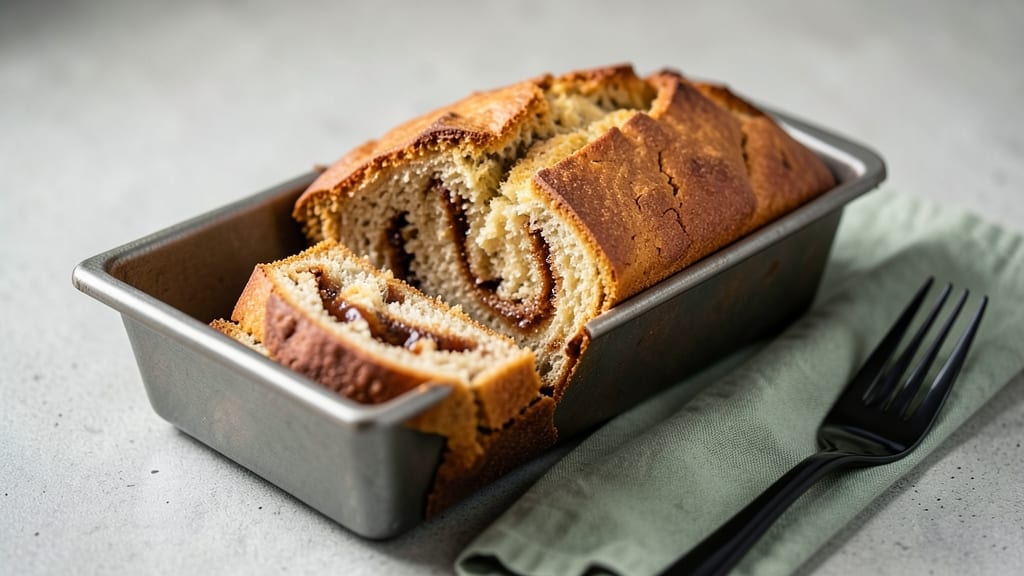
Betty Crocker's cinnamon bread recipe delivers that homemade bakery quality with every warm, buttery pull-apart swirl. The secret lies in precise yeast activation and patient rising—two steps that transform simple ingredients into a loaf with a golden, crackly crust and tender, cinnamon-kissed layers.
I've baked this recipe dozens of times, and it never fails to impress, whether for weekend breakfasts or holiday gatherings.
What makes this version special is the balance of sweetness and spice—the cinnamon-sugar swirls cut through the rich dough without overpowering it. The recipe uses active dry yeast for reliable rising, and the dough gets its signature texture from a two-stage kneading process.
Most importantly, it bakes up perfectly every time, with a fragrant aroma that fills the kitchen long before the timer goes off.
By the time you pull it from the oven, you'll have a loaf with crispy edges, soft interior, and those signature caramelized swirls that make it impossible to eat just one slice.
The buttery crust gives way to tender crumb, while the cinnamon-sugar mixture stays moist and flavorful. This is the kind of bread that makes homemade baking feel effortless—restaurant-quality without the fuss.
For extra indulgence, try adding chopped pecans to the swirl or brushing the crust with melted butter before baking. The variations are endless, but the core method remains foolproof. Let's get started on baking this classic that's been a family favorite for generations.
Ingredients for betty crocker cinnamon bread
Eight essential ingredients transform into golden, swirled perfection with every pull-apart bite.
| Ingredient | Amount | Notes |
|---|---|---|
| All-Purpose Flour 🌾 | 4 cups | Sifted for light texture |
| Granulated Sugar 🍚 | ½ cup | White sugar preferred |
| Active Dry Yeast 🍞 | 2 ¼ tsp | Freshly opened for potency |
| Unsalted Butter 🧈 | ½ cup | Cold, cubed for dough |
| Milk 🥛 | ½ cup | Room temperature for activation |
| Large Egg 🥚 | 1 whole | Room temperature for binding |
| Ground Cinnamon 🌶️ | 2 tbsp | Freshly ground for aroma |
| Light Brown Sugar 🍚 | ¼ cup | Packed for moisture |
| Diamond Crystal Kosher Salt 🧂 | 1 tsp | Fine grain for balance |
| Vanilla Extract 🍯 | 1 tsp | Pure extract preferred |
The yeast is non-negotiable—freshly opened active dry yeast ensures reliable rising. King Arthur or Bob's Red Mill are my go-to brands for consistent results. Store it in the freezer to preserve freshness, and always check the expiration date. The butter should be cold and cubed, not melted, to prevent overdevelopment during kneading. For the milk, room temperature is critical—it activates the yeast more efficiently than cold milk. If you're in a hurry, warm the milk to 100°F before adding the yeast mixture, but don't let it get hotter than that or you'll kill the yeast.
No vanilla extract? Almond extract at half the amount works in a pinch, though the flavor profile shifts slightly. Substituting brown sugar for white in the dough is fine, but the light brown sugar in the swirl mixture adds moisture and caramelization—don't skip it. For the butter, if you're out, vegetable shortening can be used, though it lacks the rich flavor. The cinnamon should be freshly ground if possible; pre-ground can lose potency quickly. If you must use pre-ground, toast it lightly in a dry pan to revive its aroma before mixing into the swirl.
Store the dough in an airtight container at room temperature for up to 24 hours if you're letting it rise overnight. Once baked, the loaf stays fresh for 3 days at room temperature, wrapped tightly in plastic. For longer storage, slice and freeze the bread—it reheats beautifully in a 350°F oven for 5-7 minutes. The swirls caramelize further when reheated, making it taste almost as good as fresh. If you bake a double batch, freeze half immediately—perfect for lazy mornings when you crave that buttery, cinnamon-kissed warmth.
Why You'll Love This Recipe
- No Yeast Fuss: I swear by this recipe because it’s the only cinnamon bread I’ve ever made that doesn’t require me to fuss with proofing or waiting around. Just toss in the yeast, let it sit for 10 minutes—no clock-watching—then mix everything together. The butter and sugar melt into the dough while it rises, so you’re not left with dry, tough bread.
- Warm Spice Hug: That first bite? Pure comfort. The cinnamon-sugar swirl cuts through the soft, buttery bread like a warm blanket on a chilly morning. Honestly, the milk in the dough makes it rich without being heavy, and the sugar caramelizes just enough to give it that irresistible pull-apart texture.
- Breakfast or Snack Hero: This bread is my lazy Sunday morning and my 3 PM sugar craving savior. Toast it with peanut butter for a quick breakfast, or serve it warm with a drizzle of honey for an after-school treat. I even freeze slices to grab when I’m running late—just pop them in the toaster.
- Budget-Friendly Staple: Five ingredients, zero specialty items. The flour, sugar, and butter are pantry basics, and the yeast is cheap enough that I keep a jar on hand just for this. A single batch feeds my family for days—leftovers toast up perfectly, and I’ve even repurposed slices into French toast when I’m in a pinch.
Step-by-step instructions for betty Crocker's cinnamon bread recipe
Here's the method that delivers that iconic buttery crust and perfectly spiced swirls every time.
Activate the Yeast for Maximum Rise
In a small bowl, combine the 0.5 cup milk (warmed to 110°F) with the 2.25 tsp active dry yeast. Let it sit for 5-10 minutes until frothy—this confirms the yeast is alive and ready to work. The mixture should bubble vigorously and develop a foamy head. If it doesn't, your yeast may be old, and you'll need to start fresh.
While waiting, measure out the 4 cups all-purpose flour and sift it into a large mixing bowl. This aerates the flour, creating a lighter texture in your final loaf. Add the 0.5 cup granulated sugar, 1 tsp diamond crystal kosher salt, and 1 whole large egg to the bowl. The sugar will begin dissolving slightly from the warm milk mixture, while the salt and egg will integrate evenly into the dough.
Mix the Dough to Develop Gluten
Pour the yeast-milk mixture into the bowl with the dry ingredients. Using a wooden spoon or dough whisk, stir until a shaggy dough forms. Add the 0.5 cup cold unsalted butter, cubed, to the bowl. The cold butter will begin melting gradually from the warmth of the milk, creating pockets of fat that will contribute to the bread's tender crumb.
Knead the dough on a lightly floured surface for 8-10 minutes until smooth and elastic. You'll know it's ready when it springs back slowly when poked. If the dough feels too sticky, add 1 tablespoon of flour at a time until it becomes manageable. The goal is a dough that's soft but not tacky—this ensures proper rise and a light texture.
Prepare the Cinnamon Filling and First Rise
In a small bowl, mix together the 2 tbsp ground cinnamon, 0.25 cup light brown sugar, and 1 tsp vanilla extract to create the filling. The cinnamon should be freshly ground for maximum aroma, and the brown sugar should be packed to ensure the proper measurement. Set this mixture aside until ready to use.
Shape the dough into a rectangle about 12x8 inches on a parchment-lined baking sheet. Roll it out gently but firmly to an even thickness. Spread the cinnamon mixture evenly over the dough, leaving a 1-inch border around the edges. This border prevents the filling from leaking out during baking and creates that signature crust.
Swirl and Second Rise for Perfect Texture
Beginning at the long side, tightly roll the dough into a log, pinching the seam to seal. Using a sharp knife, make 6-8 diagonal cuts through the top of the log, about ½ inch deep. This allows the bread to expand as it rises and creates those classic swirls. Transfer the loaf to a greased 9x5-inch loaf pan and cover it with a clean kitchen towel.
Let the dough rise in a warm place for 1-1.5 hours, or until it has puffed up to about 1.5 times its original size. The edges should look slightly rounded, and the dough should feel springy to the touch. Avoid over-rising, as this can cause the bread to collapse during baking. If your kitchen isn't warm enough, place the pan near a turned-off oven with the light on to maintain a consistent temperature.
Bake to Golden Perfection
Preheat your oven to 375°F. Brush the top of the loaf with a little milk to create a golden, buttery crust. Bake for 50-55 minutes, or until the top is deep golden brown and the internal temperature reaches 190°F. The bread is done when it sounds hollow when tapped on the bottom and pulls away slightly from the sides of the pan.
Remove the bread from the oven and let it cool in the pan for 10 minutes before transferring it to a wire rack. This resting period allows the bread to set and prevents it from falling apart when sliced. Once cooled, slice into 8 equal pieces and serve warm. The crust should be crisp and buttery, while the interior should be soft with those signature cinnamon swirls throughout.
Pro Tips For Making Betty Crocker Cinnamon Bread
- Warm the Milk First: Cold milk kills yeast faster than a snowball in July. Heat it to about 110°F (lukewarm to the touch) before mixing—this gives your yeast the cozy environment it needs to wake up and do its job. I learned this the hard way when my first batch took three hours to rise instead of 45 minutes.
- Don’t Overmix the Dough: Once you add the flour, stop stirring the second everything comes together. Overworking the dough makes the bread dense and tough—like chewing on a brick. Use a spatula to gently fold in the last bit of flour until just combined, then get that dough into the pan fast.
- Use Room-Temp Butter: Cold butter creates pockets of air that won’t melt evenly, leading to uneven streaks in your bread. Let it sit out for 20-30 minutes until soft enough to press with a finger but not greasy. This ensures those cinnamon-sugar swirls melt into perfect ribbons when baked.
- Grease the Pan Like It’s 1953: Betty Crocker’s recipe expects you to use a generous slather of butter or oil in that loaf pan—no half-measures. If your bread sticks, you didn’t grease enough. Use a pastry brush for even coverage, then dust with flour after the dough goes in (so it doesn’t sink). Trust me, your bread will thank you.
Essential equipment for this dish
Mixing Essentials
Start with a stand mixer fitted with a dough hook attachment—this makes kneading effortless and ensures consistent gluten development. I recommend the KitchenAid Artisan Series for its reliable performance and durability.
If you don’t have a mixer, a wooden dough whisk or even a sturdy spoon works for initial mixing before hand-kneading on a lightly floured surface. 💫
Yeast Activation Tools
A small glass measuring cup and rubber spatula are perfect for activating yeast—glass allows you to easily check for frothiness. Warm the milk to 110°F using a thermometer (like the OXO Good Grips) to ensure it’s just right for yeast activation. Overheating kills yeast, so precision matters here.
Rolling and Shaping
Use a parchment-lined baking sheet to prevent sticking when rolling out the dough. A rolling pin with a marble base (like the OXO Good Grips) gives even pressure for a uniform thickness.
For the cinnamon swirl, a sharp chef’s knife (I use Mercer Culinary) helps make clean diagonal cuts without tearing the dough.
Rising and Proofing
A greased 9x5-inch loaf pan is non-negotiable for the final shape, but a proofing basket (like the West Bend) can help with the first rise if you prefer a freestanding loaf.
For warm rising, I place the dough near the oven with the light on—this creates a consistent 80°F environment without turning on the heat. A digital thermometer ensures accuracy.
Baking Gear
Preheat your oven with a baking stone (like Lodge) on the lower rack to create steam and enhance browning. A wire cooling rack is essential for resting the bread—it prevents sogginess from trapped moisture.
For brushing the crust, a pastry brush (I love OXO’s) distributes milk evenly for that perfect golden finish.
Budget-Friendly Swaps
No stand mixer? Use a large mixing bowl and your hands for kneading—just add 1 tablespoon flour at a time to prevent sticking. Skip the proofing basket by using a clean kitchen towel draped over a bowl for rising.
For the loaf pan, a well-greased disposable aluminum pan works in a pinch, though it won’t hold up to multiple bakes.
Nutrition facts
Frequently asked questions
Can I make this cinnamon bread without a stand mixer?
While a stand mixer makes kneading easier, you can absolutely do it by hand. Mix the ingredients in a large bowl, then turn the dough out onto a lightly floured surface and knead for 10-12 minutes until smooth and elastic. Add 1 tablespoon flour at a time if it feels too sticky. The key is patience—hand-kneading develops the gluten just as well as a mixer.
Why did my cinnamon bread turn out dense instead of light and fluffy?
Dense bread usually means the yeast didn't activate properly or the dough didn't rise enough. Double-check that your milk was 110°F (not hotter) and that the yeast was fresh. Also, ensure the dough doubled in size during rising—if your kitchen is cold, try placing the dough near a turned-off oven with the light on to create warmth. Over-kneading can also make bread dense, so stop when it springs back slowly when poked.
How can I make this bread extra moist?
For extra moisture, replace 2 tablespoons of the all-purpose flour with 2 tablespoons cornmeal or whole wheat flour. You can also brush the baked loaf with melted butter while it's still warm in the pan. Another trick is to add 1 tablespoon honey or maple syrup to the dough—it keeps the bread tender longer. Store it in an airtight container with a slice of bread or a paper towel to absorb excess moisture.
Can I add nuts or chocolate chips to the cinnamon swirl?
Yes! Fold ½ cup chopped pecans, walnuts, or chocolate chips into the cinnamon-sugar mixture before spreading it on the dough. For even distribution, sprinkle them lightly over the top after rolling but before baking. If using chocolate, use semi-sweet or dark chocolate chips (they won't melt completely) or chopped chocolate bars. Just reduce the cinnamon-sugar slightly to balance the extra ingredients.
How long does this bread keep, and can I freeze it?
At room temperature, the bread stays fresh for 3 days wrapped tightly in plastic. For longer storage, slice the cooled loaf and freeze the slices between parchment paper. To reheat, warm frozen slices in a 350°F oven for 5-7 minutes or toast them directly from frozen. The swirls caramelize beautifully when reheated, making it taste almost as good as fresh! For whole loaves, freeze the unbaked dough (after shaping) for up to 1 month—thaw overnight in the fridge before baking.