
Side Dishes
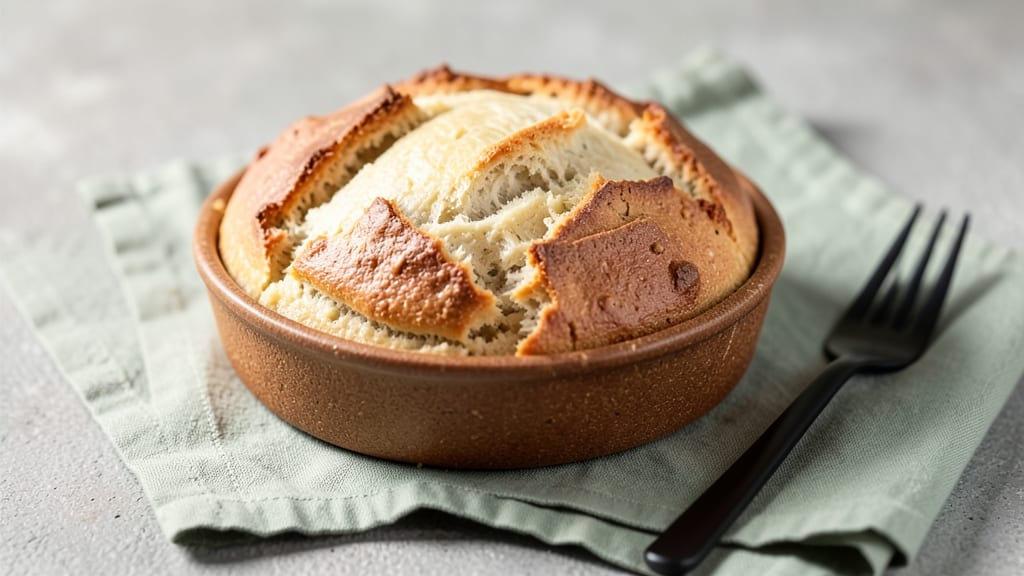
Betty Crocker's potato bread recipe delivers the perfect balance of fluffy, moist crumb and a golden, crackly crust—just like the classic version from the iconic brand. This recipe captures that signature buttery richness and comforting texture that makes it a staple at holiday tables and family dinners.
The secret lies in the precise ratio of potatoes, butter, and eggs, which work together to create a tender loaf that stays fresh for days.
What sets this potato bread apart is its foolproof method, designed to achieve that signature Betty Crocker quality without requiring advanced baking skills. You'll work with simple ingredients—potatoes, flour, butter, and eggs—but the technique ensures a light, airy texture with just the right amount of density.
The bread rises beautifully in the pan, developing that classic golden crust while staying soft inside, making every slice worth savoring.
By the time you pull this loaf from the oven, you'll have a warm, aromatic bread that smells like comfort food at its finest. The crust is crisp enough to hold up to butter, while the interior remains tender and moist, perfect for serving alongside soups, stews, or holiday meals.
This recipe delivers the same quality you'd expect from a trusted brand, right in your own kitchen.
For added flavor, consider mixing in fresh herbs like rosemary or thyme, or try a sprinkle of cheddar cheese for a savory twist. The possibilities are endless, but the foundation remains the same—a classic potato bread that brings warmth and homestyle goodness to any table. Let's get baking!
Ingredients for betty crocker potato bread
Classic Betty Crocker potato bread needs just 11 ingredients for that iconic buttery, fluffy loaf.
| Ingredient | Amount | Notes |
|---|---|---|
| Russet Potatoes 🥔 | 2 lbs | Peeled, boiled, mashed smooth |
| All-Purpose Flour 🌾 | 3 cups | Sifted, spooned lightly |
| Unsalted Butter 🧈 | ½ cup | Cold, cubed for dough |
| Large Eggs 🥚 | 2 whole | Room temperature |
| Granulated Sugar 🍚 | ¼ cup | Lightly packed |
| Instant Yeast 🍞 | 1 tbsp | Or 2.25 tsp active dry |
| Salt 🧂 | 1 ½ tsp | Kosher or sea salt |
| Whole Milk 🥛 | ¼ cup | Warm, 110°F |
| Baking Powder 🍞 | 1 ½ tsp | Aluminum-free preferred |
| Fresh Rosemary 🌿 | ¼ cup | Optional, finely chopped |
| Shredded Cheddar Cheese 🧀 | ½ cup | Optional, for savory twist |
The potatoes are non-negotiable for that signature moisture. Russets are ideal—their high starch content creates that tender crumb. Most grocery stores carry them, but Costco or Trader Joe's often have organic options that hold up better during boiling. Peel them first to save time later. For the flour, King Arthur or Gold Medal brands are reliable—avoid self-rising blends. The butter should be cold when you cube it; this prevents the dough from getting too soft during mixing. Fresh yeast is best, but Bob's Red Mill instant yeast works perfectly if you're in a hurry.
No instant yeast? Active dry yeast needs 10 minutes to proof in warm milk—just add it directly to the milk with a pinch of sugar. Swapping the rosemary? Dried thyme at half the amount gives a similar earthy note. The cheddar is optional, but if you add it, sharp cheddar melts better than mild varieties. For a sweeter loaf, increase the sugar to 0.5 cup. The baking powder must be fresh—if it's over a year old, test it with vinegar before using. The milk should be warm but not hot—110°F is perfect—or the yeast will die.
This dough keeps covered in the fridge for up to 24 hours if you want to prep ahead. For longer storage, shape the loaf, wrap tightly in plastic, and freeze for up to 3 months. Thaw overnight in the fridge before baking. The finished bread stays fresh for 3-4 days at room temperature, wrapped in a clean kitchen towel. Slice it thin for toast or thick for sandwiches—the crust holds up beautifully either way. Leftovers freeze well too; just reheat wrapped in foil for 5-10 minutes at 350°F to restore that fresh-baked aroma.
Why You'll Love This Recipe
- No-Fuss Prep: I’ll admit, I was skeptical about grating potatoes by hand—until I tried this. The recipe calls for just a few minutes of peeling and grating (no fancy tools needed), then it’s all about mixing and baking. Honestly, the hardest part is waiting for it to rise.
- Buttery, Sweet Magic: That mix of melted butter and sugar? It’s like a hug in bread form. The potatoes add moisture without overpowering, while the crust gets this addictive golden crunch—especially when you toast it the next morning. (Yes, even on a Tuesday night.)
- Weeknight Workhorse: This bread is my go-to for sandwiches, toast, or even French toast. It’s sturdy enough for grilled cheese but still soft enough to soak up gravy. Between us, I’ve used it for everything from breakfast to dinner leftovers, and it never lets me down.
- Budget-Friendly Staple: Russets and flour are cheap, and this recipe stretches further than store-bought. I can make two loaves for under $5, and they last a week in the freezer. No wasted dough, no sad half-loaves—just pure, reliable comfort food.
Step-by-step instructions for Betty Crocker potato bread
This method delivers a tender, buttery loaf with a perfect golden crust every time.
Prepare the Potato Base
Begin by peeling the 2 lbs of russet potatoes and cutting them into even chunks. Place them in a pot of cold, salted water and bring to a boil over high heat. Once boiling, reduce to medium-high and cook for 15-20 minutes until completely tender when pierced with a fork.
Drain the potatoes thoroughly, then return them to the pot. Using a potato masher or ricer, mash them until completely smooth with no lumps. Let the mashed potatoes cool to room temperature before proceeding. This cooling step is crucial—it prevents the butter from melting prematurely when mixed in later. For best results, spread the mashed potatoes on a baking sheet and refrigerate for 10 minutes while you prepare the remaining ingredients.
Mix the Dough Ingredients
In a large mixing bowl, combine the 3 cups of sifted all-purpose flour, 1 tbsp of instant yeast, 1.5 tsp of salt, 1.5 tsp of baking powder, and 0.25 cup of granulated sugar. Stir gently with a whisk to distribute the dry ingredients evenly. Create a well in the center of the mixture.
Add the 2 room-temperature large eggs to the well, followed by the 0.5 cup of cold, cubed unsalted butter. Using a wooden spoon or dough whisk, mix just until the butter begins to soften and incorporate. Then add the cooled mashed potatoes and 0.25 cup of warm whole milk to the center. Mix vigorously for 2-3 minutes until a shaggy dough forms. If using, fold in the 0.25 cup of finely chopped fresh rosemary or 0.5 cup of shredded cheddar cheese at this stage for added flavor.
Knead and Rest the Dough
Turn the dough onto a lightly floured surface and knead for 5-7 minutes until smooth and elastic. The dough should be soft but not sticky—add a little more flour if needed. Shape the dough into a smooth ball and place it in a lightly greased bowl. Cover with a clean kitchen towel and let it rise in a warm place for 1-1.5 hours, or until doubled in size. The dough should feel light and springy when pressed gently with a finger.
Here's the thing—don't rush this step. The yeast needs time to activate fully, which develops the bread's structure. If your kitchen isn't warm enough, place the bowl near a turned-off oven with the light on, or use a proofing box. The dough should rise noticeably but not overflow the bowl.
Shape and Bake the Loaf
Preheat your oven to 375°F. Grease a 9x5-inch loaf pan generously with butter or nonstick spray. Punch down the risen dough to release air bubbles, then shape it into a rectangular loaf that fits comfortably in your pan. Place the dough seam-side down in the prepared pan.
Cover the pan with a clean towel and let the dough rise again for 20-30 minutes until it domes slightly above the pan. While it rises, brush the top of the dough with a little milk mixed with water (about 1 tablespoon each) for a golden finish. Bake for 45-50 minutes, or until the top is deep golden brown and the internal temperature reaches 190°F when measured with an instant-read thermometer.
Cool and Serve
Remove the bread from the oven and let it cool in the pan for 10 minutes. Then transfer it to a wire rack to cool completely before slicing. This resting period is essential—it allows the moisture to redistribute, preventing a gummy texture. For the best results, slice the bread when it's completely cool, as warm bread can be slightly dense.
The finished loaf should have a crisp golden crust with a tender, moist interior. Each slice should reveal a fine, even crumb with no large holes. Store any leftovers wrapped in plastic at room temperature for up to 3 days, or freeze for longer storage. This bread pairs beautifully with soups, butter, or jam for breakfast.
Pro Tips For Making Betty Crocker Potato Bread
- Boil Potatoes Until Fork-Tender: Russets should break apart like overcooked pasta—not crumbly, not soupy, but with just enough resistance that a fork slides in cleanly. I learned this the hard way: mushy potatoes make dense, gummy bread, while undercooked ones leave dry spots. Aim for 12–15 minutes in salted boiling water (yes, salt it—flavor carries through).
- Chill the Dough: After mixing, let the dough rest in the fridge for at least 30 minutes. This isn’t optional—it’s what makes the texture light and crumbly. I used to skip it because I was impatient, and the bread turned out tough and chewy. Trust me, the wait pays off.
- Don’t Overmix the Flour: Once you add the flour to the potato mixture, stir just until combined—no need to beat it like pancake batter. Overmixing develops gluten, which turns your potato bread into a dense loaf instead of the tender, cake-like texture you want. Think "just enough to hold it together."
- Brush Butter on Warm Bread: Right after baking, while the bread is still hot, brush the top with melted butter. This isn’t just for flavor—it keeps the crust from drying out overnight. I used to let it cool first, and by morning, the bread was rock-hard. Warm butter seals in moisture like magic.
Flavor customization for these flavors
Sweet Glazed Twist
Transform your potato bread into a cinnamon-sugar loaf by mixing 2 tablespoons ground cinnamon and ½ cup brown sugar into the dough before shaping. Brush the risen loaf with 2 tablespoons melted butter and sprinkle ½ cup granulated sugar on top before baking.
For extra decadence, add ¼ cup raisins or chopped walnuts—they caramelize beautifully in the oven. 🍯
Herb-Infused Savory Loaf
Swap the rosemary for a garlic-herb blend by adding 1 tablespoon minced garlic, 1 tablespoon dried oregano, and 1 tablespoon dried basil to the dough. For a Mediterranean touch, fold in ½ cup crumbled feta cheese and ¼ cup chopped kalamata olives after kneading.
This version pairs perfectly with roasted vegetables or grilled meats. 🌿
Cheesy Jalapeño Kick
Spice up your loaf with ½ cup shredded pepper jack cheese and 2 diced jalapeños (seeds removed for mild heat). Mix them into the dough just before the final knead for a smoky, cheesy kick.
Top the baked loaf with ¼ cup salsa and extra cheese for a Tex-Mex-inspired twist. Serve with spicy chili or nachos for a crowd-pleaser. 🌶️
Everything Bagel Seasoning
Create a crunchy, savory loaf by sprinkling 2 tablespoons everything bagel seasoning (sesame seeds, poppy seeds, garlic, onion, and salt) on top of the dough before baking. Brush the loaf with 1 tablespoon melted butter after it rises for a golden, sesame-speckled crust.
This version is perfect for breakfast sandwiches or toast with cream cheese. ✨
Pumpkin Spice Fall Version
For an autumnal twist, replace ½ cup of the mashed potatoes with ½ cup pumpkin puree (not pie filling). Add 1 teaspoon pumpkin pie spice and ¼ cup chopped pecans to the dough.
Brush the baked loaf with 1 tablespoon maple syrup for a sweet, spiced loaf that’s ideal for Thanksgiving or holiday brunches. 🍂
Sourdough-Style Crust
Elevate your crust by mixing 1 tablespoon sourdough discard (or 1 teaspoon apple cider vinegar) into the dough for a tangy depth. Brush the risen loaf with 1 tablespoon olive oil and sprinkle 1 teaspoon coarse sea salt on top before baking.
This adds a rustic, artisanal touch while keeping the interior soft and moist. 🥖
Nutrition facts
Frequently asked questions
Why does this potato bread turn out dense instead of fluffy?
The most common cause is overmixing the dough or skipping the resting time. Mix just until combined—overworking develops gluten too much, making the bread tough. Also, ensure your yeast is fresh and the milk is 110°F (not hot). Let the dough rise until it doubles in size for that signature light texture.
Can I make this potato bread without a loaf pan?
Shape the dough into a round boule or freeform loaf on a baking sheet lined with parchment paper. Brush with milk or melted butter and bake at 375°F for 30-35 minutes, checking for a deep golden color. The crust will be slightly thicker, but the interior stays tender. For extra flavor, sprinkle with coarse salt or sesame seeds.
How do I store leftover potato bread?
Wrap the cooled loaf tightly in plastic wrap or aluminum foil to retain moisture. Store at room temperature for 3-4 days—this bread stays fresh longer than most breads. For longer storage, slice and freeze individual portions for up to 3 months. To reheat, wrap slices in foil and warm at 350°F for 5 minutes or until crispy.
What’s the best way to reheat potato bread?
For toasty slices, wrap the bread in foil and reheat at 350°F for 5-7 minutes. For a crispier crust, broil for 1-2 minutes (watch closely!). To revive stale bread, sprinkle with water, wrap in foil, and microwave for 10-15 seconds. The microwave method works best for quick sandwiches.
Can I substitute sweet potatoes for russets?
Sweet potatoes will work, but the texture and flavor will differ. They’re denser and slightly sweeter, which may alter the bread’s classic taste. If you try it, reduce the sugar to ¼ cup and add ½ teaspoon cinnamon to balance the flavor. For best results, stick with russets—they’re the traditional choice for that signature light crumb.