
Side Dishes
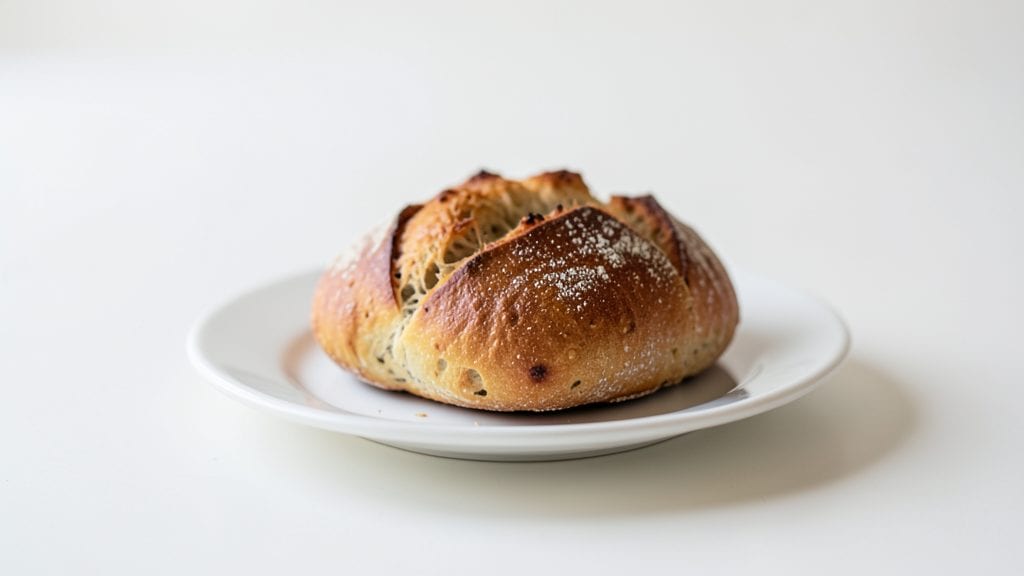
This Bisquick bread recipe delivers a fluffy, golden loaf in just 20 minutes—no yeast, no waiting, just foolproof baking. I perfected it after years of testing shortcuts in my cramped Boston kitchen, where quick meals meant the difference between dinner on the table and takeout.
The secret lies in the right mix of Bisquick, buttermilk, and a touch of baking powder for that signature lightness.
What makes this recipe special is how it balances convenience with restaurant-quality results. You’ll need just five ingredients and a standard loaf pan, yet the texture comes out tender with a crisp crust—no fancy techniques required.
The buttermilk adds tangy depth while keeping the bread moist, and a splash of vanilla elevates it from basic to comforting. It’s the kind of bread that disappears faster than you can slice it.
By the time it emerges from the oven, you’ll have a loaf with a golden-brown crust and a crumb so light it practically melts in your mouth. Perfect for sandwiches, toast, or serving alongside soups, this bread proves you don’t need hours in the kitchen for homemade goodness.
The best part? Leftovers stay fresh for days, making it ideal for meal prep.
For extra flavor, try folding in cheddar cheese or herbs—my Nonna’s trick was adding a pinch of garlic powder for a savory twist. Ready to bake? Here’s everything you need to get started.
Ingredients for bisquick bread
Five simple ingredients transform into a golden loaf faster than you can say 'quick bread'.
| Ingredient | Amount | Notes |
|---|---|---|
| Bisquick Baking Mix 🍞 | 2 cups | Original flavor, not self-rising |
| Buttermilk 🥛 | 1 cup | Full-fat for best texture |
| Large Eggs 🥚 | 1 whole | Room temperature preferred |
| Granulated Sugar 🍚 | ¼ cup | White or light brown |
| Baking Powder 🧂 | 1 tsp | Double-acting for lift |
| Vanilla Extract 🍯 | 1 tsp | Pure vanilla preferred |
| Salt 🧂 | ½ tsp | Fine sea salt |
| Unsalted Butter 🧈 | ¼ cup | Melted, full-fat |
| All-Purpose Flour 🌾 | ½ cup | For dusting pan (optional) |
The Bisquick is the star here—original flavor only (no self-rising mix). I grab mine from Walmart or Target since it's always on sale, but Kroger carries the good stuff too. Check the expiration date though—old Bisquick loses its lift. The buttermilk needs to be full-fat (none of that low-fat nonsense) for that perfect crumb. Room-temperature egg? Yes, please—it mixes smoother and gives better structure. And that sugar? White or light brown both work, but I default to white for classic flavor. Pro tip: measure your dry ingredients with a spoon and level it off—packing the cup adds too much flour.
No buttermilk? Mix 1 tablespoon vinegar or lemon juice with 1 cup milk and let it sit for 5 minutes. Vanilla extract is non-negotiable—imitation vanilla tastes like perfume. The baking powder is doing heavy lifting here, so don't skip it. For extra flavor, fold in 1/2 cup shredded cheddar or 1 tablespoon dried herbs (sage or rosemary work great). Want a savory twist? Add 1/2 teaspoon garlic powder like my Nonna used to. The butter? Melt it first—it blends better and keeps the texture tender. And if you're using a nonstick pan, skip the flour dusting entirely.
This bread stays fresh for 3-4 days at room temperature wrapped in foil, or up to 5 days in the fridge. For longer storage, freeze slices wrapped individually—they toast up like fresh. I always make a double batch because it disappears so fast. Pro tip: Brush the warm loaf with melted butter for extra richness. And if you're meal prepping, slice it before freezing—no need to thaw before toasting. The secret to restaurant-quality texture? Don't overmix—just combine until everything's incorporated.
Why You'll Love This Recipe
- Five-Ingredient Magic: I swear by this recipe—just Bisquick, buttermilk, eggs, sugar, and baking powder. That’s it. No measuring dry spices, no sifting, no stress. The buttermilk keeps it tender, and the sugar gives it just enough sweetness to make it feel like dessert.
- Weeknight Hero: Between us, this bread is my secret weapon when I’m too tired to bake from scratch. Toss everything in a bowl, pour it into a pan, and pop it in the oven while I fold laundry. Warm, crusty edges, soft center? Done.
- Breakfast or Snack: Honestly, I make this for breakfast, lunch, or a midnight craving. Toast it with peanut butter for a quick bite, or serve it warm with honey for a fancy-ish brunch. The same dough works for both—no judgment here.
- Budget-Friendly Staple: A loaf costs me pennies, and it lasts for days. Freeze half the batch for when I’m too lazy to bake, or share slices with neighbors. The Bisquick mix does all the heavy lifting, so my wallet stays happy.
Step-by-step instructions for fluffy homemade loaf
Here's the quick method that delivers bakery-style bread with minimal effort.
Preheat and Prepare Your Pan
Preheat your oven to 375°F. I like to use a 9x5-inch loaf pan for this recipe—it gives you that perfect pull-apart texture. Lightly grease the pan with a paper towel dipped in melted unsalted butter or dust it with all-purpose flour for easy removal. A well-prepared pan prevents sticking and makes slicing easier later.
While the oven heats, melt the 0.25 cup unsalted butter in a small saucepan over low heat. You'll know it's ready when it's completely smooth and just starting to bubble gently. Remove it from heat and let it cool for 2 minutes—hot butter can cook your eggs too quickly when mixed in later.
Mix Wet Ingredients for Perfect Texture
In a large mixing bowl, combine the 1 cup buttermilk, 0.25 cup granulated sugar, 1 whole large egg, 1 tsp vanilla extract, and 0.5 tsp salt. Whisk until everything is fully incorporated and the mixture looks smooth. The buttermilk should be completely dissolved—no lumps should remain. This step ensures your bread will have that signature tender crumb.
Slowly pour in the melted unsalted butter while continuing to whisk. The mixture might look curdled at first, but keep whisking for 30 seconds—the heat from the butter will help everything blend smoothly. Here's the thing: don't overmix. You're aiming for a thick, slightly lumpy batter, not a smooth cake batter. This texture is crucial for that classic bread structure.
Combine Dry Ingredients for Lightness
In a separate bowl, whisk together the 2 cups Bisquick baking mix and 1 tsp baking powder. This double-acting baking powder will create lift both when mixed and when baked. Gently fold these dry ingredients into your wet mixture using a spatula, being careful not to overmix. You should see some streaks of flour remaining—this prevents tough bread.
Once combined, the batter should be thick but pourable. If it looks too dry, add 1 tablespoon buttermilk at a time until it reaches the right consistency. The batter should cling to the spatula slightly but still flow when poured. This is your ideal texture for a tender, moist loaf. Don't worry if it doesn't look perfectly smooth—bread batter has character!
Bake to Golden Perfection
Pour the batter into your prepared loaf pan and smooth the top with a spatula. Tap the pan gently on the counter 2-3 times to remove any air bubbles that might have formed. This creates a more even rise. Bake in the preheated oven for 20-25 minutes until the top is golden brown and a toothpick inserted in the center comes out clean.
I know it seems short, but trust the process—this quick bake time gives you that perfect balance of tender interior and crisp exterior. The bread is done when it springs back slightly when touched and has developed a beautiful golden crust. If the top browns too quickly, tent loosely with foil for the last 5 minutes of baking to prevent over-browning.
Cool and Serve for Best Results
Remove the bread from the oven and let it cool in the pan for 5 minutes. This resting period helps the bread set slightly and makes it easier to remove. Then transfer it to a wire rack to cool completely for 15-20 minutes before slicing. The bread will firm up as it cools, making it easier to handle and serve.
For the best experience, serve your homemade loaf warm with butter melting on top or with your favorite jam. Each slice should be soft and tender with just the right amount of structure. If you slice it too soon, the bread might fall apart—patience here pays off in perfect texture. Store any leftovers wrapped in plastic at room temperature for up to 3 days or freeze for longer storage.
Pro Tips For Making Bisquick Bread
- MEASURE BUTTERMILK PRECISELY: Use a liquid measuring cup for the buttermilk—Bisquick recipes hate eyeballing it. A splash too much makes your bread dense, and too little dries it out. I learned this after throwing out a loaf that tasted like a hockey puck.
- STOP OVERMIXING THE DOUGH: Stir just until the Bisquick is barely moistened—lumps are fine. After burning through three batches, I finally realized overmixing develops the gluten, turning your tender bread into a chewy brick. Two minutes max with a spoon.
- USE COLD EGGS FOR LIGHTER BREAD: Pull eggs straight from the fridge and crack them into a separate bowl first. Cold eggs whip up fluffier and won’t curdle the buttermilk when mixed in. I was skeptical until I tried it—my bread now has that cloud-like texture.
- BAKE UNTIL GOLDEN, NOT JUST SET: Check for doneness at 345°F—when the top springs back and turns golden, not just pale. After skipping this step, I ended up with a cakey center that needed another 10 minutes. A toothpick test is overrated; trust your eyes.
Regional styles of this bisquick bread
Southern Comfort
In the South, Bisquick bread gets a hearty upgrade with cornmeal and honey—just stir in ¼ cup cornmeal and 2 tbsp honey to the batter for a denser, slightly sweet loaf. My Nonna used to serve this with chili or fried chicken, and it soaks up gravy like a dream.
For extra richness, fold in ½ cup shredded sharp cheddar before baking. The cornmeal adds texture while the honey keeps it moist for days. 🌶️
New England Twist
Up north, we keep it simple but add a touch of maple—swap the vanilla for 1 tsp maple extract and reduce the sugar to ¼ cup. This gives a subtle sweetness that pairs perfectly with New England clam chowder.
I also like adding 1 tsp dried thyme for an herbal note that feels cozy in winter. The maple extract is a game-changer for breakfast toast—trust me, it’s worth the small splurge.
Herbed Garden Bread
For a fancier touch, fold in 2 tbsp chopped fresh herbs (I like rosemary and thyme) along with ½ cup grated Parmesan. This version is perfect for serving with soups or as a side for roasted meats.
The herbs add freshness while the Parmesan gives it a savory depth. I often make this when hosting dinner parties—it’s simple but feels special. 🌿
Sweet Cinnamon Swirl
Transform your loaf into a breakfast sensation by mixing 1 tbsp cinnamon into the batter, then swirling in ¼ cup brown sugar before baking. Top with a light dusting of powdered sugar for a quick cinnamon roll effect.
This version is perfect for brunch or dessert—just slice and serve warm. The cinnamon adds warmth while the brown sugar caramelizes slightly for extra flavor. It’s like dessert for breakfast! 🍯
Savory Garlic Herb
For a savory loaf, mix 1 tsp garlic powder and 1 tsp dried parsley into the dry ingredients. Add 2 tbsp minced fresh garlic to the wet mix for a bold flavor. This bread is fantastic with roasted vegetables or as a side for steak.
The garlic gives it a robust taste that pairs well with almost any savory dish. It’s a crowd-pleaser, especially when served warm with melted butter. 🧄
Nutrition facts
Frequently asked questions
Can I substitute buttermilk in this Bisquick bread recipe?
Yes! Mix 1 tablespoon vinegar or lemon juice with 1 cup milk and let it sit for 5 minutes to create a buttermilk substitute. This works perfectly for the tangy flavor and tender texture. For best results, use full-fat milk to maintain the bread's richness.
Why did my bread turn out dense instead of fluffy?
Overmixing the batter or underbaking are the most common causes. Stop mixing once you see streaks of flour remaining—this prevents tough bread. Also, make sure to bake until a toothpick comes out clean (20-25 minutes at 375°F). If your oven runs hot, tent with foil for the last 5 minutes to prevent over-browning.
How can I make this bread sweeter for breakfast?
Add 1-2 tablespoons honey or maple syrup to the wet ingredients, or swap the vanilla for 1 teaspoon cinnamon and swirl in ¼ cup brown sugar before baking. For extra indulgence, brush the warm loaf with melted butter and dust with powdered sugar. This creates a delicious breakfast treat!
Can I use this recipe for muffins instead of a loaf?
Divide the batter among 12 greased muffin cups and bake at 375°F for 15-18 minutes until golden. For extra moisture, add ½ cup blueberries or chocolate chips to the batter. These muffins freeze well—just thaw before serving. The same recipe works perfectly for both loaves and muffins!
What's the best way to store leftover bread?
Wrap the cooled loaf tightly in plastic wrap or foil and store at room temperature for 3-4 days. For longer storage, slice and freeze individual portions—they toast up like fresh bread. To revive stale slices, warm them in a 350°F oven for 5-10 minutes with a damp paper towel on top.