
Side Dishes
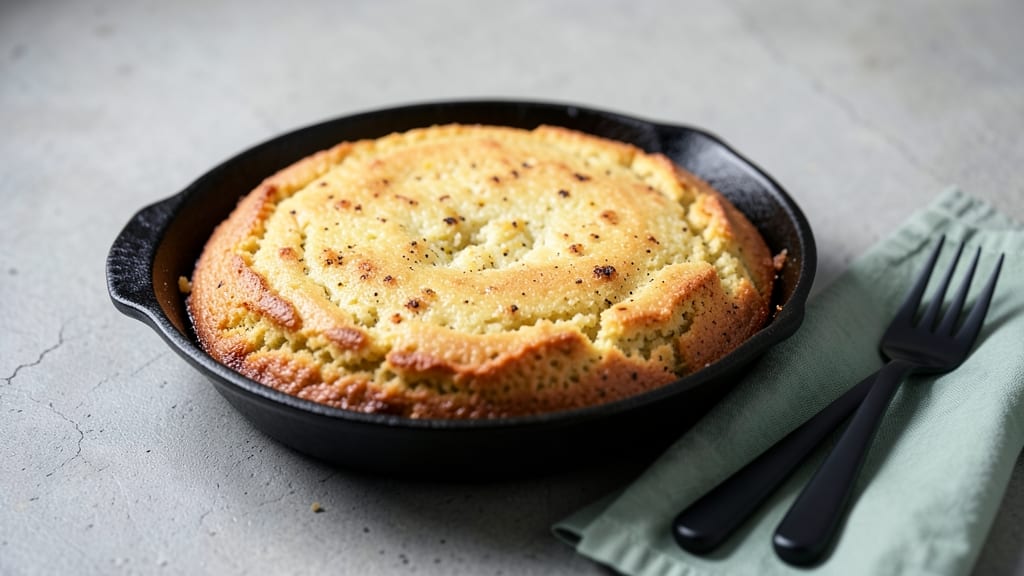
This Bisquick cornbread recipe delivers the perfect balance of a golden crust and moist crumb—all in one simple bowl. After years of perfecting this technique, I’ve cracked the code for tender, slightly sweet cornbread that stays moist even the next day.
The secret lies in the right mix of Bisquick, cornmeal, and buttermilk, baked just long enough to achieve that ideal texture.
What sets this recipe apart is its simplicity—no fancy techniques required. You’ll mix everything in a bowl, pour it into a greased pan (or cast-iron skillet for that classic texture), and bake until the edges are golden and the top springs back when touched.
The result? A cornbread so tender it melts in your mouth, with just enough sweetness to satisfy.
This recipe is designed for quick weeknight dinners or holiday sides, ready in under 25 minutes at 375°F. The versatility lets you customize it with add-ins like jalapeños, cheese, or even honey butter once it’s baked.
Whether you’re serving it alongside chili, fried chicken, or just enjoying it with a pat of butter, this cornbread is a crowd-pleaser.
For the best results, use a cast-iron skillet if you have one—it ensures even baking and that signature crispy crust. If you’re short on time, a standard oven-safe dish works just as well. Let’s get baking!
Ingredients for bisquick corn bread
Pantry staples plus two key tricks: cornmeal for texture and buttermilk for moisture.
| Ingredient | Amount | Notes |
|---|---|---|
| Bisquick Baking Mix 🍞 | 1 box | Original flavor, not self-rising |
| Medium-Grind Cornmeal 🌽 | ¼ cup | Stone-ground preferred for texture |
| Buttermilk 🥛 | ¾ cup | Full-fat for richness |
| Large Eggs 🥚 | 1 whole | Room temperature for even baking |
| Unsalted Butter 🧈 | ¼ cup | Melted, cooled slightly |
| Granulated Sugar 🍚 | ¼ cup | Light brown sugar for depth |
| Diamond Crystal Kosher Salt 🧂 | ½ tsp | Adjust to taste |
| Baking Powder 🍞 | ½ tsp | Aluminum-free for best rise |
| All-Purpose Flour 🌾 | ¼ cup | For structure balance |
| Extra-Virgin Olive Oil 🫒 | 1 tbsp | For greasing pan |
| Jalapeño Peppers 🌶️ | 1 whole | Seeded, finely chopped (optional) |
| Sharp Cheddar Cheese 🧀 | ½ cup | Shredded, for add-in (optional) |
The Bisquick is the foundation, but don’t skimp on the cornmeal—medium-grind stone-ground gives that authentic crumb. Bob’s Red Mill is my go-to for quality. Buttermilk is non-negotiable here; full-fat makes all the difference in richness. If you’re fresh out, mix 1 tbsp vinegar or lemon juice per cup of milk and let it sit for 5 minutes. The egg should be room temperature—cold eggs can cause uneven baking. For the butter, melt it but let it cool slightly before mixing—too hot can cook the Bisquick prematurely.
No cornmeal? Polenta or fine-ground grits work in a pinch, though the texture won’t be identical. Substituting buttermilk with sour cream thinned with milk keeps the tang but adds extra fat. Want to skip the sugar? Honey or maple syrup at half the amount adds natural sweetness. The jalapeños and cheese are optional but worth it—smoked cheddar adds depth if you’re feeling fancy. Pro tip: if your Bisquick is old (over 6 months), toast it lightly in a dry pan for 2 minutes to revive its leavening power.
This cornbread stays fresh for 3 days wrapped in foil at room temperature, but it’s best eaten within 24 hours. For longer storage, slice and freeze—6 months no problem. Reheat slices in a 350°F oven for 5-7 minutes to revive that crispy crust. Leftovers? Toast them and use for French toast the next morning. And if you’re using a cast-iron skillet, preheat it for 5 minutes before pouring the batter—that’s how you get the golden crust.
Why You'll Love This Recipe
- Pantry Magic: I swear by this recipe because it uses stuff I already have—no special trips to the store. Mix the Bisquick with cornmeal, crack in the eggs, fold in buttermilk, and you’re halfway there. The butter melts into the batter like it’s meant to be, giving that golden crust without extra fuss.
- Buttery-Creamy Crunch: That first bite? Chef’s kiss. The cornmeal adds a subtle grit that plays perfectly with the tender crumb, while the buttermilk keeps it moist. Slather it with butter, and suddenly, you’ve got a side dish that tastes like a hug.
- Weeknight Wonder: This is my go-to when I’m feeding a crowd or just too tired to fuss. It bakes in under 20 minutes—perfect for when the kids are starving and the stove is still warm from dinner. Honestly, I’ve even made it for Sunday brunch when I needed something quick but impressive.
- Budget-Friendly Staple: A single box of Bisquick and a bag of cornmeal stretch for multiple batches, and buttermilk is cheaper than fancy mixers. Leftovers? Toast them up for breakfast the next day—no one will guess it’s not homemade. (Yes, even on a Tuesday night.)
Step-by-step instructions for Bisquick cornbread with perfect texture
Here's the method for achieving that signature golden crust and moist crumb—no fuss, no waiting.
Prep the Jalapeño and Mix Dry Ingredients
First, seed and finely chop the jalapeño pepper if using—this ensures a subtle heat without overwhelming the cornbread. Set aside. In a medium bowl, whisk together the 1 box Bisquick baking mix, 0.25 cup medium-grind cornmeal, 0.5 tsp baking powder, 0.5 tsp Diamond Crystal kosher salt, and 0.25 cup all-purpose flour. This dry blend forms the structural backbone of your cornbread.
Here's the thing—don't skip the whisking. You want to break up any lumps in the Bisquick and distribute the cornmeal evenly. The cornmeal gives that signature texture, but uneven mixing can lead to dense pockets. Keep the bowl nearby; we'll add wet ingredients next.
Combine Wet Ingredients for a Smooth Batter
In a separate large bowl, melt the 0.25 cup unsalted butter and let it cool slightly—it should be warm to the touch but not hot. Add the 0.75 cup buttermilk, 1 whole large egg, 0.25 cup granulated sugar, and 1 tbsp extra-virgin olive oil. Whisk until fully combined, then stir in the chopped jalapeño and 0.5 cup shredded sharp cheddar cheese if using.
This is where the magic happens: the buttermilk provides acidity for a tender crumb, while the melted butter ensures moisture. The sugar caramelizes during baking, contributing to that golden crust. If the batter looks too thick, add 1-2 tablespoons of buttermilk—it should be like heavy pancake batter in consistency.
Mix and Pour for Even Baking
Gradually pour the dry ingredients into the wet mixture, stirring just until combined—overmixing develops gluten and makes the cornbread tough. The batter should be thick but pourable. Real talk: it's okay if a few dry spots remain; they'll disappear as the batter sits.
Preheat your oven to 400°F while you grease an 8x8-inch baking dish generously with olive oil or butter. Pour the batter into the prepared dish and smooth the top with a spatula. Here's the pro move: tap the pan gently on the counter 2-3 times to release any air bubbles. This prevents sinkholes in your cornbread.
Bake Until Golden and Springy
Bake for 20-25 minutes until the edges are golden brown and a toothpick inserted in the center comes out clean. The top should look slightly cracked—that's your visual cue for perfect doneness. Don't open the oven door early; the sudden temperature drop can cause the cornbread to sink.
I know it seems like too long, but trust me—the internal temperature should reach 190°F for that ideal moist crumb. If it browns too quickly, tent loosely with foil after 15 minutes to prevent over-browning while ensuring even cooking.
Rest and Serve Warm
Remove the cornbread from the oven and let it rest in the pan for 5 minutes. This resting period allows the internal heat to distribute evenly, preventing a dry top. Serve warm, cut into squares, and watch it crumble just enough to soak up honey or butter.
The reason we wait is simple: cornbread continues to set as it cools. Slicing too soon gives you a crumbly texture instead of that perfect balance of tender and slightly firm. For maximum moisture, serve within 30 minutes of baking—this cornbread doesn't reheat well.
Pro Tips For Making Bisquick Corn Bread
- STOP MIXING DRY: Mix the wet ingredients—egg, buttermilk, and melted butter—until just combined, then fold in the Bisquick and cornmeal by hand with a spatula. Overmixing makes this dense and tough, and I’ve learned that’s the fast track to sad, heavy corn bread.
- MELT BUTTER FIRST: Skip the cold butter shortcut. Melt it first—just enough to soften, about 10 seconds in the microwave—so it blends smoothly with the buttermilk. Cold butter creates lumps, and nothing ruins the texture faster than fighting clumps in a quick bread batter.
- DON’T OVERFILL THE PAN: A greased 8-inch cast-iron pan holds about 1.5 cups of batter—no more. I used to eyeball it and ended up with a messy overflow, and the edges never cooked right. Trust the pan’s capacity; it’s the only way to get that perfect dome.
- WAIT FOR THE BUBBLE TEST: The instant-read thermometer is great, but don’t rely on it alone. Tap the top of the corn bread—if it springs back, it’s done. I’ve pulled it out too early too many times, and the center stays doughy. A toothpick check is fine, but the tap test never lies.
Regional styles of these flavors
Southern Classic Style
In the heart of the South, cornbread is a staple that often gets baked in a cast-iron skillet straight from the stove to the oven. The secret here is to preheat that skillet for 5 minutes before pouring the batter—this creates that signature crispy crust while keeping the inside tender.
I like to add 1 tablespoon of honey to the batter for extra Southern sweetness, and a pinch of smoked paprika for depth. Serve it warm with chicken and dumplings or alongside black-eyed peas for a true comfort food experience. 🍯
Texas-Style Spicy Kick
Texans take their cornbread seriously, and they often add diced jalapeños and crumbled chorizo to the batter for a smoky, spicy twist. For extra heat, I recommend 1 tablespoon of hot sauce mixed into the wet ingredients before combining with the dry mix.
Top it with shredded cheddar and bake until the cheese melts into a gooey blanket. This version pairs perfectly with brisket or tacos—the spice cuts through the richness beautifully. 🌶️
Creole Jambalaya Cornbread
In Louisiana, cornbread often gets a Cajun-inspired makeover with ingredients like Andouille sausage, green onions, and a dash of Cajun seasoning.
For this version, cook ½ cup diced Andouille in a skillet until browned, then mix it into the batter along with 2 tablespoons of chopped green onions.
Bake as usual, and the result is a cornbread with layers of smoky, savory flavor that’s perfect with gumbo or red beans and rice. 🍗
Midwest Honey Butter Twist
The Midwest loves its cornbread sweet and buttery, so this variation calls for ½ cup of honey mixed into the wet ingredients and a honey butter glaze brushed on top after baking.
For the glaze, melt ¼ cup softened butter with 2 tablespoons of honey and 1 teaspoon of lemon juice, then drizzle it over the warm cornbread. This version is a hit with fried chicken or as a dessert with a scoop of vanilla ice cream. 🍯
Appalachian Herb Infusion
In the Appalachian Mountains, cornbread often gets a boost from fresh herbs like rosemary and thyme, along with a touch of apple cider vinegar in the wet ingredients for tang.
I like to add 1 teaspoon of dried rosemary and ½ teaspoon of thyme to the dry mix, plus 1 tablespoon of apple cider vinegar to the wet ingredients. This earthy, herby version pairs wonderfully with venison stew or roasted squash. 🌿
Modern Street Food Style
For a contemporary twist, try baking the cornbread in a muffin tin for individual servings, then topping each one with crumbled bacon, pickled jalapeños, and a drizzle of sriracha mayo.
This street-food-inspired version is perfect for serving at parties or as a side to sliders or tacos. The contrast of sweet, spicy, and savory flavors makes it a crowd-pleaser. 🌮
Nutrition facts
Frequently asked questions
Can I make this cornbread without cornmeal?
Yes, but the texture will differ. Replace the 0.25 cup cornmeal with 0.25 cup fine-ground grits or polenta for a similar crumb. For a more traditional taste, skip the substitution—cornmeal gives that signature Southern texture. If you're out of cornmeal, all-purpose flour works in a pinch, but the cornbread will be less tender.
Why did my cornbread turn out dry?
Dry cornbread usually means overbaking or not enough moisture. Check your oven temperature—400°F is key. Also, ensure you used 0.75 cup buttermilk (not milk) and melted 0.25 cup butter (not shortening). For extra moisture, brush the baked cornbread with melted butter while still warm. Slice it within 30 minutes of baking to preserve freshness.
How do I store leftover cornbread?
Wrap tightly in foil and store at room temperature for up to 3 days. For longer storage, slice and freeze in an airtight container for up to 6 months. To reheat, warm slices in a 350°F oven for 5-7 minutes or microwave for 20-30 seconds (covered). For best texture, reheat only until warmed through—don't overdo it!
Can I make this recipe gluten-free?
Not easily with Bisquick, but you can adapt it! Replace the 1 box Bisquick with 1 cup gluten-free 1:1 baking flour and 0.5 cup cornmeal. Use gluten-free baking powder and ensure your buttermilk is certified gluten-free. The texture will be slightly different, but still delicious. For extra moisture, add 1 extra tablespoon of melted butter.
What's the best way to serve this cornbread?
Warm cornbread is best! Serve with honey butter, sour cream, or whipped cream cheese for dipping. It pairs perfectly with chili, fried chicken, or BBQ ribs. For a sweet twist, brush with maple syrup or sprinkle with powdered sugar. The golden crust is ideal for soaking up sauces or gravies—just slice it thick!