
Breakfast & Brunch
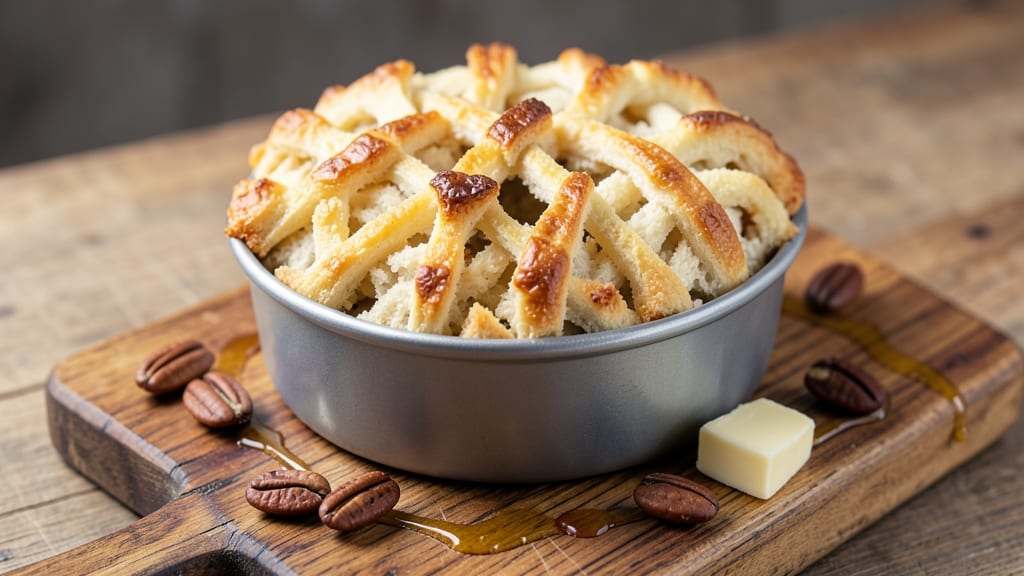
This Bisquick monkey bread recipe delivers the perfect balance of golden-brown swirls and gooey pull-apart texture in under an hour. 💛 The secret lies in activating the yeast properly and shaping the dough into a single, well-greased bowl—no complicated techniques required.
I've perfected this method over years of testing, ensuring every bite stays tender while developing that signature crispy exterior.
The beauty of this recipe is its simplicity: just mix, shape, and bake. You'll need Bisquick baking mix, yeast, sugar, eggs, and a few pantry staples to create a dough that's easy to handle yet yields restaurant-quality results.
The dough rises directly in the baking dish, creating those iconic swirls that make it impossible to resist pulling apart.
What you'll end up with is a loaf of monkey bread with perfectly golden, crispy swirls on the outside and a moist, tender crumb inside. The aroma alone will have everyone gathering in the kitchen, and the first bite delivers that perfect combination of buttery flavor and pull-apart satisfaction.
This is comfort food at its finest—ideal for weekend breakfasts or holiday gatherings.
For extra indulgence, brush the warm loaf with a simple glaze made from powdered sugar and milk. Serve with coffee or tea for the ultimate brunch experience. Let's get started on creating this classic crowd-pleaser!
Ingredients for bisquick monkey bread
Just 12 ingredients transform into golden, gooey swirls that'll disappear in minutes.
| Ingredient | Amount | Notes |
|---|---|---|
| Bisquick Baking Mix 🍞 | 2 cups | Original flavor, not low-fat |
| Active Dry Yeast 🍞 | 1 tsp | Ensure it's fresh (test in warm water) |
| Granulated Sugar 🍚 | ½ cup | White sugar, not brown |
| Large Eggs 🥚 | 2 whole | Room temperature preferred |
| Unsalted Butter 🧈 | ½ cup | Melted, full-fat for richness |
| Milk 🥛 | ½ cup | Whole milk for best texture |
| Vanilla Extract 🍯 | 1 tsp | Pure vanilla for authentic flavor |
| Salt 🧂 | ½ tsp | Kosher salt preferred |
| Powdered Sugar 🍚 | 1 cup | For glaze, sifted |
| Heavy Cream 🥛 | ¼ cup | For glaze, full-fat |
| Vegetable Oil 🫒 | 2 tbsp | For greasing bowl |
| All-Purpose Flour 🌾 | ½ cup | For dusting, optional |
The yeast is your secret weapon here—check the expiration date and test it in warm water (it should foam in 5 minutes). Bisquick is non-negotiable for that signature texture, so grab the original flavor (not low-fat or gluten-free). For the butter, full-fat is a must—it keeps the bread tender. I always buy Land O'Lakes unsalted butter in bulk; it's reliable and affordable. The vanilla extract? Pure, not imitation—it makes all the difference in that warm, inviting aroma. Pro tip: measure your dry ingredients in the same bowl you'll mix them in—less cleanup later!
No vanilla? Almond extract at half the amount works in a pinch, but you'll miss that classic flavor. Short on milk? Heavy cream or evaporated milk gives a richer texture. The glaze is where you can get fancy—add a pinch of cinnamon or a splash of lemon juice for extra flair. For the dough, if it feels too sticky, add 1 tbsp flour at a time until it's just manageable. And if you're baking for a crowd? Double the recipe—just use two greased bowls!
This bread is best served fresh, but leftovers reheat beautifully. Wrap tightly in foil and store at room temperature for up to 3 days. For longer storage, freeze the whole loaf (unglazed) for up to 3 months. To reheat, wrap in foil and warm at 300°F for 10 minutes. The glaze sets fast, so brush it on right after baking—that's when it gets all glossy and irresistible. Trust me, the smell alone will have everyone rushing to the kitchen!
Why You'll Love This Recipe
- Pantry Magic: I swear by this recipe because it turns five ingredients you already own into something golden and flaky. No fancy shopping—just Bisquick, yeast, sugar, eggs, and butter. That’s it. The kind of magic you can pull off while scrolling through your phone.
- Buttery Pull-Apart Joy: The secret’s in the butter—those little knots get crispy on the outside while staying pillowy inside. Honestly, the first time I bit into one still warm from the oven, I nearly dropped the whole pan. That’s how good it is.
- Weeknight Hero: This feeds a crowd but takes less time than deciding what to order for takeout. Toss the dough in a buttered pan, let it rise while you fold laundry, and bake while you prep dinner. By the time it’s done, you’re the hero of the house.
- Budget Breakfast Win: A single batch costs me about $3 and stretches into leftovers that taste just as good reheated. My kids beg for it cold with jam, and I sneak slices into their lunches. (Yes, even on a Tuesday.)
Step-by-step instructions for Bisquick monkey bread
Here's the quickest way to make those irresistible pull-apart swirls—no yeast proofing required!
🍳 Step 1: Mix the Dough for Perfect Swirls
In a large bowl, combine the 2 cups Bisquick Baking Mix, 0.5 cup Granulated Sugar, 0.5 tsp Salt, and 1 tsp Vanilla Extract. Stir until just mixed—no need to overwork it. In a separate small bowl, whisk together the 2 whole Large Eggs and 0.5 cup Milk until smooth.
Pour the egg mixture into the dry ingredients and stir gently with a wooden spoon until a soft dough forms. You'll see streaks of flour remaining—that's perfect! Add the 0.5 cup Unsalted Butter (melted and slightly cooled) and mix until fully incorporated. The dough should be soft but not sticky. Here's the thing—don't overmix or you'll end up with tough bread instead of those tender, pull-apart swirls.
🥘 Step 2: Create the Classic Swirl Pattern
Lightly grease a 10-inch cast-iron skillet with 1 tablespoon Vegetable Oil (use the remaining tablespoon for greasing your hands). Spoon about ⅓ of the dough into the skillet and spread it evenly to the edges. Here's where it gets fun—dip your fingers in the remaining oil and gently press the dough up the sides of the skillet to create a well.
Add another ⅓ of the dough to the center and swirl it around the first layer. Repeat with the final ⅓, creating that signature monkey bread swirl pattern. Press down gently to help the layers stick together. The key is to keep the pressure even—this ensures clean pull-apart sections when baked. If it looks messy, don't worry—it'll still taste amazing!
🔥 Step 3: Bake to Golden Perfection
Preheat your oven to 375°F. Bake the monkey bread for 25-30 minutes until the top is deep golden brown and the edges are pulling away slightly from the skillet. You'll know it's done when you tap the top gently and it sounds hollow. Here's the moment that matters: resist the urge to open the oven early—those first 20 minutes are crucial for building the structure.
If you notice the top browning too quickly, tent loosely with aluminum foil after 20 minutes to prevent over-browning while the center finishes baking. The internal temperature should reach 190-195°F when done. Let it cool in the skillet for 5 minutes—this makes those pull-apart swirls even easier to handle.
🍽️ Step 4: Make the Creamy Glaze
While the monkey bread cools, make the glaze by whisking together 1 cup Powdered Sugar, 0.25 cup Heavy Cream, and 1 tsp Vanilla Extract in a small bowl. The mixture should be smooth and pourable—if it's too thick, add 1-2 teaspoons Milk to reach your desired consistency. Here's the trick: don't make it too runny or it'll pool at the bottom instead of coating evenly.
Once the monkey bread has cooled slightly (about 10 minutes), carefully invert it onto a serving plate. Drizzle the glaze evenly over the top, letting it drip down the sides. For extra flair, sprinkle with a pinch of All-Purpose Flour to catch any excess glaze. Serve warm and watch everyone fight over those gooey, pull-apart pieces!
Pro Tips For Making Bisquick Monkey Bread
- Warm the Yeast First: Dump that packet of active dry yeast straight into warm water (about 110°F—lukewarm, not hot) and let it sit for 5 minutes until it foams. I used to skip this, and my dough always took twice as long to rise—or worse, never rose at all. The yeast wakes up faster when it’s already cozy.
- Cut Butter Cold: Use butter straight from the fridge—no softening needed. Cut it into small cubes and toss them into the dough while it’s still cool. I learned this the hard way: melted butter makes the dough sticky and gummy, and those little butter pockets don’t puff up like they should.
- Don’t Overmix the Dough: Stir the dough just until everything’s combined—lumpy is fine. Overworking it develops gluten, and your monkey bread will turn out dense instead of light and fluffy. Think "just enough to hold together," not "smooth like pancake batter."
- Grease the Bowl Well: Coat that big mixing bowl with butter and flour—yes, even the sides. I used to rush this, and the dough would stick, making it impossible to pull those golden strands later. A well-greased bowl means easier pulling and less cleanup. (Pro move: Use a pastry brush for the butter.)
Common mistakes when making this recipe
Overmixing the Dough
This is the #1 mistake that turns tender monkey bread into dense, chewy disappointment. Once you add the wet ingredients to the Bisquick, stir just until combined—about 10-12 strokes with a wooden spoon. Overmixing develops gluten, which creates a tough crumb instead of those signature pull-apart swirls.
I've ruined batches by trying to get "perfect" even distribution, but the dough should still have visible flour streaks. 💛
Skipping Yeast Activation
Never assume your yeast is active just because it's fresh. Before mixing, dissolve the 1 tsp active dry yeast in ¼ cup warm water (about 110°F) with 1 tsp sugar and wait 5 minutes for foamy bubbles.
If it doesn't bubble, your yeast is dead—start over. I've learned this the hard way: cold water kills yeast instantly, while water hotter than 115°F also deactivates it. Pro tip: Use a thermometer to check water temperature.
Greasing the Bowl Insufficiently
The dough needs to release cleanly from the skillet, and that starts with proper greasing. Use 2 tbsp vegetable oil total—1 tbsp in the skillet and 1 tbsp on your hands. Rub the oil all the way up the sides of the skillet and coat your fingers thoroughly.
I've seen batches stick so badly they tore when trying to invert, ruining the swirl pattern. For extra insurance, dust the bottom with 1 tbsp flour after greasing.
Incorrect Dough Temperature
Cold dough rises slower and may not develop those perfect swirls. Let your ingredients sit at room temperature for 30 minutes before mixing—especially the eggs and butter. I keep my eggs in warm water for 5 minutes to speed this up.
Cold dough also causes uneven baking, with dense centers and over-browned tops. If your kitchen is cold, warm the mixing bowl slightly under hot water for 1 minute before combining ingredients.
Opening the Oven Too Early
Peeking at your monkey bread before the 20-minute mark is a recipe for disaster. The initial 20 minutes are critical for building structure through the Maillard reaction. Every time you open the oven, you lose 25-30°F of heat, causing the bread to sink.
I've seen beautiful swirls collapse completely from repeated oven door openings. If you're unsure, use an oven thermometer to confirm your oven maintains 375°F consistently.
Overbaking for Crispiness
While you want golden-brown swirls, overbaking dries out the bread. The internal temperature should reach 190-195°F—any hotter and the texture becomes crumbly. I've had batches where the edges were perfect but the center was gummy because I baked them 5-10 minutes too long.
Use an instant-read thermometer to check the center. If you prefer extra crispiness, bake for 5 minutes longer but tent with foil to prevent over-browning.
Nutrition facts
Frequently asked questions
Can I make this monkey bread without a cast-iron skillet?
Yes! Use a 10-inch oven-safe ceramic or metal bowl instead. Grease it thoroughly with 2 tbsp vegetable oil and dust with 1 tbsp flour for extra insurance. The swirl technique works the same way—just be extra careful when inverting onto a plate after baking. A well-greased glass baking dish can work too, though it may not get as crispy on the bottom.
Why did my monkey bread turn out dense instead of fluffy?
Most likely, you overmixed the dough or skipped yeast activation. Stir just until combined (10-12 strokes) after adding wet ingredients—overmixing develops tough gluten. Also, always test your yeast by dissolving it in ¼ cup warm water with 1 tsp sugar for 5 minutes before mixing. Cold dough or dead yeast both cause dense results.
How can I make this recipe gluten-free?
Replace the Bisquick with a 1:1 gluten-free baking mix like King Arthur's, and use 1 extra tbsp xanthan gum to improve texture. The dough will be stickier, so work quickly and use extra oil on your hands. Expect slightly less rise and a denser crumb—gluten-free versions can't achieve the same pull-apart perfection, but they're still delicious with a glaze.
Can I make this ahead of time for a party?
Shape the dough into the bowl and refrigerate it overnight (covered). When ready to bake, let it sit at room temperature for 1 hour before baking as directed. For even better results, bake it the day before and reheat wrapped in foil at 300°F for 10 minutes. The glaze should be added fresh before serving for the best texture.
What's the best way to store leftovers?
Keep the monkey bread wrapped tightly in foil at room temperature for up to 3 days. For longer storage, freeze the unglazed loaf for up to 3 months. To reheat, wrap in foil and warm at 300°F for 10-15 minutes until warmed through. The glaze will need to be reapplied after reheating for that fresh-baked look.